
When it comes to plumbing, choosing the right fittings can make all the difference in your project’s success. You might be wondering whether PEX plastic fittings or brass fittings are the better choice for your needs.
Both options have their strengths, but which one will give you the best mix of durability, cost, and ease of use? You’ll discover the key differences between PEX plastic and brass fittings so you can make a smart decision that saves you time, money, and headaches.
Keep reading to find out which fitting fits your project perfectly.

Credit: www.vpexco.com
Material Properties
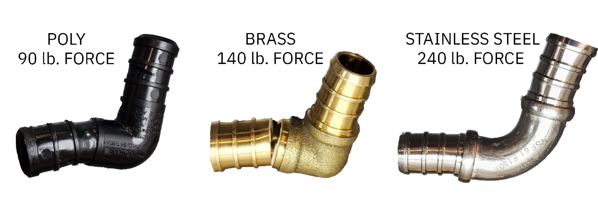
Pex plastic fittings are lightweight and resist corrosion, making them easy to handle. Brass fittings are stronger and more durable but heavier and prone to tarnish over time. Choosing between them depends on the specific needs of your plumbing project.
Composition Of Pex Plastic
PEX plastic is a type of cross-linked polyethylene. It is flexible and lightweight. The cross-linking process gives it strength. PEX pipes and fittings resist cracking and breaking. They handle both hot and cold water well. This plastic does not contain metals, so it won’t rust. Its chemical makeup makes it safe for drinking water.Characteristics Of Brass
Brass is an alloy made from copper and zinc. It is strong and durable. Brass fittings are heavier than PEX plastic ones. They have a metallic shine and a solid feel. Brass can withstand high temperatures and pressure. It is commonly used in plumbing due to its toughness. Brass also has natural antimicrobial properties that help prevent bacteria growth.Resistance To Corrosion
PEX plastic does not corrode or rust. It stays intact even in moist environments. This makes it a good choice for water pipes. Brass resists corrosion but can tarnish over time. It handles water exposure better than pure copper. Brass fittings may develop a green patina, but this does not affect function. Both materials offer good corrosion resistance but behave differently.Durability Factors
Durability is a key factor in choosing between PEX plastic fittings and brass. It affects how long the fittings last and how well they perform under different conditions. Understanding durability helps in making the best choice for plumbing needs.
Temperature Tolerance
Brass fittings handle very high temperatures without damage. They remain stable under heat and do not soften. PEX fittings tolerate moderate heat but can warp if too hot. This makes brass better for hot water systems.
Pressure Resistance
Brass fittings withstand high pressure without cracking. They are strong and reliable for heavy-duty use. PEX fittings work well under normal household pressure but may fail under extreme pressure. Brass suits high-pressure plumbing better.
Impact And Wear
PEX fittings absorb impacts better because they are flexible. They resist cracking from knocks or drops. Brass fittings are hard and can dent or crack on strong impact. PEX offers more durability against physical wear.
Installation And Maintenance
Choosing between PEX plastic fittings and brass affects installation and maintenance. Both materials have unique traits that influence how they are handled on the job. Understanding these differences helps in making smart decisions for plumbing projects.
Ease Of Installation
PEX fittings are lighter and more flexible than brass. They require fewer tools and less time to connect. The fittings often use a simple crimp or clamp system. Brass fittings need precise threading and sealing. Installation can be slower and needs more skill. PEX allows bending around corners, reducing the need for extra joints. Brass is rigid and harder to shape. This affects the overall time and effort in plumbing setups.
Maintenance Requirements
PEX fittings need minimal maintenance once installed. They resist corrosion and do not rust. Brass fittings may need regular checks for leaks and corrosion. Brass can develop greenish patina over time. This may affect water quality and fitting strength. PEX’s plastic nature keeps it safe from mineral buildup. Maintenance is simpler and less frequent with PEX. Brass requires occasional cleaning and tightening of connections.
Common Issues And Repairs
PEX fittings can sometimes suffer from damage due to sharp objects or UV light exposure. Repairs usually involve replacing a section or fitting. Brass fittings are prone to cracking under extreme pressure or temperature changes. Repairing brass often means soldering or replacing the piece. Both materials can leak if fittings are not tight. PEX leaks are easier to spot and fix quickly. Brass leaks may need professional tools and skills to repair properly.
Cost And Availability
Cost and availability play a big role in choosing between PEX plastic fittings and brass fittings. Both types have different price points and accessibility. Understanding these differences helps make the right choice for your plumbing needs.
Initial Costs
PEX fittings usually cost less than brass fittings upfront. Plastic materials are cheaper to make. Brass fittings need more metal and complex manufacturing. This raises their price. For small projects, PEX can save money right away.
Long-term Value
Brass fittings last longer than PEX in many cases. They resist corrosion and heat better. This means fewer replacements over time. PEX is easier to install and flexible, which can save labor costs. Both have value depending on use and environment.
Market Availability
PEX fittings are widely available at hardware stores and online. Brass fittings are also common but may be less stocked in some areas. Some plumbers prefer brass for specific jobs, so it can be easier to find experts familiar with brass. Availability varies by region and supplier.
Environmental Impact
Choosing between PEX plastic fittings and brass means thinking about the environment. Both materials affect nature differently. Understanding their impact helps make smarter choices for plumbing projects.
Sustainability Of Materials
PEX plastic comes from petroleum, a non-renewable resource. It relies on fossil fuels, which contribute to pollution. Brass is made from copper and zinc, metals found naturally in the earth. Mining these metals can harm ecosystems and uses a lot of water. Neither material is fully sustainable, but brass is more natural than PEX plastic.
Recyclability
Brass is highly recyclable. It can be melted down and reused many times without losing quality. This lowers waste and reduces the need for new mining. PEX plastic is harder to recycle. It cannot be melted and reused easily. Most PEX ends up in landfills, where it takes a long time to break down. Brass fittings have a clear advantage in recyclability.
Energy Consumption In Production
Making PEX plastic fittings uses less energy than producing brass. Plastic manufacturing is faster and involves lower temperatures. Brass production requires mining, smelting, and casting, which use much more energy. This higher energy use means more carbon emissions for brass. PEX plastic fittings have a smaller carbon footprint during production.

Credit: www.youtube.com
Application Suitability
Choosing the right fitting material depends on where and how it will be used. Both Pex plastic and brass fittings serve specific needs better. Understanding their application suitability helps in making the right choice for plumbing projects.
Residential Plumbing
Pex plastic fittings work well in homes. They are flexible and easy to install in tight spaces. Pex resists corrosion and scaling, making it good for household water lines. Brass fittings are strong and durable. They can handle high temperatures and pressure. Brass is often used for water heaters and fixtures where durability is key.
Commercial Use
Brass fittings are common in commercial buildings. They withstand heavy use and harsh conditions. Their strength suits large plumbing systems and high water pressure. Pex fittings are less common but still useful. They are good for smaller pipes and less demanding systems. Pex offers faster installation, saving time in commercial jobs.
Specialized Environments
Brass fittings perform well in harsh chemical or outdoor settings. They resist UV rays and many chemicals. Pex fittings are not ideal for direct sunlight or extreme chemicals. In specialized environments like industrial plants, brass is often preferred. Pex suits indoor, controlled environments better.
Credit: blog.boshart.com
Frequently Asked Questions
What Are The Main Differences Between Pex And Brass Fittings?
PEX fittings are made from flexible plastic, while brass fittings are metal. PEX is easier to install and resists corrosion better than brass. Brass fittings are stronger and can handle higher temperatures.
Which Fittings Are More Durable, Pex Or Brass?
Brass fittings are more durable because metal withstands pressure and heat well. PEX fittings last long but can wear out faster in harsh conditions. Both have good lifespans for typical home use.
Are Pex Fittings Cheaper Than Brass Fittings?
Yes, PEX fittings usually cost less than brass fittings. The plastic material and simpler design lower the price. Brass fittings tend to be more expensive due to metal and manufacturing costs.
Can Pex Fittings Handle Hot Water As Well As Brass?
PEX fittings handle hot water well but have temperature limits around 200°F. Brass fittings tolerate higher temperatures without damage. For very hot water systems, brass might be safer.
Which Fittings Resist Corrosion Better, Pex Or Brass?
PEX fittings resist corrosion better because plastic does not rust or corrode. Brass can corrode over time, especially in acidic water. PEX is a good choice in areas with poor water quality.
Is Installation Easier With Pex Or Brass Fittings?
PEX fittings are easier and faster to install due to flexible tubing and simple connections. Brass fittings require tools and more skill for tight seals. DIYers often prefer PEX for quick projects.
Are Pex Fittings Safe For Drinking Water?
Yes, PEX fittings are safe and approved for drinking water use. They do not leach harmful chemicals into the water. Brass fittings are also safe but may contain small amounts of lead unless lead-free.
Conclusion
Pex plastic fittings are lightweight and easy to install. Brass fittings offer strong durability and resist corrosion. Both types serve plumbing needs well. Choosing depends on budget, project type, and personal preference. Consider where you will use the fittings most.
Think about long-term reliability and maintenance. Both have pros and cons to weigh carefully. Simple, clear choices lead to better plumbing results.