
When it comes to choosing copper pipes for your plumbing needs, you might feel overwhelmed by all the options. Two common types you’ll encounter are L and M copper pipes.
But what exactly sets them apart? And which one is right for your project? Understanding the differences can save you time, money, and headaches down the road. This guide will break it all down in simple terms, so you can make the best choice with confidence.
Keep reading to discover how L and M copper pipes compare and what that means for your home or business.
Types Of Copper Pipes
Copper pipes come in different types for various plumbing needs. Two common types are Type L and Type M. Each has unique features and uses. Knowing their differences helps in choosing the right pipe for your project.
Both types are durable and resist corrosion. They also carry water safely and efficiently. The main difference lies in their wall thickness and strength.
Characteristics Of Type L
Type L copper pipes have medium-thick walls. They offer good strength and durability. These pipes work well for interior plumbing and heating systems. They handle higher water pressure than Type M. Type L pipes also resist corrosion over time. These are common in both residential and commercial buildings.
Characteristics Of Type M
Type M copper pipes have thinner walls. They are lighter and less expensive than Type L. These pipes suit low-pressure water systems. They are often used in residential water supply lines. Type M pipes are easier to bend and cut. They provide good service in many plumbing setups, but not for high-pressure needs.
Material Composition And Thickness
Copper pipes come in various types, with L and M being common options. Their material composition and thickness affect how well they perform. Understanding these differences helps choose the right pipe for plumbing needs.
Both types use high-quality copper, known for its resistance to corrosion. The main difference lies in the thickness of their walls. This affects strength, durability, and where each pipe fits best.
Wall Thickness Comparison
Type L copper pipes have thicker walls than Type M pipes. This extra thickness provides better resistance to pressure and damage. Type M pipes have thinner walls, making them lighter and easier to handle. Thicker walls in Type L make it suitable for indoor and outdoor plumbing.
Durability Factors
Thicker walls in Type L pipes increase their lifespan. They resist dents and cracks from physical impact better. Type M pipes suit low-pressure applications and indoor use where less stress is expected. Copper’s natural corrosion resistance adds to durability in both types.
Common Applications
Copper pipes come in different types, mainly Type L and Type M. Each type fits specific jobs best. Knowing where to use each pipe helps you get the best results. Both types serve plumbing needs but differ in thickness and strength. This affects their common applications in homes and buildings.
Where Type L Excels
Type L copper pipes have medium thickness. They are stronger than Type M pipes. This makes them ideal for water supply lines inside buildings.
They handle higher pressure and temperature well. This quality suits heating systems and fire sprinkler systems. Type L pipes also work well outdoors or underground. Their durability protects against damage and corrosion.
Plumbers often choose Type L for commercial buildings. It fits well where extra strength is needed. Type L pipes last longer in tough conditions.
Best Uses For Type M
Type M copper pipes are thinner than Type L. They cost less and weigh less too. This makes Type M a good choice for residential water supply lines.
They work well in low-pressure systems like cold water lines. Type M pipes are common in homes for carrying water to faucets and toilets. Their lighter weight makes installation easier and faster.
Type M is not the best for heating or underground use. It suits places where pressure and temperature are lower. This pipe type balances cost and performance well.
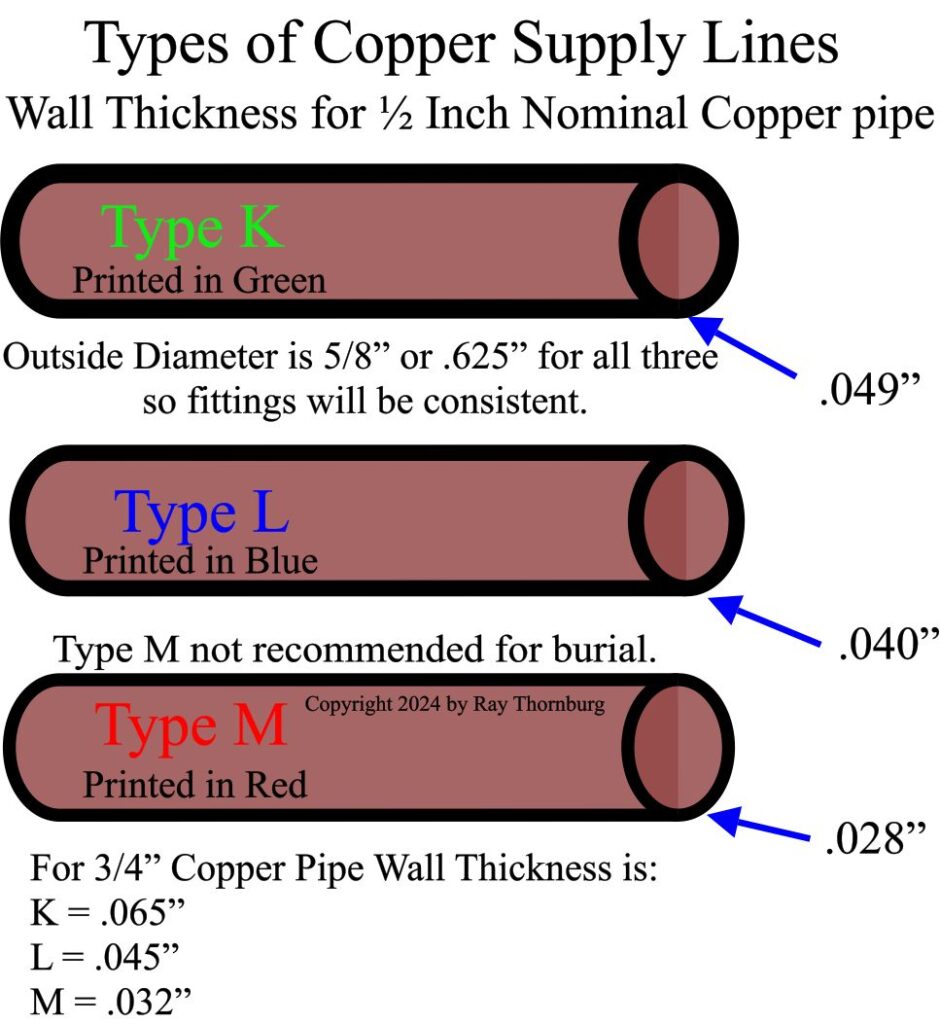
Credit: summerville-home-inspection.com
Cost Differences
Copper pipes come in different types, including L and M. Each type has distinct cost features. Understanding these cost differences helps in choosing the right pipe for your needs.
Price Comparison
Type L copper pipes are thicker and cost more per foot. They offer higher durability and strength. Type M pipes are thinner and less expensive. Many builders select type M for budget projects. The initial cost difference can be significant for large jobs.
Long-term Value
Type L pipes last longer due to thicker walls. They resist damage and corrosion better over time. This means fewer repairs and replacements. Type M pipes may need replacement sooner. The lower price might mean higher costs later. Choosing type L can save money in the long run.
Installation Considerations
Choosing between L and M copper pipes involves several key installation factors. These affect how quickly and easily the pipes fit into place. Understanding these points helps avoid mistakes and saves time.
Ease Of Handling
L copper pipes are thicker and heavier than M pipes. This makes them tougher to bend and cut. M pipes are lighter, easier to carry, and shape. For tight spaces, M pipes offer more flexibility. L pipes need more care during installation to avoid damage.
Fitting Compatibility
L and M pipes work with different fittings. L pipes use fittings designed for thicker walls. M pipes need fittings for thinner walls. Using the wrong fittings can cause leaks or weak joints. Always check fitting sizes before starting installation. Proper fit ensures a safe, leak-free system.
Performance And Pressure Ratings
Understanding the performance and pressure ratings of L and M copper pipes is key. These pipes serve different purposes in plumbing and heating systems. Knowing their limits helps pick the right pipe for your project. Below, we explore how each pipe handles pressure and temperature.
Pressure Capacity
L copper pipes have a thicker wall than M pipes. This makes L pipes stronger under pressure. They can handle higher water pressure without bending or breaking. M pipes have thinner walls and lower pressure capacity. They suit low-pressure systems like residential water lines. For high-pressure needs, L pipes are safer and more reliable.
Temperature Tolerance
Both L and M copper pipes resist heat well. Copper itself can handle hot water temperatures up to 400°F. L pipes, with thicker walls, offer better resistance to heat stress. M pipes perform well but are less durable under extreme heat. Use L pipes in heating systems or hot water supply for longer life.
Building Codes And Regulations
Building codes and regulations are important for safe plumbing work. They set rules for using L and M copper pipes in construction projects. Following these rules helps prevent leaks and other problems. Understanding these codes ensures your plumbing meets legal standards.
Compliance Requirements
All copper pipes must meet specific standards. L and M pipes have different thicknesses and uses. Building codes say which type to use for water supply lines. These rules help avoid pipe damage and water contamination. Using the right pipe type keeps your system safe and strong.
Inspection Guidelines
Inspectors check copper pipes for proper installation. They verify if the pipe type matches the project code. The connections and joints must be secure and leak-free. Pipes should be protected from freezing or physical damage. Passing inspections means your plumbing follows safety rules.
Common Misconceptions
Many people have wrong ideas about L and M copper pipes. These wrong ideas can lead to bad choices for plumbing jobs. It is important to clear up these myths. Knowing the truth helps in picking the right pipe for your needs.
Below are some common myths about the strength of these pipes and the cost versus quality debate.
Myths About Strength
Some believe that L copper pipes are much stronger than M pipes. This is not true. L pipes are thicker, but both types meet strict building rules. M pipes are strong enough for many home plumbing uses. The choice depends on what the pipe will carry and where it is used.
Thinking one type breaks easier can cause unnecessary spending. Both pipes handle pressure and temperature well. Always check the pipe rating, not just the letter, to know its strength.
Cost Vs Quality Debate
Many assume L pipes cost too much and do not offer extra quality. L pipes do cost more because they have thicker walls. Thicker walls give better durability in some cases. This means L pipes last longer in rough conditions.
M pipes are less expensive and good for many indoor uses. They save money but still work well. The best pipe depends on your budget and the project needs. Spending more does not always mean better quality for every job.
Tips For Choosing The Right Pipe
Choosing the right copper pipe is important for a successful plumbing project. The choice affects durability, cost, and efficiency. Knowing the differences between L and M copper pipes helps make a better decision. Use these tips to pick the pipe that fits your needs.
Each pipe type has specific uses and strengths. Selecting the wrong pipe can lead to leaks or costly repairs. Take time to understand your project requirements before buying.
Assessing Project Needs
Start by measuring the pressure and temperature in your plumbing system. Copper Type L is thicker and better for high-pressure areas. Type M is thinner and cheaper, suitable for low-pressure use. Check local building codes for pipe requirements. Consider the pipe length and diameter needed. Think about future repairs or upgrades in your choice.
Consulting Professionals
Plumbers and contractors have experience with copper pipes. They can recommend the right pipe type for your project. Ask about durability, cost, and installation methods. Professionals can help avoid mistakes that waste money and time. Use their advice to make an informed decision that lasts.

Credit: forum.nachi.org
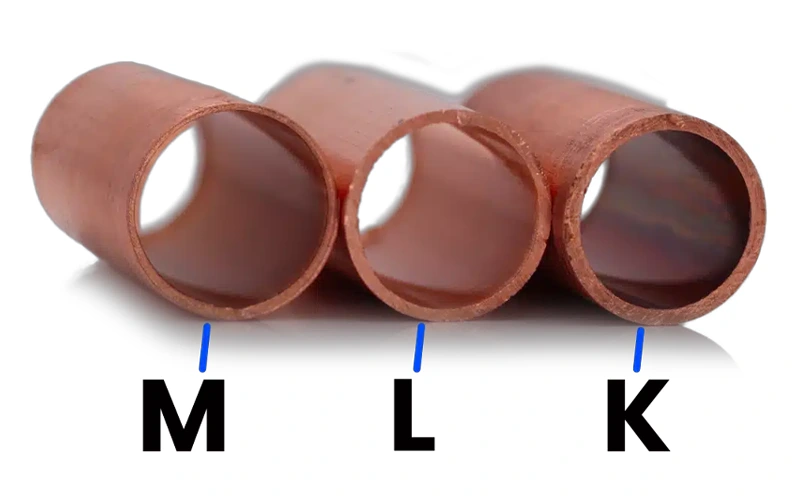
Credit: asteriacopper.com
Frequently Asked Questions
What Is The Difference Between L And M Copper Pipes?
Type L pipes have thicker walls than Type M pipes. Type L is stronger and used for higher pressure. Type M is thinner and cheaper.
Where Are L Copper Pipes Commonly Used?
Type L pipes are used for water supply and fire sprinkler systems. They handle higher pressures well. They are common in commercial and residential buildings.
Can M Copper Pipes Be Used For Hot Water Lines?
Type M pipes can carry hot water but are less durable than Type L. They work well for low-pressure systems. Not ideal for long-term or high-pressure use.
Why Choose L Copper Pipes Over M Pipes?
L pipes offer better strength and durability. They last longer under pressure and heat. This makes them safer for water and gas lines.
Are L Copper Pipes More Expensive Than M Pipes?
Yes, Type L pipes cost more due to thicker walls. The extra cost buys higher pressure resistance. Type M pipes are budget-friendly for less demanding jobs.
How To Identify L Versus M Copper Pipes?
Look at the pipe wall thickness and markings. Type L pipes have thicker walls and are marked “L. ” Type M pipes are thinner and marked “M. ”
Can L And M Copper Pipes Be Connected Together?
L and M pipes can connect with proper fittings. Use compatible connectors and follow plumbing codes. Mixing them is common in some plumbing repairs.
Conclusion
Choosing between L and M copper pipes depends on your project needs. L pipes have thicker walls and suit high-pressure uses. M pipes are thinner and work well for low-pressure tasks. Both types last long and resist corrosion. Knowing their differences helps you pick the right pipe easily.
This saves time and avoids mistakes during installation. Always check local codes before buying. Proper pipe choice keeps your plumbing safe and efficient. Simple steps lead to better results.