
Are you ready to tackle your bathroom project but feeling unsure about where to start with the shower drain? Knowing how to rough in a shower drain is a crucial step that can save you time, money, and headaches down the road.
Imagine avoiding costly mistakes and having your plumbing set up perfectly from the start. In this guide, you’ll discover simple, clear steps to get your shower drain installed right the first time. Keep reading, and you’ll gain the confidence to handle this important task like a pro.
Tools And Materials Needed
Gathering the right tools and materials is essential to rough in a shower drain. The right items help you work faster and avoid mistakes. This section lists everything needed for the job. Prepare everything before starting the project.
Basic Plumbing Tools
Start with common plumbing tools. A pipe wrench helps tighten and loosen pipes. A hacksaw cuts pipes to size. A tape measure ensures accurate pipe length. Use a plumber’s tape for sealing pipe threads. A level checks pipe alignment and slope for drainage.
Drain Pipes And Fittings
Use drain pipes made of PVC or ABS plastic. These materials resist water and last long. You will need elbows, couplings, and connectors. Choose the right diameter, usually 1.5 to 2 inches. These parts join pipes and change directions.
Shower Drain Assembly
Buy a shower drain kit. It includes a drain body, strainer, and flange. The drain body connects to pipes below the floor. The strainer stops hair and debris. The flange seals around the shower base.
Additional Materials
Get primer and cement for joining plastic pipes. These chemicals create a strong, leak-proof bond. Use plumber’s putty to seal drain parts. Keep gloves and safety glasses for protection. Have a bucket ready to catch water spills.
Preparing The Shower Area
Preparing the shower area is the first step in roughing in a shower drain. This stage sets the foundation for a smooth installation. Proper preparation helps avoid leaks and drainage issues later on. It also ensures the drain fits perfectly in the space.
Start by clearing the area and removing old parts. Then, mark the exact spot for the new drain. Careful measuring is key to a good fit. Each step builds on the last to create a strong plumbing system.
Removing Old Fixtures
Begin by turning off the water supply. Remove any existing shower fixtures carefully. Use the right tools to avoid damage. Clear out old pipes and drain parts. Dispose of them properly to keep the workspace safe. Clean the area thoroughly to check for damage or mold. A clean space makes it easier to see what needs fixing.
Marking Drain Location
Measure the shower base or floor to find the drain spot. Check the plumbing layout under the floor. Mark the drain center clearly with a pencil or marker. Confirm the position aligns with the main drain pipe. Accuracy here prevents costly mistakes. Double-check all measurements before cutting or drilling. This step ensures the drain will connect correctly and work well.
Planning The Drain Layout
Start by mapping where the drain will connect to the main pipe. Measure carefully to ensure proper water flow and avoid future leaks. Planning the drain layout helps make the shower work efficiently.
Checking Local Codes
Start by researching local plumbing codes. These rules guide proper drain installation. Follow them to avoid costly mistakes or fines. Codes may specify pipe size, slope, and materials. Visit your city’s building department website or office. Confirm requirements for shower drain placement and venting. Always prioritize safety and compliance in your planning.
Measuring Pipe Lengths
Measure the distance from the shower drain to the main waste line. Use a tape measure along the planned pipe route. Account for all bends and turns in the piping. Add extra length to ensure proper fitting and connections. Accurate measurements help prevent leaks and blockages. Mark your measurements clearly before cutting any pipes.
:max_bytes(150000):strip_icc()/installing-a-shower-drain-2718985-05-d239d915282c4707950ee123f1ca6c0e.jpg)
Credit: www.thespruce.com
Installing The Drain Pipe
Installing the drain pipe is a crucial step in roughing in a shower drain. It ensures water flows smoothly and avoids leaks. This part involves measuring, cutting, fitting, and connecting pipes. Each step must be done carefully for a proper setup. Below, learn how to handle the pipe installation effectively.
Cutting And Fitting Pipes
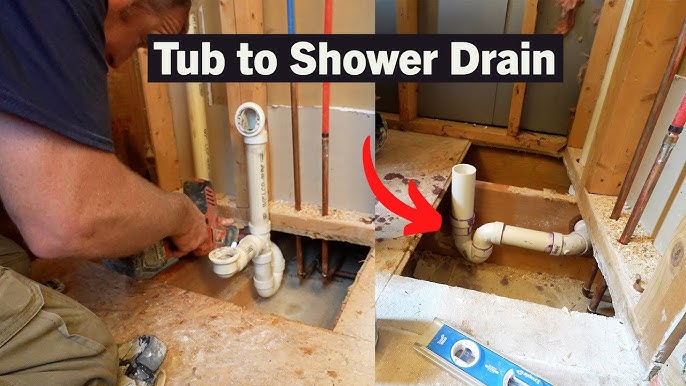
Start by measuring the distance from the shower drain to the main drain line. Use a pipe cutter or saw to cut the pipe to the right length. Make clean, straight cuts to avoid leaks. Remove any burrs or rough edges after cutting. Dry-fit the pipes and fittings together before gluing. This step helps ensure the pieces align correctly. Use appropriate pipe cement or adhesive to join the pipes securely. Allow time for the glue to set before proceeding.
Connecting To Main Drain Line
Locate the main drain line where the shower drain will connect. Clean the pipe ends and inside fittings to remove dirt and grease. Use a proper fitting, like a wye or tee, to attach the shower drain pipe. Insert the pipe fully into the fitting for a tight seal. Secure the connection with pipe cement or rubber gaskets, depending on pipe type. Check for correct slope, about 1/4 inch per foot, to allow water flow. Test the connection for leaks before closing walls or floors.
Securing The Drain Assembly
Securing the drain assembly is a key step in roughing in a shower drain. It ensures the drain stays firmly in place and prevents leaks. This step creates a strong base for the rest of the shower installation. Properly securing the drain will save time and avoid water damage later.
Attaching The Drain Flange
The drain flange connects the shower drain pipe to the shower floor. Place the flange over the drain pipe carefully. Make sure it sits flat and flush against the shower base. Use screws to attach the flange securely. Tighten the screws evenly to prevent gaps. A well-attached flange keeps water flowing correctly.
Sealing Joints And Connections
Sealing is crucial to stop water leaks at the joints. Apply plumber’s putty or silicone sealant around the drain flange. Press it firmly to create a tight seal. Check all pipe connections for gaps or cracks. Use waterproof tape or sealant on any weak spots. A strong seal protects your bathroom from water damage.
Testing For Leaks
Testing for leaks is a key step after roughing in a shower drain. It helps catch problems early before finishing the shower. Detecting leaks saves time and costly repairs later. Take the time to check the drain connections and seals carefully.
Water Flow Check
Start by running water through the drain pipe. Use a hose or bucket to pour water slowly. Watch the drain and surrounding pipes closely. Look for any dripping or water pooling around joints. Keep water flowing for several minutes to be sure. A steady flow with no leaks means the drain is working well.
Inspecting Seals
Check all seals around the drain and pipe fittings. Seals should be tight and free from cracks or gaps. Use a flashlight to see inside tight spaces. Look for any signs of moisture or wet spots. Tighten or replace seals if you find damage. Good seals prevent water from leaking into walls or floors.
Final Adjustments And Cleanup
After installing the rough-in for your shower drain, the final steps ensure everything works properly. These adjustments help prevent leaks and future problems. Cleaning up the area also prepares you for the next part of your project.
Leveling The Drain
Make sure the drain is perfectly level. Use a small spirit level across the drain’s top edge. Adjust the drain height by loosening or tightening the fittings. A level drain helps water flow smoothly. It prevents pooling and keeps your shower dry.
Clearing Debris
Remove all dirt, dust, and debris from the drain area. Use a brush or cloth to clean inside the pipe opening. Clear any leftover pieces of pipe or sealant. Debris can block water flow and cause clogs. A clean drain area ensures proper drainage and a long-lasting shower setup.
Credit: www.youtube.com

Credit: www.lowes.com
Frequently Asked Questions
What Tools Are Needed To Rough In A Shower Drain?
Basic plumbing tools like a pipe cutter, measuring tape, level, and wrench are essential. You also need PVC pipes and fittings. A drain assembly kit helps with installation.
How Deep Should A Shower Drain Be Roughed In?
The drain should be about 2 to 3 inches below the finished floor level. This allows proper slope for water drainage. Depth varies with floor thickness and shower base.
What Pipe Size Is Best For A Shower Drain?
A 2-inch diameter pipe is standard for shower drains. It provides enough flow to prevent clogging. Larger pipes are usually unnecessary for showers.
Can I Rough In A Shower Drain Without A Plumber?
Basic DIY skills can handle roughing in a drain. Follow local codes and use proper tools. For complex plumbing, professional help is recommended.
How Do I Ensure The Shower Drain Is Level?
Use a spirit level to check the drain pipe slope. The pipe should slope about 1/4 inch per foot toward the main drain. This helps water flow smoothly.
When Should I Rough In The Shower Drain During Construction?
Roughing in the drain is done after the floor framing but before the subfloor is installed. This timing prevents damage to the plumbing. It also allows inspection before finishing.
What Common Mistakes Should I Avoid When Roughing In A Shower Drain?
Avoid incorrect pipe slope, wrong pipe size, and poor sealing. Don’t forget to check local plumbing codes. Improper installation causes leaks and drainage problems.
Conclusion
Roughing in a shower drain sets the stage for a smooth shower install. Follow the steps carefully to avoid leaks and problems. Measure and cut pipes with care. Secure connections tightly for a good seal. Check local codes to stay safe and legal.
Taking your time here saves headaches later. This simple guide helps you feel confident in your work. Ready to move on to the next step? Keep your tools handy and stay focused. You can do this!