
Are you wondering if it’s okay to have two P-traps under your kitchen sink? You might be planning a remodel or trying to fix a plumbing issue, and this question has probably come up.
The answer isn’t as simple as yes or no, and getting it wrong can lead to leaks, bad odors, or even costly damage. You’ll discover exactly when having two P-traps makes sense and when it could cause problems. Keep reading to make sure your kitchen plumbing stays safe and efficient.
Purpose Of A P Trap
The P trap is a small but important part of your kitchen sink plumbing. It stops bad smells from the sewer from coming into your home. This trap holds a little water all the time. That water acts as a barrier between your sink and the sewer system.
Without a P trap, sewer gases could flow freely into your kitchen. This would make the air around your sink smell unpleasant. The P trap also helps catch debris, preventing clogs further down the pipes.
How P Traps Work
A P trap is shaped like the letter “P” or a curved pipe below your sink drain. Water flows down from the sink into the trap. The curve holds a small amount of water after each use.
This water stays in the trap, blocking gases from the sewer. Wastewater passes through the trap and flows into the drain pipe. The water seal keeps the bad air out, but lets the water flow out easily.
Role In Preventing Sewer Gases
Sewer gases contain harmful and smelly chemicals. The P trap stops these gases from entering your home. It traps water in its bend, which acts like a seal.
This seal blocks the gases while allowing waste to flow. Without this seal, your kitchen could fill with dangerous fumes. The P trap is an essential safety feature in kitchen plumbing.
Credit: terrylove.com
Standard Kitchen Sink Plumbing
Standard kitchen sink plumbing keeps water flowing and smells away. It uses simple parts to drain water safely. Understanding the basics helps with repairs and upgrades. This section explains the usual setup and rules for kitchen sink pipes.
Typical Single P Trap Setup
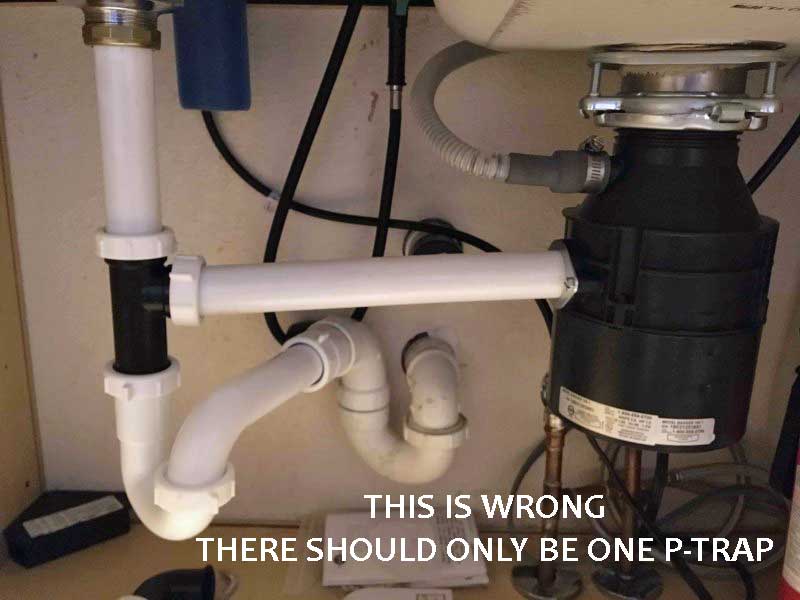
A single P trap is common under most kitchen sinks. It is a U-shaped pipe that holds water. This water blocks sewer gases from coming into the home. The trap connects the sink drain to the home’s waste pipe. It is easy to install and clean. Usually, only one P trap is needed for one sink basin. Multiple traps can cause slow drainage or leaks.
Common Plumbing Codes
Plumbing codes guide how sinks and pipes must be installed. They ensure safety and proper drainage. Most codes allow only one P trap per drain line. This rule prevents blockages and sewer gas leaks. Codes require traps to be accessible for cleaning. They also set standards for pipe size and slope. Following codes avoids costly repairs and fines.
Reasons For Multiple P Traps
Multiple P traps under a kitchen sink are not common but can be necessary. These traps help block sewer gases and prevent bad smells. Sometimes, one P trap is not enough for certain sink setups. Understanding why multiple P traps might be used can help you manage your kitchen plumbing better.
Dual Sink Arrangements
Many kitchen sinks have two basins. Each basin may have its own drain pipe. To stop sewer gases from coming up, each drain often needs its own P trap. This means two P traps could be installed under the sink. It keeps each basin sealed and working properly.
Garbage Disposal And Dishwasher Connections
Garbage disposals usually have a separate drain line. Dishwashers also need a way to drain water. Sometimes, these lines connect under the sink with their own P traps. This setup stops odors from both appliances. It also helps avoid clogs and backups in the plumbing system.

Credit: forum.nachi.org
Issues With Two P Traps
Having two P traps under a kitchen sink can cause several problems. These issues affect how well your sink drains and how smells stay out of your home. Understanding these problems helps you keep your plumbing safe and working well.
Potential For Clogging
Two P traps create extra bends where debris can get stuck. Food scraps and grease often build up in these spots. This buildup blocks water flow and causes slow drainage. Clearing clogs becomes harder with more traps in line.
Trap Seal Problems
A P trap holds water to block sewer gases from coming up. Two traps can break this water seal. Air pressure changes may pull water out of one or both traps. Without water, bad odors enter your kitchen easily.
Ventilation Concerns
Proper venting lets air move through pipes to keep water flowing. Two P traps can block air movement and create suction problems. This causes gurgling sounds and may suck water from the traps. Poor ventilation harms your sink’s function and your comfort.
When Two P Traps Are Allowed
Two P traps under a kitchen sink might seem unusual. Most sinks use one P trap to stop sewer gases from entering your home. But there are specific cases where having two P traps is allowed and even necessary. Understanding these exceptions helps keep your plumbing safe and working well.
Code Exceptions
Building codes usually allow only one P trap per fixture. Yet, some exceptions exist. For example, two sinks sharing the same drain line might have separate P traps. This setup stops odors from traveling between sinks. Some local codes permit a double trap if it meets distance and venting rules. Always check your local plumbing code before installing.
Proper Installation Methods
Installing two P traps requires care. Each trap must connect correctly to avoid leaks or blockages. Both traps need proper venting to prevent pressure build-up. The traps should be easy to access for cleaning. Pipes must slope downward to allow water to flow freely. Using the right materials and fittings ensures durability and safety.
Expert Tips For Kitchen Sink Plumbing
Expert tips can make kitchen sink plumbing easier to understand and do. Proper plumbing stops leaks and bad smells. It also keeps your kitchen safe and clean. Following simple guidelines helps you avoid common mistakes with traps and vents.
Using the right parts and keeping them in good shape saves time and money. These tips focus on choosing the best trap, making sure it vents well, and keeping it maintained.
Choosing The Right Trap
Pick a trap that fits your sink size and pipe layout. Most kitchens use a P trap to stop sewer gases. Some sinks with two drains might need two traps. Make sure the traps do not block water flow. Plastic traps are easy to install and clean. Metal traps last longer but can rust.
Ensuring Proper Venting
Vents stop traps from sucking dry and causing bad smells. Each trap needs a vent pipe to let air in. Without vents, water drains slowly or makes gurgling sounds. Check that vents are clear and not blocked. Use an air admittance valve if no vent pipe is nearby.
Maintenance Advice
Clean traps regularly to avoid clogs and odors. Remove debris like food scraps and grease. Tighten loose connections to stop leaks. Use a brush or mild cleaner to keep pipes clear. Inspect traps every few months for damage or wear.
Alternatives To Dual P Traps
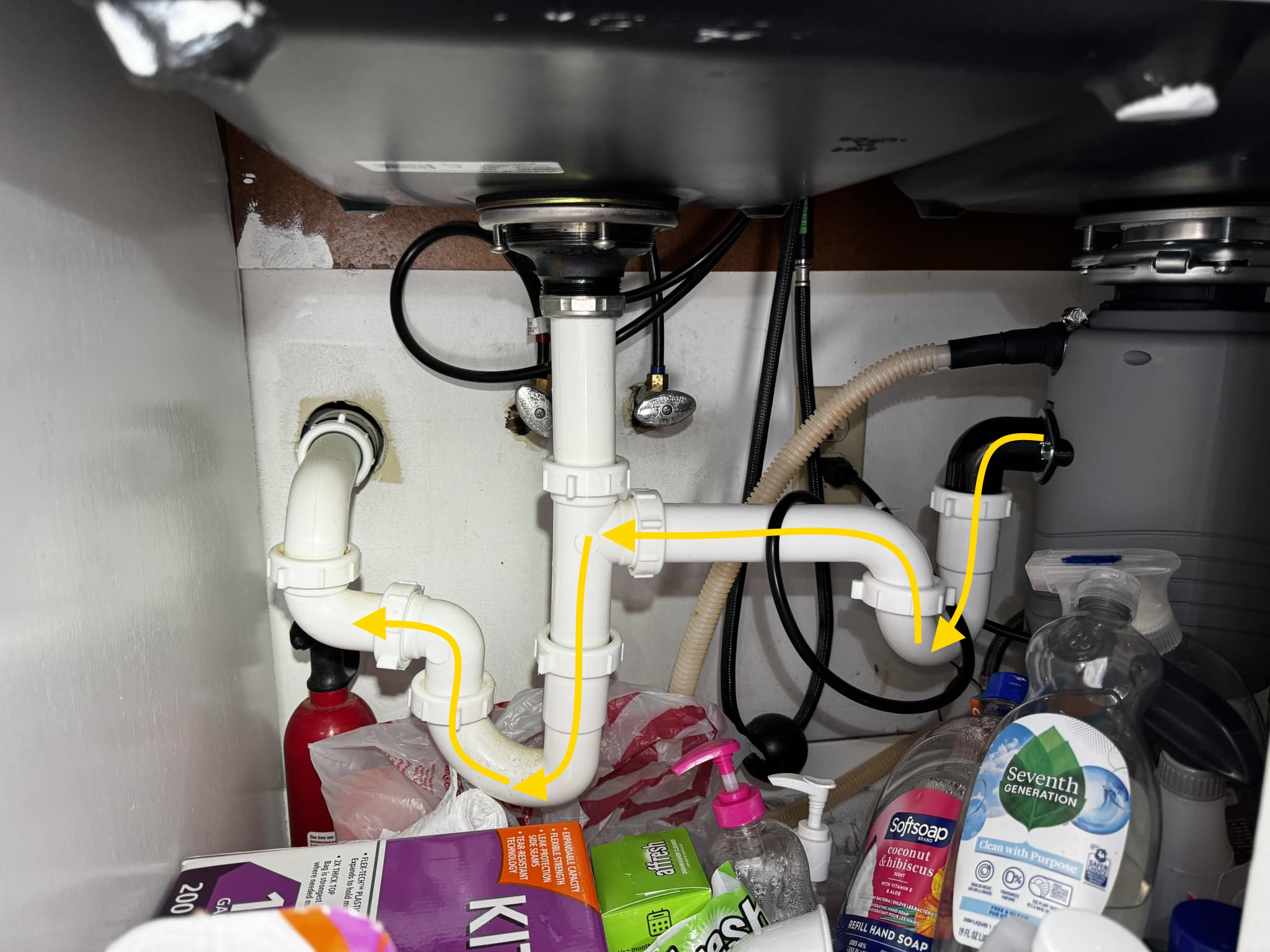
There are better ways to handle two drain lines under your kitchen sink than using two P traps. Plumbing codes usually require only one P trap per drain line. Using two traps can cause issues like slow drainage and odors. Instead, consider these alternatives that keep your plumbing safe and efficient.
Using A Double-waste Arm
A double-waste arm connects two drain pipes to a single P trap. It looks like a horizontal pipe with two inlets. This method lets water flow smoothly from both sinks into one trap. It prevents air from entering the pipes and stops bad smells. Installing a double-waste arm is simple and saves space under the sink.
Single Trap With Branch Tailpiece
This option uses one P trap with a branch tailpiece attached to the sink drain. The branch tailpiece connects a second drain line directly into the main drain pipe before the trap. This setup allows both drains to empty into one trap. It reduces plumbing parts and keeps everything neat. This method is common in kitchen sinks with two basins.
Credit: structuretech.com
Frequently Asked Questions
Can You Install Two P Traps Under One Kitchen Sink?
Yes, you can install two P traps under a kitchen sink. Each sink basin needs its own P trap to prevent sewer gases.
Why Do Some Kitchen Sinks Have Two P Traps?
Two P traps are used when a sink has two basins. Each trap stops odors and blocks sewer gases separately.
Does Having Two P Traps Affect Drainage Speed?
Two P traps do not usually slow down drainage. Proper installation ensures water flows smoothly from both basins.
Are Two P Traps Required For Double Kitchen Sinks?
Yes, most plumbing codes require one P trap per basin. This keeps the plumbing system safe and odor-free.
Can Two P Traps Cause Plumbing Problems?
Two P traps can cause issues if installed incorrectly. They must be placed properly to avoid leaks and blockages.
How Do Plumbers Connect Two P Traps Under One Sink?
Plumbers connect two P traps with a T-shaped drain pipe. This setup directs water from both basins into one drain line.
Is It Cheaper To Use One P Trap For Two Basins?
Using one P trap for two basins is not recommended. It can cause odors and may violate plumbing codes.
Conclusion
Having two P traps under a kitchen sink is possible but not always needed. Each trap must connect properly to avoid leaks and bad smells. Always check local plumbing codes before installation. Using two traps can help in some setups, like double sinks.
Still, a single trap often works fine and saves space. Keep pipes clean to prevent clogs. Good plumbing keeps your kitchen safe and fresh. Choose the right option for your sink’s design and plumbing system. Simple steps make a big difference in your kitchen’s function.