
If you have a natural spring on your property, you’re sitting on a fantastic water source. But how do you get that fresh, clean water flowing into your home or garden easily?
Pumping water from a natural spring might seem tricky, but with the right steps, you can make it simple and efficient. Imagine having a steady stream of water whenever you need it, without relying on city supplies or expensive delivery.
You’ll discover easy-to-follow tips and tricks that will help you set up your spring water pump quickly and safely. Keep reading, and you’ll learn everything you need to make the most of your natural spring.
Choosing The Right Pump
Choosing the right pump is key to getting water from a natural spring. The pump must fit your needs and the spring’s flow. It should work well in your location and be easy to maintain.
Think about power source, cost, and how much water you need. This will guide your choice and save time and money.
Manual Vs Electric Pumps
Manual pumps work without electricity. They are simple, cheap, and easy to fix. Good for small amounts of water or remote places.
Electric pumps use power to move water fast. They need a power source but save effort. Best for large water needs or daily use.
Solar-powered Options
Solar pumps run on sunlight. They save electricity and work well in sunny areas. Great for off-grid locations and low running costs.
They need solar panels and batteries. This can cost more at the start but pays off over time.
Pump Capacity And Flow Rate
Capacity means how much water a pump can move. Flow rate is the speed of water delivery.
Choose a pump that matches your water use. Too small means not enough water. Too big wastes energy and money.
Check the spring’s flow to avoid over-pumping. This keeps the spring healthy and the pump working well.

Credit: www.youtube.com
Preparing The Spring Site
Preparing the spring site is an important step to pump water effectively. A clean and safe area ensures good water quality and steady flow. It also helps protect the natural environment around the spring. Taking time to prepare the site makes the water pumping system last longer and work better.
Focus on clearing the area, protecting the water source, and building a collection basin. These tasks will create a solid foundation for your water system.
Clearing Debris And Vegetation
Start by removing leaves, sticks, and rocks near the spring. Cut back tall grass and bushes that block access. Clear space helps you see the water flow and spot problems early. It also prevents dirt and leaves from falling into the water. Keep the area around the spring open and tidy.
Protecting The Water Source
Keep animals and waste away from the spring. Build a small fence or barrier if needed. Avoid walking or driving near the source. This stops dirt and germs from getting into the water. Protecting the spring keeps water clean and safe to use.
Building A Collection Basin
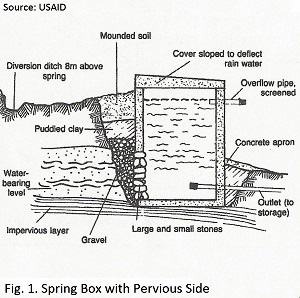
A collection basin gathers water from the spring. Use rocks, concrete, or a plastic liner to build it. Make sure the basin is strong and leaks are sealed. The basin stores water and helps control flow. It also stops soil from washing into the water. A good basin makes pumping easier and protects the spring.
Installing The Pump System
Installing the pump system is a crucial step to get water from a natural spring. The system must be set up carefully for the best flow. Proper installation helps avoid leaks and keeps the pump working longer.
Each part of the setup needs attention. Positioning the pump, connecting pipes, and securing everything are key tasks. This section covers these steps clearly and simply.
Positioning The Pump
Place the pump close to the spring source. It should be on solid, flat ground. Avoid low spots that collect water or mud. The pump needs a dry, stable base to work well.
Keep the pump away from direct sunlight. Shade helps stop overheating. Also, ensure easy access for maintenance and checks. Positioning affects how well the pump moves water.
Connecting Pipes And Hoses
Use durable pipes or hoses designed for outdoor use. Connect them tightly to the pump and spring outlet. Check for any gaps or loose fittings. Water leaks reduce pressure and waste water.
Run pipes in a straight line when possible. Avoid sharp bends or kinks. These slow down water flow. Secure connections with clamps or sealant to prevent leaks.
Securing The Pump Setup
Anchor the pump firmly to the ground or a solid platform. Use bolts or straps to keep it stable. A loose pump can shift and cause damage.
Cover exposed pipes and pump parts with insulation. This protects against cold weather and sun damage. Finally, double-check all fittings and mounts. A secure setup lasts longer and works better.
Credit: www.clean-water-for-laymen.com
Maintaining Water Quality
Maintaining water quality from a natural spring is crucial for safe and clean water. Natural springs can carry dirt, minerals, and harmful organisms. Proper care helps keep water pure and healthy to drink. Regular maintenance protects your water supply and extends the life of your pump system.
Filtration Techniques
Use filters to remove dirt and particles from spring water. Simple mesh filters catch large debris before water enters the pump. Carbon filters reduce bad tastes and odors. Sediment filters clear small particles. Choose filters based on your water’s needs and test water regularly. Change filters often to keep them effective.
Regular Cleaning And Inspection
Clean the spring area to prevent algae and dirt buildup. Check pipes, pumps, and filters for damage or blockages. Inspect seals and joints to avoid leaks. Clean pump parts with mild soap and water. Set a cleaning schedule every few months. Early detection of problems saves money and keeps water safe.
Preventing Contamination
Keep animals and plants away from the spring source. Avoid using chemicals or fertilizers near the water. Build a barrier or fence to protect the spring. Make sure no surface water or runoff enters the spring. Cover the spring with a secure lid to stop dirt and insects. These steps prevent bacteria and pollutants from entering your water supply.
Troubleshooting Common Issues
Troubleshooting common issues with spring water pumps helps keep your system running smoothly. These problems can cause delays and reduce water flow. Identifying the issue quickly saves time and effort. Here are some common problems and ways to fix them.
Pump Not Priming
Pumps need air removed to start moving water. Air trapped inside stops the pump from priming. Check for leaks in suction lines or fittings that let air in. Make sure the pump housing is full of water before starting. Tighten all connections to stop air entry. Sometimes, removing and refilling the pump with water solves the problem.
Low Water Pressure
Low water pressure can happen due to several causes. Check the pump’s power source to ensure it runs properly. Inspect the intake pipe for clogs or damage that restrict flow. Worn pump parts reduce pressure and may need replacement. Also, confirm the water level in the spring is sufficient. Fixing these issues improves water flow and pressure.
Leaks And Blockages
Leaks waste water and reduce pump efficiency. Look for wet spots or dripping around pipes and fittings. Tighten or replace damaged parts to stop leaks. Blockages occur from debris or mineral build-up inside pipes. Clear blockages by flushing the system or using a pipe cleaner. Regular maintenance prevents these problems and keeps water flowing well.

Credit: www.youtube.com
Enhancing Efficiency
Enhancing the efficiency of pumping water from a natural spring saves energy and reduces costs. It helps keep your system running smoothly and extends the pump’s lifespan. Small changes can make a big difference in how well your pump works. Focus on smart techniques and proper maintenance to get the best results.
Using Gravity To Your Advantage
Gravity can help move water without extra energy. Place the spring higher than the storage tank. Water will flow down naturally through pipes. This lowers the need for powerful pumps. Use gravity to reduce energy use and wear on your pump. Positioning your system well saves time and money.
Energy-saving Tips
Use a pump with low power consumption. Turn off the pump when water is not needed. Install a timer or sensor to control pumping. Keep pipes clean to avoid blockages. Insulate pipes to stop heat loss in cold weather. Small habits keep your system efficient and eco-friendly.
Upgrading Pump Components
Replace old parts with new, efficient ones. Choose a pump designed for natural springs. Check the impeller and motor for wear and tear. Use stainless steel or corrosion-resistant materials. Upgrade seals and valves to prevent leaks. Better parts improve water flow and save energy.
Frequently Asked Questions
What Is The Best Pump Type For Natural Spring Water?
A submersible pump works well for deep springs. Shallow springs often use jet pumps. Choose based on water depth and flow needs.
How Do I Protect Spring Water From Contamination?
Use a sealed spring box to keep dirt out. Regularly check for leaks or cracks. Keep animals and chemicals away from the source.
Can Solar Power Run A Spring Water Pump?
Yes, solar panels can power pumps in remote areas. This option saves electricity and works well with sunny days.
How Deep Should I Place The Pump In A Spring?
Place the pump below the water level for steady flow. Usually, 2 to 3 feet under water is ideal. Avoid placing it too close to the surface.
What Maintenance Does A Spring Water Pump Need?
Clean the pump and pipes regularly to avoid blockages. Check seals and filters to keep water clean. Routine checks extend pump life.
How To Increase Water Flow From A Natural Spring?
Clear debris blocking the spring outlet first. Use a larger pipe or stronger pump if needed. Ensure the spring source has enough natural flow.
Is It Safe To Drink Water Directly From A Spring?
Spring water is often clean but test it regularly. Boil or filter water to remove bacteria and parasites. Always check local water safety guidelines.
Conclusion
Pumping water from a natural spring can be simple with the right steps. Choose the best pump for your needs. Keep your equipment clean and well-maintained. Regular checks help avoid problems and keep water flowing. Enjoy fresh, natural water for your home or garden.
With care and attention, your spring can provide water for years. Start small, learn as you go, and stay safe. Natural springs offer a great water source if handled properly.