
A clogged main sewer line is more than just an inconvenience—it can turn your home into a nightmare. If you’ve noticed slow drains, bad smells, or water backing up, your sewer line might be blocked.
But don’t panic. You can tackle this problem yourself with the right steps. You’ll learn simple, effective ways to clear your main sewer line clog quickly and safely. Keep reading to save time, avoid costly repairs, and protect your home from damage.

Credit: www.chooseaaronservices.com
Signs Of A Main Sewer Line Clog
Recognizing the signs of a main sewer line clog is important. It helps prevent bigger plumbing problems and costly repairs. A clogged sewer line disrupts water flow and causes damage. Watch for clear signs in your home and yard.
Slow Drains And Backups
Water drains slowly from sinks, tubs, and toilets. Multiple drains back up at the same time. Water may rise in the toilet or shower drain. These signs show a blockage in the main sewer line.
Foul Odors
Bad smells come from drains or outside near the sewer line. The odor is strong and unpleasant. It means sewage is stuck and not flowing properly. Pay attention to persistent sewer-like smells around your home.
Lawn Drainage Issues
Wet, soggy spots appear on your lawn, even after little rain. Water pools or bubbles in the yard. These signs point to a possible sewer line break underground. The clog causes sewage to leak into the soil.
Multiple Fixture Problems
Several plumbing fixtures stop working correctly at once. Toilets, sinks, and showers show drainage problems together. The issue affects the main sewer line, not just one pipe. This often means a serious clog or blockage.
Common Causes Of Sewer Line Clogs
Sewer line clogs cause serious problems in homes. They stop water flow and cause bad smells. Knowing common causes helps prevent blockages. It also guides quick fixes.
Many things block sewer lines. Some happen over time. Others occur from careless habits. Understanding these helps keep pipes clear.
Tree Root Intrusion
Tree roots search for water underground. They grow inside sewer pipes through small cracks. Roots block water flow and cause pipe breaks. This problem gets worse each year if ignored.
Grease And Debris Build-up
Grease poured down drains cools and hardens. It sticks to pipe walls and traps debris. Over time, grease layers block pipes. Debris like food scraps also clogs drains.
Collapsed Or Damaged Pipes
Old pipes crack or collapse from pressure or corrosion. Broken pipes let dirt and roots enter. Collapsed sections stop water flow completely. Repairing or replacing pipes fixes this issue.
Flushing Non-flushable Items
Items like wipes, diapers, and paper towels do not dissolve. They get stuck in pipes and cause blockages. Even “flushable” wipes can cause clogs. Only flush toilet paper and human waste.
Safety Precautions Before Clearing
Clearing a main sewer line clog can be risky. Taking safety steps helps protect you and your home. Before starting, prepare well to avoid accidents and damage. Follow these key safety precautions to work safely and effectively.
Wear Protective Gear
Wear gloves to protect your hands from germs and chemicals. Use safety goggles to shield your eyes from splashes. Put on old clothes or a waterproof apron to keep clean. Proper gear reduces the risk of infections and injuries.
Shut Off Water Supply
Turn off the main water valve before clearing the clog. This stops new water from entering the pipes. It prevents flooding and makes the work easier. Check taps to confirm the water is fully off.
Ventilate The Area
Open windows and doors to let fresh air in. Sewer gases can be harmful and cause dizziness. Use fans to improve air flow if needed. Good ventilation keeps the space safe and comfortable.
Avoid Chemical Overuse
Do not pour too many drain cleaners down the pipes. Chemicals can damage your plumbing and pipes. They also create dangerous fumes. Use only the recommended amount or opt for mechanical tools like a plunger or auger.

Credit: greenhouseplumbing.com
Diy Methods To Clear A Sewer Line
Clearing a main sewer line clog can feel tough without a plumber. Many blockages can be fixed at home using simple tools and methods. These DIY solutions save money and time. They work best for minor to moderate clogs. Understanding the right approach helps prevent damage to pipes and fixtures.
Try these basic techniques carefully. Each method suits different clog types. Use the one that matches your problem for the best result.
Using A Plunger Effectively
A plunger works by creating pressure to push blockages away. Use a heavy-duty plunger made for toilets or drains. First, cover the drain opening fully. Push down slowly, then pull up sharply. Repeat this motion several times. The pressure helps move the clog through the pipe. Avoid splashing by keeping a tight seal around the drain. This method clears soft blockages like grease or small debris.
Applying A Drain Snake
A drain snake is a long, flexible tool that breaks up clogs inside pipes. Insert the snake into the drain until you feel resistance. Twist the handle to break the clog apart or hook it. Pull the snake out carefully to remove debris. This tool works well on tougher blockages like hair or tree roots. Clean the snake after use to keep it ready for next time.
High-pressure Water Jetting
Water jetting uses a strong stream of water to clear pipes. You can rent a pressure washer with a pipe-cleaning attachment. Insert the hose into the drain and turn on the water. The force pushes away grease, dirt, and other buildup. Use caution to avoid pipe damage from high pressure. This method cleans deep inside the sewer line efficiently.
Homemade Natural Solutions
Natural solutions use common household items to clear clogs safely. Pour baking soda into the drain, followed by vinegar. Let it fizz for 15 to 30 minutes. Flush with hot water afterward. This mix dissolves grease and soft blockages. Avoid harsh chemicals that can harm pipes and the environment. Regular use keeps drains fresh and flowing well.
When To Call A Professional
Knowing when to call a professional for a main sewer line clog saves time and avoids bigger problems. Some clogs need special tools and skills beyond home methods. Recognizing these signs helps protect your home and plumbing system.
Persistent Clogs
Clogs that return quickly after clearing need expert help. Persistent blockages may show a deeper issue. Professionals can find and fix the root cause. This prevents repeated damage and costly repairs.
Sewer Line Inspection
Visible signs like bad smells or slow drains need an inspection. Professionals use cameras to see inside pipes. This helps identify cracks, roots, or buildup causing the clog. Early detection saves money and stress.
Major Pipe Repairs
Cracked or broken pipes require professional repair. These problems cannot be fixed with simple tools. Experts know how to replace or patch pipes safely. Proper repairs protect your home from leaks and flooding.
Advanced Equipment Needs
Some clogs need special machines to clear. Professionals use high-pressure water jets or electric snakes. These tools reach deep clogs without damage. Hiring a pro ensures the job is done right and fast.
Preventing Future Sewer Line Clogs
Preventing future sewer line clogs saves time and money. A clogged sewer line causes bad smells, slow drains, and costly repairs. Simple steps help keep sewer lines clear and working well. Regular care stops small problems from becoming big issues.
Regular Maintenance Tips
Clean drains often using safe, natural cleaners. Avoid harsh chemicals that damage pipes. Flush drains with hot water regularly. Remove hair and debris from bathroom drains. Schedule professional sewer cleaning every 1 to 2 years. This keeps pipes clear and prevents buildup.
Proper Disposal Practices
Never pour grease or oil down the sink. These substances harden and block pipes. Throw food scraps in the trash, not the toilet. Avoid flushing wipes, paper towels, or feminine products. Use toilet paper only. Proper disposal reduces the risk of clogs and pipe damage.
Installing Root Barriers
Tree roots often invade sewer lines causing clogs. Install root barriers around sewer pipes to stop roots from growing inside. Barriers protect pipes and extend their life. Choose a professional to install barriers correctly. This prevents costly root damage and blockages.
Routine Sewer Line Inspections
Check sewer lines every year with a camera inspection. Early detection of cracks or blockages prevents major problems. A professional plumber can spot issues before they worsen. Regular inspections keep sewer systems healthy and functioning well.
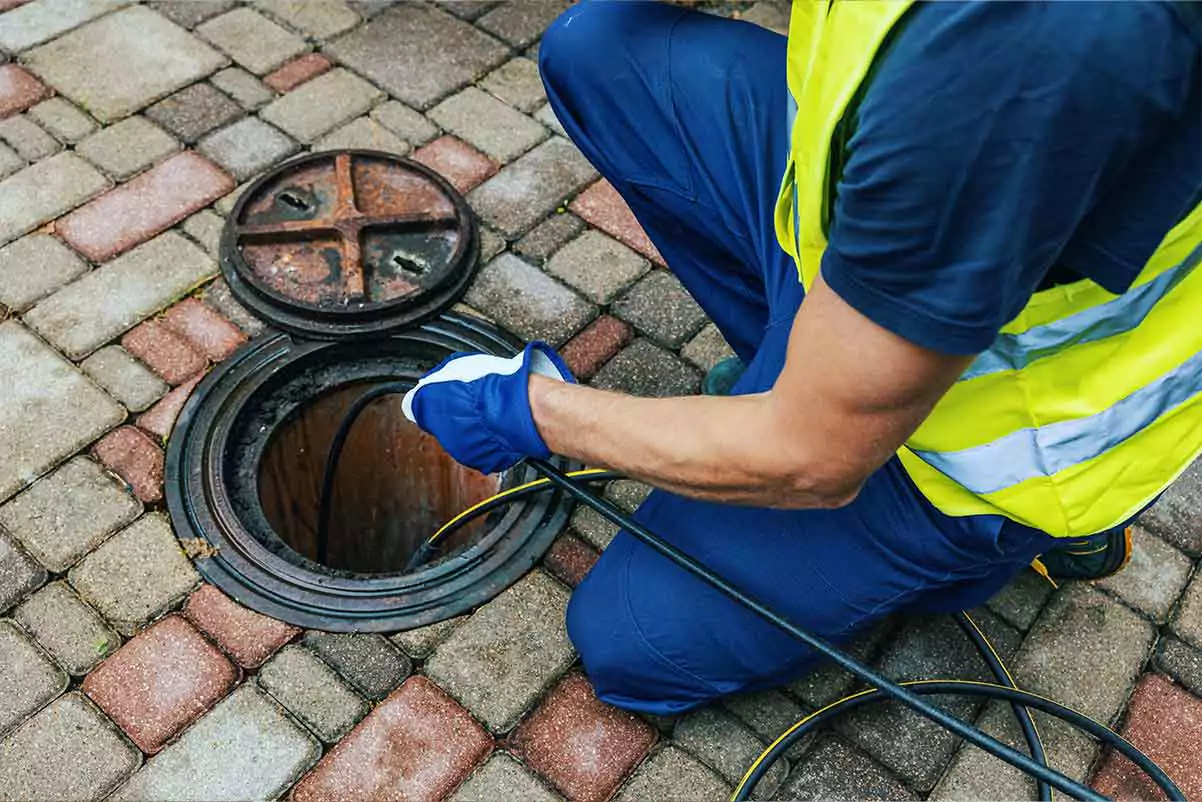
Credit: www.mrrooter.com
Frequently Asked Questions
What Causes A Main Sewer Line Clog?
Tree roots, grease buildup, and debris often cause main sewer line clogs. Old pipes and heavy rain can also contribute to blockages. These issues slow down or stop wastewater flow.
How Do I Know If My Main Sewer Line Is Clogged?
Slow drains, bad smells, and water backup in toilets or sinks signal a clog. Gurgling sounds from drains also indicate a problem. Early signs help prevent bigger damage.
Can I Clear A Main Sewer Line Clog Myself?
Small clogs might be cleared with a plunger or drain snake. Large or deep clogs usually need professional tools and expertise. Safety first—avoid using harsh chemicals.
What Tools Do I Need To Clear A Sewer Line Clog?
A heavy-duty drain snake or auger works best for main sewer clogs. A plunger can help with minor blockages. Protective gloves and safety glasses are also important.
How Long Does It Take To Clear A Main Sewer Line Clog?
Clearing time varies depending on clog size and method used. Simple clogs might take 30 minutes; tough ones can take hours. Professionals can give a better estimate after inspection.
When Should I Call A Professional Plumber For A Sewer Clog?
Call a plumber if clogs persist or cause sewage backup in your home. Professionals have special tools to clear tough blockages safely. Early help reduces damage and repair costs.
How Can I Prevent Future Main Sewer Line Clogs?
Avoid flushing grease, wipes, and non-flushable items down drains. Regular sewer line inspections catch problems early. Plant trees away from sewer lines to prevent root damage.
Conclusion
Clearing a main sewer line clog takes patience and the right tools. Start with simple methods like a plunger or drain snake. If the clog stays, consider calling a professional. Keep your drains clean to avoid future blockages. Small steps now can save big problems later.
Stay calm and act quickly for the best results. Your home’s plumbing will thank you.