
Your kitchen knives are essential tools, but they can also be dangerous if not stored properly. You might worry about kids grabbing them or accidentally cutting yourself while reaching for something else.
Knowing how to lock up your kitchen knives safely gives you peace of mind and keeps your home secure. You’ll discover simple, effective ways to protect your family and organize your kitchen at the same time. Keep reading to learn easy tips that anyone can use right away.
Choosing Safe Storage Options
Choosing the right storage for kitchen knives keeps your kitchen safe and organized. Proper storage prevents accidents and protects knife blades. It also makes knives easy to find and use. This section discusses common storage options and their safety features.
Magnetic Strips Vs Knife Blocks
Magnetic strips hold knives on the wall. They save counter space and keep knives visible. Strong magnets stop knives from falling. Still, strips need careful placement out of children’s reach. Knife blocks store knives upright. They protect blade edges and keep knives hidden. Some blocks have slots for different knife sizes. Blocks stay on the countertop and are easy to access.
Drawer Inserts And Knife Trays
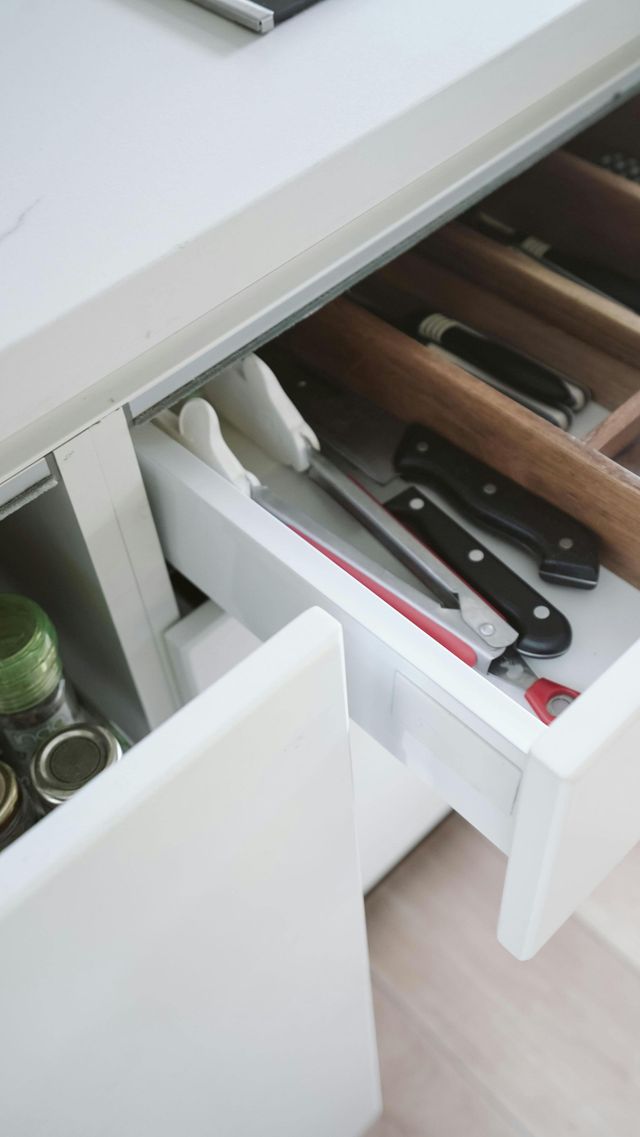
Drawer inserts lay knives flat inside drawers. They keep knives separated to avoid dulling. Knife trays often have cushioned slots for safety. These inserts prevent knives from sliding around. Drawers must be childproof to keep knives safe. This option hides knives from view and clears counter space.
Lockable Knife Cases
Lockable knife cases secure knives with a key or code. They are ideal for homes with children or shared kitchens. Cases keep knives out of reach and protect blades during storage. They come in hard or soft designs for portability. Lockable cases add an extra safety layer to knife storage.

Credit: www.amazon.com
Securing Knives Away From Children
Keeping kitchen knives out of children’s reach is crucial for home safety. Sharp knives can cause serious injuries. Parents must take clear steps to secure knives in the kitchen. This keeps curious little hands safe and prevents accidents.
Securing knives is not just about locking them away. It includes smart storage choices and teaching kids about dangers. A safe kitchen means peace of mind for families.
Childproof Locks And Cabinets
Childproof locks on cabinets are very effective. These locks stop children from opening drawers or doors with knives inside. Many types are easy for adults to use but hard for kids. Magnetic locks and sliding locks are common options. Install these locks on all cabinets where knives are stored.
High Placement And Out-of-reach Storage
Store knives in high cabinets or shelves. Make sure kids cannot reach or climb to get them. Avoid leaving knives on countertops or in drawers without locks. Use wall-mounted knife holders placed well above children’s reach. High placement lowers the risk of accidents.
Educating Kids About Knife Safety
Teaching children about knife dangers helps them understand safety. Explain that knives are tools, not toys. Show them how knives can hurt if not used carefully. Set clear rules about when and how to use knives. Early education builds respect and caution around sharp objects.
Proper Knife Maintenance For Safety
Proper knife maintenance plays a key role in kitchen safety. Well-maintained knives reduce accidents and last longer. Keeping knives clean, sharp, and stored correctly protects you and your tools.
Cleaning And Drying Knives Correctly
Clean knives right after use to stop food buildup. Use warm water and mild soap. Avoid harsh scrubbing that can damage blades. Rinse thoroughly to remove all soap. Dry knives immediately with a soft cloth. Never leave knives wet or in water. Moisture causes rust and dulls the blade.
Regular Sharpening And Inspection
Sharp knives cut better and safer. Dull blades slip and cause injuries. Sharpen knives regularly using a whetstone or sharpening tool. Check for chips or cracks during sharpening. Replace knives with serious damage. Regular inspection keeps knives in good shape.
Avoiding Damage During Storage
Store knives safely to protect blades and fingers. Use a knife block or magnetic strip. Avoid tossing knives in drawers. Blades can get dull or nicked. Keep knives separate from other utensils. Proper storage keeps knives ready and safe to use.
Credit: www.directionbehavioralhealth.com
Diy Knife Storage Solutions
DIY knife storage solutions offer safe and practical ways to lock up kitchen knives. You can make your own storage using simple tools and materials. These options keep knives out of reach from children and protect blades from damage. Below are three easy ideas to try at home.
Creating Custom Magnetic Boards
Magnetic boards hold knives securely on a wall or inside a cabinet. Use strong magnets attached to a wooden board for safe storage. Space magnets evenly to fit different knife sizes. Mount the board at a height that children cannot reach. This method saves counter space and keeps knives visible and organized.
Building A Lockable Knife Drawer
A lockable drawer offers hidden storage for knives. Add a simple latch or lock to an existing kitchen drawer. Use foam or wooden inserts inside the drawer to hold knives firmly. This prevents blades from moving and causing accidents. Keep the lock key in a secure place, away from children.
Using Repurposed Materials Safely
Old boxes, jars, or wooden crates can turn into knife holders. Line containers with soft material to protect blades and fingers. Secure the container inside a cabinet or drawer with a lock or latch. Avoid sharp edges on repurposed items to prevent injury. This option is budget-friendly and eco-friendly.
Choosing The Right Knife For Your Needs
Choosing the right knife for your kitchen needs improves safety and cooking efficiency. Each knife serves a specific purpose. Using the correct knife makes food preparation easier and safer. This section helps you select and store knives properly.
Essential Knives For Every Kitchen
Start with a chef’s knife. It handles most chopping, slicing, and dicing tasks. A paring knife works well for peeling and small cuts. A serrated knife is best for bread and soft fruits. These three cover most kitchen jobs. Keep them sharp and clean for safe use.
Storing Specialty And High-end Knives
Specialty knives need careful storage to protect their blades. Use a knife block or magnetic strip to keep them secure. Avoid tossing knives into drawers; it dulls blades and causes accidents. High-end knives require extra care to maintain quality. Store them separately to prevent damage.
Replacing Worn Or Unsafe Knives
Knives with chips, cracks, or loose handles can be dangerous. Replace damaged knives quickly to avoid injury. Dull knives also cause accidents because they need more force. Check knives regularly and replace any that show wear. Safe knives make cooking safer and more enjoyable.
Safe Handling Tips During Use And Storage
Safe handling of kitchen knives is essential to prevent injuries and keep your kitchen organized. Proper use and storage protect you and your family from accidents. This section shares simple tips to handle knives carefully during use and storage.
Transporting Knives Securely
Always use a knife sheath or blade cover when moving knives. Keep knives in a sturdy container or knife roll. Hold the knife by the handle, pointing the blade down. Avoid carrying knives loosely in bags or pockets. These steps reduce risks of cuts and damage to the blade.
Avoiding Common Handling Mistakes
Never catch a falling knife. Step back and let it fall. Use a cutting board to keep knives stable. Keep fingers away from the blade while cutting. Do not use knives for tasks like opening cans or prying lids. These mistakes often cause injuries or damage the knife.
Emergency Measures For Knife Injuries
Stop the bleeding by applying pressure with a clean cloth. Clean the wound gently with water. Cover the cut with a sterile bandage. Seek medical help for deep cuts or heavy bleeding. Keep calm and do not panic. Quick action helps prevent infection and serious problems.

Credit: knifelock.com
Frequently Asked Questions
How Can I Safely Store Kitchen Knives At Home?
Store kitchen knives in a knife block, magnetic strip, or drawer insert. These options prevent accidents and keep knives organized and accessible.
What Is The Best Way To Lock Up Kitchen Knives?
Use a lockable knife case or drawer with a childproof lock. This ensures knives are secure and reduces the risk of injury.
Why Should Kitchen Knives Be Locked Away?
Locking knives prevents accidents, especially in homes with children. It also protects expensive blades from damage and unauthorized use.
Can I Use A Magnetic Strip To Secure Knives Safely?
Magnetic strips hold knives securely but are not lockable. For safety, combine with childproof measures or use a lockable knife storage option.
Conclusion
Keeping kitchen knives locked up protects everyone in your home. It stops accidents before they happen. Choose a safe storage option that fits your space and needs. Make sure kids cannot reach the knives. Regularly check that locks and holders work well.
Safe knife storage brings peace of mind in the kitchen. A simple step that keeps your family safe every day.