
Have you ever finished cooking and wondered what to do with all that leftover grease in your pan? Draining grease the right way isn’t just about keeping your kitchen clean—it can also protect your plumbing and make your next meal healthier.
If you’ve struggled with messy spills or clogged drains, this guide will show you easy, safe steps to drain grease from your pan like a pro. Keep reading to learn simple tips that save you time and hassle every time you cook.
Why Drain Grease Matters
Draining grease from your pan is an important step after cooking. It helps keep your kitchen clean and safe. Grease left in the pan can cause problems for your health, home, and the environment. Understanding why draining grease matters can help you develop better cooking habits.
Health Risks Of Leftover Grease
Leftover grease can grow harmful bacteria fast. These bacteria can cause food poisoning. Grease also attracts pests like flies and rodents. Eating food cooked in old grease may cause stomach problems. Cleaning grease away helps keep your food safe to eat.
Preventing Kitchen Clogs
Pouring grease down the drain clogs pipes quickly. Grease hardens inside pipes, blocking water flow. This leads to slow drains and bad smells. Clogged pipes can cause water damage in your home. Draining grease properly stops these costly problems.
Environmental Impact
Grease in the drain harms the environment. It pollutes water and harms aquatic life. Sewage systems can overflow, spreading pollution. Proper grease disposal protects local waterways. It helps keep the environment clean and safe for everyone.
Tools You’ll Need
Draining grease from a pan is easier with the right tools. These tools help you handle hot grease safely. They also keep your kitchen clean and prevent spills. Using the proper equipment saves time and effort.
Essential Kitchen Equipment
A heat-resistant strainer or colander catches food bits. A large spoon or spatula helps guide the grease. Oven mitts protect your hands from burns. A sturdy pan or pot collects the drained grease.
Safe Containers For Grease
Use containers that can handle hot liquids. Glass jars with lids work well. Metal cans with tight covers are good too. Avoid plastic containers that can melt or warp.
Optional Accessories
A funnel makes pouring grease easier and less messy. Paper towels or cheesecloth filter out small food particles. A silicone mat protects your countertop from drips. These extras help keep the process clean and smooth.
Simple Methods To Drain Grease
Draining grease from a pan is a simple task that helps keep your food healthy and your kitchen clean. Grease can make dishes oily and heavy. Removing it improves taste and texture. There are easy ways to do this, even without special tools. Below are some simple methods anyone can try.
Using A Ladle Or Spoon
One of the easiest ways to drain grease is with a ladle or spoon. Tilt the pan slightly to gather the grease in one area. Carefully scoop the grease with the ladle or spoon. Pour it into a heat-safe container. This method works well for small amounts of grease. It gives you control and reduces mess.
Pouring Through A Strainer
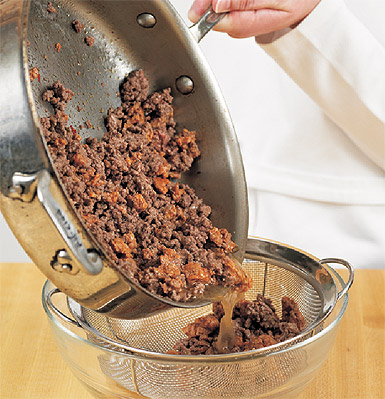
Pouring grease through a strainer helps separate fat from juices. Place a fine mesh strainer over a bowl or jar. Slowly pour the pan’s contents into the strainer. The grease will flow through while solids stay behind. This method works well for soups, stews, or sauces. It’s fast and keeps grease out of your food.
Utilizing A Grease Separator
A grease separator is a special container designed for draining fat. It looks like a measuring cup with a spout near the bottom. Pour the pan’s contents into the separator. The grease rises to the top. Pour from the spout to release the liquid below. This tool makes draining grease neat and easy. It’s perfect for cooking larger meals.
Cooling And Solidifying Grease
Cooling and solidifying grease is an important step after cooking. It makes handling grease safer and cleaner. Hot grease can cause burns and spills. Letting it cool stops accidents and helps with disposal.
Once grease cools, it changes from liquid to solid. This change makes it easier to remove from the pan. Solid grease does not drip or make a mess. It also reduces the risk of clogging drains.
Why Cooling Helps
Cooling grease prevents burns and spills. Hot grease is slippery and dangerous. When it cools, it becomes thick and easy to handle. Cooling also stops grease from flowing into pipes. This protects your plumbing from blockages.
Storing Solidified Grease
Store solid grease in a heat-proof container. Use a jar or a sealed plastic container. Keep it in the fridge or freezer to keep it firm. Label the container for easy identification. This storage method keeps your kitchen clean and safe.
Disposal Tips
Do not pour grease down the sink. Solid grease is easier to throw away. Wrap the solid grease in paper or a plastic bag. Place it in the trash bin. Check local rules for grease disposal. Some areas have special collection services.
Cleaning The Pan After Draining
Cleaning the pan after draining grease is important to keep it in good shape. Grease can stick to the surface and cause stains or bad smells. Proper cleaning helps remove leftover grease and prepares the pan for the next use. It also protects the pan from damage and keeps your kitchen safe and tidy.
Best Cleaning Agents
Use dish soap designed to cut grease. It breaks down oily residue easily. Warm water helps the soap work better. Baking soda is a good natural cleaner for tough spots. White vinegar removes odors and grease stains. Avoid harsh chemicals that can damage the pan’s surface.
Removing Stubborn Grease Residue
Soak the pan in warm soapy water for at least 15 minutes. Use a soft sponge or cloth to scrub the residue gently. For sticky grease, sprinkle baking soda and scrub again. Avoid metal scrubbers that can scratch the pan. Rinse thoroughly to remove all cleaning agents.
Maintaining Pan Condition
Dry the pan completely after washing. Moisture can cause rust or damage. Apply a small amount of oil to pans with non-stick or cast iron surfaces. Store the pan in a dry place away from direct sunlight. Regular cleaning and care extend the life of your pan.
Credit: www.cuisineathome.com
Grease Disposal Do’s And Don’ts
Proper grease disposal is important for your home and the environment. Grease can clog pipes and harm water systems if disposed of carelessly. Knowing the right methods helps keep your plumbing safe and reduces pollution. Follow these simple do’s and don’ts for handling grease after cooking.
Safe Disposal Methods
Let the grease cool and harden before handling. Scrape it into a container with a lid, like an old jar or a can. Seal the container tightly to avoid leaks or smells. Throw this container in the trash bin. This method keeps grease out of your drains and sewer system.
Avoiding Drain Pouring
Never pour grease directly down the sink or toilet. It solidifies in pipes and causes blockages. These blockages can lead to costly plumbing repairs. Pouring grease down drains also pollutes local water supplies. Protect your home and community by keeping grease out of drains.
Recycling And Reusing Grease
Grease can be reused for cooking if strained carefully. Use a fine mesh to remove food bits before storing. Keep it in a clean container and refrigerate. Some recycling centers accept cooking grease for conversion into biofuel. Check local options to recycle grease instead of throwing it away.
Preventing Excess Grease Build-up
Preventing excess grease build-up in your pan keeps cooking safer and cleanup easier. Grease can burn and create unpleasant flavors. It also makes pans harder to clean over time. Simple habits can reduce grease and keep your kitchen tidy.
Cooking Tips To Reduce Grease
Use less oil while cooking. Start with a small amount and add more if needed. Drain fatty meats before cooking to remove extra fat. Cook foods at medium heat to avoid burning grease. Skim off grease during cooking to keep the pan cleaner.
Using Non-stick Cookware
Non-stick pans require less oil for cooking. Food slides easily, reducing the need for extra grease. These pans are easier to clean and maintain. Avoid metal utensils to protect the non-stick surface. Replace pans if the coating starts to peel or chip.
Regular Kitchen Maintenance
Clean pans immediately after use to prevent grease build-up. Use warm water and mild soap for best results. Wipe down stovetops and counters daily to remove grease splatters. Empty grease traps or containers regularly. Keep kitchen tools and surfaces dry to avoid grease sticking.
Credit: pellet-stove-parts-4less.com

Credit: ambassadoradvertising.com
Frequently Asked Questions
How Do I Safely Drain Grease From A Hot Pan?
Let the pan cool slightly to avoid burns. Pour grease slowly into a heat-proof container. Never pour grease down the sink.
What Is The Best Way To Store Drained Grease?
Use a clean, sealed container like a jar or can. Store it in the fridge or freezer. This keeps grease fresh for later use.
Can I Reuse Drained Grease For Cooking?
Yes, strained grease can be reused for frying or flavoring. Make sure to remove food bits first. Use within a week for safety.
How Do I Dispose Of Grease Without Harming Pipes?
Never pour grease down drains or toilets. Let grease solidify and throw it in the trash. Use grease collection programs if available.
What Tools Help Drain Grease From A Pan?
A heat-proof container, a strainer, and a spoon are useful. Pour carefully to avoid spills. Strainers remove food particles from the grease.
Why Should I Not Pour Grease Down The Sink?
Grease can clog pipes and cause plumbing problems. It hardens and blocks drains over time. Proper disposal prevents costly repairs.
How Long Can Drained Grease Be Stored Safely?
Grease can last up to one month in the fridge. For longer storage, freeze it in airtight containers. Always check for bad smells before use.
Conclusion
Draining grease from a pan keeps your cooking healthy and clean. It also helps avoid clogs in your sink. Use a simple strainer or pour carefully to catch the grease. Let the pan cool before handling to stay safe. Pour grease into a container for easy disposal later.
These small steps save time and mess. Keeping your kitchen tidy becomes easier with good habits. Try these tips next time you cook with oil or fat. Your pans and sink will thank you.