
Are you tired of clogged toilets and messy plumbing? It’s a common problem, and many parents wonder if baby wipes are safe to flush.
The short answer is: most are not. But what if you need to get rid of them quickly? This article will guide you through the surprising truth about dissolving baby wipes in your toilet and the best, safest methods to avoid costly plumbing nightmares.
Keep reading to protect your pipes and your peace of mind.
The Flushable Myth
The term “flushable” on baby wipes is misleading. Many wipes claim this. They do not break down easily. This causes serious plumbing problems. It’s a common misconception. You might be surprised.
What Does “flushable” Really Mean?
“Flushable” is a marketing term. It does not mean safe for pipes. Wipes are often made of plastic. They do not disintegrate in water. They stay intact for a long time. This is a big issue.
Why Are “flushable” Wipes A Problem?
These wipes clog your pipes. They stick together. They form large clumps. This happens in your sewer lines. It can cause backups. Your home can flood. This is an expensive mess. It damages your plumbing system.
The Truth About Baby Wipe Ingredients
Most baby wipes contain polyester. Some have polypropylene. These are plastics. They do not break down. They are not like toilet paper. Toilet paper dissolves quickly. Wipes do not dissolve at all.
Consequences For Your Plumbing System
Clogs are common. They happen often. Septic systems suffer too. Wipes can ruin your septic tank. This requires costly repairs. It is a big headache. Avoid flushing any wipes.
Why Wipes Clog Pipes
Baby wipes do not dissolve. They are designed to be strong. This strength causes many plumbing problems. They are a common cause of clogs. Understanding this helps prevent issues.
The Material Matters
Baby wipes use synthetic fibers. These fibers do not break down. They are made from plastic. They do not disintegrate like toilet paper. This is their main problem.
They Stick Together
Wipes are durable. They hold their shape well. This durability causes them to clump. They form dense masses in pipes. These clumps block water flow. They create serious blockages.
The Flush Is Deceiving
Flushing seems easy. The water washes them away. This is not true. They travel further down pipes. They get caught on bends. They snag on rough pipe surfaces. They accumulate over time. This builds up blockages.
Damage To Systems
Clogged pipes cause backups. Sewage can overflow. This is unsanitary. It can damage your home. Plumbing repairs are expensive. Preventative measures are best. Do not flush baby wipes.
What Happens When Wipes Clog
Flushing baby wipes causes many problems. They do not break down like toilet paper. This creates serious issues for your home. It also impacts the wider community.
Plumbing Nightmares
Baby wipes are not flushable. They stick together in pipes. This forms stubborn clogs. Your toilet can overflow. This is a messy situation. You might face expensive repairs. Plumbers charge a lot for this work. Avoid this hassle. Keep wipes out of the toilet.
Sewer System Strain
Your home’s plumbing connects to the sewer. Wipes travel to the main sewer lines. They can clog these large pipes too. This affects many homes. Sewage can back up into streets. It can flood basements. Repairing sewer lines is very costly. It takes a long time. This impacts everyone in the area. Think before you flush.
Environmental Impact
Wipes harm our planet. They do not decompose quickly. They end up in landfills. Some wipes pollute waterways. They harm aquatic life. Microplastics are a concern. These tiny plastic pieces enter the food chain. Responsible disposal is crucial. Use a trash can for wipes. Protect the environment. It is our shared responsibility.
Identifying Truly Flushable Wipes
Choosing the right baby wipes matters. Not all wipes break down. Some clog pipes. Identifying truly flushable wipes is important. This prevents plumbing problems. It protects your septic system. Look for specific labels. Read product descriptions carefully. This section helps you choose wisely.
Understanding “flushable” Claims
The word “flushable” can mislead. Many wipes claim this. Few actually meet standards. True flushable wipes disintegrate. They break apart quickly. This happens after flushing. Non-flushable wipes do not. They stay intact longer. This causes blockages.
What To Look For On Packaging
Check the wipe packaging. Look for specific symbols. A sewer-safe symbol helps. It shows the wipe breaks down. Independent testing is a good sign. Look for certifications too. These confirm flushability claims. Avoid wipes without clear labels.
Testing Flushability At Home
You can test wipes yourself. Use a clear jar. Fill it with water. Add a single wipe. Wait for a few minutes. Stir the water gently. See if the wipe breaks apart. Truly flushable wipes will. They should become stringy bits. They will not remain a sheet. This simple test is useful.
The Dissolving Process
Flushing baby wipes can cause clogs. Proper disposal is key. Learn how to dissolve them safely before flushing.
Dissolving baby wipes is crucial. It prevents plumbing problems. Understanding how they break down helps greatly. This knowledge keeps your pipes clear.What ‘dissolvable’ Really Means
Dissolvable means they break apart. They do not disappear completely. They fragment into smaller pieces. These pieces then mix with water. This allows them to pass through pipes. True dissolvability is key. Not all wipes are made equal. Some claim to dissolve. They might just shred. This can still cause clogs. Look for specific labels.Time And Water Factors
Time is a big factor. Wipes need time to break down. Water is also essential. Plenty of water helps the process. A small amount of water is not enough. The wipes soak up water. This makes them softer. They start to fall apart. This takes some patience. Flushing immediately is a mistake. Let the water do its work. The longer they sit, the better. This is especially true for thicker wipes.
Credit: dhti.vn
Safe Flushing Practices
Safe flushing practices protect your plumbing. They also help the environment. Understand what goes down the drain. This prevents costly clogs. It keeps our water systems working. Follow these simple guidelines.
The ‘one Wipe’ Rule
Only flush one wipe. This is a strict rule. Baby wipes do not dissolve. They can clump together. One wipe is less risky. It has a better chance. Follow this rule always.
Water Flow Matters
Flush with plenty of water. Turn the handle all the way. A strong water flow helps. It pushes things through. Weak flushes cause problems. They leave waste behind. Ensure good water pressure.
When In Doubt, Throw It Out
Unsure about flushing? Do not flush it. Trash cans are safe. Wipes belong in the trash. This is the best option. Protect your pipes. Protect the sewer system. When in doubt, throw it out.
Alternatives To Flushing
Flushing baby wipes can clog pipes. Some wipes dissolve in water. They offer an alternative to traditional flushing. Look for “flushable” labels carefully.
When you need to dispose of baby wipes, flushing is not the best choice. Many wipes do not break down. They clog pipes. They damage plumbing systems. They harm wastewater treatment plants. Fortunately, there are better ways. You can protect your home and the environment. Try these simple alternatives.The Trash Can Is Your Friend
Your trash can is a great option. It is the easiest way. Simply toss used wipes into the bin. This prevents them from entering your plumbing. It keeps your pipes clear. It avoids costly repairs. Make sure your trash can has a lid. This helps contain odors. Empty it regularly.Compostable Wipe Options
Some wipes are compostable. These are a greener choice. They break down naturally. Check the product packaging carefully. Look for “compostable” labels. You can add these to your compost bin. This enriches your garden soil. It reduces landfill waste. Always follow composting guidelines. Not all wipes are suitable.Consider Reusable Cloth Wipes
Reusable cloth wipes are another idea. They are very eco-friendly. Wash them after each use. This saves money long term. It greatly reduces waste. They are soft on baby’s skin. Many parents love this method. It is a sustainable solution.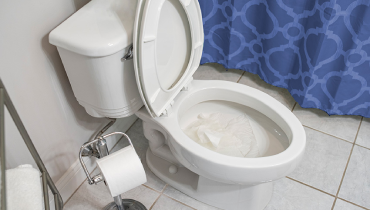
Credit: www.mrrooter.ca
Educating Your Household
Educating your household is crucial. It prevents plumbing problems. Everyone needs to know the rules. This avoids costly repairs. It keeps your pipes clear.
Understanding The “do Not Flush” Rule
Baby wipes are not toilet paper. They do not break down easily. Flushing them causes clogs. This is a simple rule. Teach everyone this rule.
Explaining The Consequences
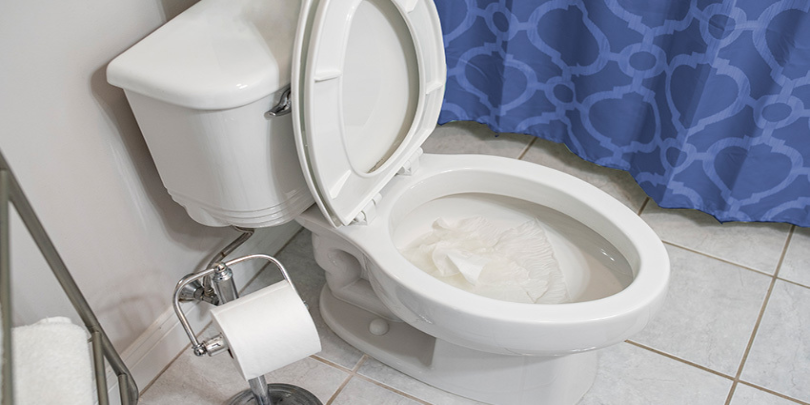
Clogged pipes are messy. They can cause sewage backups. This is very unpleasant. It costs money to fix. Explain this clearly. Show them pictures if needed. Make it real for them.
Establishing A Disposal System
Have a trash can nearby. Place it right next to the toilet. This makes disposal easy. Teach them to use the trash can. Make it a habit. Consistency is key here. Train the little ones too.
Reinforcing The Message Regularly
Remind everyone often. Do not assume they remember. A quick check helps. Ask them about the rules. Keep the message fresh. Make it a family effort. Everyone plays their part.
Credit: www.mrrooter.ca
Frequently Asked Questions
Can Baby Wipes Dissolve In The Toilet?
No, most baby wipes do not dissolve. They are made of plastic fibers. These fibers do not break down easily in water.
What Happens If I Flush Baby Wipes?
Flushing baby wipes can clog your pipes. They can also harm your septic system. This can lead to costly repairs.
Are Flushable Baby Wipes Safe To Flush?
“Flushable” wipes often cause problems. They may not break down fast enough. It is safer not to flush any wipes.
What Should I Do Instead Of Flushing Wipes?
Throw used baby wipes in the trash. This is the safest option for your plumbing. It protects your home’s drainage system.
Do Baby Wipes Harm Septic Systems?
Yes, baby wipes can damage septic tanks. They do not break down like toilet paper. This can lead to blockages and failures.
Which Wipes Can Dissolve In Water?
Only toilet paper dissolves in water. No baby wipes are truly safe to flush. Always dispose of wipes in a bin.
How Can I Avoid Plumbing Clogs?
Never flush anything but toilet paper. This simple rule prevents many issues. Keep your pipes clear and clean.
Conclusion
Proper disposal matters greatly. Avoid flushing baby wipes. They do not break down. This causes serious plumbing issues. Clogs are a real problem. Keep wipes out of your toilet. Trash them instead. Your pipes will thank you. Simple steps prevent big headaches.