
The best way to defend in foosball is to keep your defensive line tight and use the goalie rod to block shots while letting your midfield control the ball. You need two players on the goal line and three or four in the middle to cover passing lanes. This method works best for beginners who want to stop opponents from scoring easily without needing complex tricks. It relies on positioning rather than speed, making it a reliable strategy for any table.
Tools you need to block shots
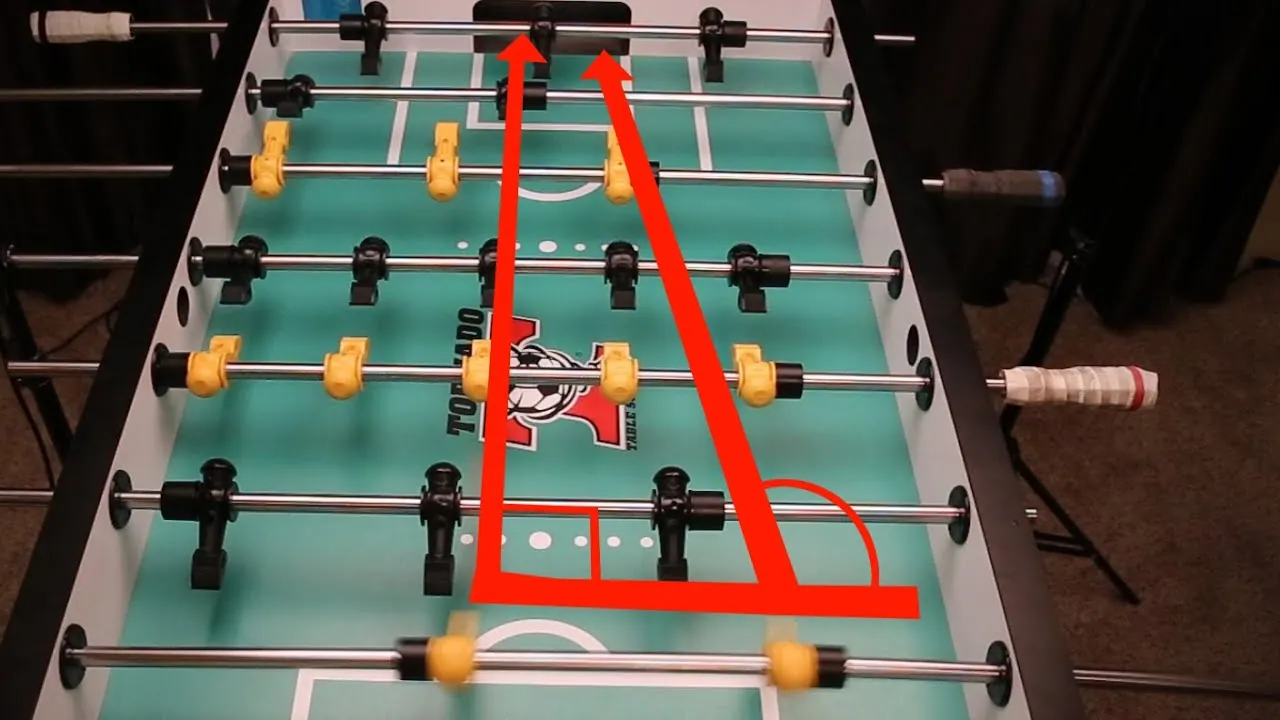
You don’t need fancy gear to build a solid wall at the back of the table. Most standard tables come with everything you require, but knowing how to hold them makes all the difference. Here is what you must have ready before you start playing.
- A sturdy foosball table: Ensure the rods move smoothly without sticking. A wobbly frame throws off your aim and makes blocking nearly impossible.
- Two defensive rods: These are usually the 1-2-5 or 1-3-2 formations closest to your end. You’ll spend most of your time here.
- One goalie rod: This single player sits right in front of the net. It’s your last line of defense against hard shots.
- Midfield rods: These help intercept passes before they reach your defenders. They act as a shield between the opponent’s attack and your goal.
- Your hands: Keep your grip loose but firm. Tight hands cause jerky movements that miss the ball.
You can swap a broken rod if it jams, but you can’t fix a warped table surface by adjusting your grip. If the wood is bent, no amount of skill will make the ball roll true. Check the manufacturer’s guide for replacement parts if your equipment fails.
Step-by-step blocking guide
Defending requires patience and precise movement. You aren’t trying to win the ball immediately; you’re trying to force the opponent into a bad pass or a weak shot. Follow these steps to build an impenetrable barrier.
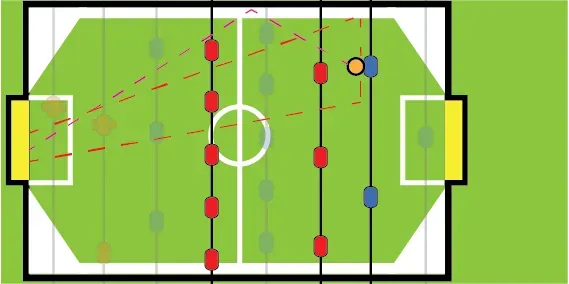
- Position your defenders early. Move your two back players to cover the left and right corners of the goal. Leave the center open for your goalie. This setup forces shots wide where they’re easier to block. Do this every time the opponent has possession.
- Use the goalie to block low shots. Rotate the goalie rod just enough to cover the bottom corners. Keep him centered but ready to dive left or right. A common mistake is leaving the goalie static; he must react to the shot direction instantly. Careful: Don’t over-rotate him, or you’ll leave the top corner exposed.
- Intercept passes with midfielders. Use your three or four midfield players to cut off direct passes to the opponent’s wings. Slide them horizontally to close gaps. If the opponent tries to shoot from distance, step your midfielders back to protect the space behind them.
- Clear the ball quickly. Once you gain possession, don’t dwell in your own half. Pass forward immediately to relieve pressure. A quick long pass to your striker is safer than a short, risky dribble. Hesitation here gives the opponent time to reset their attack.
- Control the tempo. Slow down the game when you’re defending well. Let the opponent get frustrated. A steady, rhythmic defense wears down aggressive attackers. Wait for them to make a reckless move. Tip: Listen for the sound of the ball hitting the side walls; it tells you where the play is heading.
- Recover after a save. If the goalie blocks a shot, the ball might rebound. Be ready to kick it away or pass it out. Never assume the danger is past until the ball leaves your zone. Stay alert for counter-attacks.
- Communicate with your partner. If you’re playing doubles, talk to your teammate. Call out “left” or “right” so they know where to shift. Silence leads to gaps in the defense that skilled opponents exploit.
If you’re using a tournament-grade table with heavier balls, allow about ten percent more reaction time. The extra weight changes the momentum significantly compared to lighter plastic balls.
How it changes with the situation
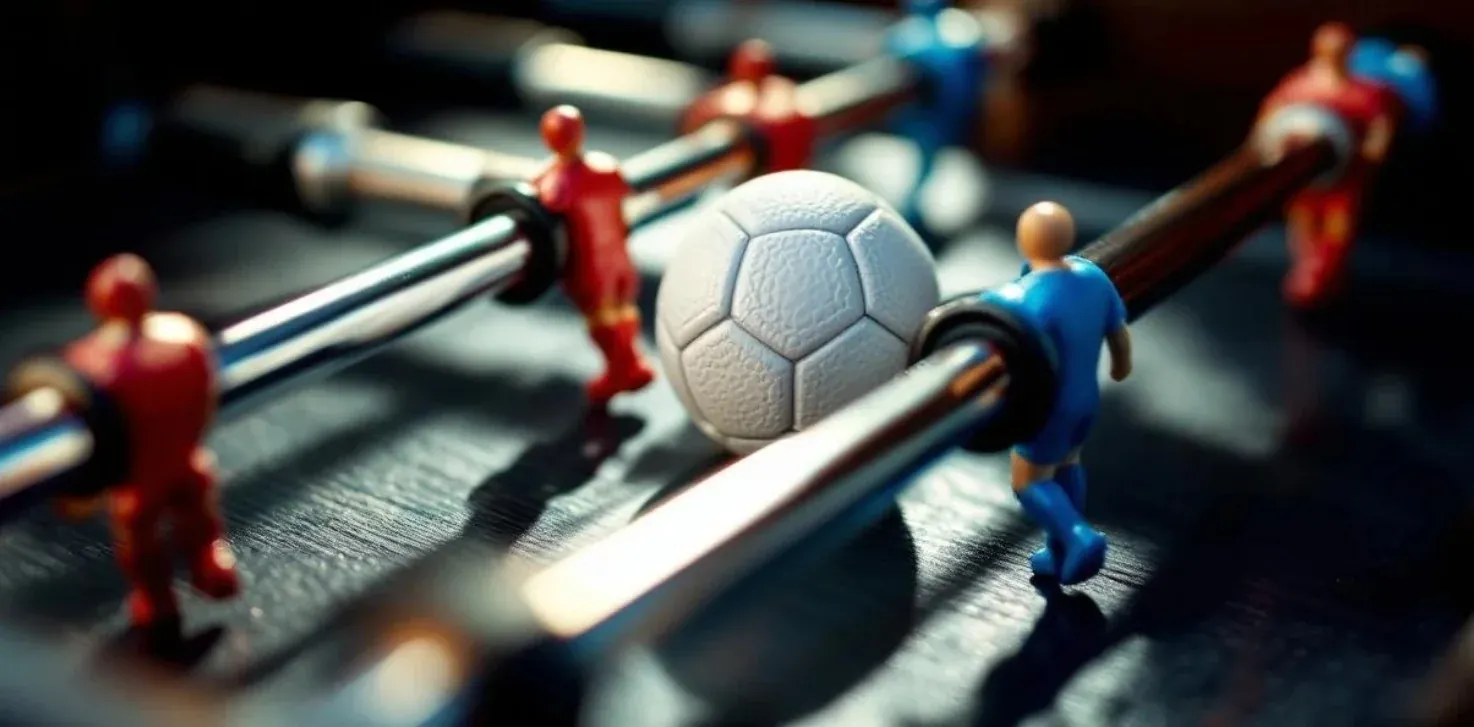
Your defense needs to adapt based on the opponent’s style and the table conditions. What works against a passive player might fail against an aggressive shooter. Here is how your approach shifts in different scenarios.
| Situation | Time/Cost Impact | Key Difference | What to Watch For |
|---|---|---|---|
| Aggressive Shooter | High effort | Focus on goalie coverage | Fast shots aimed at corners |
| Passive Passer | Low effort | Focus on interception | Slow buildup plays |
| Wet Table Surface | Medium effort | Reduced friction | Ball slides unpredictably |
| Tournament Balls | Higher effort | Heavier momentum | Harder to stop mid-air |
Starting small helps you adjust gradually. It’s safer to begin with a tight formation and widen it only if the opponent struggles to find space. Overshooting your defensive width too early leaves gaps that are easy to exploit.
How to tell you did it right
A good defense looks calm under pressure. You should feel in control even when the opponent is attacking fast. Poor defense feels chaotic, with players constantly chasing the ball and missing simple blocks.
When your defense is working, the opponent takes fewer shots. Their passes become rushed and inaccurate because they can’t find open spaces. You see fewer goals conceded per minute. This happens because you have closed the passing lanes effectively.
To prevent poor defense, keep your rods parallel to the goal line. Avoid crossing them, which creates holes. Also, maintain eye contact with the ball, not just the opponent’s rods. Watching the ball lets you predict its path better than watching the player alone.
Check your positioning after every turnover. If you’re still moving forward while the attack shifts left, you’re out of sync. Stop immediately. Reset your stance before reacting again. Momentum works against you here. Stillness allows for precise intervention.
Test this by playing one hand on the rod only. If you can block a direct shot without looking at your own player, your timing is correct. If you miss, you’re waiting too long. Anticipate the strike, don’t react to it. The best defenders never swing their rods wildly. They make small, calculated adjustments that disrupt the opponent’s rhythm.
The rules, and what to do afterwards
The rule against touching the table surface isn’t just a suggestion; it’s a strict boundary that defines fair play. If your hand brushes the wood, you concede an immediate penalty kick to the opponent. This applies equally to the rods.
You can’t hold the opposing player’s rod steady while shooting. Doing so disrupts their control and results in a foul. Many casual players assume that holding the rod prevents accidental goals. This assumption costs them games. The referee will call a foul regardless of intent.
After the match, wipe down the playing field with a dry cloth. Sweat contains salts that corrode metal rods over time. Dust accumulates quickly and affects ball movement. Store the rods in their neutral positions. This prevents the plastic figures from warping under tension. Regular maintenance ensures smooth play for years. Tournament standards change periodically. Ignoring these updates leads to disputes during competition.
Other ways to block
All-Out Attack Strategy
This approach demands high fitness levels. You must sustain intensity for ninety minutes without dropping off. Fatigue sets in quickly when you abandon defensive structure. Your team needs players who can recover rapidly after a sprint.
Consider the psychological toll on defenders. They face constant pressure with little support. One mistake leads directly to a goal. This risk is acceptable only if your attack scores two or more goals per game. Otherwise, you lose consistently.
Practice this shape in training first. Run through transitions from attack back to defense repeatedly. Players must know their roles instinctively. Hesitation costs points. If your squad lacks speed, stick to traditional methods. Don’t attempt this with slow midfielders.
Zone Defense Method
Assign each player a specific zone instead of sliding freely. This reduces confusion in doubles matches. It requires more communication but covers more ground. It’s less flexible but harder to break through systematically.
Marking zones works best against teams that rely on individual dribbling. It neutralizes star players by trapping them in tight spaces. However, it fails against teams with precise passing. Quick one-twos exploit gaps between zones.
Ensure your players understand spatial awareness. They must shift laterally as a unit. If one moves left, others follow immediately. Gaps open up otherwise. This method suits organized teams with good discipline. It’s less suitable for chaotic environments where quick adjustments are needed.
Counter-Attack Setup
Leave one midfielder forward while others defend. This allows immediate strikes upon winning the ball. It increases risk if you lose possession quickly. It rewards fast reflexes and accurate long passing skills.
This tactic relies on speed of transition. The forward player must stay close to the opposition’s defense. They wait for a turnover to sprint into space. If they stay too deep, the opportunity vanishes. Timing is everything here.
Your remaining players must win the ball cleanly. Loose tackles lead to easy goals for the opponent. Practice clearing the ball safely under pressure. Long passes must be accurate. Poor distribution wastes the advantage gained. Use this only if you have fast forwards and strong defenders.
Related guides
- Best Foosball Tables Under 500: Top 5 Picks in 2026
- Foosball Resources: Where to Find Tactics and Gear in 2026
- 5 Best Shop Vacs for Blowing Out Pool Lines: Expert Picks in 2026
Frequently asked questions
Can I use my hands to block the ball?
No, you can’t touch the ball with your hands. Only the rods may interact with the ball. Touching the ball directly results in a foul. Your opponent gets a free shot from the spot. Always use the players on the rods to control the game. This rule applies in all casual and tournament play.
Why does my goalie miss every shot?
Your goalie likely misses because you’re rotating him too slowly. Anticipate the shot direction before the opponent kicks. Practice reacting to fast shots in training mode. Keep his stance narrow to cover more width. Speed is more important than power for the goalie.
How long should I wait before clearing the ball?
Clear the ball within two seconds of gaining possession. Waiting longer gives the opponent time to reposition. Quick clears disrupt their offensive rhythm. Hesitation allows them to set up a strong attack. Aim for your striker or wing player immediately.
Is it safe to slam the rods?
Slamming rods damages the table mechanism over time. It also makes it harder to control fine movements. Gentle, controlled pushes yield better accuracy. Aggressive slamming often leads to missed blocks. Treat the equipment with care to extend its life.
What happens if I touch the table?
Touching the table is a serious foul. You concede a penalty kick to the opponent. In tournaments, repeated offenses may lead to disqualification. Keep your elbows off the edge. Rest your hands on your lap or the side rails safely.