
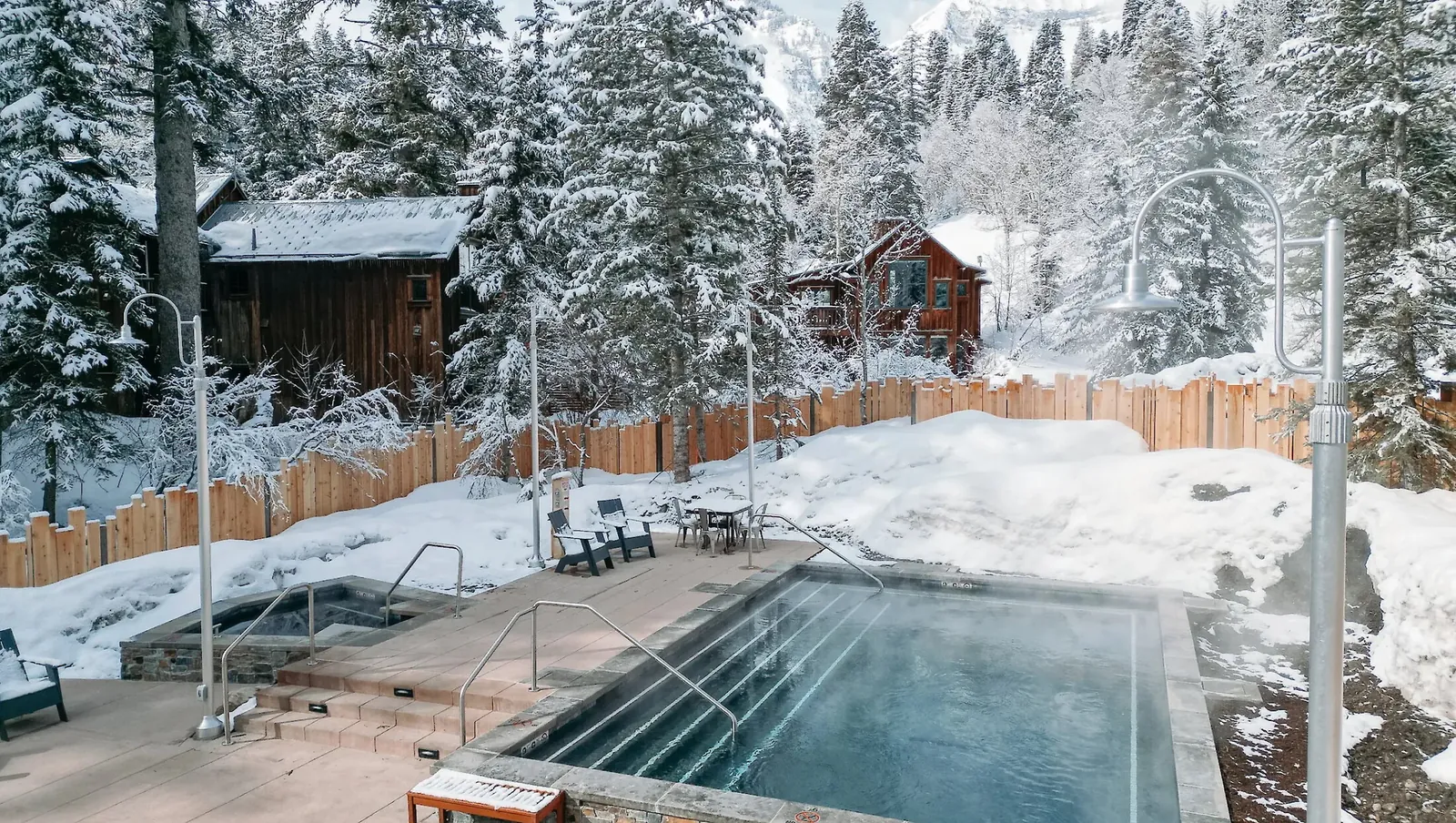
Hot Springs wins for most buyers because its FiberCor insulation keeps water hot using less power. The real choice in a hot springs vs sundance comparison comes down to your climate and budget. If you live somewhere that freezes hard every winter, Hot Springs holds heat longer. Sundance fits better when you want strong jets and don’t mind paying a bit more each month for electricity.
Hot Springs and Sundance spa differences

Both brands make solid acrylic spas, but they build them in different ways. Here’s how the main lines stack up against each other.
| Method | How long | Effort | Cost | Best for |
|---|---|---|---|---|
| Hot Springs (FiberCor) | 15–20 years | Low | Medium | Cold climates, low bills |
| Sundance (full foam) | 15–20 years | Low | Medium | Strong massage jets |
| Hot Springs (salt system) | 15–20 years | Low | High | Soft water lovers |
The “how long” figures assume you keep the cover sealed and balance the water weekly; check your owner’s manual for warranty terms by model. Effort is low across the board once it’s running, but setup takes a full day with an electrician.
Cost here means what you’ll spend over time, not just the sticker price. A salt system costs more upfront but saves money on bottled chemicals later. Full foam holds heat well in mild weather but doesn’t beat FiberCor when temperatures drop below freezing.
Sundance uses smart tech to track pumps and heaters from your phone. That’s great if you travel often. But the app won’t lower your heating bill the way thicker insulation does. Pick the row that matches your daily life, not the one with the fanciest features.
FiberCor insulation in Hot Springs tubs
Hot Springs wraps the shell in thick layers of woven fiber instead of spraying expanding foam. This traps air and slows heat loss without making future repairs a nightmare.
- Place the spa on a flat pad that holds at least 4,000 pounds when filled with water and people.
- Have a licensed electrician wire a dedicated 240-volt, 50-amp circuit to the control box.
- Fill the tub through the filter compartment until water covers all the jets completely.
- Turn on the breaker and set the digital panel to 100°F as your starting point.
- Let the heater run for 8 to 12 hours before getting in for the first soak.
This method works best if you live where winters are long and cold. The fiber layers hold warmth much better than spray foam when outside air drops below freezing. You’ll notice the heater clicks on less often, which keeps your monthly power bill lower.
The trade-off is simple: you save money on electricity, but the initial purchase price sits higher than basic foam-filled models. You’re paying for the insulation upfront rather than through your utility company every month.
If the shell ever cracks or a jet housing leaks, a technician can pull the fiber out, fix the pipe, and pack it back in. With foam, they’d have to carve through hardened plastic, which adds labor time and cost to the repair bill. Don’t attempt plumbing repairs yourself if you aren’t trained; call an authorized dealer to avoid voiding the warranty or causing electrical hazards.
Full foam and jets in Sundance spas
Sundance fills the cabinet cavity with dense expanding foam that locks pipes in place. This reduces vibration noise while the pumps push water through their patented jet nozzles.
- Set the empty spa on reinforced concrete or a rated deck that won’t shift under heavy weight.
- Connect a 240-volt line installed by a certified electrician following local building codes.
- Use a garden hose to fill the vessel past the highest jet ring inside the seating area.
- Power up the control panel and program the filtration cycles for two hours twice daily.
- Wait roughly 10 hours for the water to reach your chosen soaking temperature safely.
These spas shine when you want deep muscle relief after heavy workouts. The adjustable jets spin freely and direct water exactly where your shoulders or lower back need pressure.
You get targeted hydrotherapy that cheaper fixed nozzles simply can’t match. The foam also keeps pipes quiet, so you don’t hear rattling when the high-speed pump kicks on during a cycle.
The downside shows up on your energy statement in colder regions. Foam loses heat faster than layered fiber when outside temperatures stay near zero for weeks. You’ll run the heater more often to maintain a steady 102°F soak.
Sundance pairs this build with their SunSmart app, which tracks flow rates and heater status remotely. It alerts your phone if a pump stalls or the water gets too cold overnight. That remote access doesn’t change the physics of heat loss, but it stops small problems from becoming expensive repairs while you’re away.
Salt water systems for softer soaking
A salt water chlorinator turns dissolved salt into gentle sanitizer automatically. You skip adding harsh liquid chlorine every few days, and the water feels smoother on your skin.
- Dissolve about 2.5 pounds of pure sodium chloride per 100 gallons of fresh water.
- Install the salt cartridge into the filter housing according to the manufacturer’s diagram.
- Run the circulation pump continuously for the first 24 hours to mix everything evenly.
- Test the output level with strips, aiming for 1 to 3 parts per million.
- Wipe the cell plates clean every three months to prevent calcium buildup inside.
This route fits anyone who hates the smell of traditional pool chemicals. Your eyes won’t sting after a long evening soak, and towels come out of the wash smelling normal.
It works especially well if you use the spa daily and don’t want to measure liquid shock every night. The generator handles sanitation quietly in the background while you relax.
The catch is the replacement cartridge, which needs swapping every four to six months depending on usage. You can check exact replacement intervals and compatible salt types in the owner’s manual or on the Watkins Wellness website. Buying the cartridges adds a recurring expense that foam-only owners never face.
Skipping the salt option entirely leaves you with standard bromine or chlorine routines. That path is fine if you only soak once a week and don’t mind measuring chemicals manually.
Which hot tub brand fits your yard
When you’re rushing to get the tub running before a holiday gathering, go with Sundance and its SunSmart app. You can start heating the water from your car on the way home, so it’s ready when guests arrive. The remote monitoring removes the guesswork when you’re short on time.
If you’ve never owned a spa before, Hot Springs is the safer bet because its FiberCor insulation forgives mistakes like leaving the cover open a few minutes too long in winter, so you won’t panic over a sudden spike in your electric bill while learning to balance water chemistry.
When you want the absolute lowest operating cost over ten years in a freezing state, Hot Springs with the salt system wins. The combination of superior heat retention and fewer chemical purchases beats Sundance’s foam design on long-term math. You pay more on delivery day but save every single month afterward.
The trade-off here isn’t about quality, since both brands last decades with proper care. It’s about whether you value smart technology and jet performance over thermal efficiency and simpler maintenance. Sundance gives you gadgets and strong massage, while Hot Springs gives you warmth and lower bills.
Don’t buy a Sundance expecting it to outperform a Hot Springs in a Minnesota January. And don’t pick a Hot Springs if powerful, adjustable jets are the only thing that eases your back pain. Match the machine to your actual weather and body needs.
Setup rules for any acrylic spa
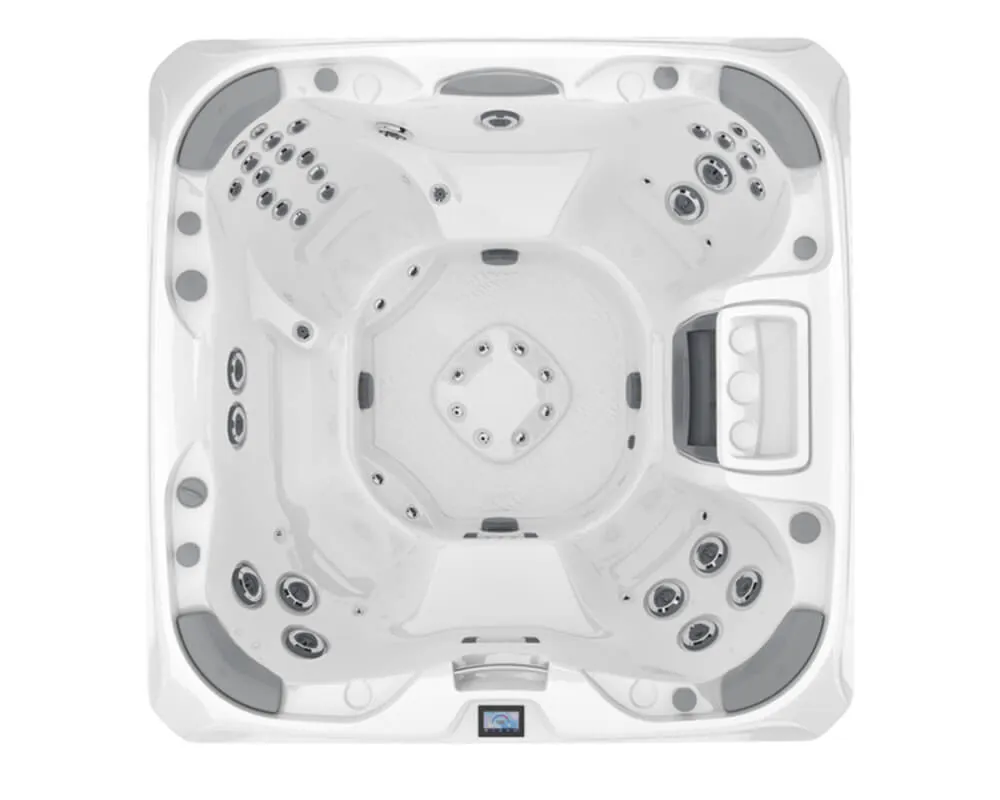
Every acrylic spa needs a base that supports 3,000 to 6,000 pounds without sinking. Poured concrete four inches thick or reinforced composite decking handles this load safely. Gravel shifts over time and creates stress points that crack shells.
Power requirements follow the National Electrical Code, which demands a dedicated GFCI breaker for outdoor tubs. Never plug a 240-volt spa into a standard outlet or share a circuit with your dryer. Hire a licensed electrician to pull permits and inspect the wiring before filling the tub.
Water chemistry matters from the very first fill. Test pH and alkalinity before turning the heater on, because unbalanced water eats acrylic and corrodes heater elements fast. Keep pH between 7.2 and 7.8 to protect the shell and your skin.
Check the filter regularly and rinse it with a hose to remove trapped oils. A clogged filter forces the pump to work harder, raising your electric bill and shortening the motor’s life. Replace the cartridge when needed based on usage conditions, as the owner’s manual is the final authority.
Drain and refill the vessel every three to four months if you use it weekly. Old water builds up dissolved solids that no amount of sanitizer can clear out. Leaving dirty water sitting in the pipes invites scale buildup that blocks jets permanently.
Frequently asked questions
How much does a Hot Springs or Sundance spa cost?
Prices vary for both brands, assuming standard seating for five to seven people. Entry-level models sit near the bottom, while luxury versions with salt systems or smart monitors hit the top. Local dealers set final prices based on shipping distance and installation complexity, so request quotes from two nearby showrooms before deciding.
Can I plug either hot tub into a regular wall outlet?
No, neither brand runs safely on a standard 120-volt household plug unless you buy a specific 110v plug-and-play model. Most full-sized units require a dedicated 240-volt, 50-amp circuit wired by a licensed electrician. Plugging a large spa into a shared outlet trips breakers constantly and creates a serious fire hazard.
Why does my spa lose heat overnight in winter?
Heat escapes fastest through a thin or waterlogged cover, not just the cabinet walls. If your vinyl top feels heavy or sags in the middle, the foam core inside has absorbed moisture and stopped insulating. Replacing the cover restores heat retention far cheaper than running the heater twenty-four hours a day.
Is it safe to use a salt system with heart medication?
Ask your doctor before switching to salt water if you take medication for blood pressure or heart conditions. The salt concentration is much lower than the ocean, but skin absorption varies by person. Your physician can tell you if the sodium levels pose a risk based on your specific prescriptions.
How long does delivery take after ordering a new tub?
Expect to wait 4 to 12 weeks from order to delivery, assuming the dealer doesn’t have your exact model sitting in the warehouse. Custom colors and upgraded jet packages add manufacturing time at the factory. Winter storms or supply chain delays can stretch this timeline further, so confirm dates in writing.
What happens if I leave the spa empty during freezing weather?
Leaving water in the pipes without power allows ice to expand and crack the plumbing manifold. If you must drain it for winter, blow compressed air through every jet line to push residual moisture out. Skipping this step leads to hidden leaks that only appear when you refill the tub in spring.
How often should I replace the water filter cartridge?
Swap the filter according to your usage patterns, as frequency depends on how often you soak and how many people use the spa. Rinsing it regularly extends its life, but the paper eventually breaks down from sanitizer exposure. Running a torn filter lets debris enter the pump impeller, which causes grinding noises and costly replacements.
Conclusion
Both companies build reliable spas that last decades when maintained properly. Your local climate, power budget, and preference for jet pressure over smart apps will point you toward the right shell. Visit a showroom, sit inside the dry models, and feel the seat depth before signing any paperwork.