
Foosball rods are the lifeblood of your table, but over time, the original rubber or plastic grips wear down. This degradation leads to slipping hands during intense matches and can even damage the rod bearings if you grip too tightly to compensate. Replacing these grip wraps is often easier than replacing the entire mechanism, saving you significant money while restoring professional-level control. The process requires patience and precision, but the result is a smoother, more responsive game that feels brand new.
Key Takeaways
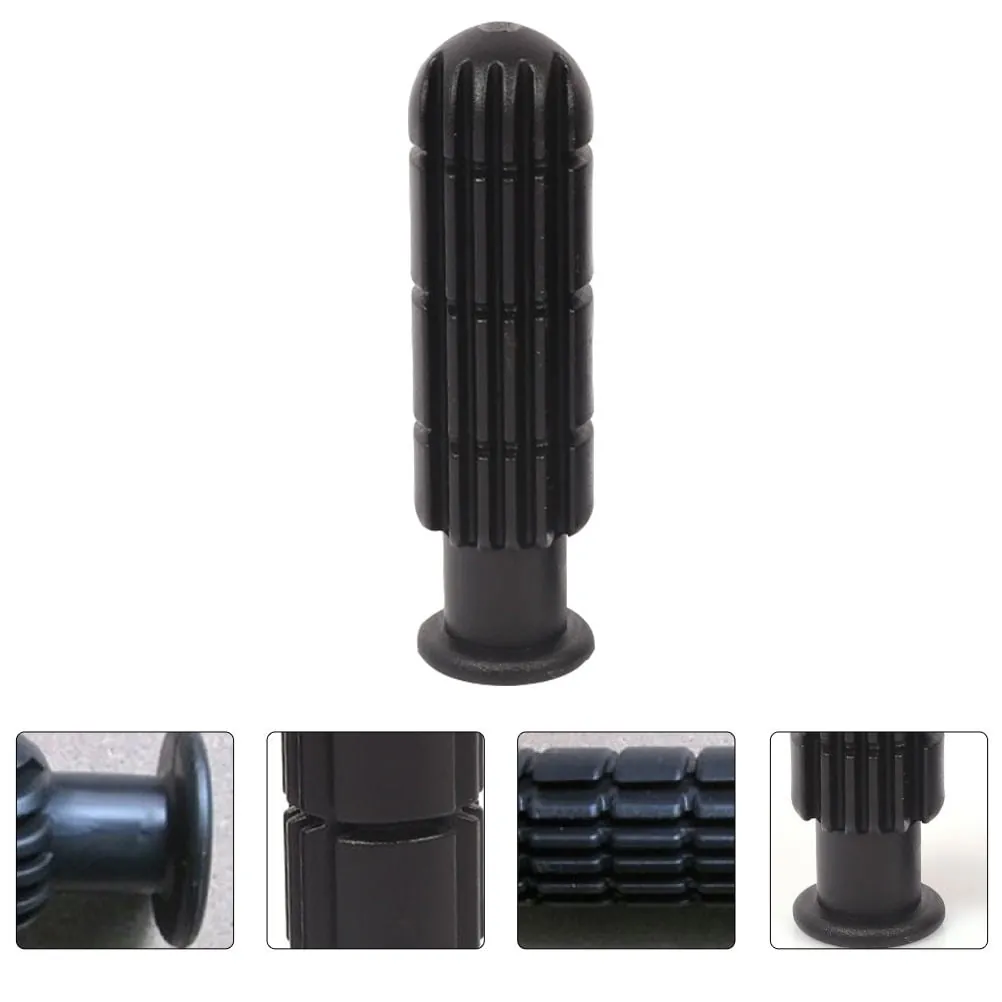
- Replace worn grips every 12–18 months for heavy use to prevent hand slippage and maintain consistent torque.
- Use high-density foam or textured vinyl for better sweat resistance compared to standard rubber.
- Measure rod diameter accurately before buying; most tables use 3/8-inch or 10mm rods.
- Apply electrical tape under the wrap for added cushioning and to protect the metal rod from corrosion.
- Trim excess material carefully with a sharp utility knife to avoid uneven rolling on the table ends.
- Clean rods with isopropyl alcohol before wrapping to ensure adhesive bonds properly and lasts longer.
Why Grip Wraps Matter
The condition of your foosball handles directly impacts your performance. Worn grips create friction issues that cause your hands to slide during quick spins or defensive blocks. This lack of traction forces players to squeeze harder, which fatigues the hands and reduces reaction speed. Over time, this excessive pressure can strip the threads on the end caps or bend the rods slightly.
Replacing these wraps restores the tactile feedback needed for precise ball control. It also protects the underlying metal from rust caused by sweat and humidity. A fresh wrap ensures that every flick of the wrist translates directly into rod movement without energy loss through slippage.
Identifying Wear Patterns
You should inspect your rods regularly for signs of deterioration. Look for smooth patches where the texture has been ground away by repeated friction. Check for cracks in the rubber or foam, which indicate material fatigue. If the grip feels hard or brittle, it has lost its elasticity and won’t provide adequate shock absorption.
Discoloration is another sign; yellowing or darkening suggests oxidation or dirt accumulation that can’t be cleaned. When the wrap begins to peel or unravel, it creates uneven surfaces that catch on fingers. These visual and tactile cues signal that replacement is necessary to maintain optimal play conditions. Ignoring these signs leads to poor gameplay and potential hardware damage.
Choosing Foosball Table Grip Wraps
Selecting the correct material for your grip wraps depends on your playing style and environment. Different materials offer varying levels of durability, comfort, and moisture management. Understanding these differences helps you choose the best option for your specific needs. Below is a comparison of common materials used in foosball grip replacements.
| Material | Durability | Moisture Resistance | Cost Range | Best For |
|---|---|---|---|---|
| High-Density Foam | Moderate | Low | $5 – $15 | Casual play, dry environments |
| Textured Vinyl | High | High | $10 – $25 | Competitive play, sweaty hands |
| Rubberized Tape | Very High | Moderate | $5 – $12 | Quick repairs, budget options |
| Leather Wrap | High | Low | $20 – $40 | Aesthetic appeal, traditional feel |
High-density foam provides excellent cushioning but absorbs sweat quickly, making it slippery in humid conditions. Textured vinyl offers superior grip and dries faster, ideal for intense matches. Rubberized tape is versatile and easy to apply but may require more frequent replacement. Leather wrap adds a premium look but requires maintenance to prevent drying out. Choose based on your priority: comfort, durability, or cost.
Measuring Your Rods Accurately
Before purchasing any replacement parts, you must measure your existing rods. Incorrect sizing leads to loose fits that spin independently of the handle or tight fits that are impossible to install. Most standard foosball tables use rods with a diameter of 3/8 inch (approximately 10mm). However, some European models or older tables may use 12mm or 14mm rods.
Use a caliper for the most accurate measurement, placing it across the bare metal section of the rod near the end cap. If you don’t have a caliper, use a flexible measuring tape and divide the circumference by pi (3.14) to estimate the diameter. Record this number precisely. Also, measure the length of the exposed rod where the grip sits. This determines how much wrap material you need. Buying slightly more material than required allows for errors during installation.
Checking End Cap Compatibility
Ensure your chosen grip wrap is compatible with your end caps. Some wraps are designed to tuck under the cap, while others sit flush against it. If your table uses threaded end caps, verify that the wrap thickness doesn’t interfere with tightening. Thick wraps may prevent the cap from seating fully, leading to wobbly handles.
Thin wraps might slip off if the cap isn’t secure. Check the manufacturer’s specifications for compatibility notes. If unsure, opt for a universal fit that accommodates a range of diameters. This flexibility reduces the risk of ordering the wrong size. Always keep the old grip as a reference when comparing new options.
Step-by-Step Installation Guide
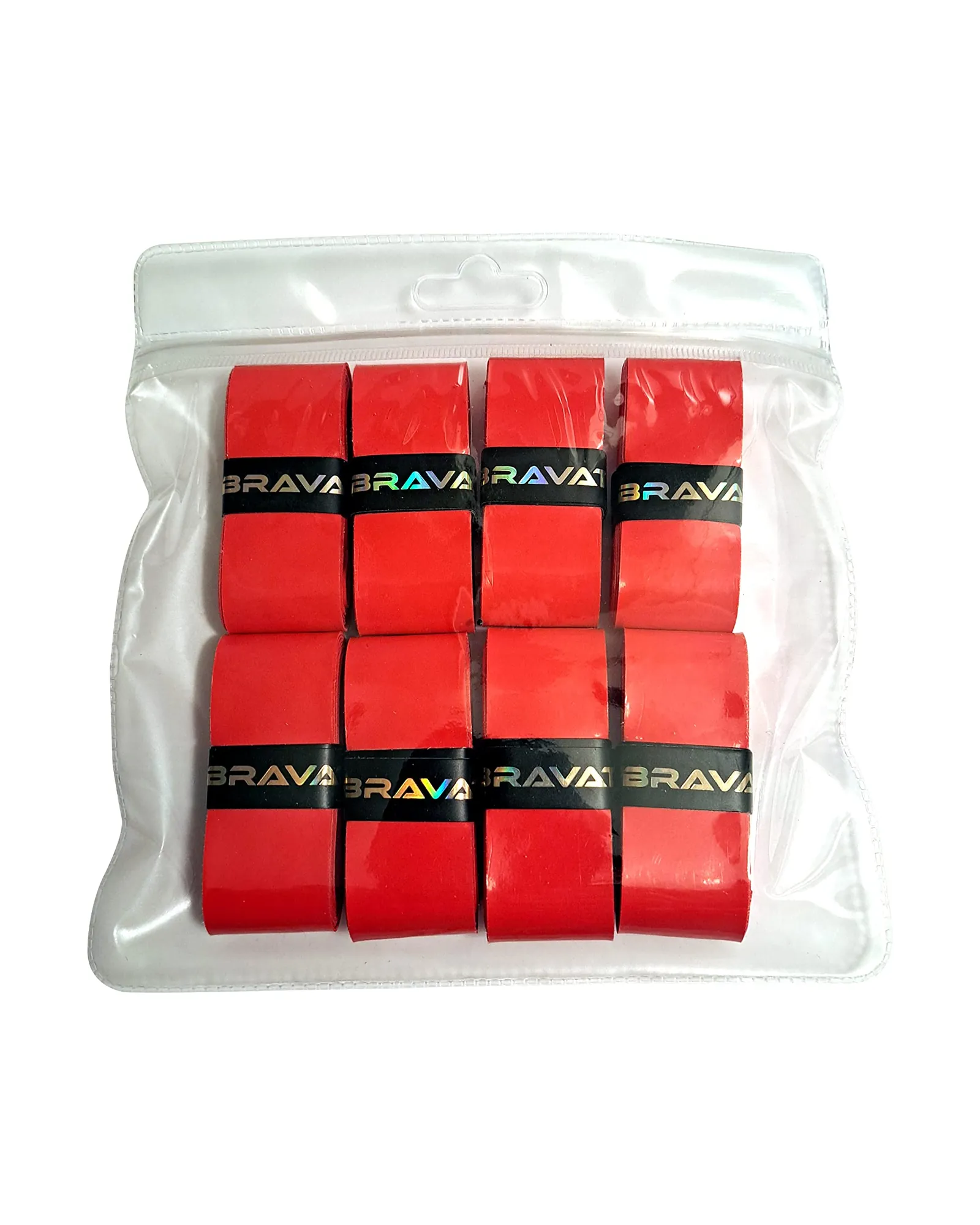
Installing new grip wraps is a straightforward process that requires minimal tools. Follow these steps to ensure a clean, durable finish. Proper installation extends the life of the wrap and improves overall performance.
- Remove the old grip: Peel off the existing wrap completely. Use a hairdryer on low heat to soften adhesive if it resists removal. Clean the rod thoroughly with isopropyl alcohol to remove residue and oils. Let it dry completely.
- Prepare the base layer: Wrap the rod with electrical tape or thin cloth tape. This adds cushioning and protects the metal from direct contact with the adhesive. Overlap each layer by half to create an even surface.
- Position the new wrap: Align the start of the new grip wrap with one end of the taped section. Ensure it’s straight and parallel to the rod axis. Hold it firmly in place with one hand.
- Apply tension: With your other hand, stretch the wrap slightly as you roll it around the rod. Maintain consistent tension to avoid wrinkles or gaps. Overlap each wrap by 10-15% for a seamless finish.
- Secure the ends: Once you reach the opposite end, cut the material cleanly. Use strong adhesive tape or a small amount of super glue to secure the final edge. Press firmly for several seconds to bond.
- Trim and finish: If there’s excess material, trim it carefully with a sharp utility knife. Smooth any rough edges with sandpaper. Allow the adhesive to cure for at least an hour before playing.
Pro Tip: Work in a well-lit area with good ventilation, especially when using adhesives or solvents. This prevents eye strain and ensures you can see alignment clearly.
Troubleshooting Common Issues
Even with careful installation, problems can arise. Addressing these issues promptly prevents further damage and ensures long-term satisfaction. Here are common problems and their solutions.
Slipping Wraps
If your new wrap slips during play, the adhesive may have failed. This often happens if the rod wasn’t cleaned properly before installation. Residue from old glue or skin oils prevents bonding. Remove the wrap and re-clean the rod with isopropyl alcohol. Ensure the surface is completely dry before reapplying. Consider using a stronger adhesive or adding a layer of double-sided tape between the rod and the wrap. Tighten the end caps securely to hold the wrap in place mechanically.
Uneven Texture
An uneven texture causes inconsistent rolling and discomfort. This usually results from improper overlapping or stretching during application. If the wrap feels bumpy, remove it and start again. Pay close attention to maintaining uniform overlap. Stretch the material evenly as you roll. If minor bumps remain, they can sometimes be smoothed out with gentle pressure and heat from a hairdryer. However, severe unevenness requires replacement. Practice on a spare rod or pipe first if you’re inexperienced.
Cracking or Peeling
Cracking indicates material fatigue or exposure to extreme temperatures. Peeling suggests weak adhesive or contamination. Inspect the wrap for signs of stress. If cracking occurs early, the material may be low quality. Switch to a higher-grade vinyl or rubber product. For peeling, check for dirt or moisture at the edges. Clean the area and reinforce with additional tape or glue. Avoid exposing the table to direct sunlight or extreme cold, which degrades materials faster.
Maintenance and Care Tips
Regular maintenance extends the life of your grip wraps and keeps them performing optimally. Simple habits can prevent premature wear and tear. After each gaming session, wipe down the grips with a damp cloth to remove sweat and dirt. Dry them thoroughly to prevent moisture buildup.
Avoid using harsh chemicals or abrasive cleaners, which can degrade the material. Store the table in a climate-controlled environment if possible. Extreme heat or cold affects adhesive strength and material elasticity. Rotate players frequently to distribute wear evenly across all rods. Inspect grips monthly for early signs of damage. Address minor issues immediately before they become major problems.
Warning: Don’t soak the grips in water or submerge them in cleaning solutions. This compromises the adhesive and causes swelling in foam materials.
Where to Buy Replacement Parts
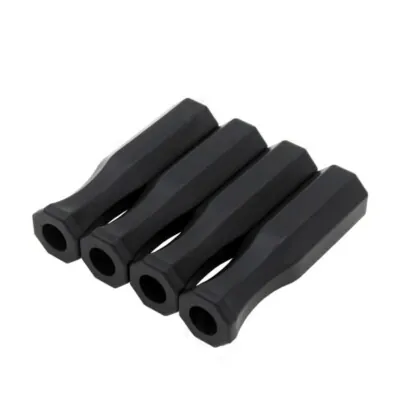
Finding reliable sources for foosball parts is crucial for quality assurance. Online retailers offer the widest selection, while local sports stores may carry basic supplies. Here are recommended places to purchase grip wraps and related accessories.
| Retailer Type | Examples | Pros | Cons |
|---|---|---|---|
| Specialty Foosball Shops | Foosball Factory, Pro Foosball | Expert advice, wide variety | Higher shipping costs |
| General Online Marketplaces | Amazon, eBay | Fast shipping, reviews | Variable quality |
| Local Sports Stores | Dick’s Sporting Goods | Immediate availability | Limited selection |
| Hardware Stores | Home Depot, Lowe’s | Basic tapes available | No specialized grips |
Specialty foosball shops often carry branded parts that match original equipment exactly. They provide customer support for compatibility questions. General online marketplaces offer convenience and competitive pricing but require careful reading of reviews. Local sports stores are useful for urgent needs but may lack specific sizes. Hardware stores sell generic tapes that can serve as temporary fixes. Choose based on urgency and budget.
Related guides
- Best Foosball Tables Under 500: Top 5 Picks in 2026
- How to Paint a Glass Table Top: A Step by Step Guide
- How to Dispose of Large Glass Table Top Panels Safely
Frequently Asked Questions
How often should I replace foosball grip wraps?
Replace grip wraps every 12 to 18 months for regular home use. If you play competitively or host frequent tournaments, consider replacing them every 6 to 9 months. Heavy usage accelerates wear, leading to slippage and reduced control. Monitor the texture and elasticity; if they feel smooth or brittle, it’s time for a change. Regular replacement maintains optimal performance and prevents hand fatigue during long gaming sessions.
Can I use bicycle handlebar tape for foosball rods?
Yes, bicycle handlebar tape works well as a substitute. It provides excellent cushioning and grip, similar to high-density foam. Ensure you choose a self-adhesive variety for easier installation. Measure your rod diameter carefully, as bike tape is designed for thicker bars. You may need to add extra layers or use thinner tape to achieve the right fit. Trim the ends neatly to avoid catching on clothing or hands.
What is the best adhesive for securing grip wraps?
Double-sided foam tape is ideal for securing grip wraps. It adds cushioning and holds firmly without damaging the rod. Super glue works for small edges but can stiffen the wrap. Avoid liquid adhesives that seep into the rod bearings. Electrical tape is a good base layer but not a primary adhesive. Test the bond on a small section first to ensure compatibility with your chosen wrap material.
Are universal grip wraps compatible with all tables?
Most universal wraps fit standard 3/8-inch rods found on American tables. However, European tables often use larger diameters like 12mm or 14mm. Check your rod size before purchasing universal products. Some brands offer adjustable sleeves that accommodate multiple sizes. Verify the length requirements as well, since shorter rods need less material. Reading product specifications carefully prevents costly mistakes and ensures a proper fit for your specific model.
How do I remove stubborn old grip residue?
Use isopropyl alcohol or Goo Gone to dissolve old adhesive residue. Apply the solvent to a cloth and rub the rod vigorously. For tough spots, let the solvent sit for a few minutes before scrubbing. Avoid using razor blades directly on the metal to prevent scratches. Once clean, dry the rod thoroughly before applying new wraps. Ensuring a clean surface is critical for the new adhesive to bond effectively and last longer.
Conclusion
Investing time in maintaining your foosball table enhances your gaming experience significantly. Fresh grips restore confidence and precision, allowing you to focus on strategy rather than slipping handles. By following these guidelines, you ensure your table remains in peak condition for years to come. Start by assessing your current grips today and plan your next upgrade accordingly.