
If you own a Hayward T 15 salt chlorine generator, you know how important the salt cell is for keeping your pool water clean and clear. But what happens when your salt cell starts to lose efficiency or stops working altogether?
You might feel frustrated, unsure of what to do next. This guide will help you understand exactly when and how to replace your Hayward T 15 salt cell. By the end, you’ll feel confident tackling the replacement yourself and getting your pool back to perfect swimming condition.
Keep reading—you’ll want to know these simple steps before your next swim!
Signs Your Salt Cell Needs Replacement
Knowing when your Hayward T 15 salt cell needs replacement is important. A damaged or worn-out salt cell can cause poor pool water quality. It can also reduce chlorine production, making your pool unsafe. Watch for clear signs to avoid bigger problems. Early detection saves time and money.
Reduced Chlorine Production
Your pool water may not stay clean if chlorine levels drop. The salt cell may produce less chlorine over time. This happens because the cell plates get coated with minerals or wear out. Test your pool chlorine regularly. If levels drop despite normal salt and pool use, the salt cell likely needs replacing.
Visible Cell Damage
Look at the salt cell for cracks or white buildup. Cracks on the cell plates mean damage inside the unit. White or greenish buildup signals mineral deposits. These deposits block chlorine production. Cleaning helps, but heavy buildup or cracks mean it is time to replace the cell.
Error Codes And Alerts
Your Hayward system shows error codes when the salt cell has issues. Codes like “Check Cell” or “Low Salt” suggest problems. Alerts warn about poor performance or failure. Do not ignore these signals. Check the user manual for code details. Persistent alerts often mean the salt cell needs replacement.
Credit: www.doheny.com
Choosing The Right Hayward T 15 Salt Cell
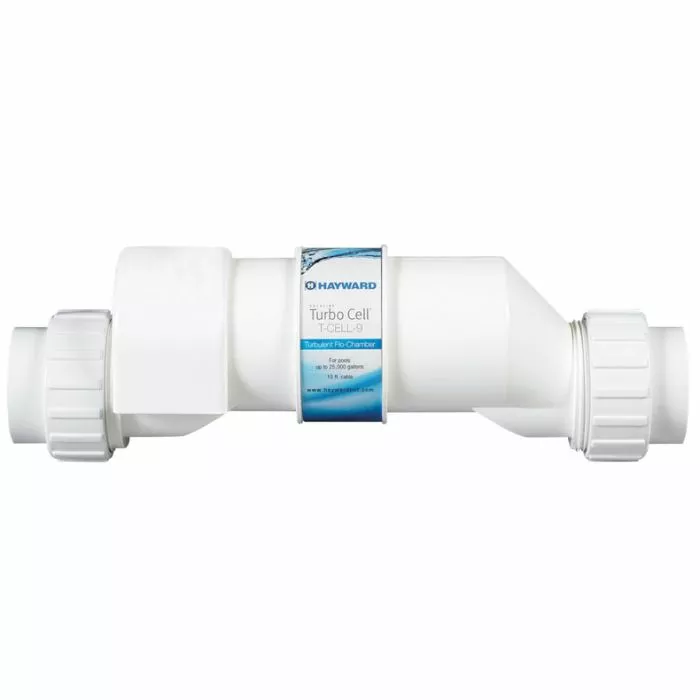
Choosing the right Hayward T 15 salt cell is key for pool care. The right salt cell keeps your pool clean and safe. Picking the correct model ensures your system works well. Quality and warranty protect your investment. Knowing where to buy helps you avoid fake products.
Model Compatibility
The Hayward T 15 salt cell fits specific pool systems. Check your pool system’s model number first. Using the wrong cell can cause damage. The T 15 works with certain Hayward control units only. Always match the salt cell with your system brand and model.
Quality And Warranty
Choose a salt cell made with strong materials. High-quality cells last longer and perform better. A good warranty offers peace of mind. It covers defects and early wear. Read the warranty terms carefully before buying. Avoid cheap cells that may fail quickly.
Where To Buy
Buy from trusted dealers or official Hayward stores. Official sellers provide genuine products and support. Avoid unknown sellers or suspicious websites. Check customer reviews and ratings before purchase. Buying locally can help with quick returns or exchanges.
Tools And Materials Needed
Replacing the Hayward T 15 salt cell needs the right tools and materials. This helps the job go smoothly and safely. Prepare everything before starting. This saves time and avoids frustration. The list below covers basic tools, safety gear, and parts needed.
Basic Tools
- Screwdriver set for removing screws
- Adjustable wrench for loosening bolts
- Pliers for gripping and pulling parts
- Multimeter to check electrical connections
- Bucket or towel to catch water spills
- Flashlight for better visibility inside the unit
Safety Equipment
- Rubber gloves to protect hands from chemicals
- Safety goggles to shield eyes from splashes
- Non-slip shoes for steady footing
- Mask to avoid breathing dust or fumes
Replacement Parts Checklist
- New Hayward T 15 salt cell compatible with your system
- Seals or O-rings for leak prevention
- Electrical connectors or terminals if worn
- User manual or installation guide for reference

Credit: www.discountsaltpool.com
Step-by-step Replacement Process
Replacing the Hayward T 15 salt cell is a simple task with the right steps. Follow this guide to ensure a smooth and safe replacement. Each stage is important to keep your pool system working well.
Powering Down The System
Start by turning off the pool pump. Then, switch off the power to the salt chlorinator. This prevents any electrical accidents. Always double-check that the system is fully powered down before moving on.
Removing The Old Salt Cell
Locate the salt cell on the pool system. Use a wrench to loosen the unions on both ends. Carefully remove the old salt cell from the piping. Handle it gently to avoid damage or leaks.
Installing The New Salt Cell
Position the new salt cell in the same spot. Make sure the flow direction matches the old cell. Tighten the unions by hand first, then secure with a wrench. Check that the seals are properly seated to avoid leaks.
Reconnecting And Securing
Reconnect all electrical connections to the salt cell. Verify that wires are tight and secure. Turn the power back on to the chlorinator. Finally, restart the pool pump and check for normal operation.
Post-replacement Maintenance Tips
Replacing the Hayward T-15 salt cell is only part of pool care. Proper maintenance after replacement keeps your system running well. Small steps can extend the life of your new salt cell. Follow these tips to maintain performance and avoid common problems.
Regular Cleaning
Clean the salt cell every few weeks. Use a soft brush to remove scale build-up. Avoid harsh chemicals that can damage the cell. Soaking the cell in a mild acid solution helps clear stubborn deposits. Rinse thoroughly with fresh water before reinstalling.
Monitoring Performance
Check your pool’s salt level often. Maintain the salt level recommended by the manufacturer. Watch for changes in water clarity or chlorine smell. These signs can indicate salt cell issues. Keep an eye on the control panel for error codes or alerts.
Troubleshooting Common Issues
Low chlorine output may mean the cell needs cleaning or replacement. If the cell won’t produce chlorine, check for power supply problems. Inspect wiring and connections for damage. Replace the salt cell if performance doesn’t improve after cleaning. Regular checks help catch problems early and keep your pool safe.
Cost Savings With Diy Replacement
Replacing the Hayward T 15 salt cell yourself can save a good amount of money. Doing the job at home cuts out extra fees. These include service charges and labor costs from professionals. This section explains how DIY replacement helps save costs and keeps your pool running smoothly.
Comparing Diy Vs Professional Costs
Hiring a professional usually costs more than doing it yourself. Labor fees alone can add $100 or more. Buying the salt cell part is the same price either way. So, DIY replacement mainly saves on work fees. You only pay for the part and your own time.
Extending Salt Cell Lifespan
Proper installation helps the salt cell last longer. Taking time to clean and check the cell prevents damage. Avoiding dirt and calcium build-up keeps it working well. This lowers how often you need to buy a new one. A longer lifespan means more money saved over time.
Avoiding Common Pitfalls
Doing it yourself means you control the process. You can avoid mistakes like wrong wiring or leaks. Reading the manual and following instructions helps a lot. Small errors can cause expensive repairs later. Being careful cuts down the chance of problems and extra costs.

Credit: www.lakeshorepoolsandtubs.com
Frequently Asked Questions
What Is The Hayward T 15 Salt Cell?
The Hayward T 15 salt cell is part of a pool chlorinator. It helps create chlorine from salt to keep pool water clean.
How Do I Know When To Replace The T 15 Salt Cell?
Look for low chlorine levels or error codes on your chlorinator. Also, inspect for visible wear or buildup on the cell.
Can I Replace The Hayward T 15 Salt Cell Myself?
Yes, replacing the salt cell is simple. Turn off power, remove the old cell, and install the new one carefully.
How Often Should I Replace The Hayward T 15 Salt Cell?
Typically, replace the salt cell every 3 to 5 years. Usage and water quality can change this timing.
What Happens If I Don’t Replace The Salt Cell On Time?
The pool may have low chlorine levels. This can cause algae growth and cloudy water.
Is The Hayward T 15 Salt Cell Compatible With All Hayward Systems?
No, it is designed for specific Hayward models. Always check your chlorinator’s manual to confirm compatibility.
How Can I Clean The Hayward T 15 Salt Cell To Extend Its Life?
Use a mild acid solution to soak the cell. This removes scale buildup and helps maintain performance.
Conclusion
Replacing the Hayward T 15 salt cell keeps your pool clean and safe. Regular checks help spot issues early and save money. Follow the steps carefully for a smooth replacement process. A well-maintained salt cell lasts longer and works better.
Enjoy clear water and worry less about pool problems. Simple care makes a big difference in pool health. Keep your pool ready for fun all season long.