
Have you ever wondered why flames come in different colors? Whether you’re curious about a campfire, a welding torch, or a gas stove, understanding flame colors can reveal a lot about temperature and safety.
This Flame Color Temperature Chart will help you see what each color means and why it matters to you. By the end, you’ll be able to quickly identify flame temperatures just by looking, making your work or hobby safer and more efficient.
Keep reading to unlock the secrets hidden in every flicker of fire.

Credit: forums.autodesk.com
Basics Of Flame Color
Flame color shows the temperature and materials burning. It helps identify what burns and how hot it is. Flames can be different colors, from blue to yellow to red. Each color means something about the flame’s heat and the chemicals inside it.
Understanding flame colors is useful in many fields. Scientists, chefs, and firefighters use this knowledge to stay safe and work better. Let’s explore what controls flame color and what common colors mean.
What Determines Flame Color
Flame color depends on temperature and chemical elements. Hotter flames usually look blue or white. Cooler flames are often yellow, orange, or red. Chemicals in the fuel or air also change the flame’s color.
For example, burning copper makes a green flame. Sodium creates a bright yellow flame. The light we see comes from excited atoms releasing energy as color. This process is called emission.
Common Flame Colors And Their Sources
Blue flames come from burning gases like propane or butane. They show complete combustion and high heat. Yellow flames often appear when burning wood or candles. They mean the flame is cooler and has tiny soot particles.
Red flames are the coolest and appear in fires with less oxygen. Green flames happen when copper or boron burns. Orange flames show burning calcium or sodium compounds. Each color gives clues about the fire’s makeup.
Color Temperature And Flames
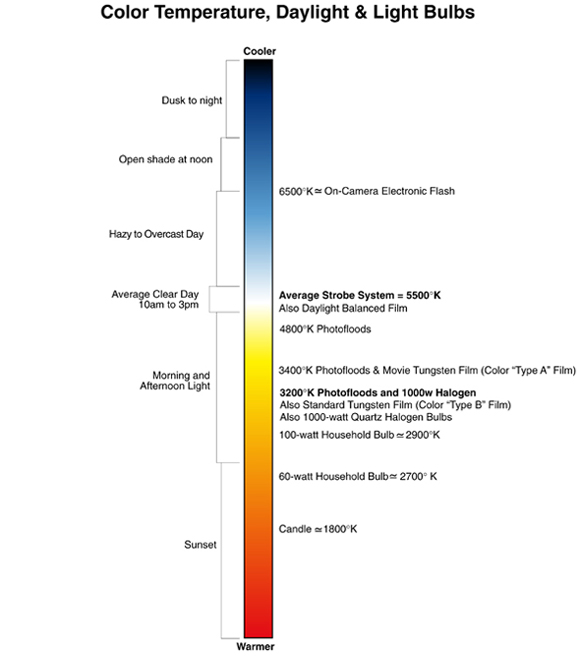
Flames show different colors depending on their temperature. This color change helps us understand how hot a flame is. People use a color temperature chart to compare these colors with specific temperatures. This chart is useful in many fields like science, cooking, and industry.
Measuring Flame Temperature
Measuring flame temperature is not simple. Direct contact tools often fail because flames are too hot. Instead, experts use optical methods. These methods analyze the light emitted by the flame. The color of this light relates to the temperature of the flame.
Infrared cameras and pyrometers are common tools. They measure the heat based on the color and brightness. This data helps assign a temperature value to the flame color.
Relationship Between Color And Temperature
Flame colors range from red to blue. Red flames are the coolest, usually under 1,000°C (1,832°F). Yellow flames are hotter, often around 1,200°C (2,192°F). Blue flames are the hottest, reaching up to 1,500°C (2,732°F) or more.
The color change happens because atoms release energy at different wavelengths. Hotter flames emit shorter wavelengths, which appear blue. Cooler flames emit longer wavelengths, which appear red or orange.
Understanding this relationship helps in controlling processes like welding or cooking. It ensures safety and efficiency by keeping the flame at the right temperature.
Typical Flame Shades
Flames come in many colors. Each color tells a story about the flame’s temperature and the material burning. Understanding typical flame shades helps you read the flame’s heat and chemical makeup. Below are common flame colors and what they mean.
Red Flames
Red flames are the coolest among typical flame colors. They usually appear at around 1,000°F to 1,800°F. Red flames show low heat and often come from smoldering wood or organic material. This shade is easy to spot in campfires or slow burns.
Orange Flames
Orange flames burn hotter than red, at about 1,800°F to 2,100°F. This warm color often comes from burning wood or natural gas. Orange flames indicate a moderate temperature and are common in fireplaces and candles.
Yellow Flames
Yellow flames shine brightly at temperatures near 2,100°F to 2,400°F. They form when carbon particles glow inside the flame. Yellow flames appear in many flames fueled by wood or gas. They show a higher heat level than orange flames.
Blue Flames
Blue flames are much hotter, reaching 2,600°F to 3,000°F. They form from complete combustion of gases like propane or methane. Blue flames indicate a clean and efficient burn. You often see blue flames in gas stoves and torches.
White Flames
White flames are the hottest of all, often above 3,000°F. They occur when the flame burns with very high heat and little soot. White flames appear in metalworking or very hot fires. This shade shows extreme temperature and intense energy.
Interpreting The Flame Color Chart
The Flame Color Temperature Chart helps to understand the heat of a flame by its color. Each color on the chart matches a temperature range. This makes it easier to estimate how hot a flame is without special tools. The chart shows colors from deep red to bright blue, showing cooler to hotter flames. By interpreting this chart, people can guess the flame’s temperature quickly.
Colors change because of how atoms and molecules emit light at different temperatures. Dark red flames are cooler, while blue flames are the hottest. Knowing this helps in many practical ways, especially in science and industry.
Using The Chart For Temperature Estimation
The chart lets users estimate flame temperature by matching flame color. For example, a red flame usually means about 1,000°F (540°C). Yellow flames are hotter, around 1,800°F (980°C). Blue flames reach temperatures over 3,000°F (1,650°C). This simple color guide helps avoid guesswork.
People working with fires can quickly check if a flame is too hot or too cool. It saves time and improves safety. This method works well without expensive equipment. Just look at the flame color and compare it to the chart.
Applications In Industry And Science
Industries use the flame color chart to control heating processes. For example, metalworkers observe flame color to heat metals correctly. It helps prevent overheating or underheating the material. This ensures stronger and better-quality products.
Scientists also use the chart in experiments involving flames. It helps measure temperature in chemical reactions. This gives more accurate and reliable results. The chart’s simplicity makes it useful in many labs and factories.
Factors Affecting Flame Color
The color of a flame depends on several important factors. These factors influence the temperature and appearance of the flame. Understanding them helps explain why flames show different colors under various conditions.
Fuel Type And Composition
The type of fuel directly affects flame color. Different fuels burn with distinct colors due to their chemical makeup. For example, natural gas often produces a blue flame. Wood flames tend to be yellow or orange. The elements in the fuel change the flame’s color and temperature.
Oxygen Supply And Combustion Efficiency
Oxygen levels control how completely fuel burns. High oxygen supply creates hotter, bluer flames. Low oxygen causes cooler, yellow or red flames. Poor combustion makes the flame less efficient and changes its color. Proper air mixing leads to cleaner, brighter flames.
Impurities And Chemical Additives
Impurities in fuel or added chemicals alter flame color. Metals like sodium or copper produce bright, unique colors. Sodium burns with a yellow flame, copper shows green or blue. These additives help identify materials or create special flame effects.
Credit: www.freestylephoto.com
Safety And Practical Tips
Understanding flame color temperature is important for safety and practical use. Flames can show signs of problems through their color. Knowing what these colors mean helps avoid accidents and improves work quality.
Identifying Unsafe Flames
Flames with unusual colors can be dangerous. A yellow or orange flame often means incomplete burning. This can release harmful gases like carbon monoxide. Blue flames are usually safer and hotter. Watch for flickering or uneven flames. These signs show poor fuel mixing or blockages. Always check flames before starting work.
Optimizing Flame Color For Efficiency
Bright blue flames indicate efficient burning. They use fuel well and produce less waste. Adjust air supply to get the right flame color. Too much air cools the flame; too little causes yellow tips. Keep flames steady for the best results. Clean equipment regularly to maintain flame quality. This saves fuel and improves safety.

Credit: www.researchgate.net
Frequently Asked Questions
What Is Flame Color Temperature?
Flame color temperature measures how hot a flame is based on its color. It shows the energy the flame gives off. Different colors mean different temperatures.
How Does Flame Color Relate To Temperature?
The color of a flame changes with its temperature. Cooler flames are red or orange. Hotter flames appear blue or white.
Why Is Flame Color Temperature Important?
Flame color temperature helps identify fuel type and burning efficiency. It is useful in science and safety checks. It also aids in controlling heat.
What Colors Indicate High Flame Temperatures?
Blue and white flames show the highest temperatures. These colors mean the flame is very hot and burns cleanly. Red or yellow flames are cooler.
How Is Flame Color Temperature Measured?
Scientists use special tools like pyrometers to measure flame temperature. They analyze the light color and intensity. This gives an accurate temperature reading.
Conclusion
Understanding flame color and temperature helps in many fields and tasks. It shows how hot a flame burns and what materials are involved. This chart makes it easy to identify different flame colors. You can use this knowledge in science, cooking, or safety.
Remember, color changes tell a lot about heat and fuel. Keep this chart handy for quick reference. It simplifies complex ideas into clear, simple facts. Knowing these basics improves your work and learning. A small guide, but very useful.