
Are you thinking about adding a fireplace insert to your home but wondering if it’s really safe? You’re not alone.
Many homeowners worry about the risks before making this cozy upgrade. The good news is, with the right information, you can enjoy the warmth and charm of a fireplace insert without fear. You’ll discover what makes fireplace inserts safe, what to watch out for, and how to protect your family and home.
Keep reading to learn everything you need to know before making your decision.
Fireplace Inserts And Safety
Fireplace inserts can improve your home’s warmth and style. Safety is a key concern for many homeowners. Understanding how these inserts work and their risks is important. This helps you enjoy your fireplace safely and confidently.
Fireplace inserts fit inside existing fireplaces. They burn wood, gas, or pellets more efficiently. Knowing the types and common safety concerns helps prevent accidents. It also ensures your heating system works well.
Types Of Fireplace Inserts
Wood-burning inserts use logs as fuel. They create a traditional fire experience. Proper ventilation is needed to avoid smoke inside the house.
Gas inserts run on natural gas or propane. They offer easy control and less mess. A professional must install them to ensure safety.
Pellet inserts burn small wood pellets. They are efficient and eco-friendly. Regular cleaning is necessary to keep them safe.
Common Safety Concerns
Overheating is a risk with any insert. Keep flammable materials far from the unit. Use heat-resistant gloves when handling parts.
Carbon monoxide can build up without proper ventilation. Install a carbon monoxide detector nearby. Regularly inspect vents and chimneys for blockages.
Fire hazards increase if the insert is not maintained. Clean ashes and soot often. Schedule yearly professional inspections.
Incorrect installation can cause leaks or fires. Hire certified technicians for installation. Follow all manufacturer guidelines strictly.
Installation Best Practices
Installing a fireplace insert correctly is key to safety and efficiency. Poor installation can cause fire hazards and reduce heating performance. Following best practices ensures your insert works well and keeps your home safe.
Choosing The Right Insert
Select an insert that fits your fireplace and meets safety standards. Consider fuel type: wood, gas, or electric. Match the insert size to your fireplace opening. Check for certification by recognized safety organizations. A proper fit prevents heat loss and smoke leaks.
Professional Vs Diy Installation
Professional installation is safer and often required by law. Experts understand local building codes and safety rules. They can handle complex venting and wiring tasks. DIY installation may save money but risks errors. Incorrect setup can lead to carbon monoxide leaks or fire.
Ventilation Requirements
Good ventilation prevents dangerous gas buildup. Your insert needs a proper vent or chimney connection. Follow manufacturer guidelines for vent size and type. Ensure vents are clear of blockages and damage. Proper airflow improves combustion and keeps air clean.
Maintenance Tips
Proper maintenance keeps fireplace inserts safe and efficient. Regular care prevents hazards and improves performance. Follow these simple tips to maintain your fireplace insert.
Regular Cleaning
Clean the fireplace insert often to remove ash and soot. Use a soft brush or vacuum designed for fireplaces. Avoid harsh chemicals that can damage the unit. Keep the glass door clean for better heat and view.
Checking For Damage
Look for cracks, rust, or broken parts regularly. Damaged components can cause smoke leaks or fires. Replace worn gaskets and seals to keep the insert airtight. Report any serious damage to a professional.
Chimney Inspection
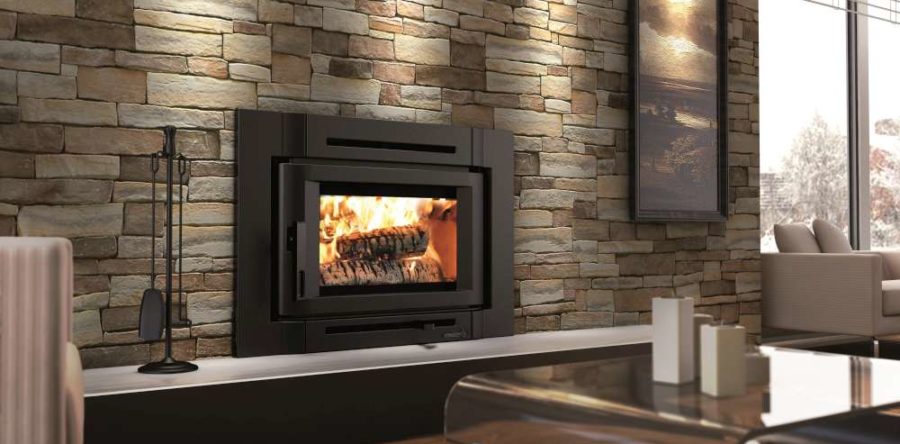
Inspect the chimney at least once a year. Creosote buildup can block airflow and start fires. Hire a certified chimney sweep to clean and check the chimney. Ensure the chimney cap is intact to keep animals and debris out.
Credit: welovefire.com
Safe Operation Guidelines
Safe operation guidelines are crucial for using fireplace inserts without risks. Following these rules helps prevent accidents and keeps your home safe. Each step focuses on maintaining control and reducing hazards during use.
Using Proper Fuel
Always use the fuel type recommended by the manufacturer. Using the wrong fuel can cause dangerous fumes or damage. Wood, pellets, or gas fuels must meet safety standards. Never burn trash, plastics, or treated wood in your insert.
Avoiding Overloading
Do not overload the fireplace insert with fuel. Too much fuel can cause excessive heat and smoke. It also increases the risk of fire spreading outside the insert. Add fuel in small amounts and maintain a steady burn.
Supervising When In Use
Never leave a burning fireplace insert unattended. Children and pets should stay away from the heat source. Watch for sparks or unusual smells. Extinguish the fire fully before leaving the room or going to sleep.
Fire Prevention Measures
Fireplace inserts add warmth and charm to any home. Safety must come first to prevent fire risks. Simple fire prevention measures keep your home safe.
Smoke And Carbon Monoxide Detectors
Install smoke detectors near your fireplace insert. They alert you early if smoke appears. Carbon monoxide detectors are just as important. They sense dangerous gases you cannot see or smell. Test detectors regularly to ensure they work well. Replace batteries every six months to stay protected.
Fire Extinguishers Nearby
Keep a fire extinguisher close to the fireplace. Choose one rated for wood and electrical fires. Know how to use it before an emergency happens. Place it where everyone can reach quickly. This tool can stop a small fire from spreading.
Clearance Around Inserts
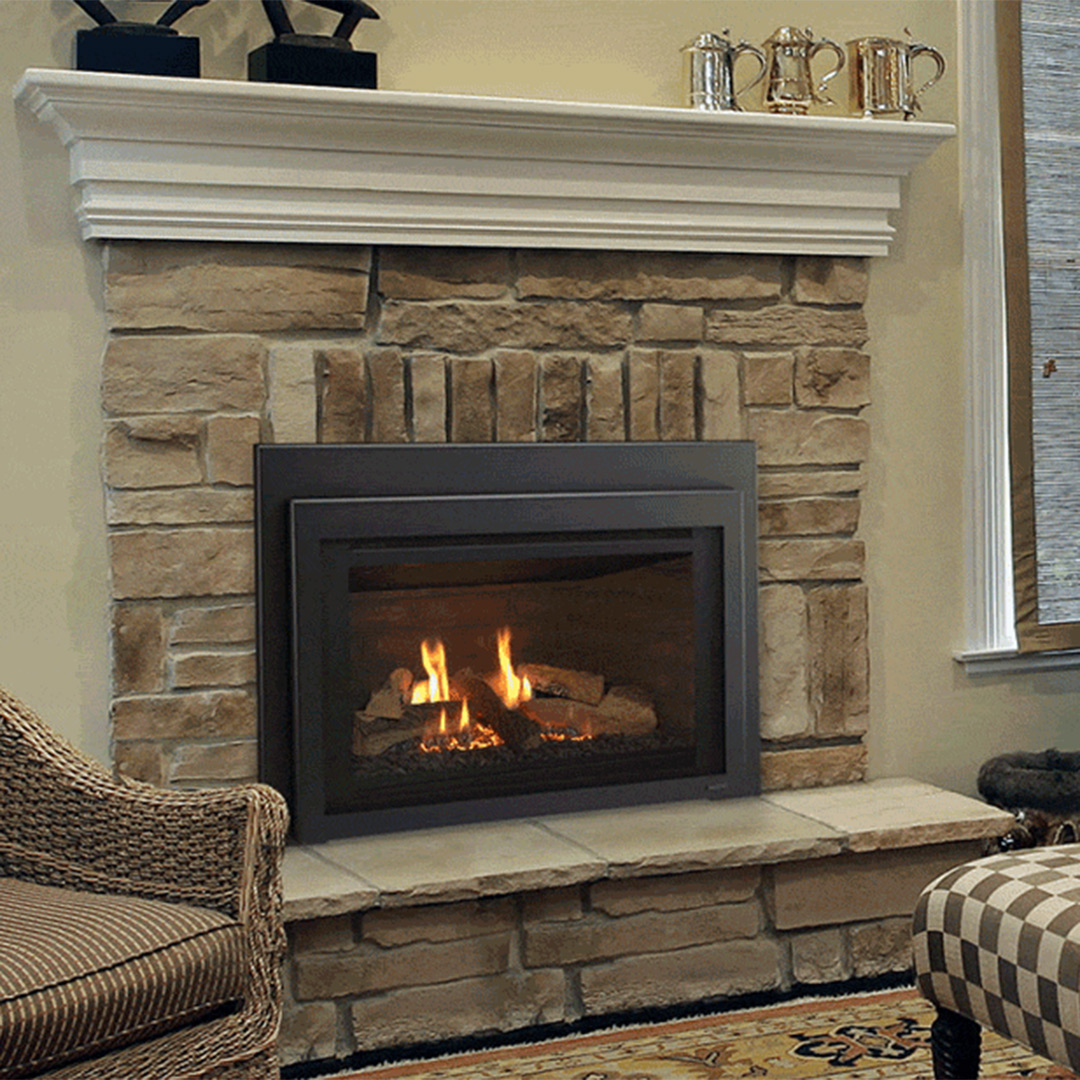
Keep the area around the fireplace insert clear. Remove flammable items like curtains, papers, and furniture. Maintain at least three feet of space. This space helps prevent accidental fires. Regularly check for dust or debris buildup too. Clean areas around the insert often.
Credit: www.dubuquefireplaceandpatio.com
Common Myths And Facts
Fireplace inserts are popular for adding warmth and style to homes. Many people worry about their safety, but much of what you hear is mixed with myths. Understanding the facts helps you use them safely and enjoy their benefits. This section clears up common myths and shares expert facts.
Myths About Fireplace Safety
Some think fireplace inserts cause house fires often. This is not true if used correctly. Another myth says inserts need no maintenance. Ignoring cleaning can lead to problems. Some believe inserts use too much electricity or gas. Most models are energy-efficient and safe. People also worry about toxic fumes inside. Proper installation and ventilation prevent this risk.
Facts Backed By Experts
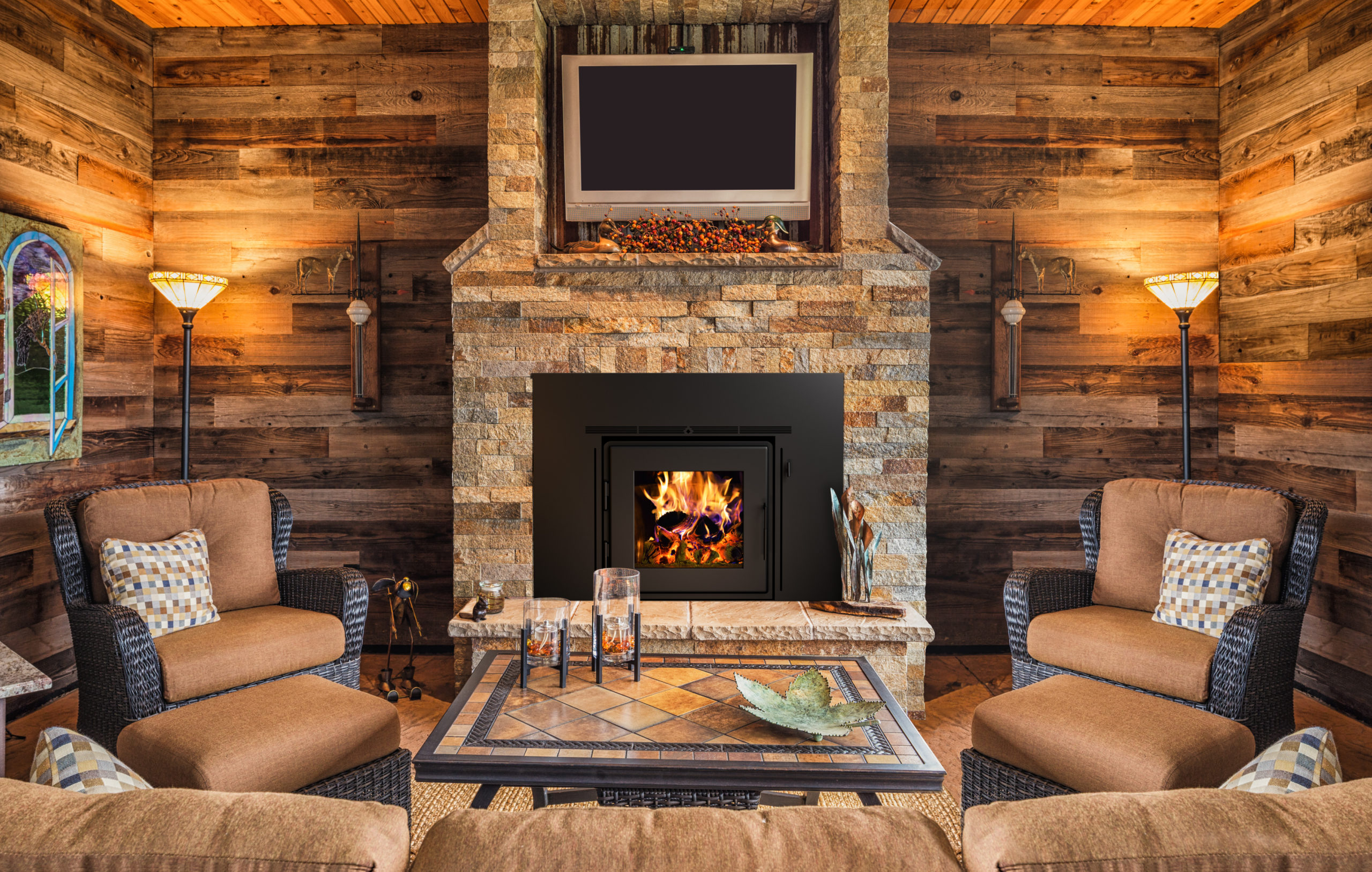
Experts say fireplace inserts are safe with regular care. They recommend annual inspections and cleaning. Inserts must follow building codes and installation rules. Using the right fuel is important for safety. Carbon monoxide detectors add an extra safety layer. Experts confirm fireplace inserts can lower heating costs. They also reduce cold drafts compared to open fireplaces.
Credit: mffire.com
Frequently Asked Questions
Are Fireplace Inserts Safer Than Traditional Fireplaces?
Fireplace inserts are generally safer because they reduce open flames and sparks. They also have better seals and ventilation, lowering fire risks.
Can Fireplace Inserts Cause Carbon Monoxide Poisoning?
Properly installed inserts with good ventilation prevent carbon monoxide buildup. Regular maintenance and using certified models reduce poisoning risks.
Do Fireplace Inserts Need Special Safety Features?
Yes, inserts should have glass doors and secure seals to contain sparks. A carbon monoxide detector nearby adds extra safety.
How Often Should Fireplace Inserts Be Inspected?
Annual inspections ensure inserts work safely and efficiently. Check for cracks, blockages, and wear to avoid hazards.
Is It Safe To Leave A Fireplace Insert Burning Overnight?
Leaving an insert burning overnight is safer than an open fire but still risky. Use low settings and ensure proper ventilation for safety.
Conclusion
Fireplace inserts offer warmth and style safely when used right. Proper installation and regular maintenance keep risks low. Always follow safety guidelines to protect your home and family. Choose quality inserts with good reviews for peace of mind. Enjoy cozy fires without worry.
Safety comes first with every fire you light. Stay safe and warm all season long.