
Have you ever wondered what happens to algae when it dries out? You might assume it simply dies, but the truth is more surprising.
Understanding whether algae dies when dry can change how you care for your aquarium, garden, or even your outdoor pond. You’ll discover the fascinating ways algae reacts to drying and why it matters for your plants and environment. Keep reading to uncover the secrets behind algae’s survival and what it means for you.
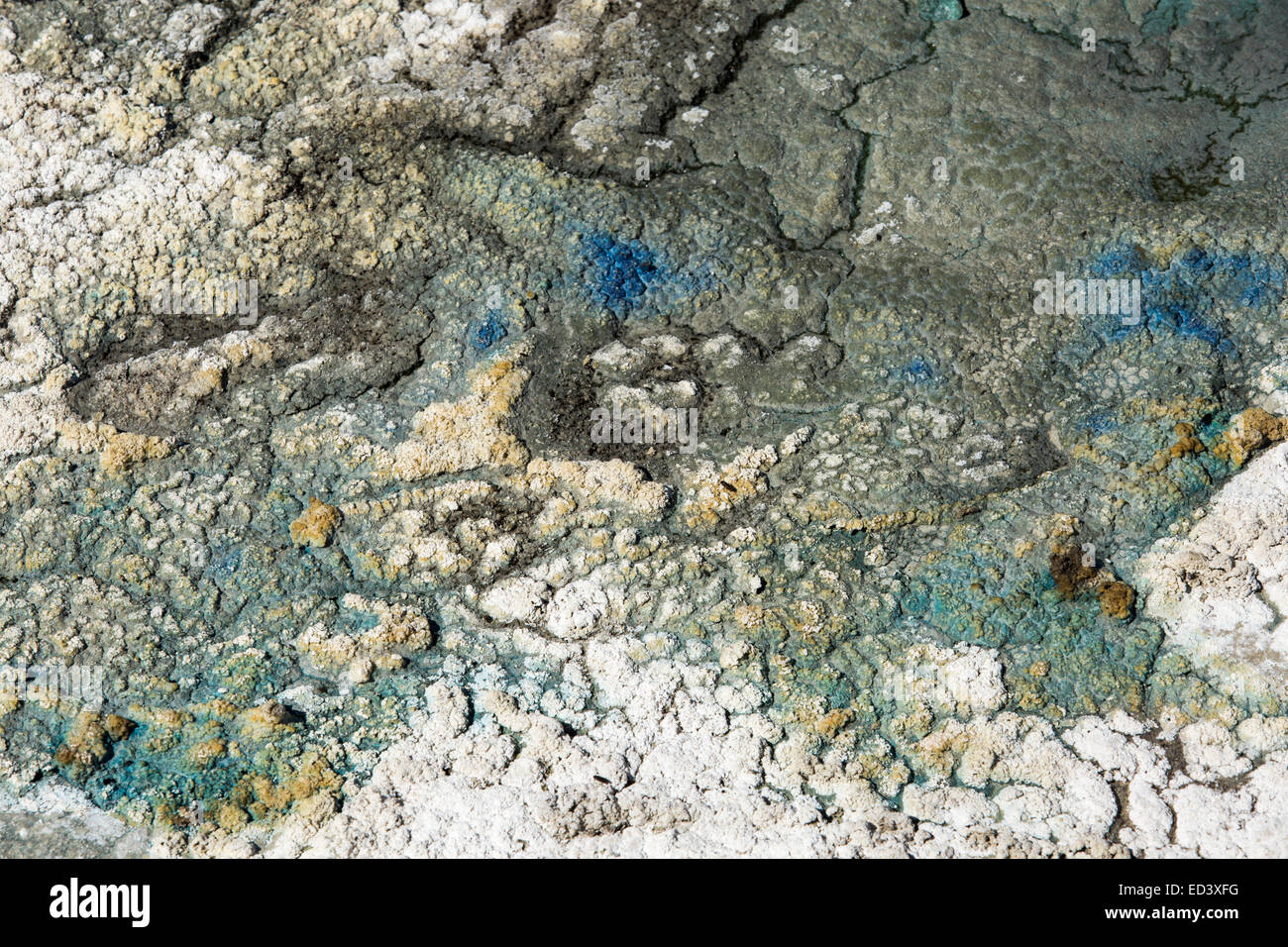
Credit: www.alamy.com
Algae Basics
Algae are simple plants found in water and moist places. They come in many shapes and sizes. Some are tiny, while others grow very large. Algae play a key role in water ecosystems. They produce oxygen and serve as food for many animals.
Understanding algae helps explain how they survive in different conditions. Their basic structure and life cycle reveal much about their ability to live through dry periods. Let’s explore the types of algae and their life cycle.
Types Of Algae
Algae come in three main types: green, red, and brown. Green algae are common in freshwater and land. They look like grass or small plants. Red algae mostly live in oceans and have a reddish color. Brown algae are usually large and live in cold ocean waters.
Each type of algae has different features. Some have one cell, while others have many cells. Their colors come from special pigments that help them absorb sunlight. These pigments help them make food through photosynthesis.
Algae Life Cycle
Algae have simple life cycles with two main stages: growth and reproduction. In the growth stage, algae produce food and increase in size. They use sunlight, water, and carbon dioxide for this process.
In reproduction, algae create new cells or spores. Some algae reproduce by splitting into two cells. Others release spores that grow into new algae. This cycle helps algae survive harsh conditions, including dry periods.
Effects Of Drying On Algae
Drying has a strong impact on algae. It can change their structure and life process. This section explores what happens to algae during drying and how they try to survive.
Understanding these effects helps us know if algae die or just go dormant. It also explains their ability to return to life once water is available again.
What Happens During Drying
When algae dry, water leaves their cells. This causes cells to shrink and become stiff. The loss of water stops many chemical reactions inside the algae. Without water, algae cannot grow or produce energy.
Photosynthesis, the process algae use to make food, stops. Cell walls may crack or break if drying is too fast. Some algae lose pigments that give them color. This makes them look pale or brown.
Survival Mechanisms
Some algae survive drying by entering a resting state. In this state, their metabolism slows down a lot. They produce special molecules that protect their cells from damage. These molecules help keep cell structures intact.
Other algae form thick walls or cysts. These protect them from harsh dry conditions. When water returns, algae can reactivate and start growing again. Not all algae have these survival tricks, so some die after drying.
Algae That Can Withstand Dry Conditions
Algae are often linked to wet environments like ponds and oceans. Yet, some algae thrive in dry places too. These special types can survive long periods without water. They pause their life processes and spring back with moisture. This ability helps them live in deserts, rocks, and tree bark.
Understanding these algae shows us how life adapts to tough conditions. It also reveals nature’s power to endure and recover. Let’s explore the types of algae that resist drying out and how they manage to survive.
Desiccation-tolerant Species
Some algae species can survive complete drying. These are called desiccation-tolerant algae. They lose almost all their water but do not die. These algae are found in dry soils, rocks, and tree surfaces. Examples include some green algae and cyanobacteria. They pause their growth during dry periods. When water returns, they quickly restart their activities.
Adaptations For Survival
These algae have special tricks to survive dryness. They produce protective sugars that keep their cells safe. Their cell walls are strong and flexible to avoid damage. Some algae make antioxidants that stop cell harm. Others shrink their bodies to reduce water loss. These adaptations let algae stay alive for months or years without water.
Algae That Die When Dry
Algae are a diverse group of organisms found in water or moist environments. Some algae cannot survive drying out. They lose water quickly and die without moisture. These types depend on wet conditions to live and grow.
Understanding which algae die when dry helps in studying their habitats. It also shows how sensitive certain species are to environmental changes.
Vulnerable Species
Many green algae die when dry. These algae have thin cell walls. They lack special structures to hold water. Without water, their cells break down. Many freshwater algae are vulnerable. They need constant moisture to survive.
Some red algae also cannot tolerate dryness. They live mostly in marine environments. When exposed to air and dryness, they die quickly. These species cannot enter a dormant state.
Factors Influencing Mortality
Temperature plays a role in algae survival. High heat speeds up water loss. Low humidity also causes rapid drying. Algae exposed to sunlight dry faster. Their cells suffer damage from UV rays.
Algae type affects how well they survive. Some have protective layers or can form spores. Spores help algae survive dry periods. Without this ability, algae die in dry conditions.
Environmental Impact Of Algae Drying
Drying algae affects the environment in several ways. It changes how algae interact with their surroundings. Understanding these effects helps us see the bigger picture. The process impacts ecosystems and soil health. These impacts can be positive or negative depending on how drying is done.
Effects On Ecosystems
Algae play a key role in many ecosystems. They produce oxygen and serve as food for small animals. Drying algae reduces their ability to support these roles. This can lower oxygen levels in water bodies. It also affects animals that eat algae, disrupting the food chain.
When algae die from drying, their nutrients return to the environment. This can cause nutrient imbalances. Excess nutrients may lead to harmful algae blooms later. These blooms harm fish and water quality. Careful management of algae drying is vital to protect ecosystems.
Algae And Soil Health
Dried algae can improve soil quality. They add organic matter and essential nutrients. This helps soil retain water and supports plant growth. Farmers sometimes use dried algae as natural fertilizer. It boosts soil fertility without harmful chemicals.
On the other hand, overuse of dried algae may cause nutrient overload. This can damage soil structure and harm beneficial microbes. Balancing algae use in soil is important. Proper drying and application keep soil healthy and productive.

Credit: oseamalibu.com
Practical Applications
Algae can dry out and appear dead, but their practical uses remain valuable. Many industries use dried algae for various purposes. Understanding these uses helps us appreciate algae’s role beyond water environments.
Even in dry form, algae hold nutrients and properties useful for farming and cleaning water. These benefits support sustainable practices and eco-friendly solutions.
Algae In Agriculture
Dried algae serve as natural fertilizer. They add nutrients like nitrogen and phosphorus to the soil. Farmers use algae to boost plant growth and improve soil health.
Algae also help retain moisture in dry soil. This reduces the need for frequent watering. Some algae types protect plants from pests without chemicals.
Algae In Water Treatment
Algae remove harmful chemicals from water. They absorb pollutants and heavy metals even after drying. Water treatment plants use algae to clean wastewater effectively.
Dried algae can filter toxins and improve water quality. This natural method lowers costs and reduces chemical use in treatment processes.
Future Research Directions
Future research in algae and drying processes holds many possibilities. Scientists aim to better understand how drying affects algae’s survival and quality. This knowledge can help improve preservation methods and expand algae’s uses.
Studies can explore how different drying techniques impact algae cells. Understanding which methods keep algae alive or maintain nutrients is key. This will guide practical applications in food, medicine, and industry.
Innovations In Algae Preservation
New ways to dry and store algae are under study. Techniques like freeze-drying or vacuum drying may keep algae healthier. Research looks at how these methods affect algae’s life and nutrients.
Scientists also explore natural additives that protect algae during drying. These can help algae survive harsh conditions. Better preservation means algae can be used longer and in more products.
Potential Uses Of Dried Algae
Dried algae has many possible uses beyond current ones. It can serve as a natural fertilizer, animal feed, or even biofuel. Research focuses on maximizing its benefits while keeping it safe.
Food and health industries show strong interest in dried algae. It offers nutrients and antioxidants in a simple form. Future studies aim to find new ways to include dried algae in diets.
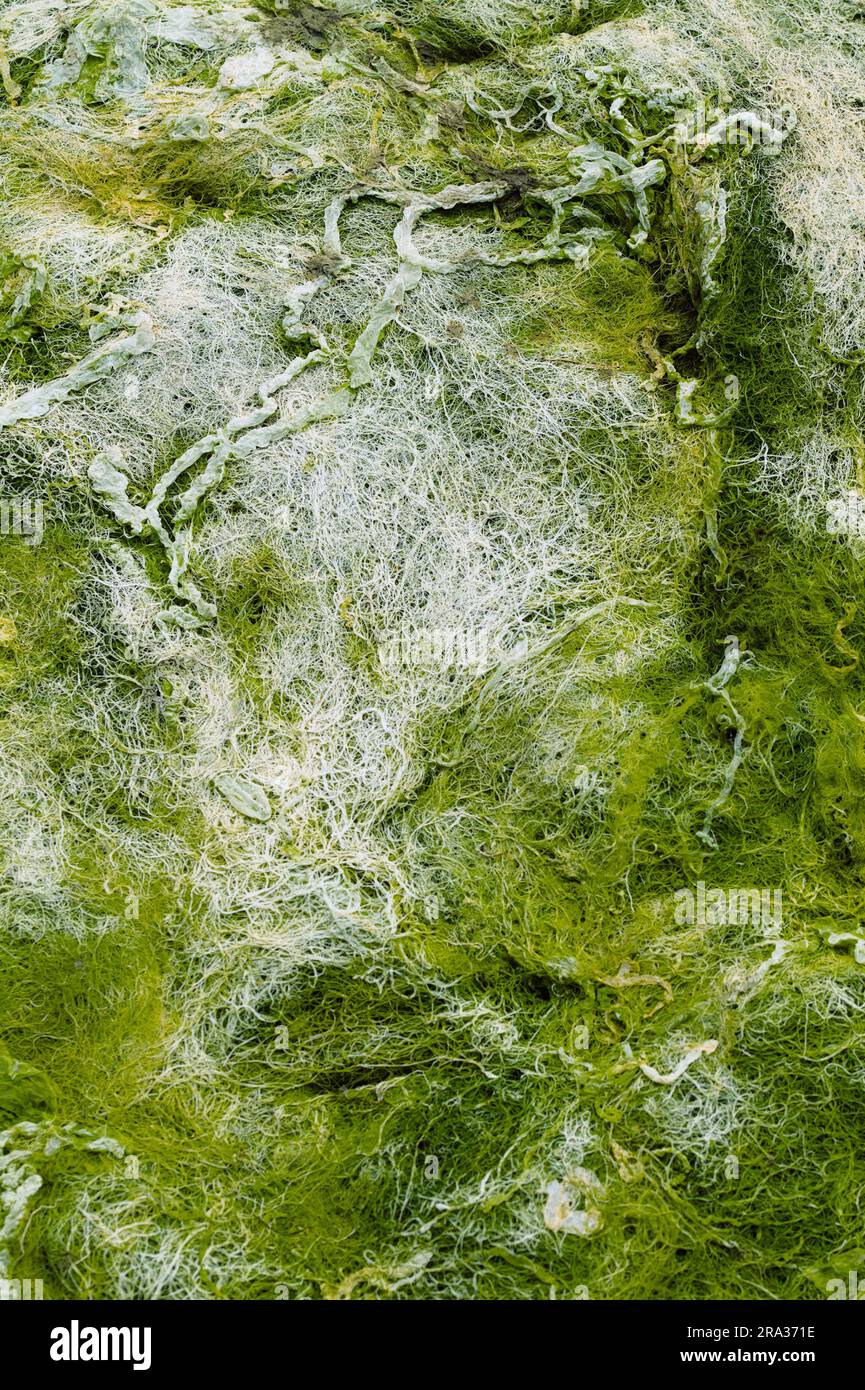
Credit: www.alamy.com
Frequently Asked Questions
Does Algae Survive After Drying Completely?
Algae usually do not survive complete drying. Most algae need water to live and grow. Drying removes their moisture, causing them to die.
Can Algae Revive After Being Dry For A While?
Some algae can revive if they dry slowly and not fully. They enter a dormant state and come back with water. But many types cannot recover after drying.
Why Does Drying Kill Algae Cells?
Drying removes water, which algae cells need to keep their shape. Without water, cells shrink and break apart. This stops algae from working and growing.
How Long Can Algae Stay Alive Without Water?
Algae’s survival time without water varies by type. Some survive hours; others can last days or weeks if not fully dry. Most need water soon to stay alive.
Does Drying Algae Affect Water Ecosystems?
Drying algae in water bodies can reduce oxygen and food for aquatic life. It changes the balance of plants and animals. This can harm fish and other creatures.
Can Dried Algae Be Used For Anything Useful?
Yes, dried algae are often used as fertilizer, animal feed, and in cosmetics. Drying helps preserve algae for these uses. It makes algae easier to store and transport.
What Conditions Help Algae Survive Drying?
Cool, shaded, and moist conditions help algae survive drying longer. Rapid or intense drying causes more damage. Gentle drying increases chances of algae revival.
Conclusion
Algae can survive dry conditions for some time. Many species go dormant rather than die. They wait for water to return and grow again. Drying slows down their life processes. Not all algae survive long without moisture. Understanding this helps in gardening and water care.
It also guides how to handle algae in different places. Knowing algae’s response to dryness is useful. It shows nature’s way to adapt and survive.