
Are you planning to install a shower directly on your concrete floor? You might be wondering if a shower pan liner is really necessary.
It’s a question that can save you a lot of trouble down the road. Without the right protection, water can seep through cracks and cause serious damage to your bathroom’s foundation. But what exactly does a shower pan liner do, and how does it work with a concrete floor?
Keep reading to find out why this simple layer could be the key to a long-lasting, leak-free shower you’ll never regret.
Purpose Of A Shower Pan Liner
A shower pan liner is a thin, waterproof layer placed under the shower floor. It stops water from leaking through the shower base. This layer is essential for any shower built on a concrete floor. The liner acts as a shield to protect the structure below from water damage. It also helps maintain the shower’s integrity over time.
Waterproofing Benefits
The main job of a shower pan liner is to keep water inside the shower area. Water can seep through cracks and gaps in the floor without a liner. A waterproof liner creates a barrier that prevents water from reaching the concrete. This stops mold and mildew from growing under the shower. It also keeps the bathroom dry and safe.
Preventing Structural Damage
Water can damage the concrete and wood beneath the shower. Over time, this damage can weaken the floor and cause costly repairs. A shower pan liner protects the structure by stopping water leaks. It prevents rot, decay, and cracks in the building materials. This keeps the bathroom strong and stable.
Extending Shower Lifespan
A shower pan liner helps the shower last longer. By stopping water damage, it reduces the need for repairs and replacements. The liner keeps the shower base in good condition. This means fewer problems and less money spent on fixing leaks or broken tiles. A liner ensures your shower stays functional for years.
Concrete Floors And Shower Pans
Concrete floors are common in many homes and buildings. They provide a strong base for many types of flooring. But using concrete under a shower pan needs special care. Concrete alone cannot protect against water damage. This section explains why a shower pan liner is important on concrete floors.
Properties Of Concrete
Concrete is a mix of cement, sand, gravel, and water. It hardens into a solid, durable surface. Concrete is strong and can hold heavy weight. It is often used in basements and bathrooms. But concrete is porous. This means it can absorb water and moisture.
Challenges With Moisture
Moisture can seep through concrete. This can cause mold and mildew under the shower. Water can also damage the floor and walls. Moisture buildup leads to unpleasant smells. It can weaken the structure over time. Concrete alone does not stop water from passing through.
Why Concrete Alone Isn’t Enough
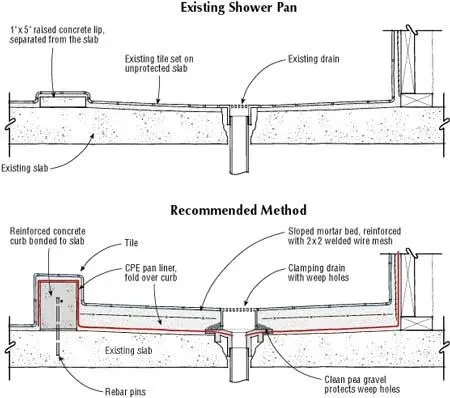
Concrete does not create a waterproof barrier. Water can travel through tiny cracks and pores. This can cause leaks in the floor below. A shower pan liner acts as a shield. It stops water from reaching the concrete. This protects your home from water damage and costly repairs.
Types Of Shower Pan Liners
Shower pan liners play a key role in protecting concrete floors from water damage. They act as a barrier, stopping water from leaking into the subfloor. Different materials make up these liners, each with unique features. Understanding these types helps in choosing the right one for your shower.
Pvc Liners
PVC liners are popular for their durability and flexibility. They resist chemicals and are easy to install. These liners can last many years without cracking or tearing. They work well in wet areas and handle temperature changes.
Cpe Liners
CPE liners are made from chlorinated polyethylene. They are tough and strong. These liners resist punctures and tears better than many other types. CPE liners also offer good waterproofing for concrete floors. They are a good choice for heavier use.
Rubber Liners
Rubber liners provide excellent waterproofing. They stretch easily to fit different shapes and sizes. These liners are less common but very reliable. Rubber liners can handle rough surfaces without damage. They also help reduce noise from water flow.
Credit: www.diychatroom.com
Installation Process
The installation process of a shower pan liner on a concrete floor requires careful steps. Proper installation protects your bathroom from water damage. It ensures the liner works effectively for a long time. Follow these simple steps to install the liner correctly.
Preparing The Concrete Base
Start by cleaning the concrete floor thoroughly. Remove dust, dirt, and any debris. Check for cracks or holes and fill them with a patching compound. The surface must be smooth and dry. This step helps the liner to lie flat without gaps.
Liner Placement Techniques
Roll out the liner carefully over the concrete base. Allow extra material to cover the edges and corners. Press the liner firmly against the floor and walls. Avoid wrinkles or folds that can cause leaks. Cut the liner neatly around drain openings for a tight fit.
Sealing And Testing For Leaks
Seal all seams and edges using waterproof tape or sealant. Pay close attention to corners and joints. Let the sealant dry completely as per instructions. Test for leaks by pouring water over the liner. Check for any signs of water escaping underneath.
Common Mistakes To Avoid
A shower pan liner stops water from leaking through the floor. Many make mistakes that cause leaks or damage. Avoiding these common errors helps your shower last longer. Proper installation is key for a safe, dry bathroom.
Incorrect Slope Setup
The shower floor must slope toward the drain. Too flat or too steep causes water to pool or drain poorly. A slope of about 1/4 inch per foot works best. Incorrect slope leads to leaks and damage over time.
Improper Sealing
Sealing the liner edges is crucial to stop water escaping. Missing spots or weak seals allow water to seep under the floor. Use waterproof sealant and press the liner firmly. Proper sealing prevents costly repairs later.
Using The Wrong Materials
Not all liners suit concrete floors. Thin or non-waterproof liners fail quickly. Choose thick, durable materials made for wet areas. Using cheap or wrong liners risks leaks and mold growth.
Building Codes And Regulations
Building codes and regulations ensure safety and quality in construction projects. They set rules for installing shower pan liners on concrete floors. These rules protect your bathroom from water damage and mold. Understanding these codes helps avoid costly repairs and fines.
Local Code Requirements
Local codes vary by city and state. They often require a waterproof barrier under the shower floor. This barrier stops water from seeping into the concrete. Many local codes specifically mention using a shower pan liner. Checking with your local building office is important before starting work.
Industry Standards
Industry standards guide proper shower pan liner installation. The Tile Council of North America (TCNA) sets popular standards. They recommend a continuous waterproof membrane under the shower base. Standards also specify the materials and thickness for liners. Following these ensures durability and leak protection.
Inspection Tips
Inspectors check for proper liner installation during building inspections. They look for a seamless liner covering the entire shower floor. Inspectors also verify the liner extends up the walls correctly. Having documentation of liner type and installation helps pass inspections. Fixing mistakes before the final inspection saves time and money.
Alternatives To Traditional Liners
Shower pan liners keep water from damaging floors. Traditional liners are common but not the only option. Alternatives offer different benefits and installation methods. These choices can fit various budgets and project needs.
Liquid Waterproofing Membranes
Liquid membranes are paint-like materials that create a waterproof layer. They bond directly to concrete floors and walls. This method seals all joints and corners without seams. The liquid dries fast and forms a flexible barrier. It prevents water from reaching the floor below. This option suits irregular shapes and tight spaces well.
Prefabricated Shower Pans
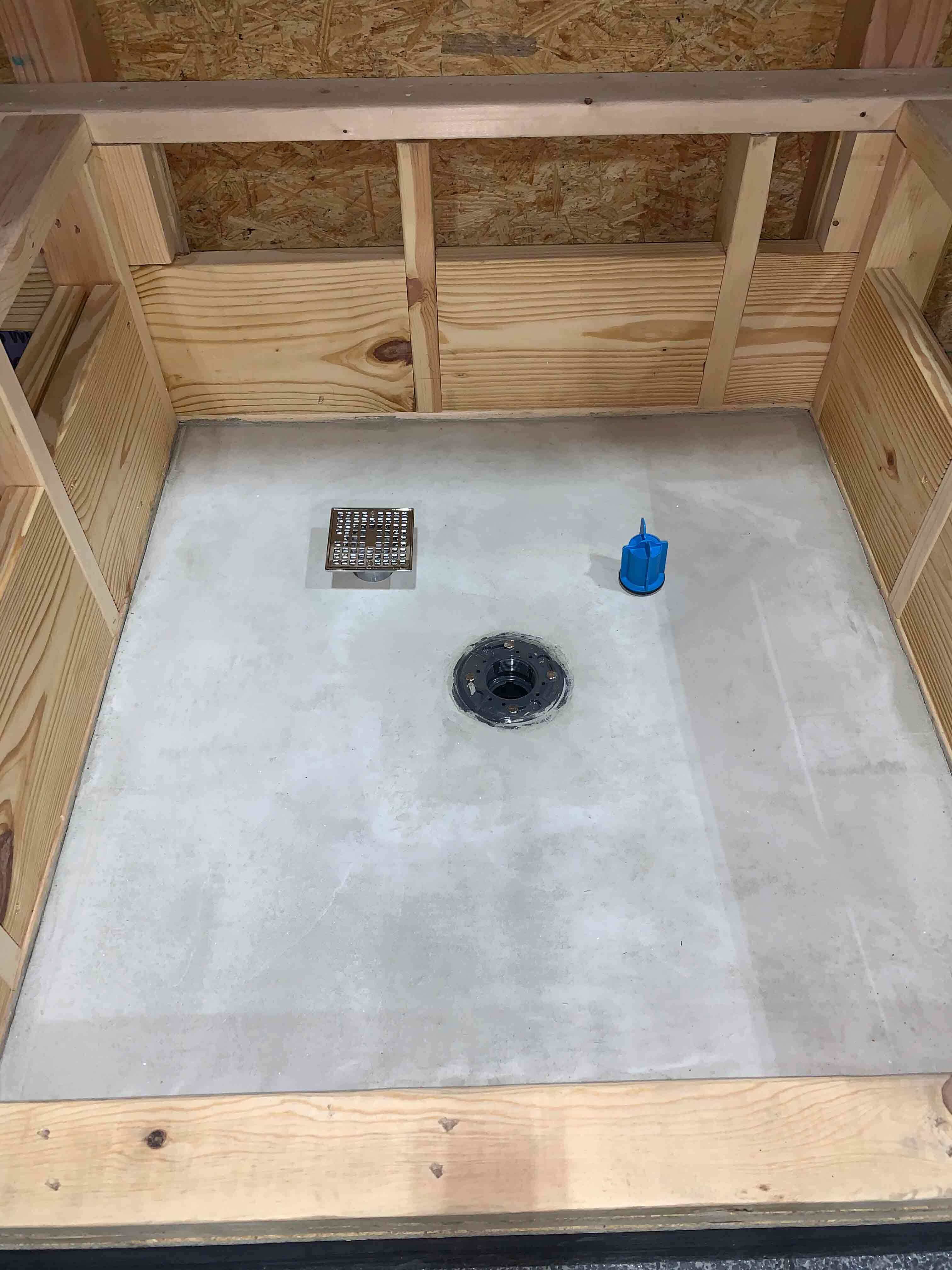
Prefabricated pans come ready-made from plastic or fiberglass. They are placed on top of the concrete floor. These pans have built-in slopes to guide water to the drain. Installation is quicker compared to building a liner from scratch. They offer a neat, uniform surface. Prefabricated pans reduce the chance of leaks if installed correctly.
Waterproof Backer Boards
Waterproof backer boards replace traditional cement boards. They resist moisture and mold better. These boards go on walls and floors under tiles. Some types include a waterproof layer or coating. They add an extra barrier against water penetration. Using them can reduce the need for a separate liner.
Credit: www.oatey.com
Maintenance And Repairs
Maintaining and repairing a shower pan liner on a concrete floor helps protect your bathroom from water damage. Regular care keeps the liner strong and prevents costly repairs. Catching problems early saves time and money.
Detecting Leaks Early
Check for water stains or damp spots around the shower base. Smell for musty odors that suggest hidden moisture. Watch for cracks or soft spots in the floor near the shower. Early signs often appear before major damage occurs. Fixing leaks early stops water from seeping into the concrete.
Fixing Liner Damage
Tears or holes in the liner must be repaired quickly. Use a waterproof patch kit designed for shower liners. Clean and dry the area before applying the patch. Smooth out bubbles to ensure a tight seal. Replace the liner if damage is widespread or the liner is old.
Routine Shower Pan Care
Keep the shower floor clean and dry after use. Remove soap scum and dirt to prevent buildup on the liner. Avoid harsh chemicals that can weaken the liner material. Inspect the liner regularly for signs of wear or damage. Proper care extends the life of your shower pan liner.
Credit: www.jlconline.com
Frequently Asked Questions
What Is A Shower Pan Liner And Why Use It?
A shower pan liner is a waterproof layer beneath the shower floor. It stops water from leaking through concrete and causing damage. This helps keep your bathroom safe and dry.
Can You Install A Shower Pan Liner Directly On Concrete?
Yes, a shower pan liner can be installed directly on concrete. It creates a moisture barrier that protects the concrete from water damage. This is important for long-lasting shower durability.
How Does A Shower Pan Liner Protect Concrete Floors?
The liner blocks water from seeping into concrete. This prevents cracks, mold, and structural damage. It keeps the floor stable and clean over time.
Is A Shower Pan Liner Necessary For All Concrete Showers?
Not always, but it’s highly recommended for most concrete showers. It adds extra protection against leaks and water damage. Skipping the liner can risk costly repairs later.
What Materials Are Shower Pan Liners Made Of?
Most liners are made from PVC or CPE plastic sheets. These materials are flexible, durable, and waterproof. They are easy to install and reliable for moisture control.
How Do You Maintain A Shower Pan Liner On Concrete?
Regularly check for cracks or damage in the shower floor. Clean the drain area to prevent clogs and leaks. Proper care helps the liner last longer and work better.
Can A Shower Pan Liner Prevent Mold Growth On Concrete Floors?
Yes, the liner keeps water from soaking into the concrete. Dry concrete discourages mold and mildew growth. This helps maintain a healthier bathroom environment.
Conclusion
A shower pan liner protects the concrete floor from water damage. Without it, water can seep into cracks and cause problems. Installing a liner helps keep your bathroom dry and safe. It also stops mold and mildew from growing under the floor.
Choosing the right liner is important for long-lasting results. A good liner saves money on repairs later. Think of it as a small step that makes a big difference. Protect your shower area well and enjoy peace of mind.