
When it comes to managing water flow around your home, you might hear the terms “boiler drain” and “hose bibb” and wonder what sets them apart. Understanding the difference can save you time, prevent costly mistakes, and keep your plumbing working smoothly.
Whether you’re tackling a simple outdoor watering task or dealing with your boiler system, knowing which valve to use—and when—is key. Keep reading, and you’ll soon feel confident handling both like a pro.
Credit: www.homedepot.com
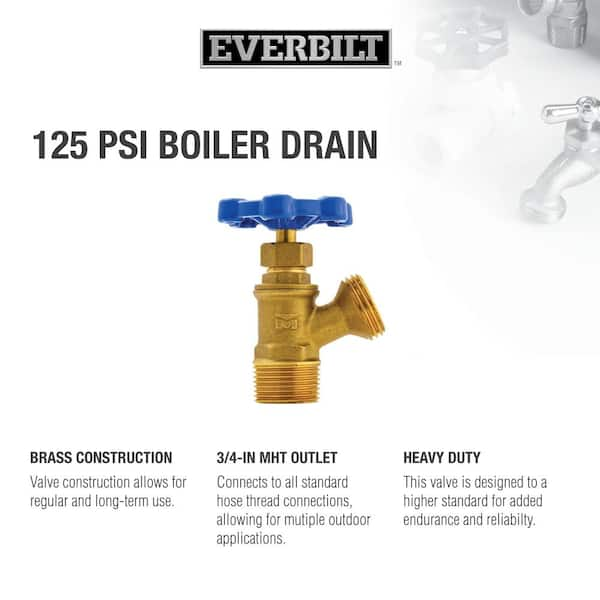
Boiler Drain Basics
A boiler drain is a small but important part of a heating system. It helps remove water and sediment from boilers. Proper drainage keeps the boiler working well and safe. Understanding the basics of boiler drains helps in maintaining your heating system effectively.
Purpose And Function
A boiler drain allows water to be emptied from the boiler system. It helps remove old water, dirt, and sludge that build up inside. This keeps the boiler clean and prevents damage. Draining also helps during repairs or replacements of parts.
Common Locations
Boiler drains are usually found near the bottom of the boiler. This position allows easy removal of sediment and water. They are often placed on the side or front of the boiler tank. This makes them easy to access for maintenance.
Materials And Design
Most boiler drains are made from durable metal, like brass or steel. These materials resist corrosion and heat. The design includes a simple valve or spigot to control water flow. Some may have a hose connection for easier drainage.
Hose Bibb Essentials
The hose bibb is a simple outdoor faucet. It connects your garden hose to the water supply. This tool helps with watering plants, washing cars, and cleaning outdoor areas. Most homes have at least one hose bibb. Understanding its uses and design helps you maintain your property better.
Primary Uses
A hose bibb mainly provides water outside the house. You use it to water gardens and lawns. It also helps fill pools or wash pets. People use hose bibbs to clean driveways or outdoor furniture. It is an easy way to access water outdoors.
Placement Around Property
Hose bibbs are usually placed on exterior walls. They are near gardens, patios, or garages. Placement depends on where water is needed most. Some homes have multiple hose bibbs around the yard. This makes watering and cleaning more convenient.
Typical Construction
Hose bibbs are made of durable materials like brass or stainless steel. They include a valve to control water flow. A threaded spout lets you attach hoses easily. Some have a frost-proof design to prevent freezing. This helps them last through cold winters.
Comparing Functions
Understanding the differences between a boiler drain and a hose bibb helps in choosing the right tool for your needs. Both serve to control water flow but differ in their design and purpose. This section compares their functions clearly and simply.
Water Flow Control
A boiler drain controls water flow in heating systems. It allows draining or flushing of water from boilers or pipes. The flow is usually slow and controlled to avoid damage.
A hose bibb is a faucet for outdoor water use. It offers quick and easy water access. You can attach a hose for watering plants or washing cars.
Usage Scenarios
Boiler drains are mostly inside buildings. They are used during maintenance or repair of heating systems. Their main job is to empty water safely and slowly.
Hose bibbs are found outside homes or gardens. They are useful for everyday water tasks outside. These include filling buckets or connecting sprinklers.
Pressure Handling
Boiler drains handle moderate water pressure from heating systems. They are built to withstand hot water and steam. This makes them strong against wear and tear.
Hose bibbs handle typical outdoor water pressure. They work well with garden hoses and sprinklers. They are not designed for very high pressure or hot water.

Credit: www.firstsupply.com
Installation Differences
Understanding the installation differences between a boiler drain and a hose bibb is important for proper setup. Each has unique requirements based on its function. This guide breaks down key points about their installation.
Connection Types
A boiler drain usually connects directly to the boiler’s drain valve. It often has a threaded fitting for easy attachment. Hose bibbs connect to the water supply line outside the home. They typically have a threaded spout to attach garden hoses.
Boiler drains often use metal fittings for heat resistance. Hose bibbs use brass or plastic to handle outdoor conditions. The connection style affects how you install and use each fixture.
Required Tools
Installing a boiler drain requires pipe wrenches and thread seal tape. You may need a pipe cutter to fit the drain valve properly. Hose bibb installation involves a pipe wrench or adjustable wrench.
Sometimes, a drill is needed to mount the hose bibb on the wall. Both installations require sealants to prevent leaks. The tools needed differ slightly due to connection and location.
Maintenance Needs
Boiler drains require periodic checks for leaks and corrosion. Flushing the drain helps keep the boiler system clean. Hose bibbs need winterizing to prevent freezing and cracking.
Regular inspection of the hose bibb’s washer and valve is important. Both fixtures demand simple upkeep but focus on different issues because of their uses.
Safety And Regulations
Safety and regulations are crucial when working with boiler drains and hose bibbs. These fixtures handle water under pressure and sometimes hot water. Proper installation and use reduce risks and ensure compliance with local laws. Understanding rules helps prevent accidents and damage.
Code Requirements
Building codes set rules for installing boiler drains and hose bibbs. These rules protect people and property. Codes require backflow prevention to stop water from flowing backward. They also set pressure limits and proper materials for pipes and valves. Inspectors check installations to ensure they meet these standards.
Potential Hazards
Boiler drains and hose bibbs can cause hazards if not used correctly. Hot water can cause burns or scalds. Leaks can lead to water damage or mold growth. Improper drainage can cause flooding. Contaminated water may flow back into clean water systems, risking health. Regular checks help catch problems early.
Best Practices
Use the right tools and materials for installation. Always install backflow preventers on hose bibbs. Drain boilers carefully, following manufacturer instructions. Wear protective gloves and eyewear when handling hot water. Schedule regular maintenance to catch leaks or corrosion. Keep areas around drains and bibbs clean and clear.
Credit: www.usplastic.com
Choosing Between The Two
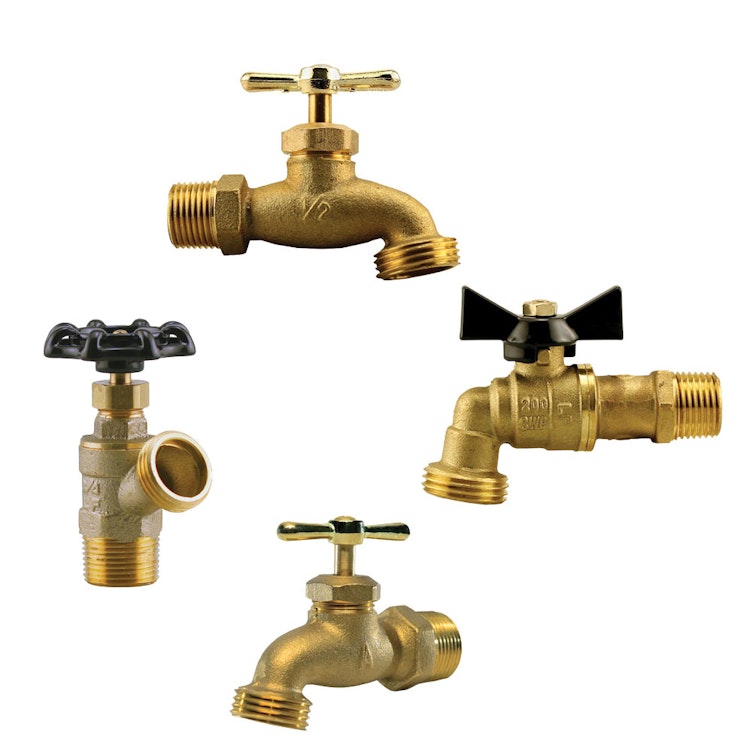
Choosing between a boiler drain and a hose bibb depends on your specific needs. Both serve different purposes in plumbing systems. Selecting the right one ensures ease of use and proper function. Consider several factors before making your choice.
Factors To Consider
Check the location where you need water access. A hose bibb is ideal for outdoor watering tasks. A boiler drain suits indoor plumbing and maintenance needs. Think about the water pressure required. Also, consider the ease of installation and use. The material quality impacts durability. Choose a product that fits your plumbing system type.
Cost Implications
Hose bibbs usually cost less than boiler drains. Installation costs can vary depending on the plumbing setup. Boiler drains may need professional installation, raising expenses. Hose bibbs often allow for simple DIY installation. Consider the price of parts and potential repairs. Choose an option that fits your budget without sacrificing quality.
Long-term Benefits
Boiler drains help in draining and maintaining heating systems. They reduce the risk of water damage and system failure. Hose bibbs provide easy access to water for gardening or washing. Both options improve convenience and system efficiency. Think about which benefit suits your daily needs best. Investing in the right fixture saves time and money later.
Frequently Asked Questions
What Is The Main Difference Between A Boiler Drain And Hose Bibb?
A boiler drain is used to empty water from a boiler system safely. A hose bibb is an outdoor faucet used to connect garden hoses for watering or cleaning.
Can A Hose Bibb Replace A Boiler Drain In Plumbing?
No, a hose bibb cannot replace a boiler drain. The boiler drain is designed for draining boilers, while a hose bibb handles outdoor water access.
Where Is A Boiler Drain Typically Installed?
Boiler drains are installed near the bottom of the boiler or boiler system. This placement helps remove water and sediment easily.
What Materials Are Boiler Drains And Hose Bibbs Made From?
Boiler drains and hose bibbs are usually made from brass or durable metal. These materials resist corrosion and handle water pressure well.
How Do You Use A Boiler Drain Safely?
Open the boiler drain slowly to release water and pressure. Always ensure the system is cooled down to avoid burns.
Can Hose Bibbs Be Used Indoors Like Boiler Drains?
Hose bibbs are mostly for outdoor use and are not suitable for indoor boiler draining. Boiler drains are designed for safe indoor water release.
Why Is Regular Maintenance Important For Boiler Drains?
Regular maintenance prevents blockages and leaks in boiler drains. It ensures the boiler system works efficiently and safely over time.
Conclusion
Knowing the difference between a boiler drain and a hose bibb helps you choose the right tool. Boiler drains remove water from heating systems safely. Hose bibbs provide easy access to outdoor water. Each has a clear purpose in home maintenance.
Using the right one saves time and prevents damage. Keep these points in mind for better plumbing care. Simple steps can avoid costly repairs later. Understanding these basics makes home tasks easier and safer.