
Are you planning to install a shower on a concrete floor and wondering if you really need a shower pan? This question is more important than you might think.
The right choice can protect your bathroom from leaks, mold, and costly damage down the line. You want your shower to last, stay safe, and look great. Keep reading to find out why a shower pan might be the essential piece you can’t afford to skip—and how it can save you headaches and money in the future.
Don’t start your project without this crucial information!
Purpose Of A Shower Pan
A shower pan plays a crucial role in bathroom construction. It acts as a barrier between the shower floor and the concrete beneath. This small but important part helps keep your bathroom dry and safe. Knowing its purpose helps you decide if you need one on a concrete floor.
Preventing Water Damage
The main job of a shower pan is to stop water from leaking. Water can seep through cracks and damage the concrete floor below. Over time, this causes mold and rot. A shower pan catches all water and directs it to the drain. It keeps your bathroom structure strong and healthy.
Enhancing Shower Durability
A shower pan adds strength to the shower base. It supports tiles and prevents them from cracking. Without a pan, water can weaken the floor and cause tiles to loosen. A durable shower pan means fewer repairs and longer-lasting showers. It helps maintain the overall quality of your bathroom.
Concrete Floors And Waterproofing
Concrete floors are common in many homes and buildings. They are strong and last a long time. But concrete is not fully waterproof. Water can pass through tiny holes in the surface. This can cause problems in places like showers.
Waterproofing protects the concrete floor from water damage. It stops water from seeping through and causing leaks. Without waterproofing, moisture can lead to mold and damage. This is why it is important to understand how concrete interacts with water.
Porosity Of Concrete
Concrete is porous, meaning it has small holes inside. These holes allow water to pass through. The size and number of holes depend on how the concrete was made. More porous concrete soaks up more water.
Water can travel through the concrete and reach the floor below. This can cause dampness and weaken the structure. Sealing or waterproofing these pores helps keep water out. This step is crucial in wet areas like showers.
Risks Without Waterproofing
Without waterproofing, water can damage the concrete floor and subfloor. Moisture can cause mold and mildew, which harm health. Water can also cause the concrete to crack and break down.
Damage to floors can lead to costly repairs. It can also make the shower unsafe and uncomfortable. Waterproofing prevents water from reaching these areas. This keeps your shower clean, dry, and long-lasting.
Types Of Shower Pans
Choosing the right shower pan is important for a concrete floor. It protects your bathroom from water damage. There are different types of shower pans. Each type has its own benefits and uses.
Prefabricated Pans
Prefabricated pans come ready to install. They are made from materials like acrylic or fiberglass. These pans are lightweight and easy to fit. They work well for quick bathroom updates. Prefabricated pans come in many shapes and sizes. Their smooth surface makes cleaning simple.
Custom Mortar Pans
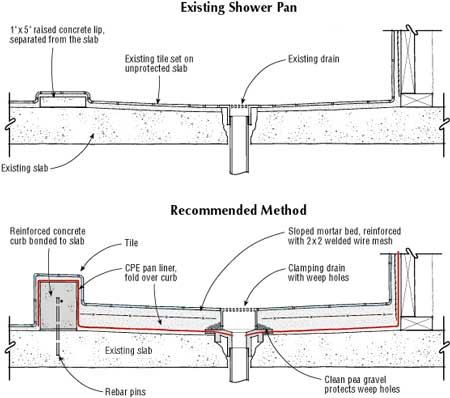
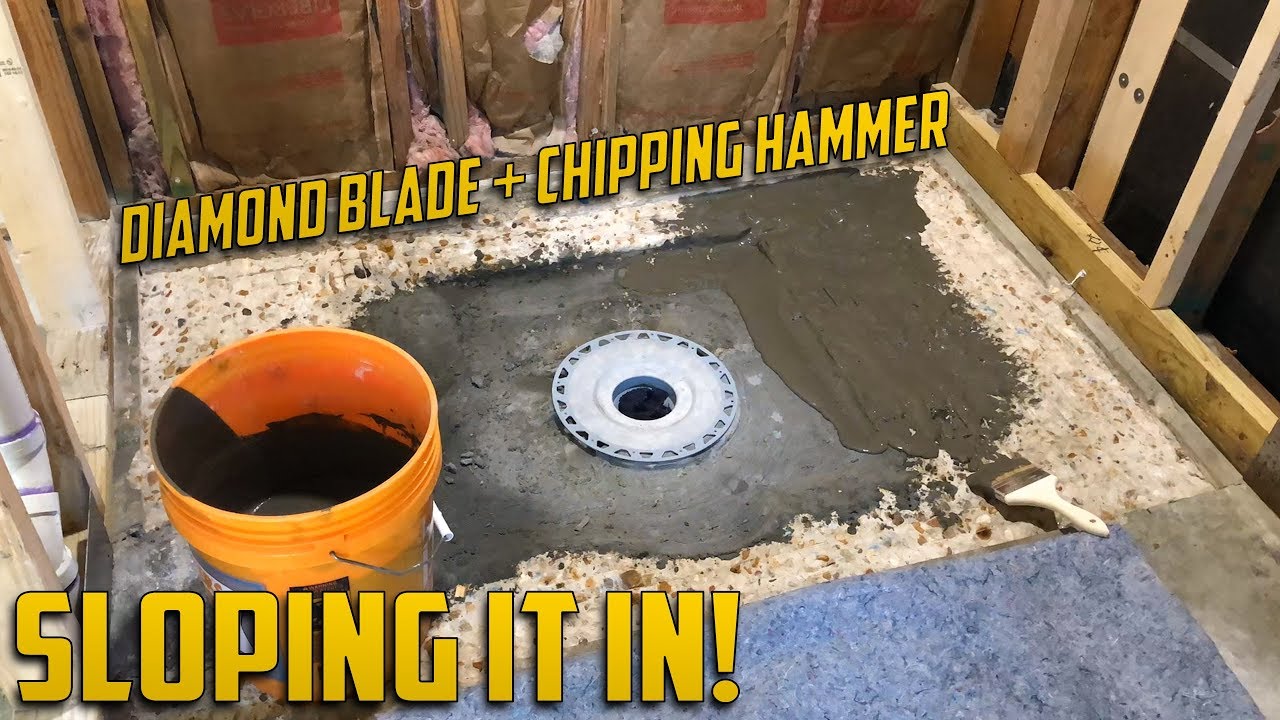
Custom mortar pans are built on-site. They use a mixture of sand and cement. This creates a strong, waterproof base. Mortar pans fit any shower size or shape. They allow for unique tile designs. The slope directs water to the drain. Proper installation is key for durability.
Liquid Waterproofing Membranes
Liquid waterproofing membranes form a seamless barrier. They are applied over the concrete floor. These membranes prevent water from leaking below. They can be used with mortar pans or tiles. Liquid membranes are flexible and durable. They help protect against mold and water damage.
Credit: www.jlconline.com
Installation Considerations
Installing a shower pan on a concrete floor requires careful planning. The right steps ensure water flows properly and no leaks occur. Focus on key details during installation to protect your bathroom and home.
Slope And Drainage
The shower floor must slope toward the drain. This slope stops water from pooling. A slope of about 1/4 inch per foot works well. Proper drainage prevents water damage and mold growth. Check the slope before installing the pan. Adjust if needed to keep water moving to the drain.
Sealing Joints And Edges
Sealing is critical to keep water inside the shower. Use waterproof sealant on all joints and edges. This includes where the pan meets the walls and floor. Sealing stops leaks that can damage the concrete below. Inspect seals regularly and fix any cracks or gaps. Good sealing extends the life of your shower installation.
Alternative Waterproofing Methods
Concrete floors need protection against water damage. A shower pan is one way, but there are other options. These methods keep water from seeping into the floor and walls. They help avoid costly repairs and mold growth.
Waterproof Membranes On Concrete
Waterproof membranes are thin layers applied directly to concrete. They create a strong barrier against water. These membranes are flexible and can handle floor movement. They work well under tiles and other finishes. Applying them requires a clean, dry surface. Some membranes are liquid and brush on like paint. Others come as sheets that stick to the floor. Both types stop water from reaching the concrete below.
Tile-backer Boards With Waterproofing
Tile-backer boards add strength and waterproofing to shower floors. These boards go over the concrete base. They are made from materials that resist water damage. Many come with a built-in waterproof layer. This stops water from leaking through the floor. The boards also help tiles stick better. They reduce the chance of cracks in the tile surface. Installing these boards is faster than building a full shower pan. They offer a reliable, water-resistant base for showers.
Credit: www.reddit.com
Maintenance And Inspection
Maintaining and inspecting a shower pan on a concrete floor is important to keep your bathroom dry and safe. Small problems can turn into big repairs if ignored. Regular checks help spot issues early.
Signs Of Water Leakage
Look for water stains on the floor or walls near the shower. Soft or damp spots on the concrete mean water may be leaking. Musty or moldy smells also show moisture problems. Cracks in the floor or grout might let water escape. Pay attention to these signs to prevent damage.
Routine Waterproofing Checks
Check the shower pan’s waterproof layer often. Look for peeling, cracks, or holes in the material. Test by gently pouring water and watching if it pools or seeps through. Keep the drain clean to avoid blockages. Fix any damage quickly to protect the concrete floor underneath.
Cost And Benefits Analysis
Understanding the cost and benefits of installing a shower pan on a concrete floor helps in making a wise choice. This analysis covers both the upfront cost and the long-term savings. It explains why spending more now can save money later. Let’s break down the key points.
Initial Investment
Installing a shower pan adds to the total bathroom renovation cost. The pan itself costs between $100 and $500 depending on material and size. Labor charges increase if professionals install it. Concrete floors need proper preparation before placing the pan. This step ensures the pan fits well and prevents leaks. Choosing a cheaper pan might save money at first. But, lower quality pans can crack or fail faster. A solid, well-installed pan protects the floor from water damage.
Long-term Savings
A good shower pan prevents water leaks and mold growth. Fixing water damage can be very expensive. Mold removal and floor repairs cost thousands of dollars. A proper pan reduces these risks significantly. It also protects your home’s structure and indoor air quality. Shower pans last many years with little maintenance. This durability means fewer repairs and replacements. In the long run, the pan saves money by avoiding costly damage. It adds value to your home and peace of mind.
Credit: www.youtube.com
Frequently Asked Questions
Do I Need A Shower Pan On A Concrete Floor?
A shower pan protects against water leaks from the shower area. Concrete floors can crack, so a pan helps prevent water damage and mold.
What Is The Purpose Of A Shower Pan?
A shower pan acts as a waterproof barrier under the shower floor. It directs water to the drain and stops leaks into the subfloor.
Can I Install A Shower Pan Directly On Concrete?
Yes, you can install a shower pan on concrete, but the floor must be clean and level. Proper sealing is important for waterproofing.
What Types Of Shower Pans Work Best On Concrete?
Pre-formed acrylic or fiberglass pans work well on concrete floors. Custom-built mortar pans can also be used for a solid, waterproof base.
How Does A Shower Pan Prevent Water Damage?
The shower pan collects water and guides it to the drain. It stops water from seeping into the concrete and causing cracks or mold.
Is A Shower Pan Necessary For Tile Showers On Concrete?
Yes, a shower pan is needed under tile showers to keep water from penetrating the concrete. Tiles alone are not waterproof.
How Do I Maintain A Shower Pan On A Concrete Floor?
Keep the shower pan clean and check for cracks or leaks regularly. Proper maintenance helps extend its life and prevents water damage.
Conclusion
A shower pan protects your floor from water damage. Concrete floors need a proper barrier to stop leaks. Installing a shower pan helps keep your bathroom dry and safe. It also prevents mold and costly repairs later on. Choose the right shower pan for your concrete floor.
This small step saves you trouble and expense in the future. Don’t skip this important part of your shower setup. Your home will stay stronger and cleaner with it. Easy to install and worth the effort.