
Are you tired of unpleasant smells lingering in your home because of your cat’s litter box? You might be wondering if a covered litter box can actually help reduce those odors.
The idea sounds simple—just cover the litter box, and the smell disappears. But does it really work that way? You’ll discover the truth about covered litter boxes and how they affect odor. By the end, you’ll know whether switching to a covered option is the solution you’ve been looking for to keep your space fresh and clean.
Keep reading to find out what really makes a difference for your nose and your cat’s comfort.
Credit: ptlom.com
How Covered Litter Boxes Work
Covered litter boxes help control odor by enclosing the litter area. They create a barrier between the litter and the room. This barrier limits the spread of smells. Cats also get privacy, which many prefer. Understanding how these boxes function helps explain their odor control.
These boxes use design features to trap and reduce odors. They keep the litter and waste contained. This stops smells from escaping easily. The design also helps keep litter inside the box, reducing mess.
Design Features Of Covered Boxes
Covered litter boxes have a hood or lid that fits over the base. This hood blocks odors from leaving the box. Some have small openings or flaps for cats to enter. Many designs include filters to absorb smells. The enclosed shape also keeps dust and litter scatter inside.
Ventilation holes or charcoal filters help freshen the air inside. The materials used often prevent odor buildup. The size and shape are made to fit cats comfortably. These features work together to keep the box cleaner and less smelly.
Trapping Odors Inside
The cover traps odors by sealing in the smell. Waste and urine stay inside the box. This stops the smell from spreading into the room. Filters in the lid absorb bad smells. Some models use carbon or charcoal filters for this.
Trapping odors inside also lowers the chance of the smell sticking to furniture. The sealed design keeps scents from escaping. It makes the room smell fresher for longer. Regular cleaning is still necessary to keep odors low.
Odor Control Comparison
Odor control is a key concern for cat owners choosing a litter box. Many wonder if covered litter boxes hold in smells better than uncovered ones. This section compares how each type manages odors. Understanding material impact on odor control is also important. This helps find the best option for a fresh-smelling home.
Covered Vs. Uncovered Boxes
Covered litter boxes trap odors inside the box. The lid blocks smells from escaping into the room. This helps reduce the smell in small spaces.
Uncovered boxes allow air to flow freely. This can let odors spread more quickly. But they also dry out the litter faster. Dry litter holds fewer smells.
Covered boxes can sometimes trap moisture. This may cause stronger odors if cleaning is delayed. Uncovered boxes need more frequent cleaning to control smells.
Effectiveness Of Different Materials
Plastic is the most common material for litter boxes. It is easy to clean but may hold odors over time. Scratches in plastic can trap smells.
Some covered boxes use carbon filters. These help absorb odors inside the box. Filters need regular replacement to work well.
Uncovered boxes usually have no filters but allow good airflow. This helps reduce strong ammonia smells from urine.
Litter type also affects odor. Clumping litter locks in moisture and odors better than non-clumping types.
Ventilation And Airflow Impact
Ventilation and airflow greatly affect how much odor comes from covered litter boxes. Good airflow helps move bad smells out and keeps the air fresh. Poor ventilation traps odors inside, making the box smell stronger. Understanding how air moves through and around the box can help reduce unpleasant smells.
Role Of Air Circulation
Air circulation pushes fresh air inside the litter box. It also pulls smelly air out. This exchange lowers the buildup of odors. Without air movement, smells stay trapped under the cover. Circulation stops the air from becoming stale. It helps the litter dry faster, which also reduces odor.
Common Ventilation Designs
Many covered litter boxes use vents on the sides or top. These vents allow air to flow while keeping the cat’s privacy. Some boxes have small fans to improve airflow. Others use natural openings that do not let litter scatter. The position and size of vents influence how well air moves. Good designs balance airflow and odor control without letting smell escape too much.

Credit: www.nytimes.com
Cleaning And Maintenance Tips
Keeping a covered litter box clean is key to reducing bad smells. Proper cleaning stops odors from building up inside the box. Good maintenance also helps your cat stay happy and healthy.
Simple cleaning habits make a big difference in how the litter box smells. Regular care keeps the box fresh and pleasant in your home.
Frequency Of Cleaning
Clean the litter box daily. Scoop out clumps and waste every day. This prevents smells from growing strong.
Change the litter completely once a week. Wash the box with warm water and mild soap. Rinse well and dry before adding new litter.
If you have multiple cats, clean more often. More cats mean more waste and faster odor buildup.
Best Practices For Odor Reduction
Use clumping litter to trap moisture and odors. It makes scooping easier and keeps the box cleaner longer.
Add a small amount of baking soda to the litter. Baking soda helps absorb smells naturally.
Keep the covered box in a well-ventilated area. Air flow reduces moisture and prevents odors from lingering.
Wash the cover and sides of the box regularly. Wipe with pet-safe cleaners to remove hidden dirt and smells.
Replace old litter boxes every year. Worn boxes can trap odors that cleaning cannot remove.
Health And Comfort For Cats
Cats need a safe and comfortable place to use the litter box. Health and comfort affect their mood and behavior. A clean and suitable litter box helps keep cats happy. The choice between covered and uncovered boxes matters for their well-being. Understanding cats’ needs can improve their daily life.
Cats’ Preferences
Many cats prefer privacy while using the litter box. Covered boxes can provide a quiet, hidden space. Some cats feel safer and less stressed inside a covered box. Others may dislike the confined space and avoid it. Watch your cat’s behavior to know what they like best.
Potential Health Concerns
Poor airflow in covered litter boxes can cause problems. Ammonia from urine builds up faster without ventilation. This can irritate your cat’s lungs and eyes. Some cats may develop respiratory issues or allergies. Regular cleaning and proper ventilation reduce these risks. Choose a box that balances odor control and airflow well.
User Experiences And Reviews
User experiences and reviews reveal varied opinions about covered litter boxes and their ability to control odors. Many pet owners share honest thoughts based on daily use. These insights help others decide if a covered litter box fits their needs.
Positive Feedback
Many users say covered litter boxes help reduce smells. The cover traps odors inside, keeping rooms fresher. Some report less frequent need to clean the box. They find it useful in small apartments or shared spaces. The cover also offers privacy for shy cats. Owners like that it keeps litter from spreading outside the box. Overall, positive reviews highlight better odor control and cleaner surroundings.
Common Complaints
Some users mention that covered boxes can trap bad smells if not cleaned often. The enclosed space may make odors stronger inside the box. Cats may dislike the cover and avoid using the box. Others find cleaning more difficult due to the design. Poor ventilation can cause moisture and smell buildup. A few owners say their cats feel trapped or stressed. These complaints show covered boxes may not suit every cat or owner.
Alternatives To Covered Litter Boxes
Covered litter boxes are popular for controlling odor, but they are not the only choice. Some cats dislike enclosed spaces. Also, covered boxes can trap moisture and odors inside. This can make the smell worse if not cleaned often. There are other options that help reduce litter box odor while keeping cats comfortable.
These alternatives offer different ways to keep smells down. They can suit cats who prefer open spaces or need easier access. Exploring these choices can help find the best fit for your home and cat’s needs.
High-sided Boxes
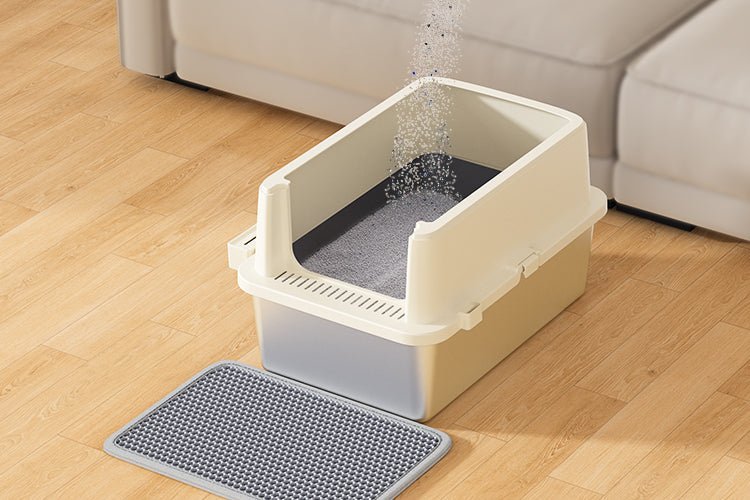
High-sided litter boxes have tall walls that keep litter and waste inside. They prevent messes without covering the box. This design allows better airflow, reducing trapped odors. Cats can enter and exit freely without feeling confined. High-sided boxes are easy to clean and maintain. They work well for cats who dislike covers but need odor control.
Self-cleaning Options
Self-cleaning litter boxes remove waste automatically after each use. This keeps the box clean and fresh for longer. They reduce odor by limiting the time waste stays in the box. These boxes save time and effort for owners. Some models offer adjustable settings to suit your cat’s habits. Self-cleaning boxes help keep the litter area neat and smell-free.
Credit: meowant.com
Frequently Asked Questions
Do Covered Litter Boxes Reduce Odor Better Than Open Ones?
Covered litter boxes help contain smell by trapping odors inside. They limit air flow, which can slow odor escape. But poor cleaning still causes bad smell.
How Often Should I Clean A Covered Litter Box?
Cleaning a covered litter box every 1-3 days keeps odors low. Remove waste daily and change litter weekly. Regular cleaning prevents bacteria buildup and smell.
Can Covered Litter Boxes Cause More Odor If Not Maintained?
Yes, covered boxes can trap moisture and smell inside. If not cleaned often, odors can become stronger. Proper cleaning is key to odor control.
Are There Types Of Litter Better For Covered Boxes?
Clumping, odor-control litters work well in covered boxes. They absorb moisture and trap smells better. Avoid dusty litters that can worsen odors.
Does Ventilation Affect Odor In Covered Litter Boxes?
Good ventilation inside covered boxes reduces strong smells. Boxes with vents help air flow and keep odors down. Lack of ventilation can trap bad smells.
Can A Covered Litter Box Bother My Cat’s Nose?
Some cats dislike covered boxes due to trapped odors. Poor ventilation can cause discomfort or avoidance. Choose a box your cat prefers and clean often.
What Are The Best Tips To Reduce Litter Box Smell?
Use clumping, odor-control litter and scoop daily. Clean the box weekly with mild soap. Keep the box in a well-ventilated area for fresh air.
Conclusion
Covered litter boxes can help reduce smells by trapping odors inside. They also keep litter from scattering around the room. Still, regular cleaning remains important to control bad smells. Some cats may not like covered boxes, so watch your pet’s behavior.
Choosing the right box depends on your cat’s needs and your home. Overall, a covered litter box can be a useful tool for managing odors. Try it out and see if it works well for you and your cat.