
Black iron pipe is the better choice for high-pressure outdoor gas lines, while flexible piping is superior for complex indoor retrofits because csst vs black iron gas pipe installation speed and cost vary based on the layout of your home. If you’re running gas through a straight, simple path, rigid pipe is usually the best move. If you have many turns and tight spaces, flexible tubing will save you significant time.
Comparing gas piping methods
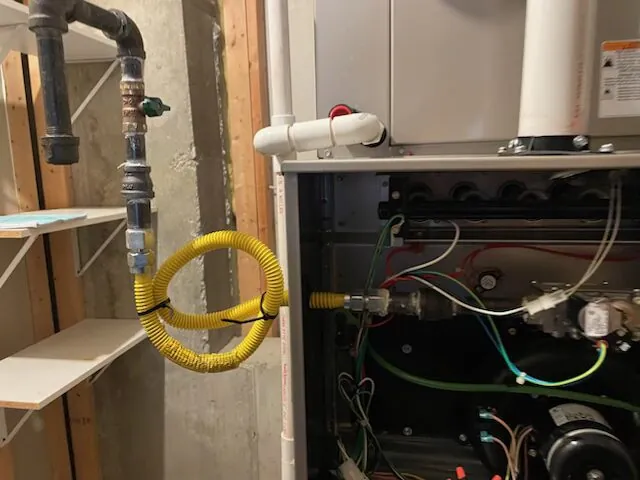
Choosing between these materials depends on your specific layout and how much labor you want to perform. While rigid pipe is the traditional standard, modern flexible systems have changed how gas lines are routed through residential buildings.
| Method | How long | Effort | Cost | Best for |
|---|---|---|---|---|
| Black Iron | Long | High | Low | Outdoor lines |
| CSST | Short | Low | Medium | Indoor retrofits |
| Copper | Medium | Medium | High | Small appliances |
Each material has distinct physical limits. Rigid pipe requires precise measurements and threading, which adds time to the job. Flexible tubing, or Corrugated Stainless Steel Tubing, allows for quick routing through wall cavities without needing specialized threading tools.
If you’re running a line through an unfinished basement, black iron remains the superior choice for its structural rigidity and resistance to accidental impact. However, if you’re snaking a line through finished walls, use CSST to avoid tearing out drywall.
Never use copper for natural gas if your local supply contains high sulfur content, as it will corrode the interior and cause leaks. If you see a blue-green crust on existing fittings, replace the entire run immediately. Always verify your local code, as some jurisdictions mandate black iron for any pipe passing through a concrete foundation.
Using black iron for gas lines
Black iron pipe is a heavy-duty, threaded steel material that has been the industry standard for decades. Because it’s rigid and durable, it holds up well in exposed areas where it might face physical impact.
- Measure your run and add 10% for waste and threading errors.
- Cut the pipe to length using a manual wheel cutter or a power saw.
- Use a threading machine or a hand-held die to cut tapered threads on the ends.
- Apply pipe dope to the threads and tighten the joints with two heavy-duty pipe wrenches.
This material is excellent for outdoor runs or basement installations where the pipe remains visible. However, its main weakness is the labor-intensive installation process. If you aren’t comfortable using a pipe threader, the physical effort required to install this material safely can lead to leaks if joints aren’t tightened to the correct torque. Always check your local building codes, as some jurisdictions require a licensed professional to perform gas line work.
Installing flexible gas piping
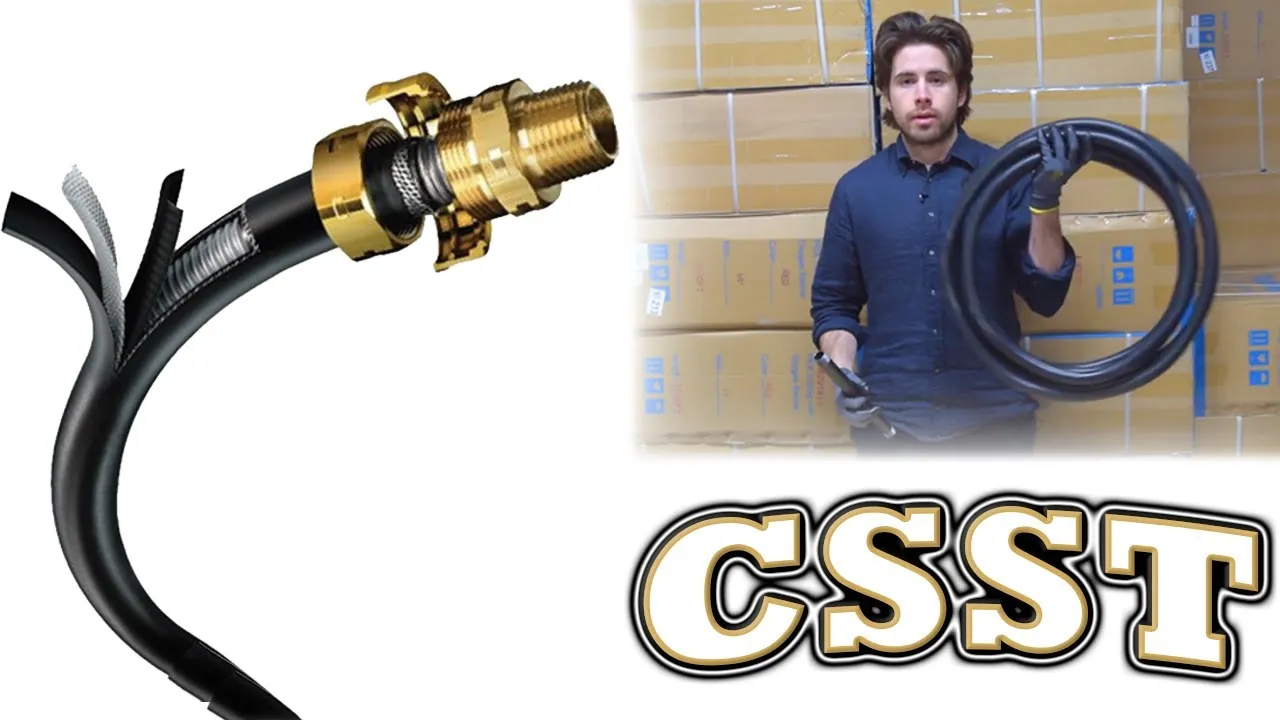
Corrugated Stainless Steel Tubing is a flexible, yellow-jacketed pipe that snakes through walls and joists easily. It’s designed to be bent by hand, which removes the need for multiple elbows and fittings.
Determine the path and pull the tubing through your wall cavities. Use a specialized tubing cutter to ensure a clean, square end. Attach the manufacturer-specific brass fitting to the end of the tubing. Secure the fitting to the manifold or appliance shut-off valve using two wrenches.
This method is ideal for tight spaces where rigid pipe would be impossible to maneuver. Its main weakness is a lower tolerance for physical impact compared to steel. You must ensure the tubing is protected from future wall penetrations by using steel striker plates where it passes through studs.
If the tubing runs through a stud cavity less than 1.25 inches from the edge, the plate must cover the entire potential impact zone. Failing to install these plates risks a puncture from a stray drywall screw, which can cause a catastrophic gas leak.
Always verify your local jurisdiction requires electrical bonding for the system. If the tubing isn’t properly bonded to the home’s grounding electrode system, a nearby lightning strike can arc through the wall and rupture the pipe.
Working with copper piping
Copper piping is sometimes used for small, low-pressure gas appliances like ranges or fireplaces. It’s easier to bend than black iron but requires specific alloy types to prevent corrosion from the gas itself. Always verify the tubing is labeled “ACR” or “Type L,” as standard plumbing copper often lacks the wall thickness required to meet local gas codes.
- Cut the copper tubing using a standard rotary pipe cutter.
- Use a bending spring or tool to create smooth curves without kinking the tube.
- Connect the ends using flared fittings; never use lead-based solder for gas lines.
- Leak-test every connection using a soapy water solution before turning the gas on.
If you see bubbles forming after applying the solution, the flare is likely cracked or improperly seated. Don’t attempt to tighten the nut further to stop the leak; disassemble the joint and inspect the flare for debris.
Copper is great for tight, short runs where you need a flexible solution but want a rigid-like connection. The biggest downside is that it isn’t suitable for high-pressure mains or areas prone to heavy vibration. If the tubing isn’t properly supported or is exposed to mechanical stress, it can develop fatigue cracks over time. Use metal straps every four feet to prevent sagging.
Which piping method wins?
When you’re in a hurry, flexible tubing is the winner because it doesn’t require threading or measuring every single turn. You can simply pull the line through the house, which saves hours of labor on a complex job.
When you’re doing this for the first time, black iron is the safer choice for learning. The process is straightforward, and the tools are simple to find at any hardware store. If you make a mistake, you can easily unscrew a joint and try again, whereas flexible fittings are often one-time use.
When you want the best possible result, black iron is the winner. It provides a more robust, impact-resistant system that will last for decades without needing specialized maintenance. The trade-off is that you’ll trade your time and sweat for a system that’s essentially indestructible. If your budget is tight, black iron is the cheapest material, but the cost of the tools might balance this out if you only have one small job to do.
Safety rules for all gas lines
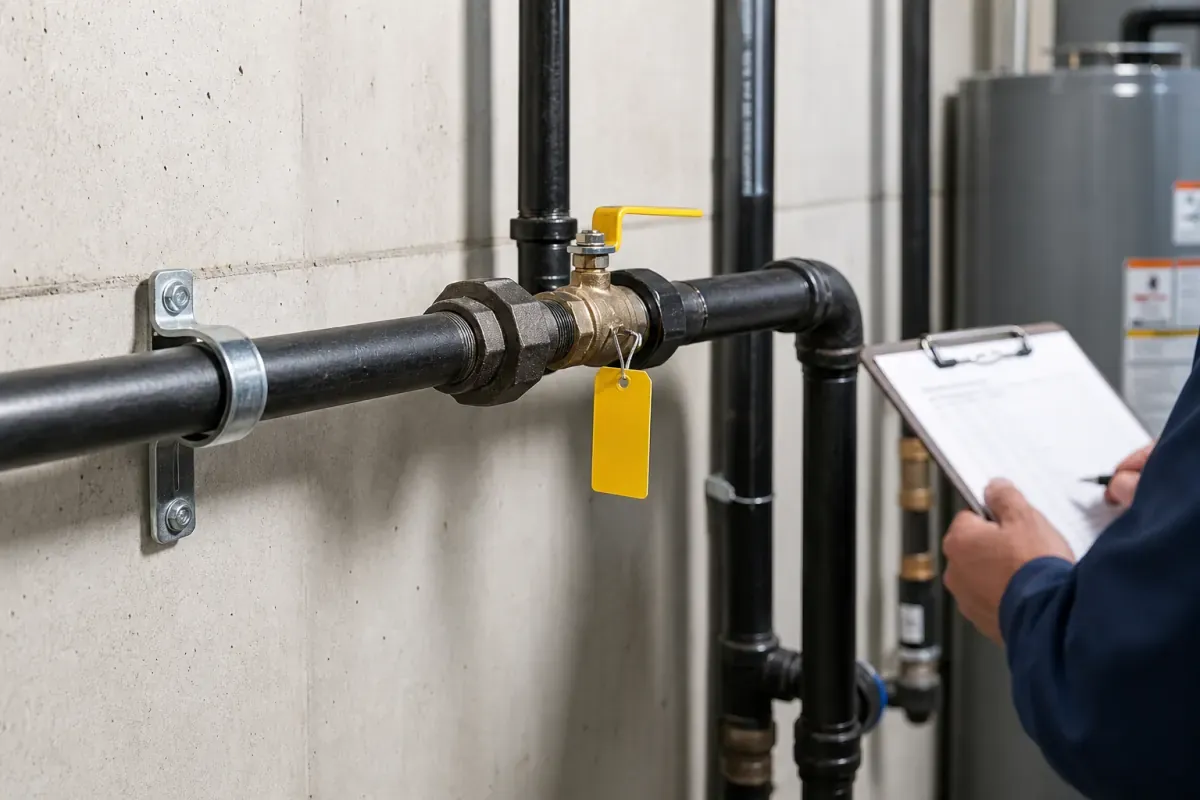
Regardless of the material you choose, safety is the primary concern for any gas project. Always start by turning off the gas at the main meter before touching any part of the system. Verify the flow has stopped by checking the gauge reading on the pressure test assembly.
Check your connections once the system is under pressure by applying a dedicated leak detection solution to every joint. If you see bubbles forming, the joint isn’t sealed correctly and must be tightened or rebuilt. Never use an open flame to check for leaks, as this poses an extreme risk of explosion.
If you’re unsure about the sizing of your pipes, consult a professional plumber or your local gas utility. They can tell you exactly what diameter is required for the total BTU load of your appliances. If your pipe run exceeds twenty feet, you must account for pressure drop; undersized lines will cause pilot lights to fail and appliances to cycle prematurely.
Gas work is regulated for a reason. If you lack the specific training to perform pressure testing or verify proper venting, hire a licensed professional. A single faulty flare fitting can lead to a slow leak that remains undetected until it reaches a combustible concentration.
Related guides
- 10 Best Drain Cleaner for Cast Iron Pipes Picks and Advice in 2026
- Mini Pebble vs Pebble Tec: Which Pool Finish Wins in 2026
- 10 Best Vented Gas Heaters for Safe and Efficient Heating
Frequently asked questions
Can I install gas piping myself?
You can perform this work yourself if your local building department permits it, provided you pass an inspection. Many cities require a licensed professional to perform the final hookup and pressure test. Check with your local government office to confirm if you’re legally allowed to do this work.
How long does black iron pipe last?
Black iron pipe can last for a very long time if it’s kept dry and free from external corrosion. The main thing that decides its lifespan is the environment; if it’s installed in a damp basement or exposed to outdoor weather, it will rust much faster. You can extend its life by cleaning the pipe and applying a high-quality metal primer and paint.
Is it safe to use flexible gas pipe?
Yes, it’s safe if you follow the manufacturer’s installation manual exactly, including the use of striker plates to prevent nail punctures. These systems have been used for decades and are tested to meet rigorous safety standards. The most common mistake people make is skipping the electrical bonding step, which can leave the pipe vulnerable to electrical arcing. Always verify the bonding requirements for your specific tubing brand before finishing the walls.
How much does it cost to replace gas lines?
Costs vary based on the length of the run and the number of appliances you’re connecting. A simple run might cost under $100 in materials, while a whole-house repipe can cost thousands due to labor and permits. Get three quotes from licensed plumbers to understand the going rate in your area.
What happens if I use the wrong pipe for gas?
Using the wrong pipe can lead to catastrophic gas leaks, corrosion of the internal walls, or mechanical failure of the joints. For example, using standard water-rated copper instead of gas-rated tubing can cause the material to weaken over time. Always verify that every fitting and length of pipe is stamped or labeled for use with natural gas or propane. Never guess which material is appropriate for your specific gas pressure.
How often should I check for gas leaks?
You should check your gas lines after every new installation and once a year for existing lines. Listen for hissing sounds or smell for the distinct odor of sulfur, which is added to gas for your protection. If you suspect a leak, leave immediately and call your utility company from a safe distance.
Conclusion
Choosing the right material is a balance between your skill level, the complexity of the path, and your budget for tools. While flexible systems offer speed, rigid black iron provides a level of durability that’s hard to beat for long-term reliability.