
Hard-shell insulated covers are generally the best outdoor faucet covers for winter because they provide a solid barrier against freezing temperatures and wind. You’ll find several types of protection available, including foam blocks, fabric pouches, and rigid plastic shells, which all serve the same purpose of trapping heat around the pipe. The main difference between these options is the level of durability and the ease of installation during the first frost. While a simple foam block works well for mild climates, a rigid, insulated shell is better for regions that see deep, sustained freezes.
Ways to cover outdoor faucets for winter
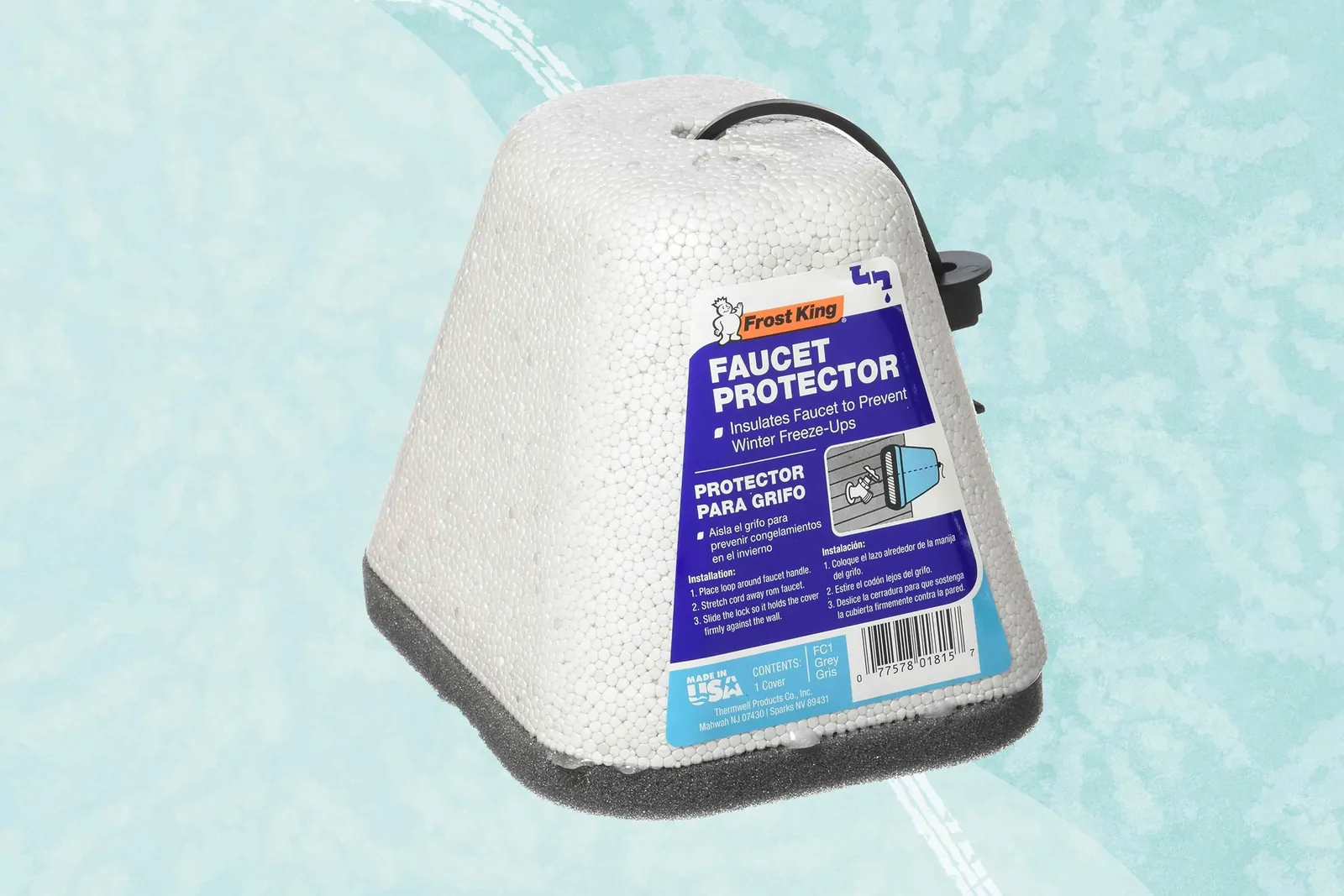
| Type of Cover | Best For | Typical Example |
|---|---|---|
| Foam Blocks | Mild winter areas | Standard round foam |
| Fabric Pouches | Quick, easy setup | Insulated thermal bag |
| Rigid Shells | Extreme cold weather | Hard-shell plastic case |
| Heated Covers | Frozen pipe prevention | Electric heating sleeve |
Foam blocks serve as the entry-level defense for regions where temperatures rarely dip below freezing for more than a few hours. Because they rely on simple compression against the siding, they often leave gaps that allow heat to escape. If you can see daylight around the edges of the foam when it’s installed, it isn’t sealing properly. Use these only if your local frost line remains shallow.
Fabric pouches offer the most convenience for homeowners who need to remove and replace covers frequently during fluctuating shoulder seasons. They use drawstrings or Velcro to secure the unit, but they lack the structural integrity to withstand heavy snow loads. If you live in an area prone to ice storms, the weight of accumulating slush will often pull these covers loose.
Rigid shells provide the necessary barrier against wind chill, which is the primary driver of pipe bursts. These cases provide a barrier against wind chill and help retain heat radiating from the house wall. Always ensure the internal gasket is intact before locking the shell in place. A worn gasket allows cold air to circulate inside the housing, rendering the shell useless.
Heated covers are the only reliable choice for climates where the temperature remains below 20 degrees Fahrenheit for multiple days. These units contain a thermostat that activates only when the ambient temperature nears freezing. Check the power cord connection monthly to ensure it hasn’t been compromised by rodents or moisture. If your faucet is located on the north side of your home, choose this option regardless of your general climate.
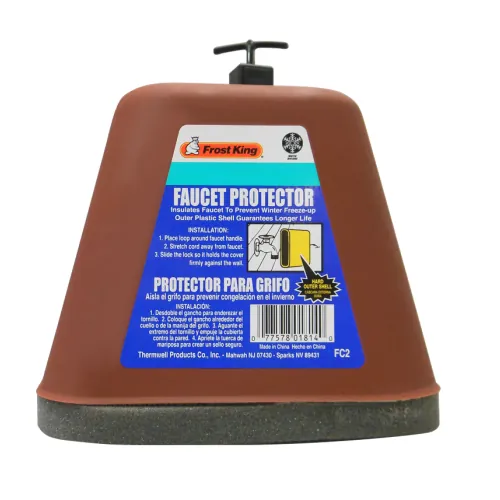
Hard-Shell Insulated Covers
These covers feature a rigid plastic exterior with an internal layer of high-density foam. They’re ideal for homeowners in climates that experience hard freezes, as the hard shell protects the insulation from being crushed by snow or ice buildup.
They maintain a tighter seal against the siding, which prevents cold air from leaking behind the cover. The locking mechanism ensures the unit stays in place through high winds and heavy snowstorms. They’re resistant to UV light, which prevents the plastic from becoming brittle and cracking over several seasons.
If your faucet is located in a high-traffic area, such as a driveway or a narrow walkway, the hard shell is mandatory. Soft foam covers often tear when brushed against by a passing shoulder or a snow shovel. A hard-shell unit absorbs these impacts without transferring the force to the pipe or the mounting flange.
If you have a protruding pipe that extends more than 3 inches from the wall, you should look for an extra-deep model. Standard covers will leave a gap at the seal if the pipe is too long, rendering the insulation useless. You can verify your fit by measuring from the siding to the furthest point of the faucet handle. If your measurement exceeds 3 inches, a standard cover won’t seat flush against your wall.
To install, place the gasket against the wall, slide the shell over the faucet, and tighten the locking nut until the seal is firm. Don’t overtighten the nut, as this can warp the plastic housing and create new gaps for air to enter.
If you notice frost forming on the exterior of the shell during a deep freeze, the seal is compromised. Check the tension on the locking nut first. If the seal remains loose, apply a thin bead of exterior-grade silicone caulk around the perimeter of the gasket. This creates a permanent thermal barrier that prevents convective heat loss.
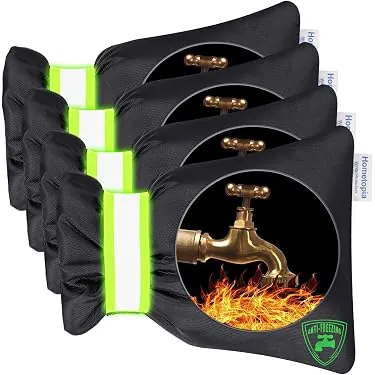
Fabric Thermal Pouches
These covers consist of a thick, water-resistant fabric filled with thermal batting. They’re the best choice for people who need a quick solution that fits oddly shaped or larger outdoor spigots that a rigid box can’t accommodate.
The drawstring design allows for a custom fit on valves of various sizes and shapes. Unlike rigid covers that rely on a specific diameter, these pouches conform to protruding handles and irregular pipe configurations.
They’re lightweight and take up very little space when stored away during the summer months. You can easily fold a dozen of these into a single shoebox, whereas hard plastic shells often require dedicated shelf space in a garage or shed.
The soft material is less likely to scratch delicate exterior finishes like brick or wood siding. Hard plastic covers often vibrate in high winds, causing abrasive wear on painted surfaces. Fabric pouches remain static and silent, preserving your home’s aesthetic.
You must ensure the drawstring is pulled tight to prevent cold drafts from entering the pouch. If the pouch isn’t pulled flush against the wall, the insulation loses its effectiveness. A gap of even a quarter-inch allows convective heat loss that can freeze the valve stem.
If you live in a region where temperatures regularly dip below 20 degrees Fahrenheit, add a layer of bubble wrap around the spigot before sliding the pouch over it. This creates an air gap that significantly increases the R-value of the assembly.
In areas with high humidity, check these periodically to ensure the fabric remains dry and doesn’t trap moisture against the pipe. If the fabric feels damp to the touch, remove it on a sunny afternoon to let the batting breathe.
Mistaking a fabric pouch for a permanent, set-and-forget solution is a common error. While these are excellent for seasonal protection, they aren’t designed to withstand heavy snow accumulation or ice buildup. If the pouch becomes encased in a sheet of ice, the moisture will eventually seep through the seams. In this specific case, use a rigid, insulated dome cover instead to shed the weight of the ice away from the spigot.
Foam Block Covers
These are simple, molded foam shapes that press against the wall to cover the faucet. They’re best for temporary use in areas where temperatures only drop below freezing for short, occasional periods during the winter.
- They’re very inexpensive and can be replaced easily if they become damaged or lost.
- The installation takes seconds, as they typically use a simple metal or plastic clip.
- They’re lightweight and don’t put any strain on the pipe connection.
A major mistake many people make is failing to check if the foam is flush against the siding, which allows cold air to bypass the insulation entirely. If the foam block wobbles when you touch it, the seal isn’t tight enough. For the best result, ensure the foam is pressed firmly against the wall surface before securing the clip.
Heated Faucet Sleeves
These units include an internal heating element that turns on when temperatures approach freezing. They’re designed for regions where the ground freezes deep enough to threaten the water lines inside the wall.
- They provide active heat rather than just relying on passive insulation to prevent ice buildup.
- The built-in thermostat automatically regulates the temperature, so you don’t have to monitor them daily.
- They’re effective at preventing damage even in extreme sub-zero conditions.
These covers require an outdoor power outlet nearby, which is a significant limitation for many homes. Because they use electricity, you must follow the manufacturer’s safety guidelines regarding outdoor use. The Consumer Product Safety Commission provides information on using outdoor electrical products safely to prevent fire and shock hazards. If you can’t reach an outlet safely, skip this option and use a high-quality rigid shell instead.
Other Winterization Methods
Pipe insulation foam serves as a critical secondary barrier against freezing temperatures. These foam tubes should cover every inch of exposed piping from the point where the pipe exits your exterior wall to the base of the faucet valve. If you leave even three inches of pipe exposed, the cold can travel through the metal and crack the valve housing. Always secure the foam seams with heavy-duty duct tape to prevent moisture from seeping into the insulation.
Locate your internal shut-off valve to manage the water supply effectively. Most homes built after 1990 feature this valve in the basement or a dedicated utility closet. If you find one, close it tightly before the first frost.
Once the supply is cut, return to the outdoor spigot and open it fully. This releases the vacuum in the line, allowing the remaining water to drain out completely. Failure to open the spigot after shutting off the valve leaves a trapped pocket of water that will expand and burst the pipe regardless of the shut-off status.
If you can’t find an internal valve, your pipes likely run directly from the main line without an auxiliary shut-off. In this case, rely exclusively on high-quality, insulated faucet covers. Check the thickness of the cover foam; if it’s less than one inch thick, it won’t provide enough R-value to survive a prolonged deep freeze.
If your region experiences temperatures below 20 degrees Fahrenheit for more than 48 hours, replace thin plastic covers with rigid, insulated hard-shell housings. These provide the necessary insulation to slow heat loss and keep the valve assembly warmer for longer during extreme cold snaps.
Choosing Your Protection
The right choice depends on your local climate and your home’s exterior. If you live in a region where the temperature stays below freezing for weeks at a time, a rigid shell is the most reliable option. These hard-sided covers create a seal against the siding, trapping the heat radiating from your home’s interior.
If your area sees only light frost, a simple foam block or a fabric pouch will provide enough protection to keep the valve from cracking. Fabric pouches are easier to install but often fail if winds exceed 20 miles per hour, as they can flap and lose their thermal seal. When the temperature drops below 25 degrees Fahrenheit, switch to rigid plastic or foam-insulated shells to prevent a burst pipe.
Check the length of your faucet handle to ensure the cover you choose has enough internal clearance. If the cover doesn’t close completely, it won’t insulate the pipe effectively. A common mistake is forcing a cover over a long handle, which leaves a gap at the base. This gap allows cold air to circulate directly around the valve, rendering the insulation useless. If your faucet protrudes more than four inches, look for “extended depth” models specifically designed for deep-set valves.
You can usually combine methods, such as using pipe foam on the exposed line and a rigid shell over the faucet, to maximize protection. This is vital if your pipe extends more than six inches from the wall before reaching the faucet.
These items are generally standalone solutions, so you don’t need to layer multiple covers of the same type. Doubling up on fabric pouches adds no thermal value and often traps moisture, which can lead to corrosion on the valve stem. If you’re unsure which to pick, look at your neighbor’s setup. If they use rigid shells, follow suit; it suggests the local frost depth consistently threatens residential plumbing.
Frequently asked questions
How long do outdoor faucet covers last?
Rigid plastic covers typically last between three and five years, depending on sun exposure. Fabric pouches and foam blocks often show wear after two seasons due to material degradation. Inspect your covers every autumn for cracks or holes to ensure your pipes remain protected throughout the winter.
Can I leave my hose attached under the cover?
No, you must always disconnect your garden hose before installing a cover. Leaving a hose attached prevents the cover from sealing against the wall, leaving the faucet vulnerable to freezing. A cover only functions correctly when the faucet is completely clear of attachments.
Is it safe to use a heater cover?
Yes, it’s safe if the product is rated for outdoor use and you follow the manufacturer’s instructions. You must use a cord rated for exterior conditions plugged into a ground-fault circuit interrupter outlet. Never use an indoor extension cord, as it creates a significant fire hazard.
What happens if the faucet freezes?
If your faucet freezes, the expanding water can cause the pipe to burst and lead to significant water damage. If you suspect a pipe has frozen, turn off your main water supply immediately to prevent flooding. Contact a professional plumber to inspect the pipe for hidden cracks.
How do I measure my faucet for a cover?
Measure the distance from the wall to the handle and the total width of the faucet assembly. Compare these measurements to the internal dimensions listed on the product packaging. Ensure the cover has at least a half-inch of clearance so it doesn’t pressure the handle.
Does it matter if the cover is locked?
Yes, locking the cover is important because it keeps the unit flush against the siding. A loose cover allows cold air to circulate behind the insulation, making the protection ineffective. Ensure the cover stays tight against the wall to maintain an airtight seal.
Conclusion
Start by disconnecting all hoses and checking your outdoor faucets for any leaks before the first frost arrives. You should expect to see the cover remain firmly in place against the wall throughout the entire season, even during heavy wind.