
Have you ever wondered if you can use a vent pipe as a drain in your home plumbing? It’s a question that might save you time and money—or cause serious problems if done wrong.
Understanding the difference between vent pipes and drain pipes is key to keeping your plumbing running smoothly. You’ll discover why using a vent pipe as a drain isn’t as simple as it sounds and what could happen if you try it.
Keep reading to make sure your plumbing stays safe and efficient.
Purpose Of Vent Pipes
Vent pipes play an important role in plumbing systems. They help keep water flowing smoothly and prevent bad smells from entering your home. Understanding their purpose helps explain why you should not use a vent pipe as a drain.
Role In Plumbing Systems
Vent pipes let air enter the plumbing system. This air balances the pressure inside the pipes. Without vents, water would not flow properly. Drains could become slow or stop working.
Vents also stop sewer gases from coming into the house. These gases can be harmful and smell bad. Vent pipes send these gases safely outside.
How Vent Pipes Work
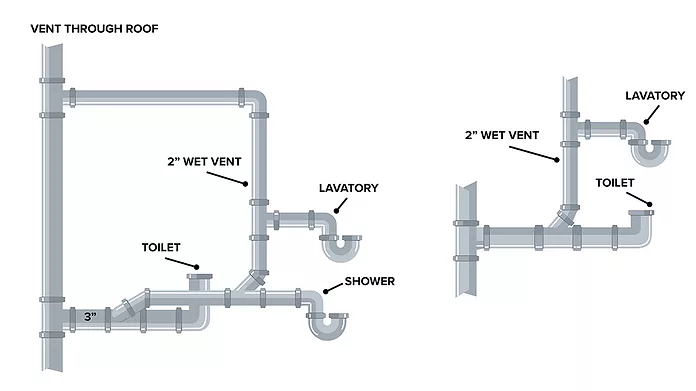
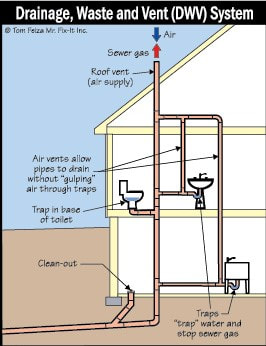
When water flows down a drain, it creates suction. This suction can pull water out of traps. Traps block sewer gases from the house. Vent pipes provide air to prevent this suction.
The air pressure from vent pipes keeps water seals in traps intact. This stops bad smells from rising through the drains. Vent pipes usually extend through the roof. This lets gases escape safely into the open air.
Credit: www.pmmag.com
Function Of Drain Pipes
Drain pipes play a crucial role in any plumbing system. Their main job is to carry wastewater away from sinks, toilets, and other fixtures. This prevents water from pooling inside homes and causing damage.
Drain pipes also help keep homes sanitary. They move dirty water safely to sewer lines or septic tanks. Without proper drains, waste could back up and create health hazards.
Wastewater Removal
Drain pipes remove wastewater from homes and buildings. This water comes from sinks, showers, toilets, and appliances. The pipes guide the water into larger sewer lines or septic systems.
Proper wastewater removal prevents leaks and flooding. It also stops foul smells from entering living spaces. Drain pipes must be strong and correctly installed to work well.
Types Of Drain Pipes
Several types of drain pipes exist, each with a specific use. Common materials include PVC, cast iron, and ABS plastic. PVC is popular due to its durability and low cost.
Cast iron pipes last long and reduce noise from water flow. ABS plastic is lightweight and easy to install. Choosing the right type depends on the building’s needs and local codes.
Differences Between Vent And Drain Pipes
Understanding the differences between vent pipes and drain pipes helps explain why they cannot be used interchangeably. Each pipe serves a unique purpose in plumbing systems. Their design, material, and how water or air flows through them vary greatly. These differences ensure proper function and prevent plumbing problems.
Material And Design
Drain pipes carry water and waste away from sinks, toilets, and showers. They are usually made of PVC, cast iron, or ABS plastic. These materials resist corrosion and handle heavy water flow.
Vent pipes allow air to enter the plumbing system. They help balance pressure and prevent sewer gases from entering buildings. Vent pipes are often narrower and made from thinner materials. They focus on airflow rather than carrying liquids.
Flow Direction And Pressure
Drain pipes carry water downwards under gravity. The flow is strong and continuous during use. They must be angled correctly to avoid clogs and backups.
Vent pipes allow air to flow both in and out. They do not carry water but maintain air pressure inside the drain system. This pressure balance keeps water traps from drying out and blocking sewer gases.
Credit: www.ameliashomeinspection.com
Why Using A Vent Pipe As A Drain Is Problematic
Using a vent pipe as a drain pipe causes many problems. These pipes have different purposes and designs. Vent pipes allow air to flow into the plumbing system. Drain pipes carry wastewater out of the house. Mixing these functions creates risks for the plumbing system and home safety.
Code Violations And Safety Issues
Building codes require vent pipes to be separate from drains. Using a vent pipe as a drain breaks these rules. This can lead to fines or failed inspections. Vent pipes help prevent sewer gases from entering the home. If used as drains, gases may leak inside. This creates health risks for residents. Proper venting is essential for safe plumbing.
Potential Plumbing Failures
Vent pipes are not designed to handle wastewater flow. Using them as drains can cause blockages and backups. Waste can clog the vent, stopping air from moving freely. This causes slow draining and gurgling sounds. Pressure imbalances can damage pipes and fixtures. Over time, these issues lead to costly repairs. Correct pipe use protects your plumbing system.
Common Misconceptions About Vent And Drain Pipes
Many people confuse vent pipes and drain pipes in plumbing systems. Vent pipes allow air to enter the plumbing system. This helps water flow smoothly through drain pipes. Drain pipes carry wastewater out of your home. Mixing these two types of pipes can cause problems.
Understanding the difference is important. Using a vent pipe as a drain pipe is not safe or effective. This section covers common misconceptions about vent and drain pipes.
Diy Plumbing Mistakes
Some homeowners try to save money by doing plumbing work themselves. They might use a vent pipe to drain water. This causes blockages and slow drainage. Vent pipes are not designed to handle wastewater. They are smaller and can clog easily. This mistake leads to costly repairs later.
Another common error is connecting a drain pipe to a vent pipe. This breaks local plumbing codes. It can cause sewer gases to enter the home. These gases are harmful and create bad odors.
Signs Of Improper Pipe Usage
Slow drains often signal wrong pipe use. Gurgling sounds from drains mean air is trapped. Water backing up in sinks or tubs is another warning. These issues happen when vent pipes carry water or drain pipes lack proper ventilation.
Smells of sewage inside the house can indicate vent pipe misuse. Proper venting prevents gases from leaking indoors. Watch for these signs to avoid bigger problems.
Proper Installation Practices
Proper installation practices ensure a safe and efficient plumbing system. Using a vent pipe as a drain requires careful attention. Mistakes can cause leaks, odors, or blockages. Understanding the rules and when to ask for help saves time and money.
Following the right steps makes your plumbing last longer. It also keeps your home healthy and free from damage.
Following Plumbing Codes
Plumbing codes set clear rules for pipe use and placement. Vent pipes must not carry waste water. Drains and vents have different sizes and slopes. Codes ensure pipes work well and avoid hazards. Inspectors check these rules during home building or renovations. Ignoring codes can lead to fines or repairs. Always follow local plumbing regulations strictly.
When To Call A Professional
Plumbing work can be tricky. Mistakes cause big problems like leaks or bad smells. Call a professional if unsure about pipe use. Experts know the codes and best methods. They can fix issues quickly and safely. Professionals also have the right tools and experience. Do not risk damage by guessing or trying alone.
Alternatives And Solutions
Using a vent pipe as a drain is not safe or allowed by plumbing codes. It can cause blockages and bad smells. Instead, consider better options to fix plumbing problems. These alternatives help keep your system working well and avoid costly repairs later.
Upgrading Old Plumbing
Old plumbing may use wrong pipes or damaged parts. Upgrading pipes ensures proper drainage and venting. New pipes reduce leaks and clogs. Replacing old plumbing gives a safer, cleaner system. It also improves water flow and prevents backups. This upgrade saves money on future repairs.
Using Correct Pipe Types
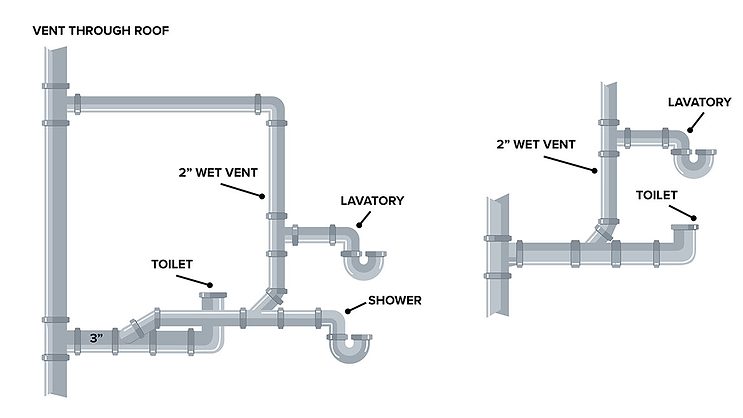
Pipes have different roles in plumbing. Drain pipes carry wastewater safely out of your home. Vent pipes allow air to enter and exit the system. Using the correct pipe type is important. Drain pipes must be larger and sloped for flow. Vent pipes are smaller and designed to let air through. Mixing pipe types causes problems and code violations. Always choose pipes based on their purpose.
Credit: www.pmmag.com
Frequently Asked Questions
Can A Vent Pipe Handle Water Drainage?
No, vent pipes are designed for air flow, not water drainage. Using them for drainage can cause blockages and damage.
What Is The Main Purpose Of A Vent Pipe?
Vent pipes allow air into the plumbing system to prevent suction and help wastewater flow smoothly.
Can Using A Vent Pipe As A Drain Cause Plumbing Issues?
Yes, it can lead to poor drainage, sewer gas leaks, and pipe damage. It’s unsafe and against code.
Are Vent Pipes And Drain Pipes Made Differently?
Yes, drain pipes are built to carry water and waste, while vent pipes only carry air.
Is It Legal To Use A Vent Pipe As A Drain?
No, most building codes prohibit using vent pipes for drainage. It can fail inspections.
How Do Vent Pipes Improve Home Plumbing?
Vent pipes keep air pressure balanced in drains, preventing water traps from drying out and blocking sewer gas.
What Should I Do If My Vent Pipe Is Clogged?
A clogged vent can cause slow drains and odors. Call a plumber to safely clear the blockage.
Conclusion
Using a vent pipe as a drain is not recommended. Vent pipes and drain pipes serve different purposes. Vent pipes allow air to flow and prevent sewer gases from entering your home. Drain pipes carry wastewater away safely. Mixing these functions can cause blockages and bad smells.
Always use the right pipe for each job. This keeps your plumbing working well and your home safe. If unsure, ask a professional plumber for advice. Proper plumbing helps avoid costly repairs later. Keep your system clean and functioning correctly.