
Are you thinking about moving your toilet but worried because it’s set on a concrete slab? You might wonder if it’s even possible or if it’s too complicated to handle.
Moving a toilet on a concrete slab isn’t as simple as it sounds, but with the right know-how, you can do it without turning your bathroom upside down. Keep reading to discover exactly what you need to know before you start, so you can avoid costly mistakes and get the job done right the first time.
Your bathroom upgrade might be easier than you think!
Credit: terrylove.com
Assessing The Concrete Slab
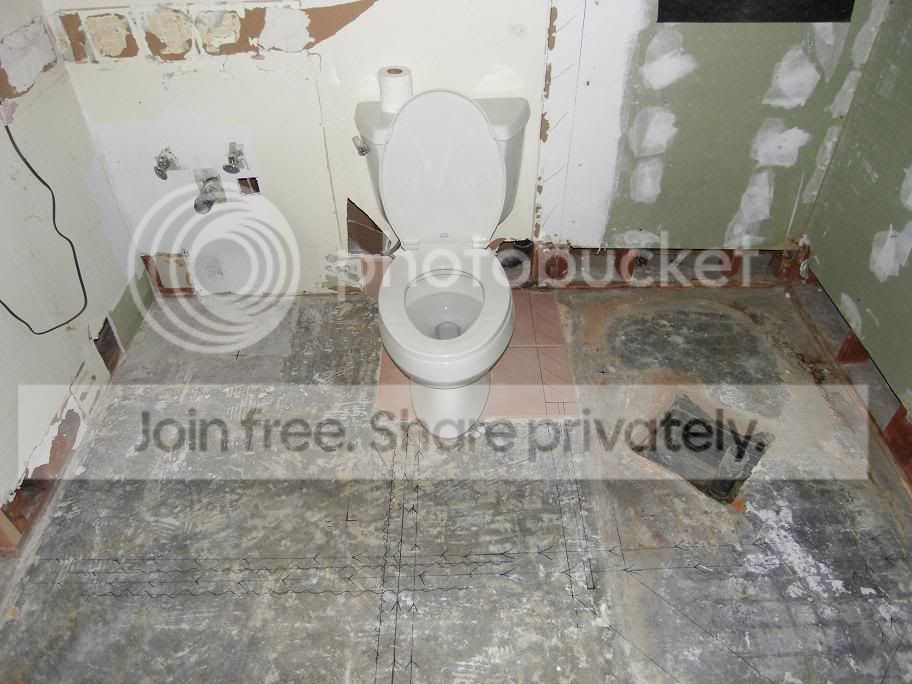
Before moving a toilet on a concrete slab, assessing the slab is crucial. The slab supports the toilet and plumbing. Understanding its condition helps avoid damage and costly repairs. This step ensures the project goes smoothly and safely.
Checking Structural Integrity
Start by examining the concrete slab for cracks or damage. Small cracks may be okay, but large ones can cause problems. Look for signs of sinking or uneven surfaces. These indicate weak spots in the slab. A solid slab is necessary to support the toilet and plumbing. If the slab is damaged, repair or replace it before moving the toilet.
Locating Existing Plumbing Lines
Next, find where the plumbing lines run under the slab. Use a plumbing snake or scanner to detect pipes. Knowing their exact location prevents accidental breaks during the move. Mark the pipe locations clearly on the slab surface. This step helps plan new pipe routes or connections. Avoid cutting into hidden plumbing to save time and money.
Tools And Materials Needed
Moving a toilet on a concrete slab requires careful preparation. You need the right tools and materials to do the job safely and correctly. Having everything ready saves time and prevents mistakes. The list below covers the main tools and parts you will need.
Essential Plumbing Tools
Start with basic plumbing tools. A pipe wrench helps loosen and tighten connections. A plunger is handy for any blockages. A hacksaw cuts pipes if needed. A basin wrench fits tight spaces behind the toilet. A bucket helps catch water when you disconnect the toilet. Don’t forget gloves and safety glasses for protection.
Concrete Cutting Equipment
Moving a toilet on concrete means cutting the slab. Use a concrete saw or angle grinder with a diamond blade. These tools cut through concrete smoothly. Mark the area carefully before cutting. A hammer and chisel help break small parts of concrete. Wear a dust mask to avoid breathing concrete dust.
Replacement Parts And Fixtures
New parts often make the move easier. A wax ring seals the toilet to the drain. Get new bolts to secure the toilet. A flange repair kit may fix or replace old flange parts. Check the toilet seat and tank bolts. Sometimes, replacing these ensures a tight, leak-free fit after moving.
Preparing For Toilet Relocation
Preparing for toilet relocation on a concrete slab needs careful steps. Each step ensures the move goes smoothly without damage. Proper preparation saves time and avoids costly repairs later.
Start by turning off the water supply. This stops leaks and flooding during the move. Next, remove the existing toilet carefully. This step frees the space and exposes the plumbing. Finally, mark the new position for the toilet. Accurate marking helps place the toilet correctly on the slab.
Turning Off Water Supply
Find the water shut-off valve near the toilet. Turn the valve clockwise to stop water flow. Flush the toilet to empty the tank and bowl. Use a sponge or towel to soak up leftover water. This prevents spills during removal and relocation.
Removing The Existing Toilet
Start by disconnecting the water supply line from the tank. Unscrew the bolts holding the toilet to the floor. Gently rock the toilet to break the wax seal. Lift the toilet straight up and set it aside. Cover the drain hole with a rag to block sewer gases.
Marking The New Position
Measure the desired distance from the wall to the toilet flange. Use a pencil to mark the center point on the concrete slab. Check the mark for level and alignment with the bathroom layout. Mark bolt holes around the flange area. These marks guide drilling and fitting the toilet securely.

Credit: www.stsplumbing.com.au
Modifying The Concrete Slab
Modifying the concrete slab is a key part of moving a toilet on a concrete floor. The slab needs changes to fit new plumbing and ensure a solid base. This process involves cutting the slab, setting up new drain lines, and sealing the area properly. Each step must be done carefully to avoid damage and leaks.
Cutting Through Concrete Safely
Cutting concrete requires special tools like a diamond blade saw. Mark the exact area to cut before starting. Wear safety gear such as goggles and gloves. Keep water nearby to reduce dust and cool the blade. Take breaks to avoid overheating the saw. Follow the marked lines for a clean cut. Remove the concrete pieces carefully to prevent cracks.
Installing New Drain Lines
New drain lines connect the toilet to the sewer system. Use PVC pipes that fit local codes. Lay the pipes with a slight slope for proper drainage. Secure the pipes firmly to prevent movement. Test for leaks before closing the slab. Proper installation avoids future plumbing problems. Check all connections twice to ensure tight seals.
Sealing And Finishing The Slab
After plumbing is set, fill the cut area with fresh concrete. Smooth the surface to match the existing slab. Allow the concrete to cure fully for strength. Use a sealant to protect against moisture and cracks. This step keeps the floor durable and clean. A well-finished slab supports the toilet securely.
Installing The Toilet In New Location
Installing the toilet in its new spot on a concrete slab requires careful steps. Proper setup ensures the toilet works well and stays secure. Follow each step to avoid common problems and enjoy a sturdy installation.
Connecting The Drain And Water Lines
Start by aligning the toilet flange with the drain pipe. Use a wax ring to create a tight seal. Attach the toilet bowl to the flange carefully. Connect the water supply line to the toilet’s fill valve. Check all connections for tightness to avoid leaks.
Securing The Toilet To The Floor
Place the toilet bolts through the flange holes. Lower the toilet onto the bolts, pressing firmly onto the wax ring. Tighten the nuts evenly on both sides. Do not overtighten to prevent cracking the toilet base. Use bolt caps to cover the bolts and improve appearance.
Testing For Leaks And Stability
Turn on the water supply and fill the tank. Flush the toilet several times to check for leaks. Inspect the base for water or wobbling. If the toilet moves, adjust the bolts or add shims. A solid, leak-free installation means the job is done right.

Credit: www.youtube.com
Common Challenges And Solutions
Moving a toilet on a concrete slab brings unique challenges. These issues can slow down the project or cause bigger problems if ignored. Understanding common hurdles helps prepare for a smoother move.
Some challenges involve pipe alignment, dust from concrete, and proper ventilation. Each requires specific solutions to ensure the job is done right and safely.
Dealing With Pipe Alignment Issues
Toilet pipes rarely match perfectly after moving. Pipes may need adjusting to fit the new location. Use flexible connectors to bridge small gaps easily. Checking the flange position before sealing saves time. Measure twice, cut once to avoid leaks.
Handling Concrete Dust And Debris
Cutting or drilling concrete creates lots of dust and debris. This dust can harm lungs and damage tools. Use a vacuum or wet cutting methods to reduce dust. Wear a mask and goggles for safety. Clean the area thoroughly before installing the toilet.
Ensuring Proper Ventilation
Toilets need good air flow for proper function. Moving a toilet can disrupt vent pipes. Check vent pipes for blockages or damage after relocation. Extend or reroute vents as needed to keep air flowing. Proper ventilation prevents bad odors and plumbing issues.
When To Hire A Professional
Moving a toilet on a concrete slab can be tricky. Some tasks are too tough for a DIY project. Knowing when to call a professional saves time and avoids costly mistakes. Professionals bring skill and tools needed for a smooth job.
Complex Plumbing Adjustments
Changing a toilet’s location often means adjusting pipes. New pipe routes may require special tools and knowledge. Incorrect plumbing leads to leaks or blockages. A professional can handle complex pipe work safely and correctly.
Structural Concerns
Concrete slabs support your entire bathroom. Cutting or drilling into the slab can weaken it. Professionals assess structural risks and use proper methods. This prevents cracks or damage to your floor and home.
Local Code Compliance
Building codes protect your safety and property. Moving a toilet must meet local plumbing rules. Professionals know these codes well and ensure compliance. This avoids fines and future problems during inspections.
Frequently Asked Questions
Can You Move A Toilet On A Concrete Slab Easily?
Moving a toilet on a concrete slab is possible but requires careful work. Cutting the slab and rerouting plumbing is often needed. It’s a complex task that may need a professional.
What Tools Are Needed To Move A Toilet On Concrete?
You will need a concrete saw, plumbing tools, a wrench, and sealant. Safety gear like gloves and goggles is also important. Proper tools help avoid damage and ensure a good job.
How Much Does It Cost To Move A Toilet On A Slab?
Costs vary widely, usually between $500 and $2,000. Factors include labor, plumbing changes, and concrete cutting. Getting a quote from a plumber is best.
Can I Move A Toilet Myself On A Concrete Slab?
DIY is possible if you have plumbing and concrete skills. Mistakes can cause leaks or slab damage. Hiring a plumber is safer for most people.
How Long Does It Take To Move A Toilet On Concrete?
The process can take from a few hours to a full day. Time depends on slab thickness and plumbing complexity. Planning ahead helps reduce delays.
Will Moving A Toilet Damage The Concrete Slab?
There is a risk of cracks or breaks if not done properly. Careful cutting and repair work can prevent damage. A professional can minimize risks.
Do I Need A Permit To Move A Toilet On A Slab?
Many areas require a permit for plumbing changes and slab work. Check local building codes before starting the project. Permits ensure work meets safety rules.
Conclusion
Moving a toilet on a concrete slab takes careful planning and the right tools. The job is not quick or easy but can be done. You must know where the plumbing lines are and work carefully to avoid damage. Hiring a professional might save time and prevent costly mistakes.
A well-done move improves bathroom use and comfort. Think about the effort before starting. Doing it right brings good results and a better bathroom space.