
When it comes to plumbing, choosing the right trap for your sink can save you from leaks, clogs, and bad smells. You might have heard about bottle traps and P traps, but which one fits your needs best?
Understanding the difference between these two can help you make smarter decisions for your home. You’ll discover what sets a bottle trap apart from a P trap, and how each one can impact your plumbing system. Keep reading to find out which trap is the perfect match for you.

Credit: usbathstore.com
Bottle Trap Basics
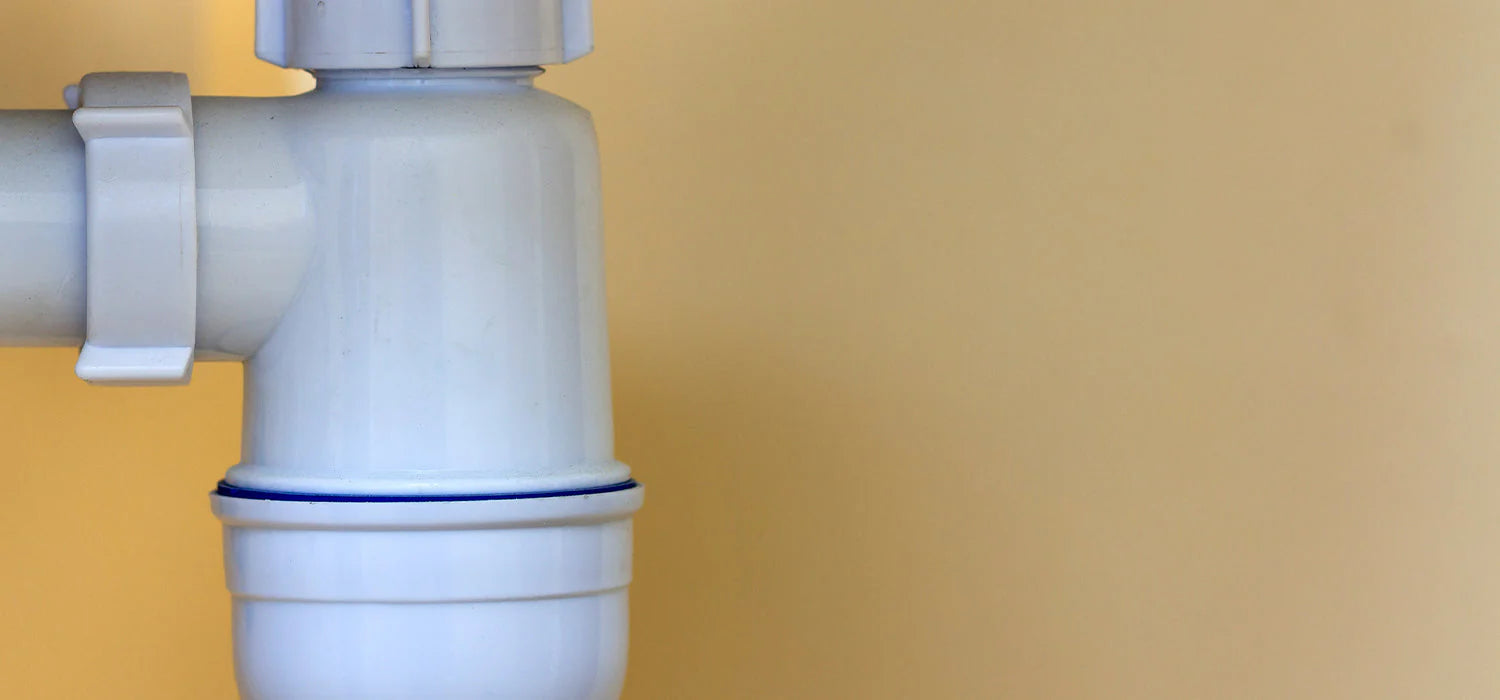
Bottle traps are common plumbing parts found under sinks. They help stop bad smells from coming back up the drain. The shape of a bottle trap is different from other traps. It looks like a small bottle or cup. This simple design plays an important role in keeping your home fresh and clean.
Understanding the basics of bottle traps helps in choosing the right trap for your sink. It also helps with maintenance and repairs. Here is a closer look at how bottle traps work and where they are used most.
Design And Function
Bottle traps have a round, compact shape. They hold a small amount of water inside. This water creates a seal that blocks sewer gases. The trap also catches debris to stop clogs deeper in the pipes. Its simple design makes it easy to clean and maintain.
Common Applications
Bottle traps are often used under bathroom sinks. They fit well in tight spaces. Their neat look matches modern sink designs. These traps work best with basins that have a single drain outlet. They are less common in kitchen sinks or toilets.
Advantages And Limitations
Bottle traps are easy to install and maintain. They save space and look tidy under sinks. Cleaning is simple because the trap can be unscrewed. However, they may clog faster than other traps. They also might not work well with large drainage systems.

Credit: www.kibiusa.com
P Trap Essentials
The P trap is a common plumbing feature in many homes. It helps keep bad smells from coming back into your rooms. The shape and function of the P trap make it very effective. Understanding its parts and uses can help you choose the right trap for your plumbing needs.
Below, we explore the P trap’s structure, where it is used, and its pros and cons. This knowledge helps you see why the P trap is popular in plumbing systems.
Structure And Operation
The P trap looks like the letter “P” lying on its side. It has a curved pipe that holds water. This water acts as a barrier against sewer gases. Wastewater flows through the trap, but the water stays in the curve. This stops bad smells from coming back up the drain.
Typical Uses
P traps are found under sinks in kitchens and bathrooms. They are also used in showers and tubs. These traps connect the drain to the home’s waste pipe. They work well with most household plumbing setups. Their design fits easily into tight spaces under sinks.
Benefits And Drawbacks
P traps block unpleasant odors effectively. They prevent sewer gases from entering your home. They are easy to install and maintain. Cleaning or replacing a P trap is straightforward. On the downside, P traps can clog with hair or debris. If dry for long periods, the water seal can break. This allows odors to escape. Regular use or maintenance helps avoid these issues.
Comparing Bottle Trap And P Trap
Bottle traps and P traps both prevent sewer gases from entering your home. Bottle traps have a compact design, while P traps are more common and easier to clean. Each suits different plumbing needs and spaces.
Space And Installation
Bottle traps are compact and fit well in small spaces. They are often used under bathroom sinks where space is tight. The design is simple and easy to install, usually requiring fewer tools. P traps take up more room because of their curved shape. Installation can be a bit more complex and may need extra fittings. Both traps connect to the drain pipe, but bottle traps offer a cleaner look for visible plumbing.Water Seal And Odor Control
Both bottle traps and P traps use water to block sewer gases. This water seal prevents bad smells from coming up through the drain. P traps hold more water, which can make the seal more reliable. Bottle traps have a smaller water capacity, so they may dry out faster. Dry traps let odors escape, which causes unpleasant smells. Regular use or adding water can keep both traps effective.Maintenance And Durability
Bottle traps are easier to clean because they unscrew from the bottom. This feature helps remove clogs quickly. P traps require more effort to access and clean. Both traps can last many years if cared for properly. Plastic versions might wear out faster than metal ones. Checking for leaks and cleaning regularly extends the life of both traps.Cost Considerations
Bottle traps usually cost more upfront due to their stylish design. P traps are generally cheaper and widely available. Installation costs depend on the type of trap and the plumber’s fees. Replacing or repairing bottle traps might cost more. Budget and design preferences often guide the choice between the two traps.Choosing The Right Trap
Choosing the right trap for your plumbing is important. The trap helps block sewer gases and keeps your home smelling fresh. Both bottle traps and P traps work well but suit different needs. Understanding their uses can help you pick the best option.
Consider where you plan to install the trap. Different rooms may need different types of traps. Also, think about how the trap looks and the rules set by your local plumbing code. These factors affect your choice.
Bathroom Vs Kitchen Use
Bathroom sinks often use bottle traps because they save space. They fit neatly under the sink and look tidy. Kitchens usually need P traps. P traps handle larger water flow and food waste better. They also prevent clogs more effectively in the kitchen.
Aesthetic Preferences
Bottle traps offer a clean and modern look. They are visible but stylish under a sink. P traps are bulkier and less attractive. Many people hide P traps inside cabinets. Choose a trap that matches your style and space.
Local Plumbing Codes
Plumbing codes vary by location. Some areas require specific traps for certain uses. Codes ensure safety and proper drainage. Always check local rules before installing a trap. This avoids costly mistakes or repairs later.
Troubleshooting Common Issues
Troubleshooting common issues in bottle traps and P traps helps keep your plumbing running smoothly. Both traps can face similar problems, but each has unique quirks. Knowing how to handle leaks, blockages, and odors saves time and money. Simple cleaning tips also make a big difference. Let’s explore these common problems and how to fix them.
Leaks And Blockages
Leaks often occur at joints or seals in both traps. Tighten connections carefully to stop leaks. Use plumber’s tape to seal threads if needed. Blockages happen due to hair, soap, or debris buildup. Bottle traps are easier to clean but can clog quickly. P traps hold more water, which can trap solids and cause slow drainage. Remove the trap and clear out any blockages with a brush or thin tool.
Odor Problems
Odors come from dried-out traps or trapped debris. Both traps must hold water to block sewer gases. Bottle traps dry faster than P traps because of their smaller water volume. Pour water regularly to keep the seal intact. Clean the trap thoroughly to remove any smelly buildup. Use baking soda and vinegar for a natural deodorizer.
Cleaning Tips
Clean traps every few months to avoid trouble. For bottle traps, unscrew the bottom part to access the inside. Rinse and scrub gently with a brush. P traps require removal for deep cleaning. Use gloves to protect your hands. Avoid harsh chemicals, as they can damage pipes. Regular maintenance keeps your traps working well and your home odor-free.
Credit: tapron.co.uk
Installation Tips And Best Practices
Installing a bottle trap or a P trap requires careful attention to detail. Proper installation ensures good drainage and prevents leaks. Follow these tips and best practices for a smooth setup. This section covers tools, steps, and safety advice.
Tools And Materials Needed
- Adjustable wrench
- Pipe wrench
- Plumber’s tape (Teflon tape)
- Pipe cutter or hacksaw
- Measuring tape
- Bucket or container
- Silicone sealant
- Bottle trap or P trap kit
- Rubber washers and gaskets
- Screwdriver
Step-by-step Guide
Turn off the water supply before starting the installation. Place a bucket under the pipes to catch water. Remove the old trap carefully.
Measure and cut pipes to fit the new trap. Wrap threaded joints with plumber’s tape. Attach the trap to the sink drain and waste pipe.
Hand-tighten nuts first, then use a wrench to secure them. Avoid over-tightening to prevent damage. Check alignment to ensure no strain on pipes.
Seal connections with silicone sealant if needed. Turn the water back on and check for leaks. Tighten connections slightly if leaks appear.
Safety Precautions
Wear gloves to protect your hands from sharp edges. Use eye protection when cutting pipes. Work in a well-ventilated area to avoid inhaling fumes.
Do not force pipes or fittings. Use the right tools to avoid slips or damage. Keep your workspace clean and dry to prevent accidents.
Frequently Asked Questions
What Is The Main Difference Between Bottle Trap And P Trap?
A Bottle Trap has a round, compact shape, while a P Trap looks like the letter “P”. The P Trap holds more water to block sewer gases.
Which Trap Is Better For Small Bathroom Spaces?
Bottle Traps are ideal for small spaces due to their compact design. P Traps take up more room and suit larger spaces.
How Do Bottle Traps Prevent Bad Odors?
Bottle Traps hold water in a sealed chamber to block sewer gases. This water barrier stops foul smells from coming back.
Can P Traps Handle More Water Flow Than Bottle Traps?
Yes, P Traps can handle higher water flow because of their larger size. Bottle Traps are better for light water use.
Are Bottle Traps Easier To Clean Than P Traps?
Yes, Bottle Traps are usually easier to clean because their shape allows quick access. P Traps have more bends, making cleaning harder.
Which Trap Is More Common In Household Plumbing?
P Traps are more common in household plumbing due to their better water seal. Bottle Traps are mostly used in modern or designer sinks.
Can Both Traps Prevent Sewer Gases Effectively?
Both traps use water to block sewer gases effectively. The difference lies in design and space needs, not in odor prevention.
Conclusion
Both bottle traps and P traps stop bad smells from drains. Bottle traps are smaller and fit tight spaces well. P traps are common and work for many pipes. Choose the right trap based on your sink and space. Proper installation keeps your plumbing safe and clean.
Understanding these traps helps you make smart choices. A good trap prevents clogs and keeps water flowing. Simple and effective solutions matter in every home.