
Have you ever wondered what happens when your water softener is regenerating? You might be asking yourself, “Can I still flush the toilet during this process?” It’s a common question because no one wants to deal with plumbing problems or hard water issues at the same time.
Understanding how your water softener works and what’s safe to do during regeneration can save you from unexpected hassles. Keep reading to find out exactly what happens when your softener is busy and how you can keep your home running smoothly without any surprises.
How Water Softeners Work
Water softeners remove hard minerals like calcium and magnesium from water. These minerals cause spots on dishes and buildup in pipes. The softener uses special beads inside a tank to trap these minerals.
Over time, the beads fill up and need cleaning. This cleaning process is called regeneration. Understanding this process helps explain if you can flush the toilet while the softener is regenerating.
Basics Of The Regeneration Cycle
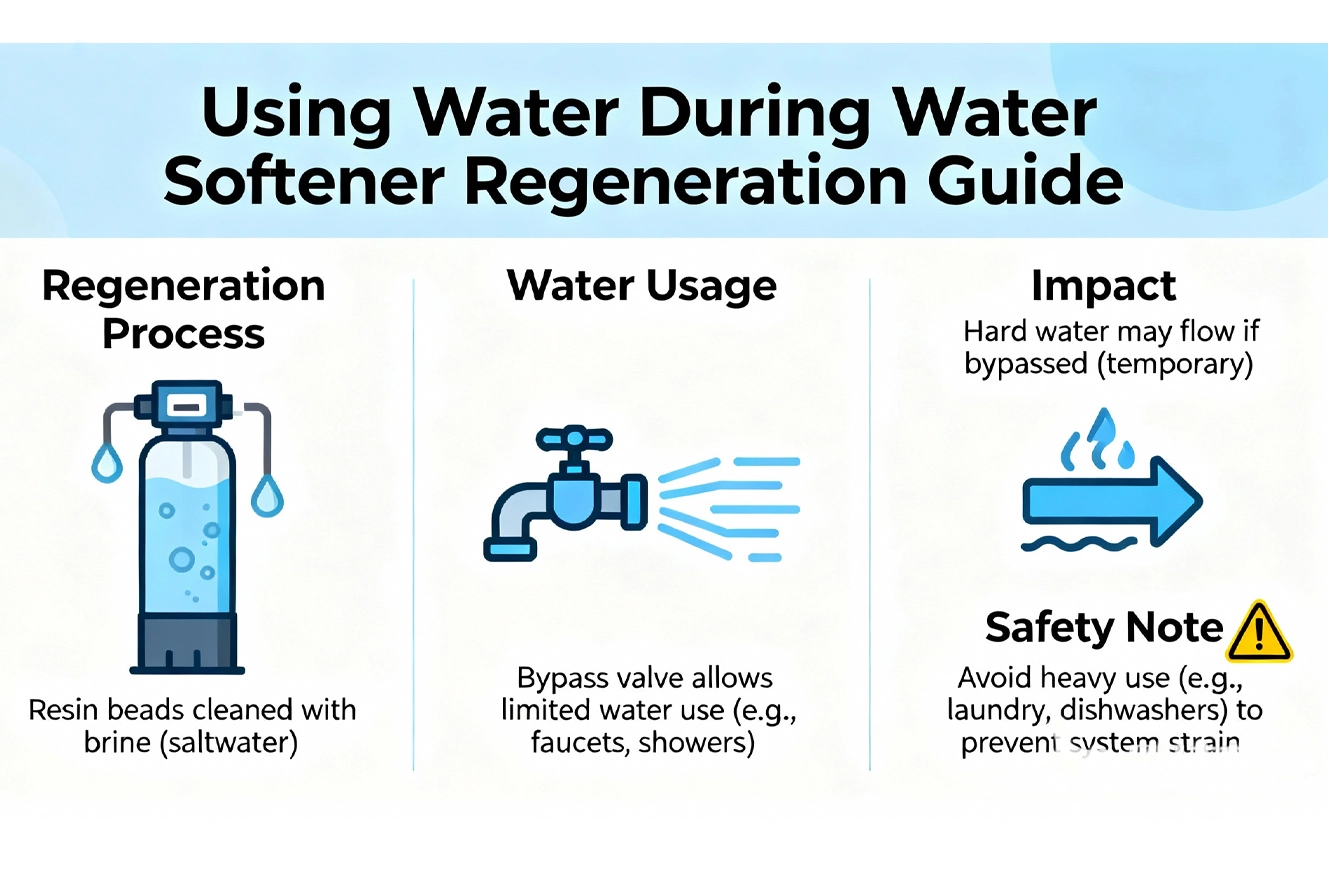
The regeneration cycle cleans the beads with a salt solution. This saltwater flushes out the trapped minerals. The cycle has several steps: backwash, brine draw, slow rinse, and fast rinse.
Backwash removes dirt and resets the beads. Brine draw sends saltwater through the beads. Slow rinse clears the saltwater and minerals. Fast rinse finishes cleaning and refills the tank.
Impact On Water Supply
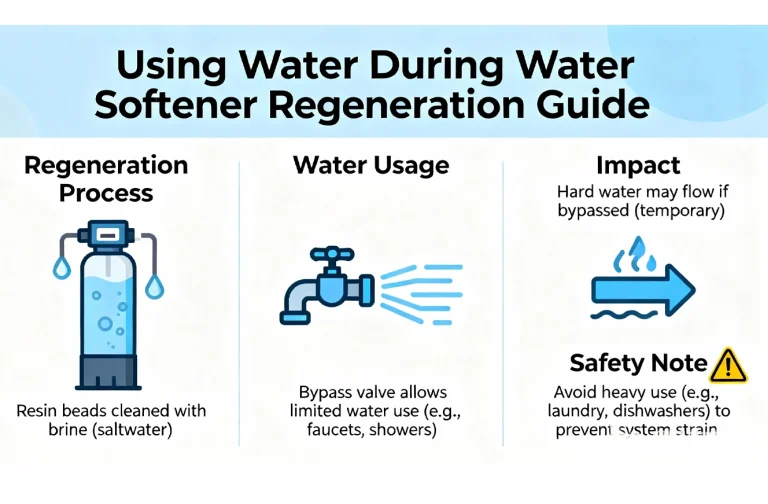
During regeneration, the softener may reduce water pressure. Some water might bypass the softener and stay hard. This water is safe for flushing toilets.
The regeneration usually lasts 30 to 60 minutes. Water use during this time might sound different. Flushing the toilet is fine, but avoid heavy water use.
Credit: www.basidewt.com
Toilet Flushing During Regeneration
Toilet flushing during water softener regeneration is a common question among homeowners. This process cleans the softener’s resin beads using a salt brine solution. It temporarily changes the water quality and pressure in your plumbing. Understanding what happens during regeneration helps you decide if you can flush the toilet safely at that time.
Is It Safe To Flush?
Flushing the toilet during regeneration is generally safe. The water softener still supplies water, but its quality changes briefly. The water may feel harder or have a slight salt taste. This does not harm your toilet or plumbing system. The process usually lasts 30 to 90 minutes, and normal water returns afterward.
Possible Effects On Toilet Performance
Toilet performance might change slightly during regeneration. Water pressure can drop because the system uses water for cleaning. The flush might feel weaker or slower than usual. Salt residue is rare but possible in the toilet bowl. This buildup can be cleaned easily with regular toilet cleaners.
Potential Risks And Concerns
Flushing the toilet while your water softener is regenerating might seem harmless. Yet, it carries some risks that you should understand. These risks can affect your plumbing and water quality. Knowing these concerns helps protect your home and health.
Saltwater Contamination
During regeneration, the water softener flushes out salt and minerals. This salty water can enter your home’s plumbing. Flushing the toilet can draw this saltwater into the bowl and pipes. Saltwater in your toilet is not harmful to flush but may cause issues.
Saltwater can leave deposits in your toilet bowl. Over time, these deposits may cause stains or corrosion. Drinking water with high salt content is unsafe. Though flushing doesn’t directly affect drinking water, cross-contamination risks exist in rare cases.
Damage To Plumbing Fixtures
Saltwater is harsher than regular water. It can wear down plumbing fixtures faster. Toilets, faucets, and pipes exposed to salty water may develop rust or cracks. Flushing during regeneration increases the chance of saltwater reaching these fixtures.
Repeated exposure to salt can reduce the lifespan of your plumbing. Repairs or replacements could become necessary sooner. Protecting your plumbing means avoiding unnecessary flushing during softener regeneration.
Credit: www.softprowatersystems.com
Tips For Managing Toilet Use
Managing toilet use during water softener regeneration can help avoid issues. Water softeners clean hard water by removing minerals in cycles. During these cycles, water quality changes and flow may slow. Understanding how to handle toilet flushing keeps your plumbing safe and working well.
Here are some simple tips to manage toilet use during this time.
Timing Your Flushes
Try to flush the toilet before the water softener starts regenerating. This step ensures the toilet uses fully softened water. Wait until the cycle ends before flushing again. This way, you avoid dirty or rough water in your pipes. Keeping flushes outside the regeneration cycle protects the toilet and plumbing.
Alternative Water Sources
Use water from another source during regeneration. A bucket of softened water can help flush the toilet. Some homes have a separate water line for drinking or cleaning. Consider filling containers with soft water before the cycle starts. This practice keeps toilet use smooth and avoids hard water problems.
Maintenance Practices For Water Softeners
Proper care keeps your water softener working well and lasting longer. Regular maintenance stops common problems. It also ensures soft water flow without interruption. Simple steps can prevent costly repairs and improve efficiency.
Regular Checks To Prevent Issues
Check salt levels weekly. Low salt can stop softening. Clean the brine tank once a year. Remove any salt buildup or sludge. Inspect the resin beads every few years. Replace if they lose effectiveness. Look for leaks around the unit. Tighten connections as needed. Run a water test to check hardness. This helps spot problems early.
When To Call A Professional
Call a pro if the softener won’t regenerate. Strange noises or smells also need expert help. Salt bridges or blockages might require special tools. If water hardness stays high, an expert can diagnose the cause. Regular servicing by a technician keeps your system in top shape.
Credit: www.basidewt.com
Frequently Asked Questions
Can You Flush The Toilet During Water Softener Regeneration?
Yes, you can flush the toilet while the water softener regenerates. The system uses a separate process, so flushing won’t harm it or your plumbing.
Does Flushing Affect Water Softener Regeneration Efficiency?
Flushing the toilet does not impact the softener’s regeneration process. The system continues working independently without interruption.
Will Hard Water Enter During Water Softener Regeneration?
Some hard water may flow during regeneration, but it’s usually minimal. Most systems have bypass valves to reduce this effect.
How Long Does Water Softener Regeneration Take?
Regeneration typically lasts between 30 minutes to 2 hours. During this time, softened water may be limited or unavailable.
Should I Avoid Water Use During Softener Regeneration?
It’s best to limit water use during regeneration for best results. Small uses like flushing are okay but avoid large water use.
Can Flushing Cause Damage To The Water Softener?
Flushing the toilet will not damage the water softener. The system is designed to handle normal household water use during regeneration.
What Happens If I Flush Multiple Times During Regeneration?
Multiple flushes won’t harm the softener but may reduce the soft water supply temporarily. The system will complete regeneration as planned.
Conclusion
Flushing the toilet during water softener regeneration usually causes no harm. The water might taste a bit different for a short time. Pipes and appliances stay safe from damage. To be safe, avoid heavy water use during this period. Waiting a few minutes can help keep water quality steady.
Knowing this helps you use water without worry. Simple steps keep your home running smoothly every day.