
When it comes to keeping your pool clean and safe, choosing the right chemical can make all the difference. You’ve probably heard about Calcium Hypochlorite and Sodium Dichloro S Triazinetrione, but which one is better for your needs?
Understanding how each works and what makes them unique can save you time, money, and frustration. You’ll discover the key differences between these two popular pool sanitizers, so you can make a confident choice for your pool care routine. Keep reading to find out which one fits your situation best.
Chemical Properties
Chemical properties define how substances behave and react. Calcium Hypochlorite and Sodium Dichloro S Triazinetrione differ in many ways. Understanding their molecular structure, physical characteristics, and stability helps choose the right one. These traits affect their use in water treatment and sanitation.
Molecular Structure
Calcium Hypochlorite has the formula Ca(ClO)2. It contains calcium ions and hypochlorite ions. This structure makes it a strong oxidizer. Sodium Dichloro S Triazinetrione, also known as sodium dichloroisocyanurate, has a complex ring structure. It contains nitrogen, chlorine, carbon, and oxygen atoms. This compound slowly releases chlorine in water, making it milder.
Physical Characteristics
Calcium Hypochlorite appears as white or pale yellow granules or powder. It has a strong chlorine smell and is highly soluble in water. Sodium Dichloro S Triazinetrione looks like white crystalline powder or tablets. It dissolves more slowly and has a less sharp odor. Both are solid at room temperature but differ in texture and smell.
Stability And Shelf Life
Calcium Hypochlorite is less stable and can lose strength when exposed to moisture or heat. It must be stored in a cool, dry place. Sodium Dichloro S Triazinetrione is more stable and has a longer shelf life. It resists moisture better and keeps its effectiveness over time. This makes it a preferred choice for long-term storage.
Disinfection Power
Disinfection power is crucial in choosing the right chemical for water treatment. Both Calcium Hypochlorite and Sodium Dichloro S Triazinetrione offer strong disinfection. Understanding their differences helps select the best option for your needs.
Chlorine Content
Calcium Hypochlorite contains about 65-70% available chlorine. This high chlorine content makes it very strong for killing germs. Sodium Dichloro S Triazinetrione has around 56-62% chlorine. It releases chlorine more slowly because it is a stabilized compound.
Effectiveness Against Pathogens
Both chemicals kill bacteria, viruses, and algae effectively. Calcium Hypochlorite works well in cloudy or warm water. Sodium Dichloro is better for pool water since it adds cyanuric acid. This acid helps protect chlorine from sunlight, keeping it effective longer.
Speed Of Action
Calcium Hypochlorite acts fast, releasing chlorine immediately. This quick action is useful for shock treatments. Sodium Dichloro works slower due to its stabilizing effect. It is best for steady, long-lasting disinfection rather than rapid shock.
Usage And Application
Calcium hypochlorite and sodium dichloro s triazinetrione are both strong chemicals used for cleaning and disinfecting. They help keep water and surfaces safe from germs. Each chemical has different uses depending on the situation. Understanding their applications helps choose the right one for the job.
Water Treatment
Calcium hypochlorite is widely used to treat drinking water. It kills harmful bacteria and viruses quickly. It works well in pools and large water systems. Sodium dichloro s triazinetrione also disinfects water but dissolves slower. It is common in small pools and spas. Both keep water safe to use and swim in.
Sanitizing Surfaces
Both chemicals sanitize surfaces in homes and businesses. Calcium hypochlorite is often used for outdoor cleaning. It removes algae and mold from walls and floors. Sodium dichloro s triazinetrione is gentler and suits indoor surfaces. It is popular in kitchens and hospitals. Each helps stop the spread of germs.
Industrial Uses
Industries use these chemicals to maintain hygiene. Calcium hypochlorite treats wastewater and controls odors. It helps in food processing plants to clean equipment. Sodium dichloro s triazinetrione is used in paper mills and textile factories. It disinfects machinery and water systems. Both keep industries safe and clean.

Credit: www.youtube.com
Handling And Safety
Handling and safety are critical when working with Calcium Hypochlorite and Sodium Dichloro S Triazinetrione. Both chemicals are strong disinfectants but can be dangerous if not stored or handled properly. Understanding their differences helps ensure safe use and prevents accidents.
Storage Requirements
Store both chemicals in a cool, dry place. Avoid moisture and heat exposure. Keep containers tightly closed. Separate from acids, oils, and organic materials. Use well-ventilated areas to reduce vapor buildup. Store away from sunlight to maintain stability. Label containers clearly to prevent mix-ups. Regularly inspect for leaks or damage.
Health Hazards
Both chemicals can irritate skin, eyes, and lungs. Inhalation may cause coughing or breathing issues. Contact with skin can lead to burns or rashes. Eye exposure can cause redness or serious damage. Swallowing these substances is harmful and requires immediate medical help. Long-term exposure may cause sensitization or allergic reactions.
Protective Measures
Wear gloves, goggles, and protective clothing. Use masks or respirators in dusty environments. Work in areas with good ventilation. Avoid direct contact with the chemicals. Wash hands thoroughly after handling. Keep emergency washing stations nearby. Train workers on proper handling and first aid. Dispose of waste according to local regulations.
Environmental Impact
Understanding the environmental impact of calcium hypochlorite and sodium dichloro s triazinetrione is important. Both chemicals are used for water treatment but differ in how they affect nature. Knowing their effects helps choose safer options for the environment.
Biodegradability
Calcium hypochlorite breaks down quickly in water. It loses its chlorine content fast, reducing long-term effects. Sodium dichloro s triazinetrione breaks down more slowly. Its active ingredient releases chlorine over time. This means it stays longer in the environment.
Byproducts And Residue
Calcium hypochlorite leaves calcium salts as residue. These salts can build up in water systems. Sodium dichloro s triazinetrione produces cyanuric acid as a byproduct. Cyanuric acid can accumulate and affect water quality. Both chemicals need careful handling to manage residues.
Effect On Aquatic Life
Both chemicals can harm fish and other aquatic animals. Calcium hypochlorite’s strong chlorine can kill small aquatic creatures quickly. Sodium dichloro s triazinetrione’s slower chlorine release causes prolonged exposure. This can stress or damage aquatic ecosystems more over time.
Cost And Availability
Cost and availability are key factors when choosing between Calcium Hypochlorite and Sodium Dichloro S Triazinetrione. Both chemicals serve similar purposes but differ in price and supply. Understanding these differences helps in making the right choice for your needs.
Market Pricing
Calcium Hypochlorite usually costs less than Sodium Dichloro. It is cheaper to produce and package. Sodium Dichloro tends to have a higher price due to its purity and stability. Prices can fluctuate based on demand and raw materials. Buyers should compare current market prices before purchasing.
Supply Chain Factors
Calcium Hypochlorite has a simpler supply chain. It is widely produced in many countries. Sodium Dichloro requires more complex manufacturing steps. This can cause delays and higher shipping costs. Supply chain issues may affect Sodium Dichloro more during peak demand periods.
Regional Accessibility
Calcium Hypochlorite is easier to find in many regions. It is commonly stocked by local suppliers. Sodium Dichloro may not be available everywhere. Some areas import it from specific countries. Check local availability to avoid long wait times.
Compatibility And Mixing
Understanding how Calcium Hypochlorite and Sodium Dichloro S Triazinetrione mix and react with other substances is key. Proper mixing ensures safety and effectiveness. Compatibility affects how you handle and store these chemicals. Incorrect mixing can cause dangerous reactions or reduce their cleaning power.
Mixing With Other Chemicals
Calcium Hypochlorite should never mix with acids or ammonia. It can release toxic gases. Sodium Dichloro S Triazinetrione is more stable but still reacts badly with acids and some cleaners. Always add chemicals slowly to water, never the opposite. Use separate containers for each chemical to avoid accidents.
Impact On Ph Levels
Calcium Hypochlorite raises water pH, making it more alkaline. This can affect pool comfort and equipment life. Sodium Dichloro S Triazinetrione lowers pH slightly, helping balance pool water. Knowing this helps maintain the right pH level for safe use and good cleaning results.
Equipment Compatibility
Both chemicals can corrode metals if used incorrectly. Calcium Hypochlorite is harsher on pipes and pumps. Use materials like plastic or stainless steel for better durability. Sodium Dichloro S Triazinetrione is gentler but still requires careful handling. Always rinse equipment after use to extend its life.
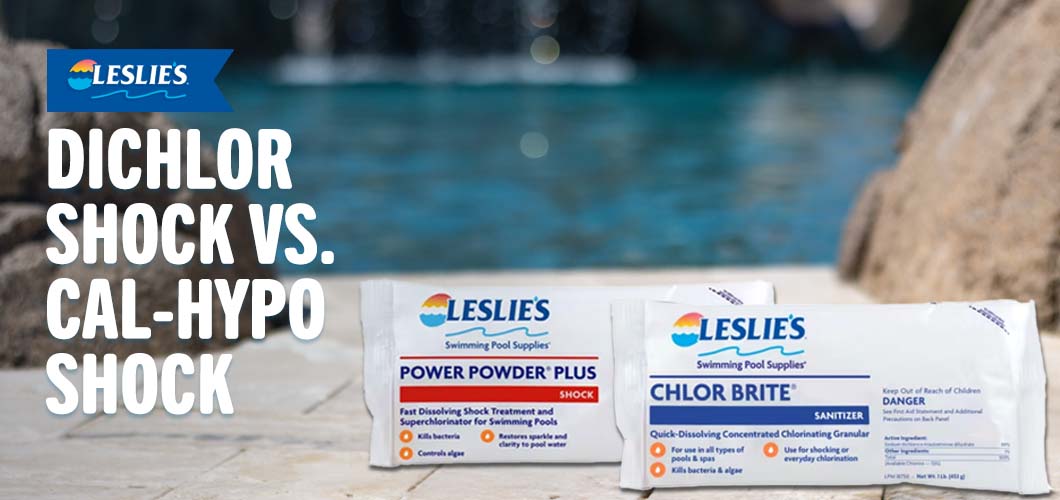
Credit: lesliespool.com
Practical Tips
Understanding how to use Calcium Hypochlorite and Sodium Dichloro S Triazinetrione safely and effectively matters a lot. Both chemicals serve as strong disinfectants but need careful handling. Practical tips help avoid common problems and make sure the chemicals work well.
Dosage Recommendations
Follow the label instructions for each chemical strictly. Calcium Hypochlorite usually needs less frequent dosing due to its strength. Sodium Dichloro S Triazinetrione dissolves slower and provides steady chlorine release. Test water chlorine levels regularly. Keep chlorine between 1 to 3 ppm for pools. Adjust dosage based on water volume and usage.
Common Mistakes To Avoid
Never mix these chemicals directly together. Mixing can cause dangerous reactions. Avoid overdosing; too much chlorine irritates skin and eyes. Do not add chemicals to water without dissolving them first. Avoid adding chemicals on windy days to prevent inhaling dust. Always use protective gloves and eyewear during handling.
Storage Best Practices
Store chemicals in a cool, dry place away from sunlight. Keep containers tightly closed to avoid moisture. Store separately from acids and other incompatible substances. Label containers clearly to prevent confusion. Keep chemicals out of reach of children and pets. Proper storage extends shelf life and maintains safety.

Credit: www.guidechem.com
Frequently Asked Questions
What Is Calcium Hypochlorite Used For?
Calcium Hypochlorite is mainly used to disinfect water and swimming pools. It kills bacteria and harmful germs quickly. It is a strong and fast-acting sanitizer.
How Does Sodium Dichloro S Triazinetrione Work?
Sodium Dichloro releases chlorine slowly when it dissolves in water. It keeps the water clean for a longer time. It also helps control algae growth in pools.
Which Chemical Is Safer For Swimming Pools?
Both chemicals are safe if used correctly, but Sodium Dichloro is gentler on skin and eyes. Calcium Hypochlorite can irritate more if overdosed. Proper dosing is important for both.
Can Calcium Hypochlorite And Sodium Dichloro Be Mixed?
Mixing these chemicals is not recommended as it can cause dangerous reactions. Each should be handled and stored separately. Always follow safety guidelines when using either.
Which Is More Cost-effective For Pool Maintenance?
Calcium Hypochlorite is generally cheaper but needs more frequent dosing. Sodium Dichloro costs more but lasts longer in water. Budget and usage affect which is better.
How Do Storage Requirements Differ For These Chemicals?
Calcium Hypochlorite must be stored in a dry, cool place away from metals. Sodium Dichloro also needs dry storage but is more stable. Both require good ventilation and safety measures.
What Are The Environmental Impacts Of These Chemicals?
Both chemicals release chlorine, which can harm aquatic life if not managed. Using them carefully prevents environmental damage. Proper disposal and dosing reduce risks to nature.
Conclusion
Both calcium hypochlorite and sodium dichloro S triazinetrione offer strong disinfecting power. Each has unique benefits for water treatment and pool care. Calcium hypochlorite works fast but can raise pH levels. Sodium dichloro releases chlorine slowly and keeps pH stable.
Choose based on your specific needs and water conditions. Understanding these differences helps you keep water safe and clear. Simple steps lead to better results and safer swimming environments.