
Are you planning a new shower or thinking about remodeling your bathroom? One question you might be wondering is: Is a shower pan liner really necessary?
It might seem like a small detail, but skipping this step could lead to serious water damage and costly repairs down the road. Understanding why a shower pan liner matters can save you time, money, and a lot of headaches.
Keep reading to find out how this simple addition protects your home and ensures your shower stays leak-free for years to come.
Purpose Of A Shower Pan Liner
A shower pan liner plays a key role in the shower’s structure. It acts as a hidden barrier under the shower floor. This barrier stops water from leaking out of the shower area. Without it, water can seep into the walls or floor below. This can cause big problems over time.
The liner is usually made of a waterproof material. It keeps water contained inside the shower base. This protects the home from water damage and mold growth. The shower pan liner is a small detail that helps keep the bathroom safe and dry.
Preventing Water Damage
Water can damage wood, drywall, and other materials easily. The liner stops water from reaching these parts. It forms a strong waterproof layer beneath the shower. This layer prevents leaks and water stains. It also stops mold and mildew from forming. Protecting the home from water damage saves money on repairs.
Extending Shower Longevity
A shower pan liner helps the shower last longer. Water trapped under the floor can cause rot and decay. The liner keeps water inside the shower drain. This prevents damage to the shower’s base and surrounding areas. A strong liner means fewer repairs and replacements over time. It keeps the shower sturdy and safe for years.

Credit: up.codes
Types Of Shower Pan Liners
Choosing the right shower pan liner is key to a leak-proof shower base. Liners act as a barrier that stops water from seeping through the shower floor. Different materials offer various benefits and durability levels. Understanding each type helps in picking the best option for your bathroom.
Pvc Liners
PVC liners are popular and widely used in shower installations. They are flexible, durable, and easy to work with. PVC stands for polyvinyl chloride, a plastic material that resists water well. These liners come in different thicknesses, with thicker ones providing better protection.
PVC liners can handle temperature changes without cracking. They fit well under tile or stone floors. Installation is simple, making PVC a favorite for many plumbers and DIYers.
Cpe Liners
CPE liners are made from chlorinated polyethylene. They are less common but still a reliable choice. CPE liners are tough and resist chemicals and punctures. They are also flexible, allowing easy fitting in shower pans with odd shapes.
This type of liner holds up well over time. It is a good option in areas with heavy water use. CPE liners offer a balance of strength and flexibility.
Rubber Liners
Rubber liners provide excellent waterproofing and durability. They are thicker and stronger than PVC or CPE. Rubber resists tears and punctures better than other materials.
These liners can last many years without damage. They are a good choice for showers that see heavy use. Rubber liners also handle shifting or settling in the floor without cracking.
Installation Methods
Installing a shower pan liner is a key step in building a waterproof shower base. Proper installation stops water from leaking into walls and floors. This section explains the main steps for installing a shower pan liner. It covers preparing the base, placing the liner, and sealing the edges for a tight fit.
Preparing The Shower Base
Start by cleaning the shower base thoroughly. Remove dust, dirt, and debris. The surface must be smooth and dry. Any rough spots can tear the liner. Check the drain location and clear the area around it. This helps the liner fit snugly and prevents leaks.
Liner Placement Techniques
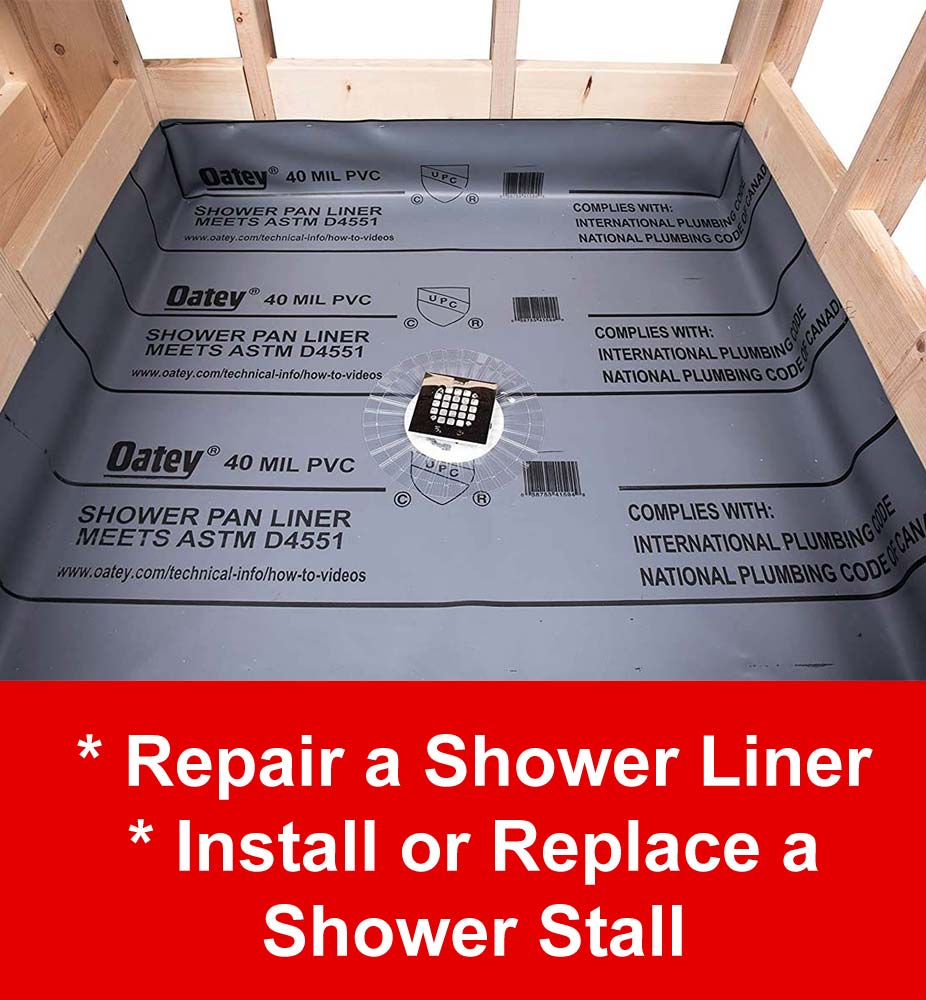
Lay the liner flat over the shower base. Extend it up the walls at least 6 inches. Smooth out wrinkles and folds carefully. Press the liner firmly into corners and around the drain. Use a utility knife to cut the liner for the drain hole. Make sure the liner fits tightly without gaps.
Sealing And Testing
Seal all edges of the liner with waterproof tape or sealant. Pay close attention to corners and seams. Connect the liner securely to the drain flange. After sealing, test for leaks by filling the pan with water. Let it sit for several hours. Inspect for any water seepage before installing the final shower floor.
Credit: www.wpsexpert.com
Common Installation Mistakes
Installing a shower pan liner is a key step in building a durable shower base. Many mistakes can happen during installation. These errors often lead to leaks and water damage. Avoiding common installation mistakes helps protect your bathroom and save money.
Improper Slope
The shower floor must slope toward the drain. A wrong slope causes water to pool. Standing water leads to mold and damage. The ideal slope is about 1/4 inch per foot. Too little or too much slope creates problems.
Incorrect Sealing
Sealing the liner edges is critical. Gaps or missed spots let water escape. Use proper waterproof sealants and tape. Seal around corners and seams carefully. Poor sealing causes leaks behind walls and floors.
Using The Wrong Materials
Not all liners work well in showers. Choose materials made for wet areas. Thin or cheap liners tear easily. Use liners made from durable, waterproof materials. The right materials last longer and protect better.
Alternatives To Shower Pan Liners
Shower pan liners are common for waterproofing shower bases. Some people prefer other options. These alternatives can be easier to install or more durable. Each method has its own benefits and fits different needs.
Preformed Shower Pans
Preformed shower pans come ready-made in various sizes. They are usually made from acrylic, fiberglass, or solid surface materials. These pans have built-in waterproofing, so no extra liner is needed. They are quick to install and reduce the chance of leaks. Preformed pans also provide a smooth, even base for tiles or shower walls.
Waterproof Membranes
Waterproof membranes are sheets made from materials like PVC or rubber. They act as a barrier to stop water from reaching the floor below. These membranes are laid under tiles or other surfaces in the shower. They require careful installation to avoid gaps or wrinkles. Membranes are flexible and can fit different shower shapes.
Liquid Waterproofing Solutions
Liquid waterproofing products are applied like paint. They create a seamless, waterproof layer once dry. These liquids can cover corners and hard-to-reach areas easily. They work well with tile backer boards and cement boards. Liquid solutions are good for small repairs and custom shower shapes. Proper application is important to ensure full protection.

Credit: www.angi.com
Building Codes And Regulations
Building codes and regulations play a key role in shower construction. They ensure safety and prevent water damage. Knowing these rules helps decide if a shower pan liner is necessary. Codes vary by location and type of building. Compliance avoids costly repairs and fines.
Local Requirements
Local building departments set specific rules for shower pans. These rules often require a waterproof liner. This liner stops water from leaking into the floor or walls. Some areas have strict guidelines about materials and installation methods. Checking local rules before starting work saves trouble later.
Industry Standards
Industry groups create standards to guide builders on shower waterproofing. These standards recommend using a shower pan liner. They describe the best materials to use for durability and water resistance. Following these standards improves the shower’s lifespan. It also helps pass inspections and maintain property value.
Cost Considerations
Cost matters a lot when deciding on a shower pan liner. It affects your budget now and later. Understanding the expenses helps you make a smart choice. Here are the key cost points to consider.
Material Costs
Shower pan liners come in different materials like PVC, CPE, and rubber. Prices vary based on material quality and thickness. PVC liners tend to be affordable and common. CPE liners cost a bit more but offer better durability. Rubber liners are usually the most expensive. Choose a material that fits your budget and needs.
Labor Expenses
Installing a shower pan liner takes skill and time. Professional installation costs depend on the liner type and bathroom size. A simple shower pan liner can be installed quickly, lowering labor fees. Complex setups or larger showers increase labor costs. Hiring experienced plumbers or contractors ensures proper installation and avoids future problems.
Long-term Savings
A quality shower pan liner prevents leaks and water damage. Fixing water damage is expensive and time-consuming. Investing in a good liner saves money on repairs later. It also protects your home’s structure and value. Spending more upfront can mean fewer costs over time.
Signs You Need To Replace Your Shower Pan Liner
Knowing when to replace your shower pan liner is key to avoiding big problems. The liner stops water from leaking under your shower. Over time, it can wear out or get damaged. Watch for signs that it needs replacing soon. Acting fast can save your bathroom from costly repairs.
Leaks And Water Damage
Water leaking outside the shower area is a clear warning. Look for puddles or damp spots near the shower. Water stains on the floor or walls also show trouble. These leaks can damage your subfloor and cause expensive fixes. A broken liner often causes this problem.
Mold And Mildew Growth
Mold or mildew smell in your bathroom is a red flag. These fungi grow in wet, hidden places under the shower. You might see dark spots or patches around the shower base. Mold can harm your health and weaken building materials. A faulty liner lets water reach areas it should not.
Cracks And Wear
Check the liner for cracks, holes, or tears. These damages let water pass through and cause leaks. Over time, liners lose their strength and flexibility. Signs of wear mean it no longer protects your shower base well. Replacing the liner keeps your bathroom safe and dry.
Frequently Asked Questions
What Is A Shower Pan Liner And Its Purpose?
A shower pan liner is a waterproof barrier beneath the shower floor. It stops water from leaking into the subfloor and causing damage.
Is A Shower Pan Liner Required By Building Codes?
Most building codes require a shower pan liner for waterproofing. This helps prevent water damage and mold growth in wet areas.
Can A Shower Pan Liner Prevent Mold And Water Damage?
Yes, it prevents water from seeping into floors and walls. This reduces mold risk and keeps the structure safe.
What Materials Are Commonly Used For Shower Pan Liners?
Common materials include PVC, CPE, and rubber liners. These materials are flexible, durable, and waterproof.
How Long Does A Shower Pan Liner Usually Last?
A good-quality shower pan liner can last 20 to 30 years. Proper installation helps extend its lifespan.
Can I Install A Shower Pan Liner Myself?
DIY installation is possible but requires careful sealing and slope creation. Mistakes can lead to leaks and costly repairs.
What Happens If A Shower Pan Liner Is Not Used?
Without a liner, water can leak into the floor below. This causes rot, mold, and expensive structural damage.
Conclusion
A shower pan liner helps protect your bathroom from water damage. It acts as a barrier under the shower floor. Without it, leaks can cause serious problems. Installing a liner adds safety and peace of mind. It keeps water where it belongs.
This small step can save you money on repairs later. So, think about adding a shower pan liner to your project. It’s a smart, simple way to keep your bathroom dry and safe.