
When choosing between these two brands, the choice depends on your installation path because professional installers typically prefer bradford white vs rheem water heaters for their exclusive distribution model. If you’re a homeowner doing the job yourself, Rheem is usually the better option because it’s widely available at big-box hardware stores.
Bradford White and Rheem water heaters compared

The primary difference between these manufacturers lies in how they reach the customer. Bradford White sells only through licensed contractors, while Rheem maintains a presence in both wholesale and retail markets. This affects your ability to source parts and choose your own installer.
| Method | How long | Effort | Cost | Best for |
|---|---|---|---|---|
| Bradford White | 10-15 years | High | High | Long-term reliability |
| Rheem Pro | 10-15 years | Medium | Medium | Contractor installs |
| Rheem Retail | 8-12 years | Low | Low | DIY replacements |
If you purchase a retail unit, you’re often buying a model with plastic drain valves and thinner internal components. These units save money upfront but frequently fail at the valve connection within five years. Professional-grade models use brass valves that withstand higher pressure and repeated flushing.
Check your home’s water hardness before choosing.
Lifespan estimates assume proper maintenance and annual flushing of the tank. If you live in an area with hard water, your anode rod will degrade faster;
The contractor-only approach
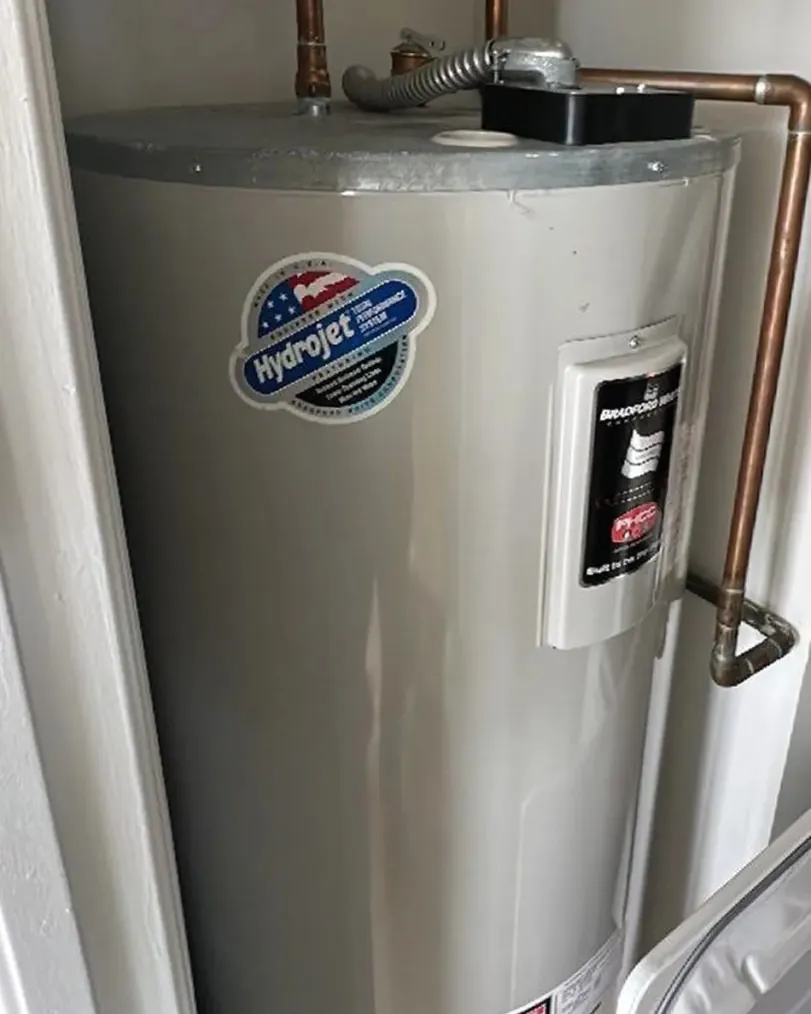
Bradford White units are built with features designed to make a plumber’s work faster and more reliable. These heaters often feature the Defender Safety System, a specialized flame arrestor screen that prevents flammable vapors from igniting inside the tank.
- Turn off the gas or power supply to the old unit at the main breaker or shut-off valve.
- Drain the tank completely using a standard garden hose connected to the lower drain valve.
- Disconnect the water lines and gas or electrical connections using a pipe wrench or adjustable pliers.
- Professional installation is required to maintain the manufacturer’s warranty, so contact a licensed plumber to handle the final connections.
If you attempt to install these units yourself, you forfeit the six-year limited tank warranty. Most suppliers will refuse to sell you the unit directly unless you provide a valid plumbing contractor license number.
These units are excellent for homeowners who want a “set it and forget it” experience handled by a pro. The main weakness is that you can’t buy these at a standard retail store. You’re locked into the pricing and schedule of your chosen plumbing company. Always request a written quote that separates the unit cost from the labor fee to ensure you aren’t paying an excessive markup on the hardware itself.
The retail-accessible option
Rheem is the most common brand found in home improvement centers, making it the top choice for immediate replacement needs. Their retail models are designed for straightforward installation by someone with basic plumbing experience.
- Shut off the cold water supply valve and drain the tank using a garden hose.
- Disconnect the supply lines and the vent or electrical conduit from the top of the unit.
- Move the old unit out and place the new Rheem heater on a level surface, ensuring the base is sturdy.
- Reconnect the water lines, install the temperature and pressure relief valve, and finish the electrical or gas venting according to the manual.
If you’re replacing a unit in an upstairs closet, verify your floor joists can support the weight of a full 50-gallon tank, which exceeds 500 pounds. Most retail models are built for standard residential loads, not high-demand commercial environments.
Rheem heaters are great because parts are easy to find at any local hardware store. The downside is that retail models often use plastic components in the drain valves rather than the heavy-duty brass valves found on professional-grade units. If your home has hard water, replace that plastic valve with a brass aftermarket part before filling the tank. This simple swap prevents a catastrophic leak during your first routine flush.
Understanding the professional series
Rheem also manufactures a “Professional” line that’s sold through wholesalers, similar to the Bradford White model. These units often include upgraded components like longer-lasting anode rods and enhanced insulation packages that aren’t found on entry-level retail models.
Verify the model number at the wholesaler to ensure it includes the “Professional” designation. These units often feature brass drain valves rather than plastic ones, which prevents the common failure of threads stripping during routine maintenance.
Hire a licensed technician to handle the plumbing and gas piping, as these units require specific venting setups. If your existing flue diameter is smaller than the requirement for the new tank, you must upgrade the venting to avoid carbon monoxide buildup.
Register the product serial number on the manufacturer website immediately to activate the full warranty period. Failing to register within the first 90 days often results in the manufacturer defaulting the warranty to the date of production rather than the date of purchase, potentially costing you two years of coverage.
If you choose a retail unit but try to install it yourself, always double-check local building codes. If you live in an area with strict seismic requirements, you must use a certified strapping kit to prevent the tank from tipping during an earthquake.
Which brand performs best?
Choosing the right unit comes down to your specific situation and access to professional help. When you’re in a hurry, a retail-grade Rheem is the winner because you can pick one up today at a local store.
If you’re doing this for the first time, a professional-grade Bradford White wins because it includes the safety and expertise of a licensed installer. If you want the best possible result regardless of the cost, a professional-grade Rheem unit installed by a contractor offers the highest build quality and long-term service support.
If you have a limited budget, you might be tempted to buy the cheapest tank on the shelf. However, a cheap unit may cost more in the long run if it lacks the thicker insulation or better anode rods that prevent tank corrosion.
The main trade-off is between the convenience of retail availability and the reliability of professional-grade equipment. Always check your local plumbing codes before starting, as some cities require a permit even for a simple swap of a water heater.
The rules that apply to every heater
Regardless of the brand you pick, the installation must meet the standards set by the Uniform Plumbing Code. Before you begin, you must shut off the water at the main supply and verify the gas or electricity is disconnected to prevent accidents.
If you aren’t comfortable working with gas lines or high-voltage electricity, stop immediately and hire a licensed professional. Installing these systems incorrectly can lead to carbon monoxide leaks or fire hazards, which is why most jurisdictions require a permit for water heater replacement.
A common mistake is failing to install a thermal expansion tank when required. If your home has a closed-loop plumbing system, the pressure increase during heating cycles can rupture your tank or damage internal valves. You can identify this need by checking if your main water line has a pressure-reducing valve installed.
Always check the tank pressure partway through filling it to ensure there are no leaks at the new fittings. At the end of the installation, test the temperature and pressure relief valve to ensure it functions properly. If you notice the water isn’t heating to the set temperature, check the thermostat settings before calling for service. Keep your user manual in a safe place, as you’ll need the serial number for any future warranty claims.
Frequently asked questions
Can I install a water heater myself?
Yes, you can install a water heater yourself if you have the necessary tools and experience with plumbing and gas or electrical systems. However, if you aren’t familiar with local building codes or the specific requirements for venting, it’s safer to hire a licensed professional. A mistake here could lead to a gas leak, water damage, or a voided manufacturer warranty.
How long does a water heater last?
Most residential water heaters have a limited lifespan, depending on the model and water quality. If you live in an area with hard water, minerals will build up in the tank, which shortens the lifespan of the heating elements or the tank wall. Flushing the tank once a year is the best way to ensure you get the maximum life out of your unit.
Is it safe to buy a used water heater?
No, it isn’t recommended to buy a used water heater because you can’t verify its internal condition or how it was maintained. Used tanks often have internal rust or scale buildup that you can’t see, which can lead to leaks shortly after installation. It’s always safer to purchase a new unit with a full manufacturer warranty to protect your home from water damage.
How much does professional installation cost?
Professional installation costs vary significantly based on your location and the complexity of the job. Labor is generally inexpensive relative to the cost of the unit itself, depending on whether the technician needs to upgrade your gas lines or electrical service. Always get at least three quotes from licensed plumbers in your area before starting the project to ensure you’re getting a fair price for the work.
What happens if I don’t flush my tank?
If you don’t flush your tank, sediment will accumulate at the bottom, which creates a barrier between the burner and the water. This forces the heater to work much harder to warm the water, which wastes energy and leads to premature failure of the tank. You should flush your tank based on your specific usage and the recommendations found in your owner’s manual to remove this mineral buildup and maintain efficiency.
How do I know if my water heater is failing?
The most common signs of a failing water heater are water pooling around the base of the unit or a sudden loss of hot water. If the water coming out of your faucets is discolored or has a metallic taste, it’s a sign that the internal tank lining is starting to rust. If you see any signs of rust or leaking, shut off the water supply immediately to prevent flooding.
Conclusion
The right choice between these two brands ultimately depends on whether you value the ease of retail access or the reliability that comes with a professionally installed, high-end system. By focusing on your installation method and local code requirements, you ensure your home stays supplied with hot water for years to come.