
When you face a plumbing emergency or a simple repair project, knowing the best water shut off valves to install can save your home from thousands of dollars in water damage. These devices act as the primary defense against leaks, flooding, and burst pipes. Depending on the material, size, and labor required, homeowners typically spend between $15 and $350 for parts and professional installation per valve. Understanding which type suits your specific plumbing system ensures that you have reliable control over your home’s water supply when you need it most.
Key Takeaways
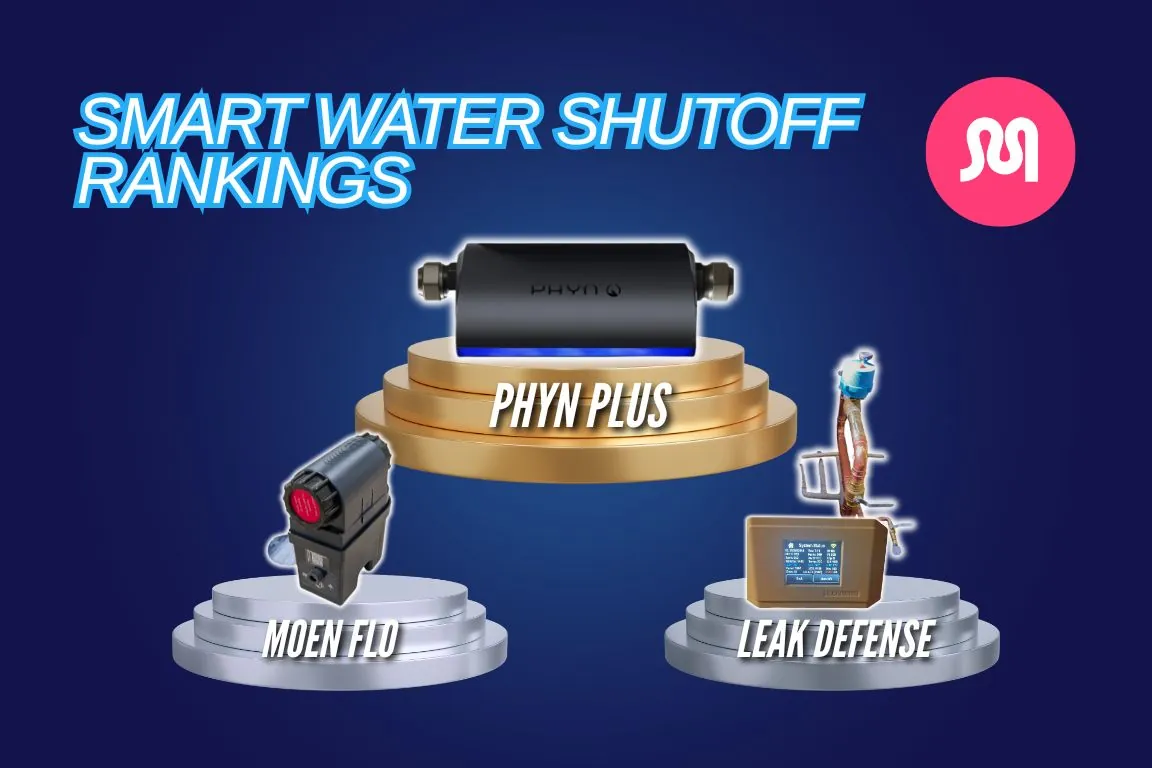
- Quarter-turn ball valves are the industry standard for reliability and ease of use.
- Always match the valve material to your existing piping, such as copper, PEX, or CPVC.
- Full-port valves are superior to standard-port valves because they allow unrestricted water flow.
- Installing a main shut-off valve near the water entry point allows for total system isolation.
- Shut-off valves should be tested every six months to prevent mineral buildup and corrosion.
Why Choose Ball Valves?
When selecting a shut-off mechanism, the ball valve is the gold standard for residential plumbing. Unlike older gate valves that rely on a sliding metal wedge, ball valves use a rotating sphere with a hole in the center.
A simple 90-degree turn of the handle aligns the hole with the pipe to open the flow or turns it perpendicular to stop the flow completely. This design is highly resistant to sediment buildup and provides a clear visual indicator of whether the water is on or off.
Warning: Never attempt to force a stuck valve handle with a pipe wrench or excessive leverage, as this can snap the stem and cause a catastrophic leak; if a valve is seized, apply penetrating oil and allow it to sit for several hours before attempting to turn it again.
Comparing Valve Materials and Types
Choosing the correct material ensures compatibility with your home’s infrastructure. Using the wrong material can lead to galvanic corrosion or joint failure.
| Valve Type | Best For | Material Options | Key Advantage |
|---|---|---|---|
| Ball Valve | Main line/fixtures | Brass, Stainless, PVC | Durable and leak-proof |
| Gate Valve | Older systems | Brass, Bronze | Gradual flow control |
| Angle Stop | Sinks/Toilets | Chrome-plated brass | Compact, aesthetic design |
| PEX Crimp | Flexible piping | Poly-alloy, Brass | Fast installation |
Which Valve Is Right for You?
Selecting between the options depends entirely on the location of the valve and the type of pipe you have in your walls. For main water lines, you need a high-quality, full-port brass ball valve. These are rated for high pressure and long-term durability.
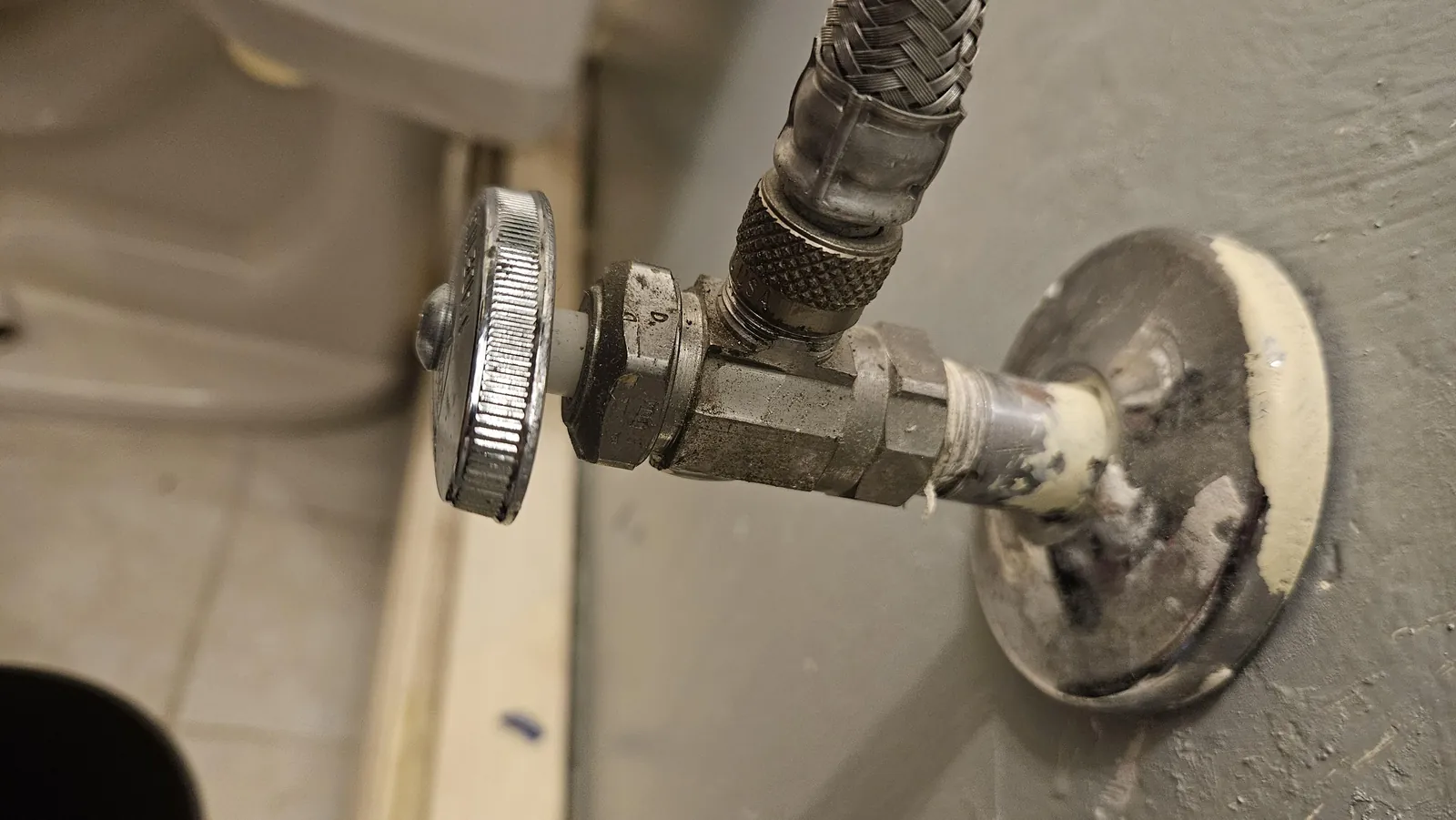
For secondary lines, such as those leading to a toilet or a bathroom vanity, an angle stop valve is the most appropriate choice. These are designed to fit into tight spaces behind fixtures where a full-size valve would be impossible to operate.
For homes utilizing PEX (cross-linked polyethylene) tubing, you should look for push-to-connect valves or crimp-style valves. These allow for a transition between different pipe materials without the need for soldering or specialized plumbing torches. Always ensure that the valve is certified by the NSF International to meet safety standards for potable water systems, which guarantees the materials won’t leach harmful chemicals into your drinking supply.
Are Gate Valves Still Used?
While you might find gate valves in older homes, they’re increasingly being phased out in favor of ball valves. A gate valve uses a threaded handle that raises and lowers a metal gate to block the water flow.
Over time, the internal threads can strip, or the gate itself can become corroded and fail to seat properly. If you’re performing a renovation, replacing an existing gate valve with a modern ball valve is a highly recommended upgrade that increases the longevity of your plumbing system.
How to Install New Valves
Installation methods vary significantly based on your pipe material. For copper pipes, you’ll generally need to use a compression fitting or sweat the joint with solder. If you aren’t comfortable with an open flame, compression valves are an excellent alternative that requires only two adjustable wrenches to tighten the nut against a ferrule, creating a watertight seal.
- Turn off the water at the main street-side or curb-side shut-off.
- Drain the remaining water from the lines by opening the lowest faucet in the house.
- Cut the pipe to the desired length using a tubing cutter to ensure a square edge.
- Clean the pipe ends thoroughly with abrasive cloth or a wire brush.
- Slide the nut and ferrule onto the pipe.
- Insert the valve body and tighten the nut until secure.
Pro Tip: When installing compression fittings, apply a small amount of plumber’s grease to the ferrule to ensure it slides smoothly into place and creates a consistent seal without deforming the pipe.
Maintaining Your Shut-Off Valves
A valve that remains in one position for years will eventually seize due to mineral deposits and oxidation. To maintain your plumbing health, you should perform a routine check of every shut-off valve in your home, including those under sinks, behind toilets, and the main supply line. Gently turn the handle to the closed position and then back to the open position every six months. This simple action prevents buildup from locking the internal mechanism in place.
Troubleshooting Common Valve Issues
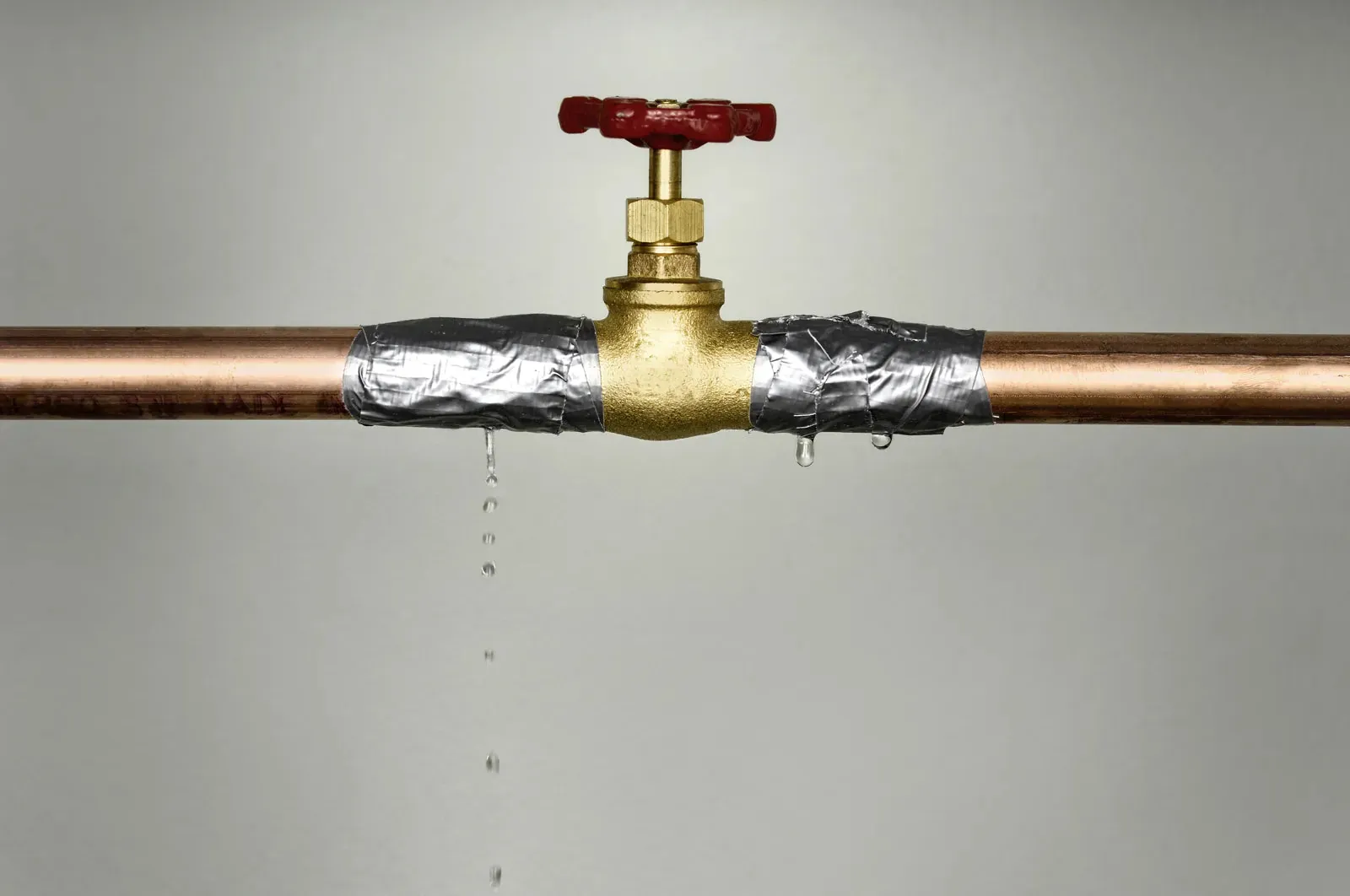
If you encounter a leaking valve, the first step is to identify the source. If the leak is coming from the handle, the internal packing nut may simply need to be tightened. If the leak is coming from the connection point between the pipe and the valve, you may need to disassemble the connection, inspect the ferrule for damage, and reinstall it.
- Handle is loose: Tighten the screw holding the handle to the stem.
- Valve won’t turn: Apply penetrating lubricant to the stem base.
- Dripping from stem: Tighten the packing nut located behind the handle.
- Constant leak: The valve seat is likely damaged and requires replacement.
Related guides
- Best Smart Water Bottles in 2026
- 5 Best Water Softeners for Well Water: Our Top Picks in 2026
- Does Lead Float in Water? The Simple Answer Explained in 2026
Frequently Asked Questions
Can I install a shut-off valve myself?
Yes, most homeowners can install a compression-style shut-off valve with basic tools. If you have copper pipes that require soldering or if you’re working on the main water line, it’s often safer to hire a licensed professional to ensure compliance with local building codes and to avoid the risk of flooding your home during the installation process.
What is a full-port valve?
A full-port valve has an internal hole that’s the same diameter as the surrounding pipe. This design ensures that there’s no restriction in water flow, preventing pressure drops and reducing the noise often caused by turbulence in the pipe. Standard-port valves have a smaller internal hole, which can restrict flow and cause higher strain on your home’s plumbing system.
How do I know which size to buy?
You must measure the outside diameter of your pipe. Most residential supply lines are 1/2 inch or 3/4 inch in diameter. You can take a small section of the pipe or a photo with a ruler next to it to your local hardware store to ensure you purchase the correct size. Using the wrong size will prevent a proper seal and lead to leaks.
When should I replace my valves?
You should replace valves if they become difficult to turn, if they show visible signs of corrosion or “green” oxidation, or if they drip when in the closed position. It’s also wise to replace older gate valves during any major plumbing renovation to prevent future failure. Proactive replacement is much cheaper than addressing water damage caused by a failed valve.
Where should I place shut-off valves?
You should have a main shut-off valve at the point where the water line enters your home. Additionally, every fixture, including toilets, kitchen sinks, bathroom vanities, washing machines, and dishwashers, should have its own dedicated shut-off valve. This allows you to perform repairs on a single fixture without having to turn off the water supply for the entire house.
Conclusion
Taking control of your home’s water supply is one of the most important aspects of property ownership. By replacing outdated hardware with high-quality ball valves and performing regular maintenance, you protect your investment from the sudden stress of a pipe failure. Start by locating your main water supply today, and check every fixture-specific valve to ensure they’re fully operational and ready for any emergency.