
The most reliable units for your home are comfort height ADA toilets, which provide a seat height between 17 and 19 inches. These fixtures are designed to make sitting and standing easier for people with mobility challenges or those who find standard 15-inch models too low. These toilets come in various flushing systems and bowl shapes, all designed to reduce joint strain.
Comparing comfort height toilet options
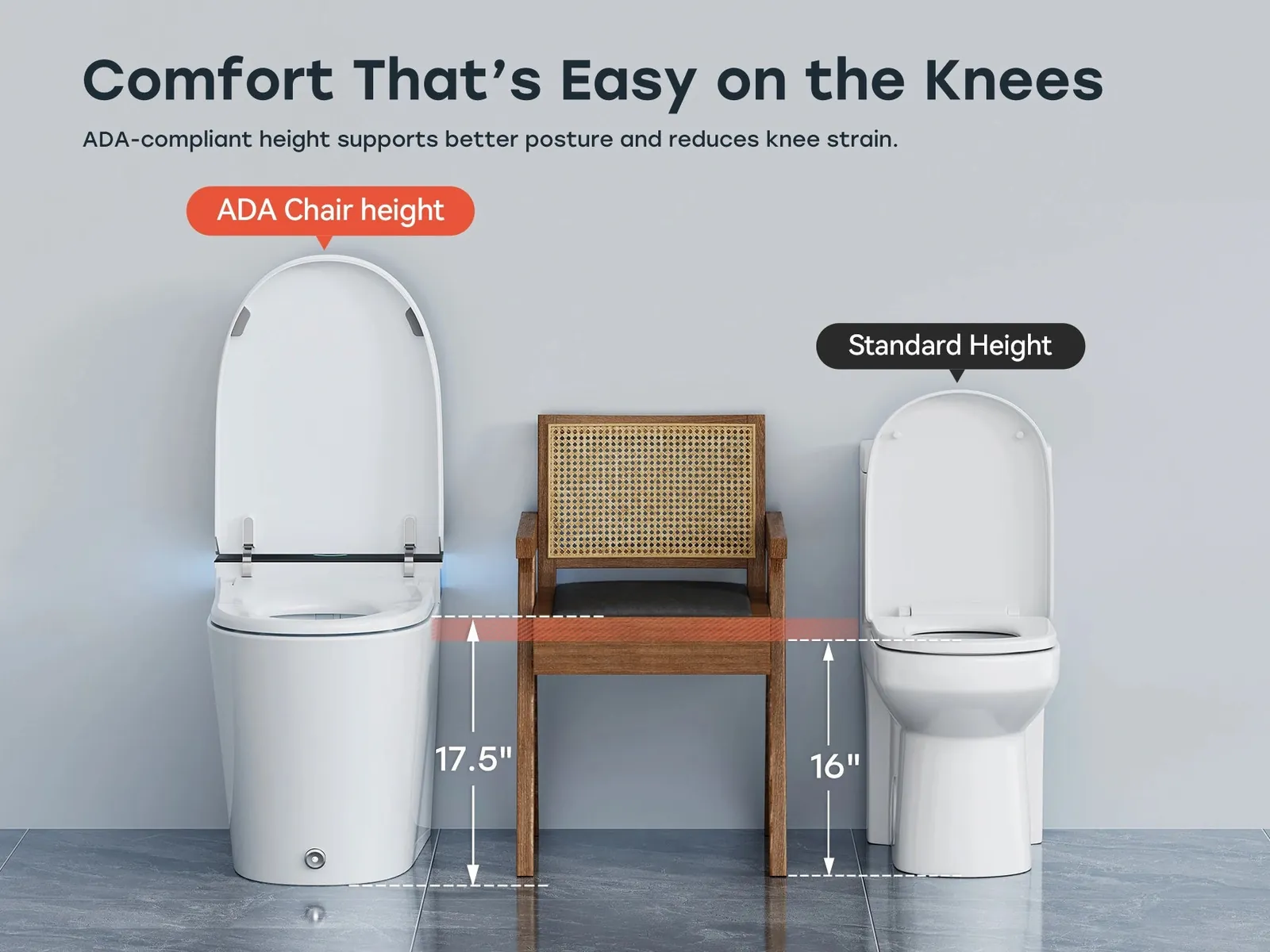
The table below outlines common types of elevated toilets found in residential and commercial settings. Each type serves a specific need, whether it’s ease of cleaning, space efficiency, or water savings. You should check your bathroom’s rough-in measurement—the distance from the wall to the center of the drainpipe—before you purchase any of these units.
| Model Type | Best For | Concrete Example |
|---|---|---|
| Two-piece gravity | Budget-friendly repairs | Standard residential floor mount |
| One-piece skirted | Easy exterior cleaning | Modern seamless floor mount |
| Wall-hung | Maximizing floor space | In-wall tank carrier system |
| High-efficiency | Lowering water usage | Dual-flush gravity model |
| Pressure-assisted | Heavy-duty waste removal | Commercial-grade power flush |
Most standard homes require a 12-inch rough-in. If your drain sits 10 or 14 inches from the wall, you must buy a specialized model or a universal adapter. Buying the wrong rough-in size is a costly mistake that forces a full floor tear-out to relocate the pipe.
Choose a wall-hung unit only if your wall studs can support a steel carrier system. If your bathroom wall is a standard 2×4 frame, you’ll need to reinforce the structure before installation. Without this backing, the toilet will eventually pull away from the wall, damaging your tile and plumbing.
If you prioritize hygiene, opt for a skirted one-piece model. These units lack the deep crevices found on two-piece toilets, which trap dust and grime. You’ll save significant time on weekly cleaning by eliminating those hard-to-reach curves.
For households with multiple users, pressure-assisted toilets are superior for preventing clogs. However, they generate a loud, mechanical sound during the flush cycle. If the bathroom is located near a bedroom, stick to a quiet gravity-fed system to avoid disrupting sleep.
Two-piece gravity toilets
These models consist of a separate tank and bowl that bolt together during installation. They’re the most common choice for residential retrofits because they’re easy to transport in two smaller boxes. If you have a tight hallway or a small bathroom door, this design is easier to maneuver than a bulky one-piece unit.
They allow for simple replacement of just the tank or the bowl if one part cracks. The gravity-fed design is quiet and effective for standard residential waste removal. They accommodate a wide range of seat heights, typically hitting the 17-inch mark easily with a standard seat. Maintenance is straightforward as the parts are widely available at local hardware stores.
For a typical installation, you’ll need to tighten the tank-to-bowl bolts until the gasket creates a firm seal, usually requiring about 5–8 foot-pounds of torque to prevent leaks.
The primary mistake installers make is overtightening these bolts. If you crack the porcelain flange, you must replace the entire tank, which costs significantly more than the hardware itself. Use a socket wrench to feel the resistance, then stop the moment the gasket stops compressing. If the tank wobbles, tighten each bolt a quarter turn at a time, alternating sides to keep the pressure even.
You can distinguish a quality two-piece unit by the gap between the tank and the bowl. If the gap is less than half an inch, cleaning behind the tank becomes a chore that requires specialized brushes. Look for models with a wider clearance to ensure you can reach the floor and the rear of the bowl with a standard cloth.
If your floor is uneven, the two-piece design offers a distinct advantage. You can use shims under the bowl to level the unit before you bolt the tank down. This prevents the porcelain from being under constant tension, which is the leading cause of hairline fractures in residential bathrooms. If you notice a leak at the base after installation, check the wax ring first; it’s almost always a seating issue rather than a defect in the porcelain.
One-piece skirted toilets
A one-piece toilet has the tank and bowl fused together into a single, seamless piece of ceramic. These units are popular for their clean look, as the “skirted” sides hide the trapway, the S-shaped pipe at the base. Because there are no crevices for dust to collect, they’re much faster to wipe down during weekly cleaning.
The smooth exterior surface eliminates the hard-to-reach curves found on standard toilets. You save roughly five minutes per cleaning session by avoiding the scrubbing of those tight, recessed bolt holes. If you see a visible gap between the tank and bowl, you’re looking at a two-piece model that will eventually require a gasket replacement.
A single piece eliminates the risk of leaks between the tank and the bowl. In a standard two-piece toilet, the rubber gasket connecting these sections is a common point of failure after seven to ten years of use. By removing this junction, you permanently eliminate the risk of water seeping onto your subfloor from a loose bolt or a degraded seal.
These units often feature a more modern, low-profile aesthetic that fits contemporary bathroom designs. The heavy construction provides a very stable base for users who rely on the toilet for support. Because the weight is distributed across a solid, non-flexing base, these toilets don’t wobble when pressure is applied to the front edge.
You’ll find that these units are significantly heavier than two-piece models, often weighing over 100 pounds. You should use a two-person lift to set the bowl onto the flange to avoid cracking the porcelain or damaging your subfloor. If you’re installing this alone, use a cardboard box or a foam block to prop the unit at the correct height while you align the wax ring.
Check your rough-in distance before purchasing. Most skirted models require a precise 12-inch measurement from the finished wall to the center of the drain pipe. If your plumbing is off by even half an inch, the skirted base will hit the wall before the flange bolts align. If you have an older home with a 10-inch or 14-inch rough-in, you must buy a specific adapter kit or the toilet won’t sit flush against the wall.
Wall-hung toilets
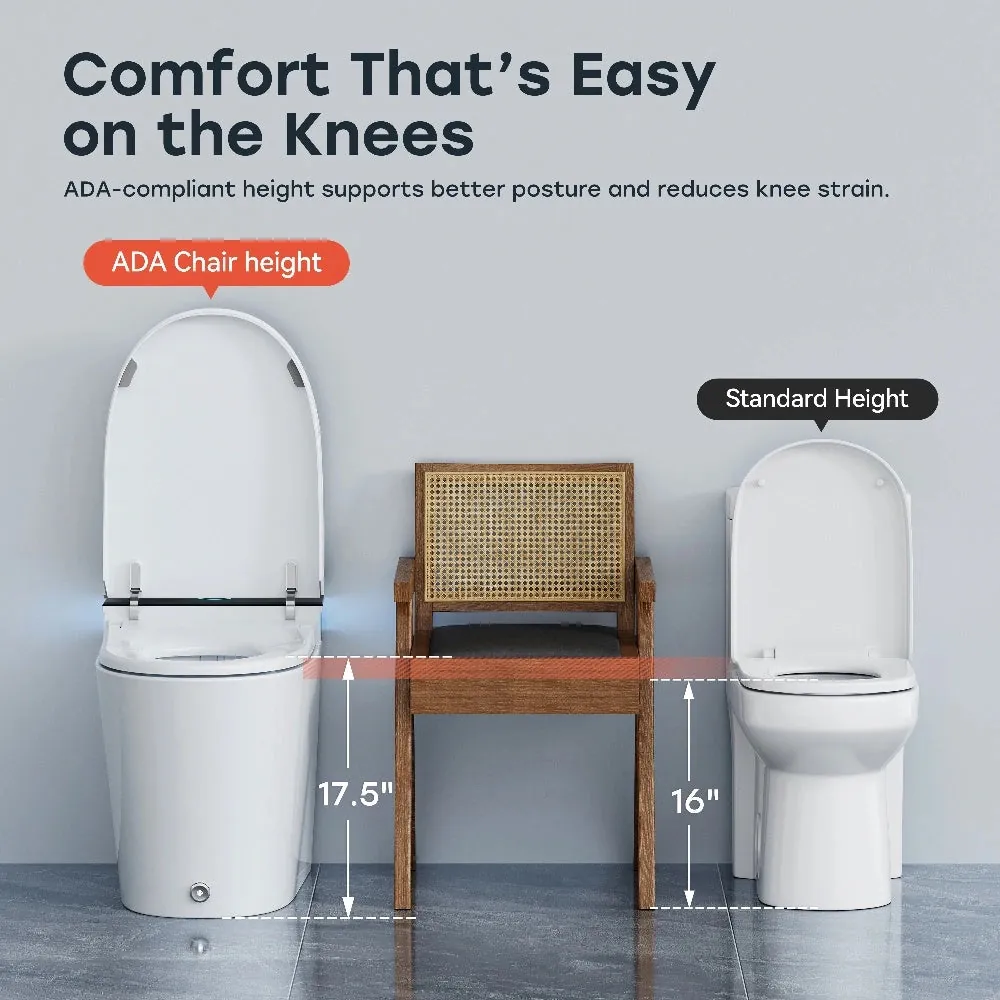
Wall-hung toilets are mounted to a steel frame hidden behind the wall, which holds the tank and the plumbing. Because the bowl doesn’t touch the floor, you can mop underneath it, making it the most hygienic option for a bathroom. This design also allows you to set the exact height of the bowl during the rough-in phase.
- The height is adjustable during installation, allowing you to move it slightly above or below the standard 17 inches.
- Removing the tank from the floor saves 6–10 inches of bathroom floor space.
- The lack of a floor footprint creates a minimalist look that makes small bathrooms appear larger.
- Noise from the tank is muffled by the wall cavity, leading to quieter flushing.
This isn’t for the average DIYer because it requires opening the wall to install the structural steel carrier. If you aren’t comfortable with plumbing and framing, you must hire a licensed contractor to ensure the wall can support the weight of the toilet and the user.
Pressure-assisted toilets
Pressure-assisted toilets use a sealed tank inside the ceramic housing that compresses air as it fills with water. When you flush, the air pressure forces the water into the bowl with much more velocity than a standard gravity toilet. This design is excellent for homes with older, narrower pipes that might be prone to clogs.
The high-velocity flush clears the bowl completely in one cycle, reducing the need for double-flushing. The internal tank prevents condensation, which keeps the exterior of the toilet dry in humid climates. It’s highly effective for heavy-duty use where standard gravity flushes might struggle to move waste.
If your home’s water pressure sits below 20 PSI, avoid these models entirely. They require that baseline force to compress the air trapped in the inner vessel. Without it, the flush will be weak, incomplete, or fail to trigger the mechanism, leaving you with a bowl that refuses to clear.
Most homeowners make the mistake of choosing these units solely for their cleaning power without considering the acoustic environment. The explosive, pressurized release creates a distinct “whoosh” sound that travels through studs and drywall. If the bathroom shares a wall with a sleeping area, the noise will likely wake light sleepers during the night.
To determine if you should make the switch, check your main water line pressure gauge. If you live in a multi-story building or a neighborhood with aging municipal infrastructure, verify your pressure during peak morning hours. If your pressure is near 20 PSI, stick to a high-efficiency gravity model to ensure the toilet flushes reliably.
Finally, remember that these units contain proprietary internal parts. Unlike gravity toilets, where you can source a universal flapper from any hardware store, pressure-assisted systems often require specific manufacturer replacement kits. Keep the model number recorded in a digital file, as these components are rarely interchangeable across brands.
Other accessible bathroom fixtures
Raised toilet seats are plastic attachments that sit on top of your existing bowl to add 2–4 inches of height. They’re the most affordable way to gain comfort height without replacing the entire fixture. Choose a model with a locking mechanism to prevent the seat from shifting during lateral transfers. If you weigh over 250 pounds, prioritize a heavy-duty reinforced plastic model to avoid structural cracking.
Grab bars are essential safety additions that bolt directly into the wall studs next to the toilet. They provide the stability needed for someone to safely lower themselves or pull themselves up from the seat. Never install these into drywall alone, as the anchors will pull out under pressure. Use a stud finder to locate the center of the wood framing before drilling. If your studs don’t align with your preferred placement, install horizontal blocking between them first.
Support frames are standalone metal rails that surround the toilet, providing armrests without needing to drill into the wall. They’re ideal for renters who can’t modify the bathroom walls. These frames rely on the weight of the toilet itself to remain stable. If your toilet base is narrow or rounded, the frame may wobble when you apply uneven pressure. In these cases, use a frame that features suction-cup feet to secure it to the floor tile.
When selecting between these options, consider your long-term mobility needs. If you have a progressive condition, skip the temporary attachments and invest in a permanent wall-mounted grab bar system. While initial installation takes more effort, these fixtures support significantly more weight than portable frames. If you’re unsure about your wall integrity, consult a contractor before attempting to mount any hardware.
Choosing the right model for your needs
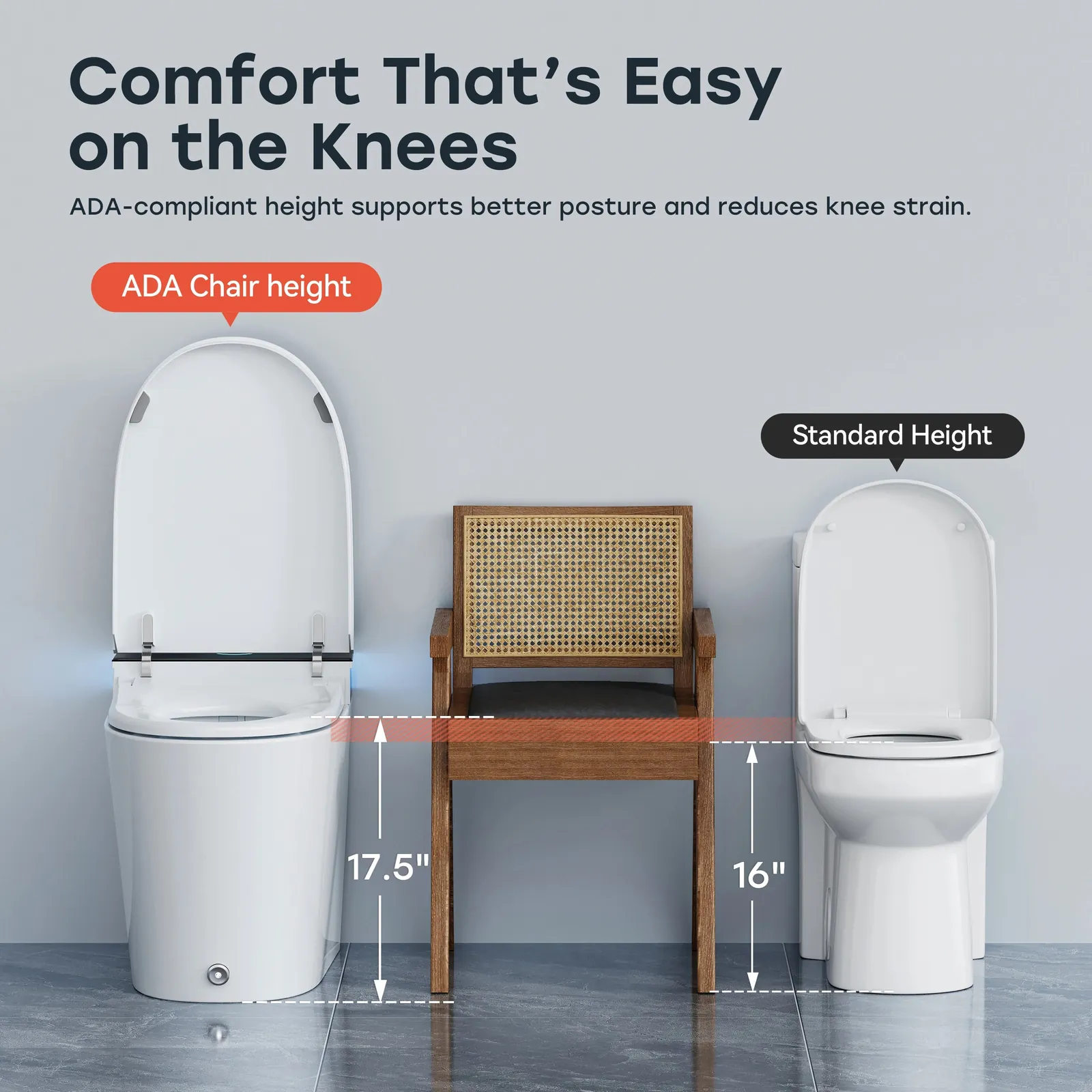
Your decision depends on your current plumbing and how much time you want to spend on installation. If you’re replacing an existing floor-mounted toilet, a two-piece or one-piece unit is the most logical choice because it uses the existing drain location. You should measure the distance from the wall to the floor bolts—usually 12 inches—to ensure the new toilet fits your space without needing to move the pipes.
If you’re renovating a bathroom from scratch and want the easiest floor to clean, choose a wall-hung model. This option requires significant labor and wall modification, but it offers the most flexibility for height settings. If your main concern is reliability and ease of repair, stick to a two-piece gravity toilet. These are the easiest to service because you can replace individual parts like the fill valve or flapper without needing to replace the whole unit.
Finally, consider the user’s physical needs. If the user requires a very specific height for medical reasons, the wall-hung unit is superior because you can set it exactly where it’s needed. If budget is the priority, a standard two-piece comfort height toilet with an added grab bar is usually the best combination. These choices are generally exclusive; you can’t easily convert a gravity floor-mount into a wall-hung unit without a full bathroom remodel.
Frequently asked questions
Can I install a comfort height toilet myself?
Yes, you can install one if you have basic plumbing tools and a helper to lift the heavy porcelain bowl. Most units use a standard wax ring and two floor bolts that align with the existing flange in your bathroom floor. If you find the flange is damaged or the pipes are leaking, stop and call a professional plumber to avoid water damage under your floor.
How long do these toilets typically last?
A high-quality ceramic toilet bowl can last for 20 to 30 years or more, provided the porcelain isn’t cracked. The mechanical parts inside the tank, such as the fill valve and the flush valve, typically last 5 to 10 years before they need replacement. You should check the manufacturer’s warranty on the specific model for details on the lifespan of the internal components and the finish.
Is it safe to use a riser on a comfort height toilet?
It’s generally not recommended to add a riser to a comfort height toilet because it may make the seat too high for the user’s feet to touch the floor comfortably. If your feet dangle, you lose stability and increase the risk of sliding off the seat. If the 17- to 19-inch height is still not enough, consider adding grab bars to the wall instead of raising the seat further.
What happens if the toilet clogs easily?
If your toilet clogs frequently, you may need a model with a larger trapway diameter, which is often measured in inches on the product specification sheet. Look for a trapway at least 2 inches wide to ensure waste passes through without getting stuck. A pressure-assisted toilet is also a good solution if you find that gravity models aren’t clearing the bowl efficiently in your home.
Does it matter if the bowl is round or elongated?
An elongated bowl provides two inches of extra room for improved comfort compared to a round bowl. This additional space makes elongated models preferable for most users. However, a round bowl is a better choice if your bathroom has limited clearance.
How much water does a modern toilet use?
Most modern toilets use 1.28 gallons per flush to meet current water efficiency standards. Some older models use 1.6 gallons, while dual-flush units offer options as low as 0.8 gallons. Check the tank or specification sheet to confirm your specific unit’s rating.
Conclusion
Start your project by measuring the rough-in distance from your wall to your floor bolts to ensure the new unit fits your existing plumbing. You should expect the installation to take about two to four hours, and you’ll know it’s successful when the base is stable, the tank is level, and there are no leaks.