
The most effective choices for best water filter pitchers are models certified to reduce specific contaminants like lead, chlorine, and mercury by independent testing agencies. These devices use activated carbon or ion exchange resins to improve taste and remove impurities from tap water. While they all share the core goal of cleaner water, they differ significantly in their filtration speed, the lifespan of the filter cartridge, and the total volume of water they can hold at once. Choosing the right one depends on your local water quality and how much water your household uses daily.
Comparison of popular filter pitchers
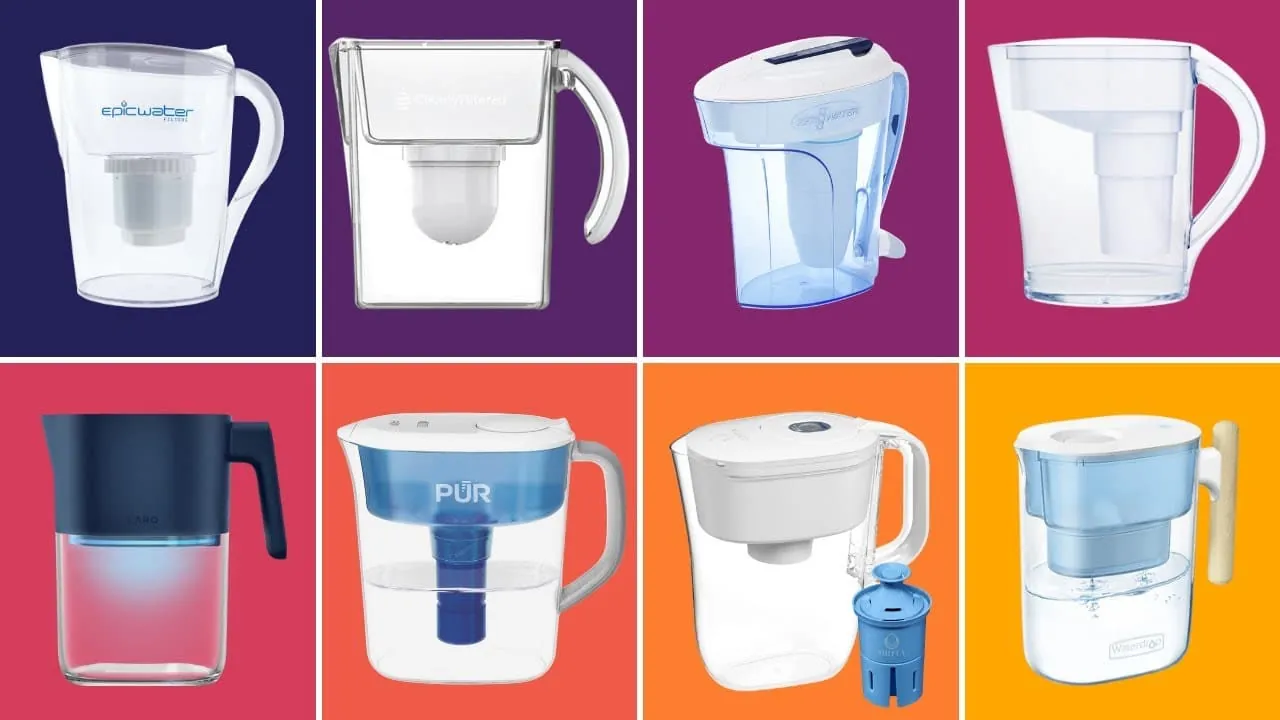
Selecting the right pitcher requires looking at what each model removes and how long its filter lasts. This table highlights common options for different water needs.
| Model | Best For | Example Use |
|---|---|---|
| Brita Standard | Daily tap water | Removing chlorine taste |
| ZeroWater 10-Cup | Heavy contaminants | Reducing dissolved solids |
| Pur Plus | Lead reduction | Older home plumbing |
| LifeStraw Home | Microplastics and bacteria | Advanced particle filtration |
| Aquasana Flow | Fast filtration | Large family use |
If your primary concern is taste, a standard carbon filter suffices. These pitchers excel at neutralizing chlorine, but they leave heavy metals and mineral deposits untouched. You should choose this route if you live in a municipality with well-treated, safe water.
For those in homes built before 1986, lead remains a genuine risk. Look specifically for products designed to remove lead on the packaging. If the box only mentions aesthetic improvements, it isn’t filtering for safety. Relying on the wrong filter can leave you exposed to contaminants that standard carbon filters can’t trap.
Total Dissolved Solids (TDS) meters are the standard way to test performance. If your meter reads above 150 ppm, a multi-stage ion exchange filter is necessary to reach near-zero levels. However, these filters saturate quickly. Expect to replace them every 15 to 20 gallons if your water is particularly hard.
Speed often trades off with thoroughness. Gravity-fed units like the Aquasana use larger filter surfaces to maintain flow, which is ideal for households consuming more than a gallon a day. If you choose a slower, high-density filter for a large family, you’ll inevitably find yourself refilling the reservoir before it’s finished. Match the flow rate to your daily volume to avoid the frustration of waiting for a single glass of water.
Brita Standard
The Brita Standard pitcher is a basic gravity-fed system designed for households that want to improve the taste and smell of municipal tap water. It suits users who prioritize ease of use and the availability of replacement filters in most grocery stores.
Reduces chlorine levels to improve the flavor of drinking water. Removes copper, mercury, and cadmium that may leach from household pipes. Provides a simple indicator light to track when the filter needs a change.
You might use this in a small apartment where you fill the 6-cup reservoir once in the morning to have fresh water throughout your workday. If the water tastes like chlorine, you’ll likely notice a difference immediately after filtering.
However, the Standard filter isn’t a purifier. It doesn’t remove viruses, bacteria, or heavy metals like lead as effectively as the Brita Elite line. If your home has plumbing installed before 1986, you should test your water for lead specifically; if lead is present, the Standard filter is insufficient, and you must upgrade to a certified lead-reducing model.
Most users make the mistake of waiting for the indicator light to turn red before swapping the filter. This often results in a window where the carbon is saturated and no longer effectively trapping contaminants. Change your filter based on your actual usage and the owner’s manual recommendations, as the schedule depends on your specific water quality.
If you live in an area with extremely hard water, the Standard filter won’t soften the output. You’ll still see white mineral deposits in your kettle. In these cases, the filter is purely for aesthetic taste, not for altering the chemical composition of the water. If you see scale buildup, a pitcher filter can’t solve the problem. You’ll need a dedicated reverse osmosis system to strip those minerals out.
ZeroWater 10-Cup
The ZeroWater 10-Cup pitcher employs a five-stage ion exchange process designed to strip total dissolved solids (TDS) from your tap water. While standard carbon filters primarily target chlorine and basic sediment, this system captures inorganic compounds, including lead, chromium, and mercury. It’s the definitive choice for users in regions with exceptionally hard water or those who demand a level of purity approaching distilled water.
The included digital TDS meter isn’t a mere accessory; it’s your primary diagnostic tool. Use it to test your tap water before filtration to establish a baseline. If your baseline reading is below 100, the filter will likely last for the standard 40 gallons. If your local water registers above 300, expect the filter life to drop by half. Relying on time or calendar months to track filter health is a common mistake that leads to poor water quality.
Watch the meter reading closely as you pour. If the output rises to 006 or higher, the ion exchange resin is exhausted. Continuing to use the filter past this point results in a distinct, sour, or fishy taste caused by the release of trapped ions back into the water. This is the definitive signal that the filter is spent, regardless of how recently you installed it.
If you prefer water with a slight mineral profile, this pitcher may feel too aggressive. The filtration process removes almost everything, resulting in a flat, neutral pH that some find sterile. If you find the water lacks character, consider blending it with a small amount of unfiltered, high-quality tap water or adding a mineral drop supplement.
Proper maintenance requires you to keep the reservoir clean. Mineral buildup on the plastic housing can harbor bacteria, which will taint the flavor long before the filter itself fails. Wash the pitcher with mild soap every time you swap a filter to ensure the integrity of the system. If the water flow slows to a trickle, the mesh screen is likely clogged with sediment; a quick rinse under warm water usually restores the flow rate immediately.
Pur Plus
The Pur Plus pitcher is engineered to reduce lead and other harmful chemicals while keeping healthy fluoride levels in your water. It suits homeowners who are concerned about lead contamination from older pipe systems or aging infrastructure.
Certified to reduce lead by 99% as confirmed by NSF International water standards, this system targets the specific heavy metals that leach from corroded plumbing. It filters out 22 different contaminants, including pesticides and industrial chemicals, by utilizing a multi-stage ion exchange process.
If your home was built before 1986, you’re at a higher risk for lead exposure due to the common use of lead solder in copper piping at that time. In these older structures, the Pur Plus acts as a vital secondary barrier. However, if you live in a modern building with PEX or PVC piping, the primary benefit shifts from lead mitigation to basic chlorine taste and odor reduction.
The filter requires replacement every 40 gallons, which usually equates to two months for a two-person household. Many users make the mistake of waiting for the water flow to stop entirely before swapping the filter. This habit leads to reduced contact time with the filter media, which decreases the filter’s effectiveness.
Because the water must pass through a denser, more complex filter media, the filtration speed is notably slower than basic models. You should expect a full reservoir to take roughly 15 minutes to process. If you find yourself frequently impatient, store a second filled pitcher in the fridge to ensure you always have cold, treated water on hand.
Maintain a strict calendar reminder for your 40-gallon limit rather than relying solely on the pitcher’s electronic sensor. These sensors are often timer-based rather than flow-based, meaning they may overestimate the life of your filter if your household usage spikes during summer months or holiday gatherings. When the water begins to taste slightly metallic or the flow rate drops by more than half, replace the cartridge to ensure the filter continues to remove contaminants effectively.
LifeStraw Home
The LifeStraw Home is a high-performance glass or plastic pitcher that uses a two-stage process to remove biological contaminants and microplastics. It suits users who want to be prepared for boil-water advisories or those who prefer the purity of a membrane-based filter.
- Removes bacteria, parasites, and microplastics from the water supply.
- Includes a carbon filter to improve taste and remove chlorine.
- Uses a durable borosilicate glass body that resists stains and odors.
You would use this if you want an extra level of safety beyond what standard carbon filters offer. The membrane filter can last up to 264 gallons, while the carbon filter requires changing every 40 gallons. Because this uses a membrane, it isn’t designed to remove dissolved heavy metals like lead; if your primary concern is lead, you should choose a pitcher specifically certified for that purpose.
Other filter pitcher options
Aquasana Flow is a high-capacity pitcher designed for families who go through a lot of water. It uses a gravity-fed system that filters water much faster than standard pitchers, making it ideal if you need to fill multiple bottles or a large pitcher for dinner.
Because this system relies on a larger filter block, it processes up to 80 gallons before you need a replacement. If your household consumes more than two gallons of filtered water daily, the speed of this unit prevents the bottleneck common with smaller, slower pitchers.
Clearly Filtered is a premium option that uses a proprietary filter technology designed to remove over 365 types of contaminants. It’s the best choice for users who have specific concerns about chemicals like PFAS or fluoride and are willing to pay more for replacement filters. You should choose this model if your local water quality report shows high levels of heavy metals.
The most common mistake is choosing based on the initial cost of the pitcher rather than the annual filter expense. If you live in an area with hard water, the mineral buildup will clog these high-density filters prematurely. Replace the filter based on your usage and the owner’s manual, as the schedule depends on your water conditions.
How to choose your pitcher
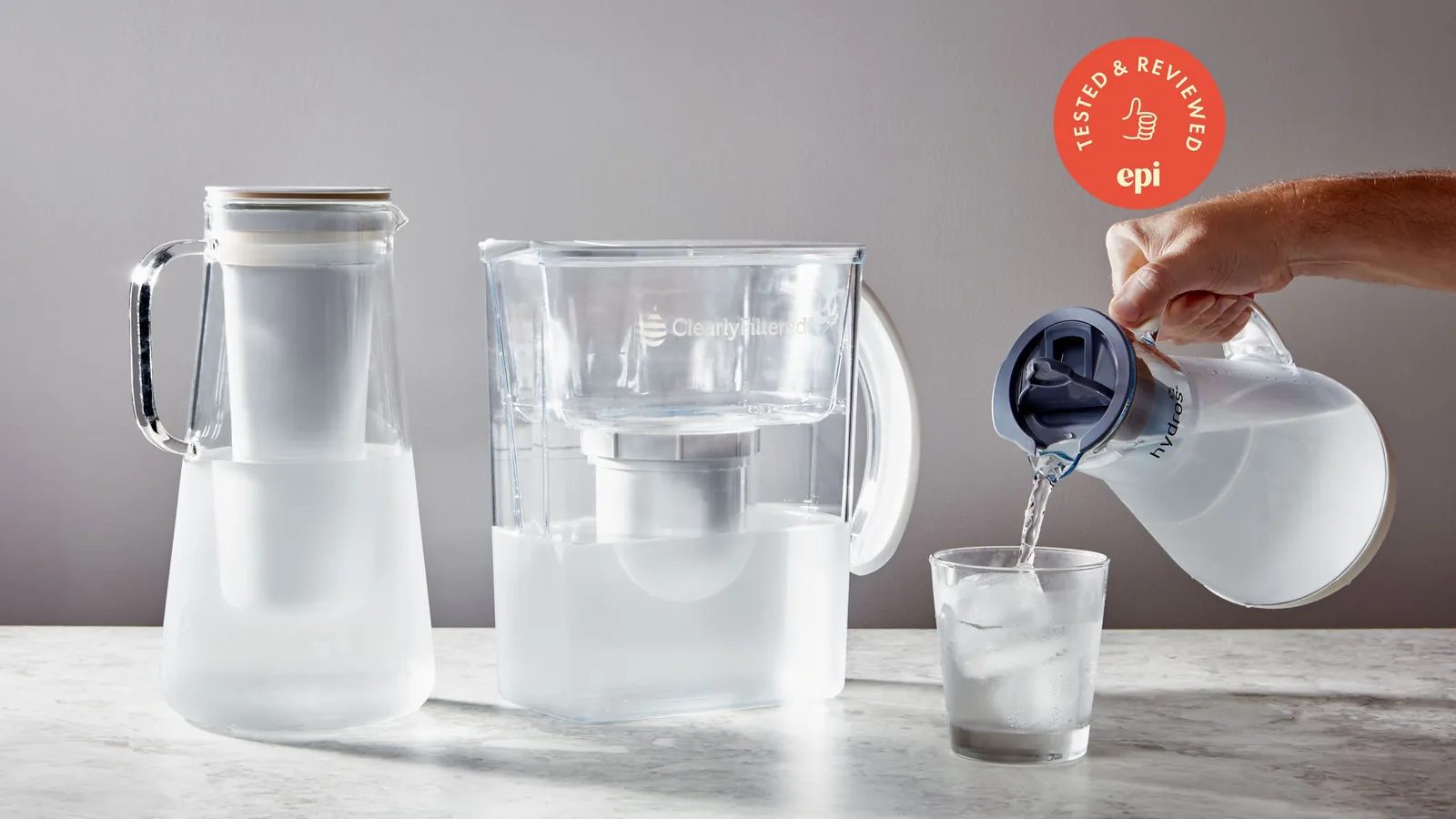
Choosing the right pitcher comes down to identifying the specific contaminants in your local water supply. If you have concerns about lead or heavy metals, you must pick a model specifically designed for those substances. For people who only want to improve taste and remove chlorine, a basic carbon-filter pitcher is sufficient.
Consider your daily volume as well. If you have a family of four, a 10-cup or larger pitcher is essential to avoid constant refilling. If you live alone, a 6-cup model will keep the fridge space clear and the water fresh. These filters can’t be combined; you must select the one that addresses your top priority, as using a filter that isn’t rated for your specific problem won’t provide the protection you need.
Related guides
- Best Smart Water Bottles in 2026
- Pleatco vs Unicel: Which Pool Filter Lasts Longer? in 2026
- 5 Best Water Softeners for Well Water: Our Top Picks in 2026
Frequently asked questions
Can I drink water immediately after pouring it into the pitcher?
No, you must wait for the water to pass entirely through the filter cartridge before drinking. The filtration process relies on gravity to pull water through the filter media, which takes several minutes depending on the model. Drinking before the water has cleared the filter means you’re consuming unfiltered tap water.
How long do water filter pitchers last?
Most pitcher bodies last for several years with proper cleaning, while filters generally last between 40 and 200 gallons. You can track this by keeping a calendar or using the indicator light found on most modern units. If the water flow slows to a drip, the filter is likely clogged and needs replacement.
Is it safe to leave a water filter pitcher out on the counter?
It isn’t recommended to leave a pitcher on the counter for more than a few hours, as filtered water lacks the chlorine that keeps it safe from bacterial growth. You should store your pitcher in the refrigerator to keep the water cold and improve its taste.
What happens if I don’t change my filter on time?
If you don’t change the filter when recommended, the carbon media becomes saturated and can no longer trap contaminants. Once the filter is full, it will stop removing impurities effectively. Always follow the manufacturer’s gallon limit to ensure your water remains filtered.
Does it matter if I use hot water in the pitcher?
You should never put hot water through a filter pitcher because it can damage the filter media and release trapped contaminants. Always use cold or room-temperature tap water to fill the reservoir. Hot water can also cause the plastic housing of the pitcher to warp, preventing the filter from sealing correctly.
How do I know if my pitcher is working?
You can confirm your pitcher is working by checking the water quality with a TDS meter or by observing the taste of the output. If the water tastes like your local tap water, the filter is likely spent. Most manufacturers include a digital light that estimates filter life based on usage.
Conclusion
Start by checking your local water utility report to see if there are specific contaminants like lead or high mineral content in your area. Once you identify your main concern, purchase the pitcher designed for those specific substances and fill it with cold tap water only.