
Choosing the right vacuum can make cleaning easier and faster for you. When it comes to canister vacuums, you might be stuck deciding between bagless and bagged models.
Which one fits your needs better? Which will save you time and effort? Understanding the differences can help you pick the vacuum that works best for your home and lifestyle. Keep reading to find out which type suits you and why it matters for your cleaning routine.

Credit: www.airtasker.com
Bagless Canister Vacuums
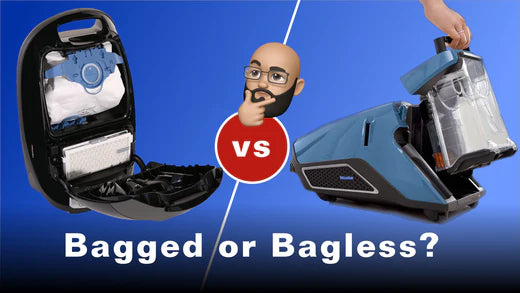
Bagless canister vacuums offer a modern way to clean your home. They do not use bags to collect dirt. Instead, they rely on a clear container. This container shows you how much dirt is inside. You can empty it directly into the trash. Many people find this type easy to use and maintain. They are popular for quick cleaning jobs and households with pets.
How They Work
Bagless canister vacuums use strong suction to pull dirt into a dustbin. Inside, a cyclone system spins the air fast. This spinning separates dust and debris from the air. The clean air then passes through filters before exiting the vacuum. You can see the dirt build-up in the dustbin. Emptying the bin is simple and does not cost extra bags.
Advantages
Bagless models save money on bags and replacements. The clear dustbin helps you know when to empty it. These vacuums often have better suction power. They make it easy to check for clogs and clean filters. Bagless vacuums are lighter and easier to carry. They also allow quick dirt disposal without mess.
Common Drawbacks
Emptying the dustbin can release dust into the air. This may bother allergy sufferers. The dustbin needs regular cleaning to avoid smells. Filters require frequent washing or replacing. Some bagless vacuums can be noisy during use. They sometimes lose suction if the dustbin is full or filters are dirty.
Bagged Canister Vacuums
Bagged canister vacuums have been a trusted choice for many years. They use replaceable bags to collect dust and dirt. This design keeps the dirt sealed away, making cleanup cleaner and simpler.
These vacuums often come with strong suction power. They work well on various floor types and are great for homes with pets or allergy sufferers. The bags trap fine particles, helping to improve air quality.
How They Work
Bagged canister vacuums pull air and debris through a nozzle. The dirt moves into a fabric or paper bag inside the vacuum. The bag acts as a filter and dust container.
The vacuum motor creates suction, drawing dirt into the bag. Air passes through the bag, which traps dust and small particles. Clean air then exits the vacuum through an exhaust filter.
Advantages
These vacuums keep dirt sealed inside the bag. This reduces dust exposure during disposal. Bags also help maintain strong suction as they fill up slowly.
They require less frequent cleaning of filters. The bags are easy to replace and dispose of. Bagged vacuums tend to be quieter than bagless models.
Common Drawbacks
Buying replacement bags adds ongoing costs. Running out of bags means you cannot use the vacuum. Bags can sometimes tear or leak, causing messes.
It is harder to see how full the bag is. Overfilled bags may reduce suction power. Some users find changing bags inconvenient or messy.
Performance Comparison
Comparing performance helps choose the right vacuum for your needs. Bagless and bagged canister vacuums differ in key ways. These differences affect cleaning power, air quality, and upkeep. Understanding each factor makes your decision easier.
Suction Power
Bagged vacuums often keep strong suction longer. Their bags collect dirt without clogging filters fast. Bagless models may lose suction as dust fills the container. Some bagless vacuums have clear bins to check dirt levels easily.
Filtration Efficiency
Bagged vacuums trap dust in sealed bags. This stops fine particles from escaping. Bagless vacuums rely on filters that need regular cleaning. If filters get dirty, dust can return to the air. Bagged models suit allergy sufferers better.
Maintenance Needs
Bagless vacuums require frequent emptying and filter cleaning. Dust can scatter if not handled carefully. Bagged vacuums need bag replacement but less frequent filter care. Bags also make dirt disposal cleaner and less dusty.

Credit: charlievacs.com
Cost And Longevity
Choosing between bagless and bagged canister vacuums often depends on cost and how long the vacuum will last. This section breaks down the initial price, ongoing expenses, and durability. Understanding these factors helps make a smart purchase.
Initial Investment
Bagless vacuums usually cost less upfront. They do not require buying bags, which lowers the starting price. Bagged models often have a higher price due to the extra parts needed for bags. The design and brand also affect the cost for both types.
Ongoing Expenses
Bagged vacuums need replacement bags regularly. These bags add to the total cost over time. Bagless vacuums save money on bags but require filter cleaning or replacement. Filters can be costly depending on the model. Consider how often you will need to buy bags or filters.
Durability
Bagged vacuums tend to last longer because the bags protect the motor from dust. This can extend the life of the vacuum. Bagless models expose the motor to dirt more often, which may cause wear faster. Quality of materials also plays a big role in how long either vacuum lasts.
User Experience
User experience is a key factor in choosing between bagless and bagged canister vacuums. It affects how easy and comfortable the vacuum feels during use. This section looks at three important points: ease of use, noise levels, and portability. These aspects help you decide which vacuum fits your needs best.
Ease Of Use
Bagless vacuums usually let you see when the dustbin is full. This makes emptying simple and quick. There is no need to buy or change bags. Bagged vacuums require replacing the bag when full. This may add a small cost and extra steps. However, bagged models often trap dust better, which can be good for allergy sufferers.
Noise Levels
Bagged vacuums tend to be quieter. Their design helps reduce motor noise. Bagless vacuums may sound louder because of their open dustbin. Noise can affect comfort during cleaning. A quieter vacuum can make cleaning less tiring and more pleasant.
Portability
Both types are usually light and easy to carry. Bagless models may feel a bit heavier when full. Bagged vacuums keep weight consistent since the bag holds the dust. Look for models with wheels and long cords. These features make moving around easier.
Best Use Cases
Choosing between bagless and bagged canister vacuums depends on your needs. Each type suits different situations better. Understanding the best use cases helps make the right choice.
For Allergies And Asthma
Bagged canister vacuums are often better for allergies. They trap dust and pollen inside the bag. This stops particles from escaping back into the air. Changing the bag is simple and less dusty. Bagless vacuums can release dust when emptying the bin. This can worsen allergy symptoms or asthma.
For Pet Owners
Bagless vacuums work well for pet owners. They allow quick and easy dirt disposal. Pet hair can fill the bin fast, so you can empty it often. Seeing the dirt build-up helps track cleaning progress. Some bagless models have special brushes to pick up pet hair better. Bagged vacuums need frequent bag changes with pets around.
For Large Homes
Bagged canister vacuums suit large homes well. Bags hold more dirt, so you empty less often. This saves time during long cleaning sessions. Bagged models usually keep strong suction as the bag fills. Bagless vacuums may lose suction faster in big spaces. Changing a bag is quick and keeps cleaning smooth.
Tips For Choosing The Right Vacuum
Choosing the right vacuum cleaner is important for keeping your home clean. Different homes and needs require different types of vacuums. This guide helps you pick the best one for your space and budget.
Focus on what you really need before buying. Think about how often you clean and what surfaces need vacuuming. This makes the decision easier and ensures you get the right tool.
Assessing Cleaning Needs
Consider the size of your home. Larger homes may need a vacuum with a bigger dustbin or bag. Think about the types of floors you have. Carpets require strong suction. Hard floors need gentle cleaning to avoid scratches. Check if you have pets. Pet hair needs special filters and brushes.
Budget Considerations
Set a clear budget before shopping. Bagged vacuums often cost less upfront but need regular bag replacements. Bagless models may cost more but save money on bags. Think about long-term costs like filters and parts. Choose a vacuum that fits your price range and offers good value.
Additional Features
Look for features that make cleaning easier. A vacuum with adjustable suction helps clean different surfaces. HEPA filters improve air quality by trapping dust and allergens. Check the weight and size for easy handling and storage. Long power cords or cordless options add convenience.
Credit: vacuumwarehouse.ca
Frequently Asked Questions
What Is The Main Difference Between Bagless And Bagged Canister Vacuums?
Bagless vacuums store dirt in a clear container, while bagged models use disposable bags. Bagless models let you see when to empty, and bagged ones keep dust sealed inside.
Which Type Is Easier To Clean, Bagless Or Bagged Canister Vacuums?
Bagless vacuums require emptying and washing the dustbin, which can be quick but dusty. Bagged vacuums need bag replacement, which is cleaner but costs more over time.
Are Bagless Canister Vacuums Better For Allergy Sufferers?
Bagged vacuums trap dust and allergens inside the bag, reducing airborne particles. Bagless models may release dust when emptied, making bags a better choice for allergies.
How Do Bagged Canister Vacuums Affect Maintenance Costs?
Bagged vacuums need regular bag purchases, adding to long-term costs. Bagless vacuums save money on bags but may require more filter cleaning.
Which Vacuum Type Offers Stronger Suction Power, Bagged Or Bagless?
Suction power depends on the model, but bagged vacuums often maintain suction longer as bags fill. Bagless vacuums can lose suction if the dustbin clogs.
Are Bagless Canister Vacuums More Environmentally Friendly?
Bagless vacuums reduce waste by not using disposable bags. However, filters still need replacement, so both types have some environmental impact.
Can Bagged Canister Vacuums Handle Larger Debris Better?
Bagged vacuums usually handle larger debris well without clogging the system. Bagless models may need more frequent emptying when picking up big particles.
Conclusion
Choosing between bagless and bagged canister vacuums depends on your needs. Bagless models offer easy dirt disposal and no bag costs. Bagged vacuums often have better filtration and less dust exposure. Both types clean well but differ in maintenance and convenience.
Think about allergies, budget, and cleaning habits before deciding. Each vacuum type has clear pros and cons. The best pick fits your home and lifestyle. Keep these points in mind for a cleaner space.