
When it comes to protecting your plumbing system, understanding the difference between an anti siphon and a vacuum breaker can save you from costly damage. You might think these devices do the same job, but they actually work in different ways to stop water from flowing backward and causing contamination.
If you want to keep your water safe and your pipes in good shape, knowing which one to use and why is crucial. Keep reading, and you’ll discover the key facts that will help you make the right choice for your home or business plumbing needs.
What Is An Anti Siphon Device
An anti siphon device stops dirty water from flowing back into clean water supplies. It protects drinking water and irrigation systems. This device is important for health and safety. It ensures water flows in only one direction.
Basic Functionality
An anti siphon device works by blocking reverse water flow. It uses air pressure to stop water from moving backward. When water tries to flow back, the device opens a small vent. This vent lets air in and breaks the siphon effect. The water cannot flow in the wrong direction.
Common Applications
Anti siphon devices are common in garden hoses and irrigation systems. They prevent contamination from fertilizers or chemicals. Many outdoor faucets have these devices installed. They are also used in some industrial water systems to keep water clean.
How It Prevents Backflow
The device creates a gap between the water source and the outlet. This gap stops water from being sucked back. If pressure drops, air enters and stops the siphon action. This simple action protects clean water from pollution.
What Is A Vacuum Breaker
A vacuum breaker is a simple device that stops water from flowing backward. It protects drinking water from contamination. This device lets air enter the pipe, breaking the vacuum that could suck dirty water back into clean water lines. Vacuum breakers are common in plumbing systems, irrigation, and outdoor faucets.
Core Purpose
The main goal of a vacuum breaker is to prevent backflow. It stops contaminated water from mixing with clean water. This keeps water safe to drink. It works by letting air into the pipe when water pressure drops. Air breaks the vacuum, so dirty water cannot flow backward.
Types Of Vacuum Breakers
There are several types of vacuum breakers. Atmospheric vacuum breakers open to air when pressure drops. They are simple and used in irrigation or hose bibs. Pressure vacuum breakers work under pressure and are common in sprinkler systems. There are also dual check valves with vacuum breaker features for extra protection.
Installation Scenarios
Vacuum breakers install in many places. Outdoor faucets often use atmospheric vacuum breakers. Sprinkler systems usually need pressure vacuum breakers. They fit on the supply line to keep water clean. Some plumbing codes require vacuum breakers in certain setups. Proper installation is key to avoid water contamination.
Key Differences Between Anti Siphon And Vacuum Breaker
Anti siphon devices and vacuum breakers both stop backflow in plumbing. They protect water supplies from contamination. Understanding their differences helps choose the right device for your needs. This section explains key differences clearly.
Design And Mechanism
Anti siphon devices have a built-in valve that prevents water from flowing backward. They often include a small air vent. This vent breaks the suction that can pull dirty water back.
Vacuum breakers stop backflow by allowing air into the pipe. They open a valve when negative pressure appears. This breaks the vacuum, stopping contaminated water from moving backward.
Effectiveness In Various Conditions
Anti siphon devices work well in irrigation and sprinkler systems. They handle constant water pressure and prevent contamination reliably. They stop back-siphonage during low or no pressure.
Vacuum breakers work best in systems where pressure changes suddenly. They prevent back-siphonage caused by sudden drops in pressure. They may not work well if debris blocks the air valve.
Maintenance Requirements
Anti siphon devices need regular checks to keep the valve and vent clean. Dirt or mineral buildup can reduce their effectiveness. Replacing worn parts ensures proper function.
Vacuum breakers require less maintenance but still need inspection. The air valve must stay clear to work correctly. Occasional cleaning prevents failures and protects water safety.
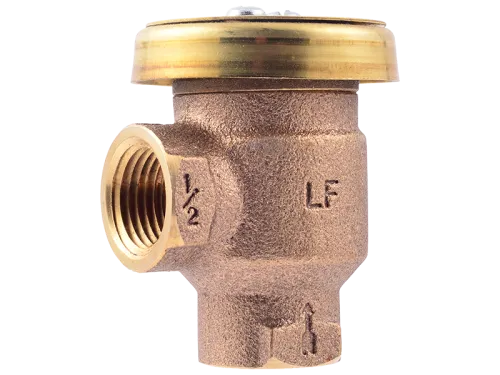
Credit: www.cashacme.com
Choosing The Right Device For Your System
Choosing the right device for your system is important for safety and efficiency. Anti siphon devices and vacuum breakers both prevent backflow, but they work differently. Picking the correct one depends on your system’s needs and local rules. Understanding key factors helps make the best choice.
Factors To Consider
Check the type of system you have. Anti siphon devices stop water from flowing backward by creating a physical barrier. Vacuum breakers let air in to break the vacuum and stop backflow. Think about water pressure and system layout. Some setups need one type over the other. Consider how easy it is to install and maintain the device.
Cost Implications
Anti siphon devices often cost more upfront. They may reduce water waste and repairs later. Vacuum breakers are usually cheaper and simpler. But they might need more frequent checks. Balance initial cost with long-term savings. Choose a device that fits your budget and system needs.
Regulatory Compliance
Many areas have rules about backflow prevention. Some require specific devices for certain systems. Check local plumbing codes before buying. Using the wrong device can cause fines or system failure. Always follow regulations to keep your system safe and legal.
Common Problems And Troubleshooting Tips
Both anti siphon devices and vacuum breakers play key roles in preventing backflow in plumbing systems. Sometimes, these devices face issues that affect their performance. Knowing common problems and how to fix them helps keep your water safe and system working well.
Understanding the signs of malfunction and simple fixes can save time and money. Some problems are easy to handle at home. Others need expert help to avoid damage or health risks.
Signs Of Malfunction
Water leaks around the device often indicate a problem. Strange noises during water flow can also signal trouble. Low water pressure or slow draining might mean blockage or failure. Backflow or foul water taste suggests the device is not working right. Visible cracks or corrosion on the device are clear warning signs.
Simple Fixes
Cleaning debris from the device can restore function. Tightening loose fittings stops leaks. Replacing worn washers or seals often solves minor leaks. Flushing the system clears small blockages. Regular maintenance prevents build-up and corrosion. Using the right tools avoids damage during repairs.
When To Call A Professional
Persistent leaks after basic fixes need expert attention. Complex blockages or internal damage require professional repair. If you see cracks or broken parts, call a plumber. Problems with water pressure or backflow should be handled by specialists. Regular inspections by professionals keep devices reliable and safe.

Credit: www.youtube.com
Enhancing Water Safety With Proper Backflow Prevention
Water safety starts with proper backflow prevention. Backflow happens when water flows backward into clean water supplies. This can cause contamination and health risks. Using devices like anti-siphons and vacuum breakers helps stop backflow. These devices protect homes, gardens, and communities from unsafe water.
Choosing the right device depends on the water system and risk level. Both anti-siphons and vacuum breakers play vital roles in water safety. Understanding their importance helps keep water safe and clean for everyone.
Importance Of Prevention Devices
Prevention devices stop dirty water from mixing with clean water. They keep drinking water free from harmful bacteria and chemicals. Without these devices, water systems can become unsafe. Anti-siphons block water from being sucked back into pipes. Vacuum breakers let air in to stop backward flow. Both devices are simple but very effective.
Impact On Health And Environment
Contaminated water causes illness and spreads germs. Safe water prevents diseases like stomach infections and skin problems. Clean water protects children, elderly, and everyone else. Environmental damage also happens from polluted water. Plants, animals, and soil can suffer. Prevention devices reduce pollution and protect nature.
Routine Inspection Practices
Regular checks ensure prevention devices work properly. Inspections catch leaks, cracks, or blockages early. Clean devices function better and last longer. Homeowners and professionals should test devices yearly. Fixing problems quickly keeps water safe. Simple inspections save money and prevent health risks.

Credit: www.amazon.com
Frequently Asked Questions
What Is The Main Difference Between Anti Siphon And Vacuum Breaker?
Anti siphon prevents water from flowing backward, stopping contamination. Vacuum breaker stops air pressure from causing a vacuum that pulls water back.
How Does An Anti Siphon Valve Protect Water Supply?
It blocks dirty water from re-entering clean water pipes. This keeps water safe and prevents pollution.
Can A Vacuum Breaker Be Used Outdoors?
Yes, vacuum breakers work well outdoors to stop backflow caused by pressure changes. They protect irrigation and plumbing systems.
Which Device Is Better For Irrigation Systems?
Anti siphon valves are often preferred for irrigation. They prevent water from siphoning back into the main supply.
Do Vacuum Breakers Require Maintenance?
Yes, vacuum breakers need regular checks to ensure they work properly. Dirt and wear can reduce their effectiveness.
Where Are Anti Siphon Valves Commonly Installed?
They are usually placed on irrigation lines or hose bibs. This stops dirty water from flowing back into the system.
Are Anti Siphon Valves And Vacuum Breakers Interchangeable?
No, they serve similar but different purposes. Choose based on whether you need to stop siphoning or air vacuum effects.
Conclusion
Choosing between an anti siphon and a vacuum breaker depends on your needs. Both stop water from flowing backward. Anti siphons prevent water from being sucked back into the system. Vacuum breakers stop air from creating a vacuum that pulls water back.
Each device protects water safety in different ways. Consider your plumbing setup and local codes. Proper installation ensures they work well. Protect your water supply with the right device for your system. Simple steps keep your water clean and safe.