
Have you ever wondered why pressure readings sometimes confuse you? Terms like absolute pressure and vacuum pressure might sound similar, but they measure very different things.
Understanding the difference between these two can make a big impact on how you handle your equipment, troubleshoot issues, or even improve safety. If you want clear, simple explanations that help you avoid costly mistakes, keep reading. By the end, you’ll know exactly when to use each type of pressure and why it matters to you.
Absolute Pressure Basics
Understanding absolute pressure is important in many fields. It helps measure how much pressure exists compared to a perfect vacuum. This concept differs from gauge pressure, which compares pressure to the surrounding atmosphere.
Absolute pressure measures the total pressure exerted by a gas or liquid. This includes atmospheric pressure plus any additional pressure applied. Knowing this helps in areas like engineering, weather forecasting, and science experiments.
What Is Absolute Pressure
Absolute pressure is the total pressure measured from zero pressure. Zero pressure means a perfect vacuum with no air or matter. This pressure includes the weight of the air above the measurement point.
It shows how much force is pushing on a surface inside a system. This force comes from gas or liquid molecules hitting the surface.
Measuring Absolute Pressure
Absolute pressure is measured using special instruments. These devices compare the pressure inside a container to a vacuum reference. Common tools include absolute pressure sensors and vacuum gauges.
These sensors must be sealed and protected from outside air. This ensures accurate readings based on a true vacuum baseline.
Common Units Of Absolute Pressure
Absolute pressure is expressed in several units. The most common are pounds per square inch absolute (psia), pascals (Pa), and atmospheres (atm). One atmosphere equals the average pressure at sea level.
Using the right unit is important for clear communication and precise calculations.
Vacuum Pressure Essentials
Understanding vacuum pressure is key to many science and engineering fields. It explains how pressure below atmospheric levels works. This knowledge helps in areas like weather forecasting, manufacturing, and medical devices.
Vacuum pressure differs from absolute pressure. Knowing its basics makes it easier to grasp related concepts. Here are the essentials to get you started.
What Is Vacuum Pressure
Vacuum pressure is pressure lower than the normal air pressure. It means the air or gas pressure is less than the atmosphere around us. This lower pressure creates a partial vacuum.
This pressure is important in processes needing controlled environments. It helps in removing air or gases from a space or container.
Types Of Vacuum Pressure
There are different levels of vacuum pressure. Low vacuum has a small drop below atmospheric pressure. Medium vacuum is a bigger drop, creating more space without air. High vacuum means very little air remains, near empty.
Each type suits different uses. Low vacuum works in simple tasks. High vacuum is needed in science labs and advanced technology.
Units Used For Vacuum Pressure
Vacuum pressure uses several measurement units. The most common is inches of mercury (inHg). It shows how much pressure is below normal air pressure. Another unit is millimeters of mercury (mmHg), used in science and medicine.
Pascals (Pa) and Torr are also used. These units help compare vacuum pressure in different systems easily.
Pressure Reference Points
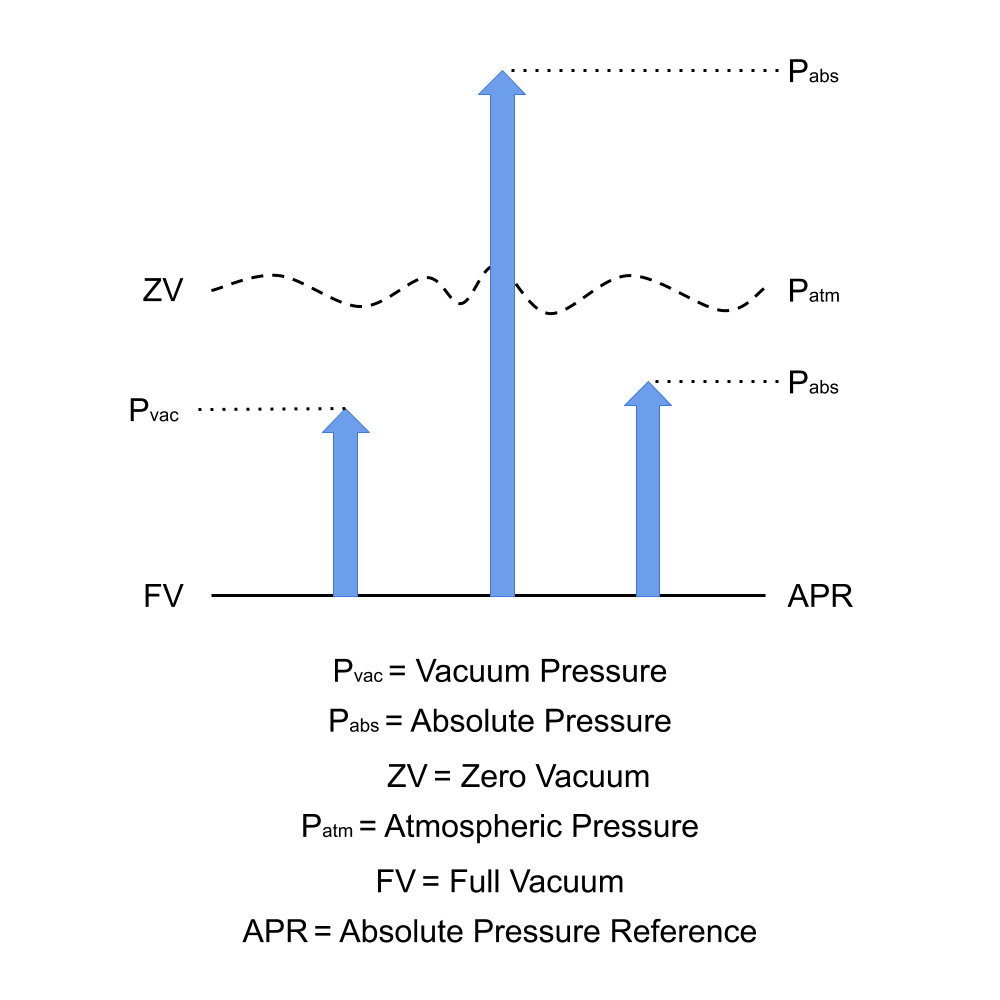
Pressure measurement depends on a reference point. This reference defines how pressure values are read and understood. Different reference points lead to different pressure types. Knowing these points helps distinguish between absolute pressure and vacuum pressure.
Absolute Zero Reference
Absolute zero reference means zero pressure in a perfect vacuum. It is the lowest possible pressure. Measuring pressure from this point gives absolute pressure. Absolute pressure shows the total pressure in a system. It includes atmospheric pressure and any additional pressure.
Atmospheric Pressure Reference
Atmospheric pressure is the pressure of air around us. This pressure varies with altitude and weather. Measuring pressure relative to atmospheric pressure gives gauge pressure. Gauge pressure can be positive or negative. Negative gauge pressure means the system is under vacuum.
Gauge Pressure Vs Absolute Pressure
Gauge pressure measures pressure above or below atmospheric pressure. Absolute pressure measures pressure from the absolute zero point. Gauge pressure often reads zero at atmospheric pressure. Absolute pressure always shows the true pressure inside a system. Understanding this difference is key in many applications.

Credit: www.youtube.com
Key Differences Between Pressures
Absolute pressure and vacuum pressure are two important types of pressure measurements. They differ in how they relate to atmospheric pressure. Understanding these differences helps in choosing the right tool and method for measuring pressure in various situations.
Absolute pressure measures pressure relative to a perfect vacuum. Vacuum pressure measures pressure below atmospheric pressure. This difference affects how each pressure is used and measured.
Measurement Methods
Absolute pressure uses sensors that compare pressure to a vacuum reference. These sensors read zero at a perfect vacuum. Vacuum pressure uses gauges that compare pressure to normal atmospheric pressure. These gauges show negative values when pressure is below atmosphere.
Absolute pressure is measured with devices like barometers and absolute pressure transducers. Vacuum pressure is measured with vacuum gauges and manometers designed for low pressure.
Applications And Uses
Absolute pressure is vital in processes needing exact pressure data. Examples include weather forecasting and scientific experiments. Vacuum pressure is used in industries where pressure below atmosphere is important. This includes vacuum packaging and vacuum pumps.
Absolute pressure helps in understanding total pressure in closed systems. Vacuum pressure helps ensure safe and efficient operation in low-pressure environments.
Advantages And Limitations
Absolute pressure provides accurate data unaffected by atmospheric changes. It is useful in critical applications. Vacuum pressure is simpler to measure and useful in many practical tasks. It is limited by atmospheric pressure changes.
Absolute pressure sensors are usually more complex and expensive. Vacuum pressure gauges are easier to use but less precise in some cases.
Common Instruments For Measurement
Measuring pressure accurately is vital in many industries. Absolute pressure and vacuum pressure require different tools. Each instrument suits specific tasks and environments. Knowing these tools helps in choosing the right one for your needs.
Absolute Pressure Sensors
Absolute pressure sensors measure pressure relative to a perfect vacuum. They provide precise readings without environmental influence. These sensors work well in weather monitoring and altitude measurements. They use a sealed reference chamber to detect true pressure. Many models use piezoelectric or capacitive technology. These sensors are reliable and require low maintenance.
Vacuum Gauges
Vacuum gauges measure pressure below atmospheric pressure. They help monitor vacuum systems and processes. Common types include mechanical and electronic vacuum gauges. Mechanical gauges use a spring or diaphragm to show pressure. Electronic gauges use sensors and digital displays for accuracy. Vacuum gauges vary by range and sensitivity. Choosing the right gauge depends on the vacuum level needed.
Calibration And Accuracy
Calibration ensures pressure instruments give correct readings. Regular calibration avoids errors and maintains trust in data. Both absolute pressure sensors and vacuum gauges need calibration. Calibration uses known pressure standards to check instrument response. Accuracy depends on the instrument type and calibration frequency. Proper calibration extends instrument life and improves performance.

Credit: www.youtube.com
Practical Examples And Applications
Understanding the difference between absolute pressure and vacuum pressure helps in many real-world tasks. These measurements guide how machines and tools work. They also ensure safety and accuracy in various fields. Below are clear examples where these pressures matter.
Industrial Uses
Factories use absolute pressure to check gas and liquid flows. It helps control machines like compressors and pumps. Vacuum pressure is important in processes like vacuum packing and drying. It keeps products fresh and removes moisture efficiently. Both pressures keep plants running smoothly and safely.
Scientific Research
Scientists measure absolute pressure in weather stations to predict storms. It shows the exact pressure compared to zero pressure in space. Vacuum pressure helps in labs to create low-pressure environments. This is needed for experiments in physics and chemistry. Accurate pressure readings improve study results.
Everyday Scenarios
Car tires show pressure in terms of absolute or vacuum pressure. This ensures safe driving and better fuel use. Vacuum pressure is used in household vacuum cleaners to suck dirt. It creates a low-pressure zone that pulls in dust. Knowing these pressures makes daily tools work better.
Troubleshooting Pressure Issues
Troubleshooting pressure issues is vital for accurate readings and system safety. Pressure problems can cause equipment failure or incorrect data. Understanding absolute pressure and vacuum pressure helps in diagnosing errors. This section covers key steps to identify and fix pressure-related problems effectively.
Identifying Measurement Errors
Check sensor calibration regularly. Sensors can drift over time and give wrong readings. Compare sensor data with a known reference device. Watch for sudden pressure jumps or drops. These often signal sensor faults or leaks. Inspect connections for tightness and damage. Loose fittings can cause pressure loss or false readings.
Maintaining Equipment
Clean pressure sensors and gauges to remove dirt buildup. Dirt can block pressure ports and reduce accuracy. Replace worn seals and gaskets to avoid leaks. Lubricate moving parts as specified by the manufacturer. Regular maintenance extends equipment life and keeps readings reliable. Keep a maintenance log to track repairs and checks.
Safety Considerations
Always depressurize systems before maintenance. High pressure can cause injury or damage if released suddenly. Wear protective gear like gloves and goggles during checks. Use tools designed for pressure systems. Follow manufacturer safety guidelines strictly. Never bypass safety devices or alarms. Safety protects personnel and equipment.
Credit: www.sensorsone.com
Frequently Asked Questions
What Is Absolute Pressure And How Is It Measured?
Absolute pressure is the total pressure measured from a perfect vacuum. It includes atmospheric pressure plus any additional pressure. It is measured using absolute pressure sensors.
How Does Vacuum Pressure Differ From Absolute Pressure?
Vacuum pressure measures pressure below atmospheric pressure, often less than zero gauge. Absolute pressure measures pressure relative to a perfect vacuum. They represent different pressure reference points.
Why Is Absolute Pressure Important In Engineering?
Absolute pressure helps design systems that work under all conditions, including vacuums. It ensures accurate calculations in engines, pumps, and scientific instruments. This prevents errors caused by atmospheric pressure changes.
Can Vacuum Pressure Be Negative?
Yes, vacuum pressure is often shown as negative gauge pressure. It indicates pressure lower than atmospheric pressure. This is common in vacuum pumps and suction systems.
How Do You Convert Vacuum Pressure To Absolute Pressure?
Add atmospheric pressure to the vacuum pressure (in positive terms) to get absolute pressure. Absolute pressure = atmospheric pressure – vacuum pressure. This conversion is essential for accurate readings.
What Tools Measure Vacuum And Absolute Pressures?
Vacuum gauges measure pressures below atmospheric pressure. Absolute pressure sensors measure pressure from zero (vacuum) upwards. Different tools suit different applications.
Where Is Vacuum Pressure Commonly Used?
Vacuum pressure is used in laboratories, vacuum packaging, and industrial processes. It controls environments with low pressure. This helps preserve materials or conduct experiments.
Conclusion
Understanding absolute pressure and vacuum pressure helps in many fields. Absolute pressure measures pressure from zero, the perfect vacuum. Vacuum pressure shows how much pressure is below the atmospheric level. Both types matter in science, engineering, and daily life. Knowing the difference helps avoid mistakes and improves work quality.
Keep these basics in mind when dealing with pressure. It makes tasks easier and safer. Simple knowledge goes a long way in many situations.