
To open a scooter seat with a key, insert the ignition key into the designated lock cylinder and turn it counterclockwise until the latch releases. This standard mechanical process works best for riders who have an original factory key and an intact, working release cable.
What you’ll need

- Your original metal scooter ignition key (worn duplicate copies often slip inside the tumblers).
- A small can of silicone spray or graphite lubricant with a thin plastic nozzle (oil-based sprays like standard grease can collect dirt inside the lock).
- A clean microfiber cloth to wipe away excess grime around the lock cylinder.
- One hand free to press down on the rear cushion while turning.
Using graphite powder instead of liquid silicone works well to free sticky lock pins, but using household cooking oil will ruin the internal mechanism. If the lock cylinder itself has snapped internally, a licensed locksmith or dealership mechanic must handle the replacement to avoid breaking the surrounding body plastics.
Step-by-step
- Park the scooter on level ground and engage the center stand so the vehicle can’t roll or tip over.
- Locate the seat keyhole, which sits either directly on the ignition barrel or on the left rear painted panel below the cushion edge.
- Slide the key fully into the lock slot until the shoulder of the key rests flush against the outer rim.
- Press downward firmly with your free hand on the rear half of the seat to relieve tension from the steel catch plate underneath. Tip: If you skip pressing the seat down, the latch pin will pinch tightly against the lock hook and stop the key from turning.
- Turn the key roughly a quarter-turn counterclockwise until you feel resistance give way with a distinct metal click. Careful: Forcing the key harder when it jams will twist and snap the soft brass blade off inside the lock cylinder.
- Lift the rear edge of the seat upward by 2 to 4 inches while holding the key in its turned position.
- Raise the seat completely until its support hinge or under-seat prop holds it open.
- Release the key, which will naturally spring back to its resting angle, and pull it out if the lock is on the side panel.
If the cable feels completely loose and the key spins with zero resistance, the internal release line has snapped; a qualified repair shop should remove the body panels to replace the linkage safely.
Seat release methods by scooter design
Different scooter builds place the release mechanism in different spots, which alters the time and physical effort you need to unlatch the storage compartment.
It’s much safer to push down gently on the foam seat and turn slowly than to wrench the key with full force on your first try.
How to tell you did it right
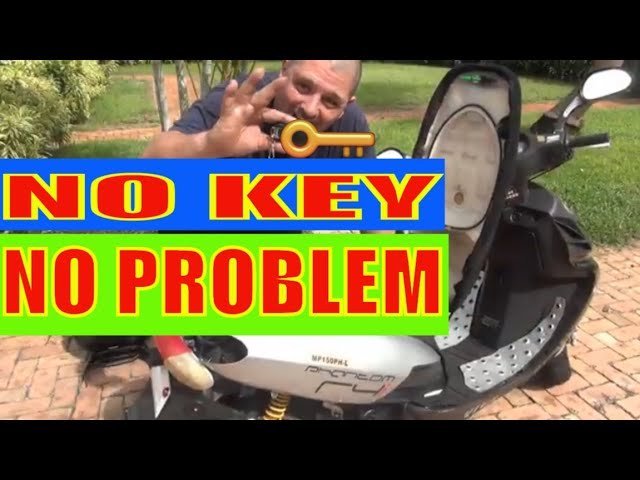
A clean release produces a loud, crisp metal click, and the seat base immediately pops up about half an inch on its own spring. A poor result leaves the seat stuck flush against the frame, or the key turns loosely without moving the latch hook at all. This latch failure happens because an overpacked storage tub forces thick cargo against the under-seat pan, which binds the release claw. You can prevent this failure by never forcing oversized helmets into the tub, pressing down on the cushion before turning the key, and dusting the latch loop with dry graphite regularly.
Securing the compartment after use
Before riding, press the seat down firmly until the latch snaps shut, keeping your road gear secure. The Motorcycle Safety Foundation recommends doing a pre-ride inspection to ensure all latches, luggage, and panels are firmly secured before you pull into traffic. Always remove the key from external side locks immediately, because a forgotten key will snap off if your leg hits it while mounting. Check that the small rubber weather cap covers the keyway after locking. A properly cleaned lock assembly should be lubricated only when the key action becomes stiff.
Alternative opening methods
Electronic ignition button
Modern keyless models let you leave the smart fob in your pocket and simply press an electronic switch beside the handlebars. This method opens the trunk instantly without scratching painted side panels, but it fails completely if your scooter battery dies.
Manual release pull-cord
Several touring models hide an emergency manual release loop inside the front glove box or behind the battery maintenance door. Pulling this cord takes about 30 seconds and bypasses a broken key lock, though reaching it requires unscrewing an access panel first.
Dealership panel removal
A licensed motorcycle technician can remove the lower floorboard and side plastics to grab the release cable with pliers. This professional route costs an hour of labor, but it prevents costly damage to your painted bodywork when a key breaks off inside the slot.
Frequently asked questions
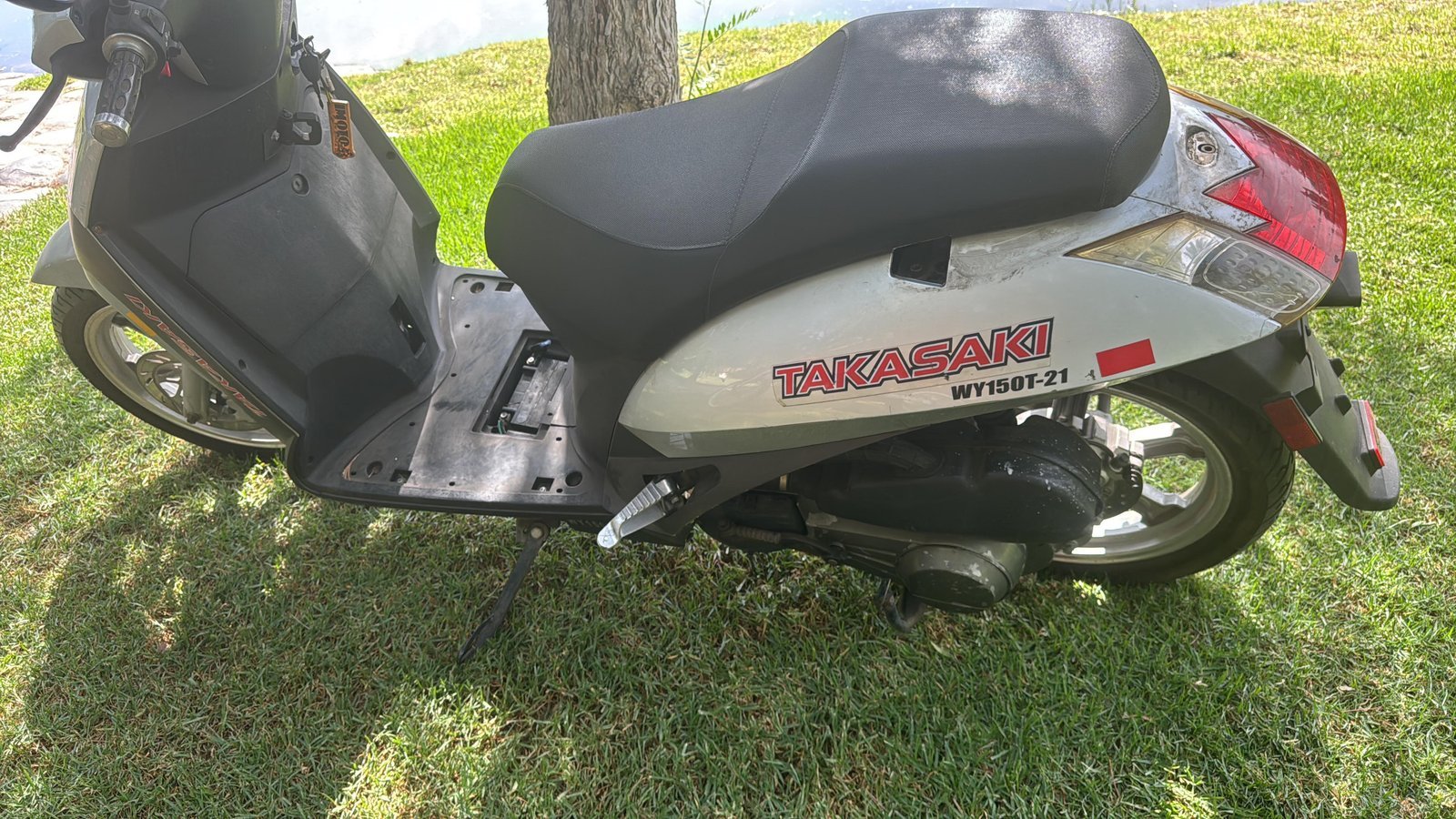
Can I open the seat if my key is bent?
No. Inserting a bent key will wedge the brass blade inside the cylinder and ruin the internal wafers. Straightening the key with pliers weakens the metal, making it snap inside the slot. Have a locksmith cut a fresh copy from your spare instead.
Why won’t my key turn in the seat lock?
Your storage box is likely overfilled, which wedges the catch against the locking bar. Apply firm downward pressure directly above the latch location with your palm while turning the key. This relieves the physical friction binding the metal hook.
How do I open the seat if my scooter uses a smart key?
Press the rotary ignition knob inward while turning it counterclockwise to the open marker, provided your transponder fob stays within 3 feet of the vehicle. If the remote battery died, slide out the mechanical emergency blade hidden inside the fob casing.
Is it safe to spray household penetrating fluid into the lock?
No. Standard penetrating fluids leave a wet, oily film that traps dirt, sand, and belt dust inside the cylinder over time. Use dedicated dry lock graphite or quick-drying silicone spray instead to keep the tiny internal pins sliding smoothly.
What happens if the seat cable disconnects completely?
The key turns smoothly with zero resistance, but the seat remains shut because the mechanical link is broken. You can’t open the compartment without removing the surrounding plastic panels to pull the bare latch lever by hand.
Who is this mechanical key method not for?
This guide isn’t for owners of smart-card electric mopeds or riders dealing with an electrically seized solenoid latch. These high-voltage systems lack an external mechanical keyway, meaning a certified dealer must diagnose the electrical circuit directly.
Final Thoughts
If the seat still won’t budge, don’t force the key, as it might snap inside the lock. Instead, check your owner’s manual for a secondary release lever or visit a local mechanic. They’ll help you fix the cable tension so you’re back on the road in no time.
Related guides