
To lock folding mechanism scooter joints, raise the stem upright until it clicks, push the folding lever flush against the post, and twist the plastic safety ring or insert the lock pin over the latch. A loose hinge bolt causes most locking failures. Tightening this bolt stops stem wobble and secures the latch immediately.
Why the scooter folding mechanism fails to lock
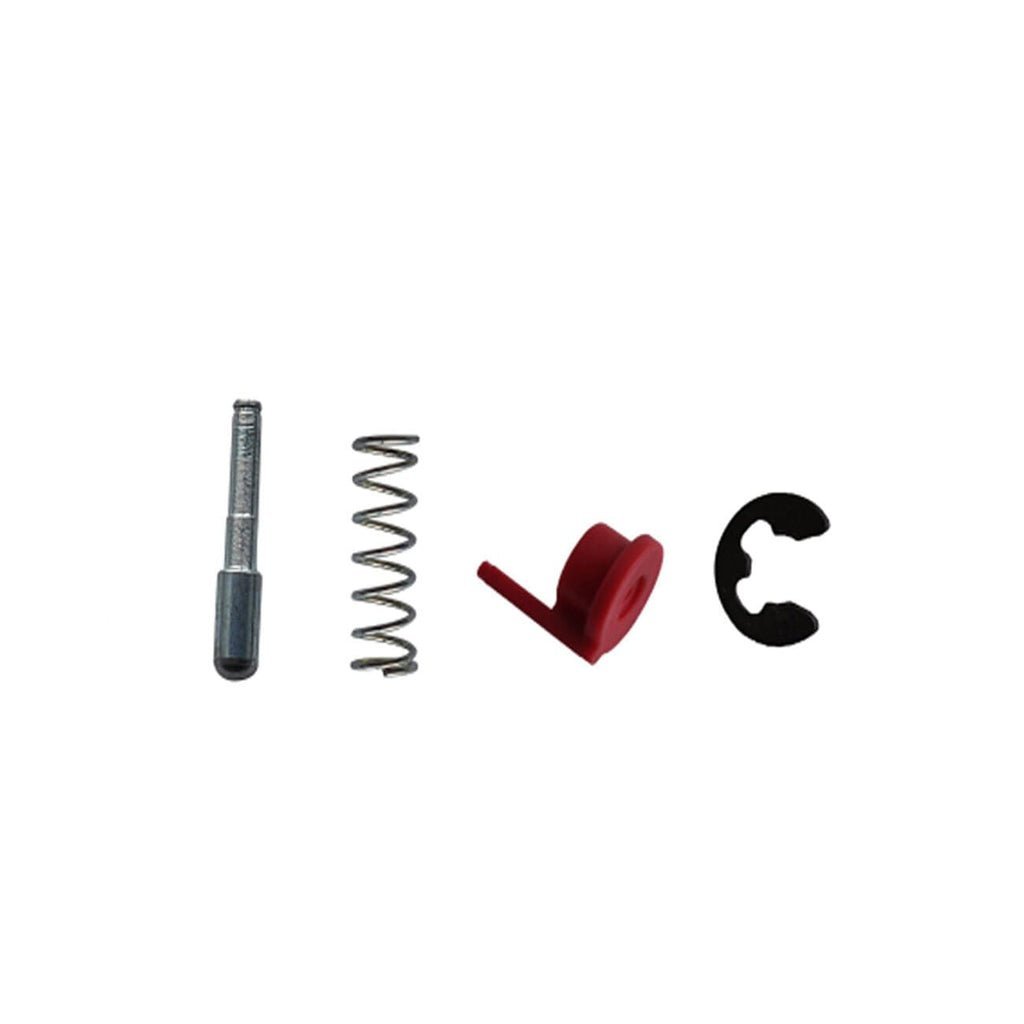
Folding joints fail to snap shut because road vibration rattles parts loose. Every bump shakes the stem, which slowly backs out the central hinge pin or adjustment screw over time.
Dirt also blocks the joint. Street grit, sand, and dried mud collect inside the hinge pocket. This debris stops the metal tongue from seating deeply into the latch slot.
When parts move out of line, the safety ring won’t slide over the lever. For product recalls caused by loose latches, review the CPSC micromobility safety notices to ensure your scooter’s joint hasn’t been flagged for structural failure.
Push the lever and engage the safety ring
This fix is for riders whose joint opens and closes freely but won’t stay shut. It needs no tools and takes under 10 seconds.
- Stand the scooter on level ground and unfold the stem fully upright.
- Push the stem forward firmly with one hand while pulling the folding latch upward with your other hand.
- Press the clamp lever flat against the steering column until you hear a sharp snap.
- Twist the rotating plastic safety collar a quarter-turn until its slot faces away from the lever, or slide the secondary lock slider down over the latch nose.
You’ll know it worked when the lever can’t open if you pull it with two fingers. If the plastic ring is cracked, don’t ride the scooter; replace the collar before your next commute.
Adjust the internal tension bolt
This fix is for stems that feel loose or wobbled even after the lever snaps shut. You’ll need a 4mm or 5mm hex wrench, which comes in the scooter’s original box.
- Fold the scooter halfway down to expose the central adjustment screw inside the hinge joint.
- Turn the internal hinge bolt clockwise by a quarter-turn.
- Unfold the stem and try closing the main latch lever.
The trade-off is simple: a tighter bolt removes all handlebar wobble, but setting it too tight makes the lever nearly impossible to close by hand without hurting your palms.
Replace the worn locking hook or hinge pin
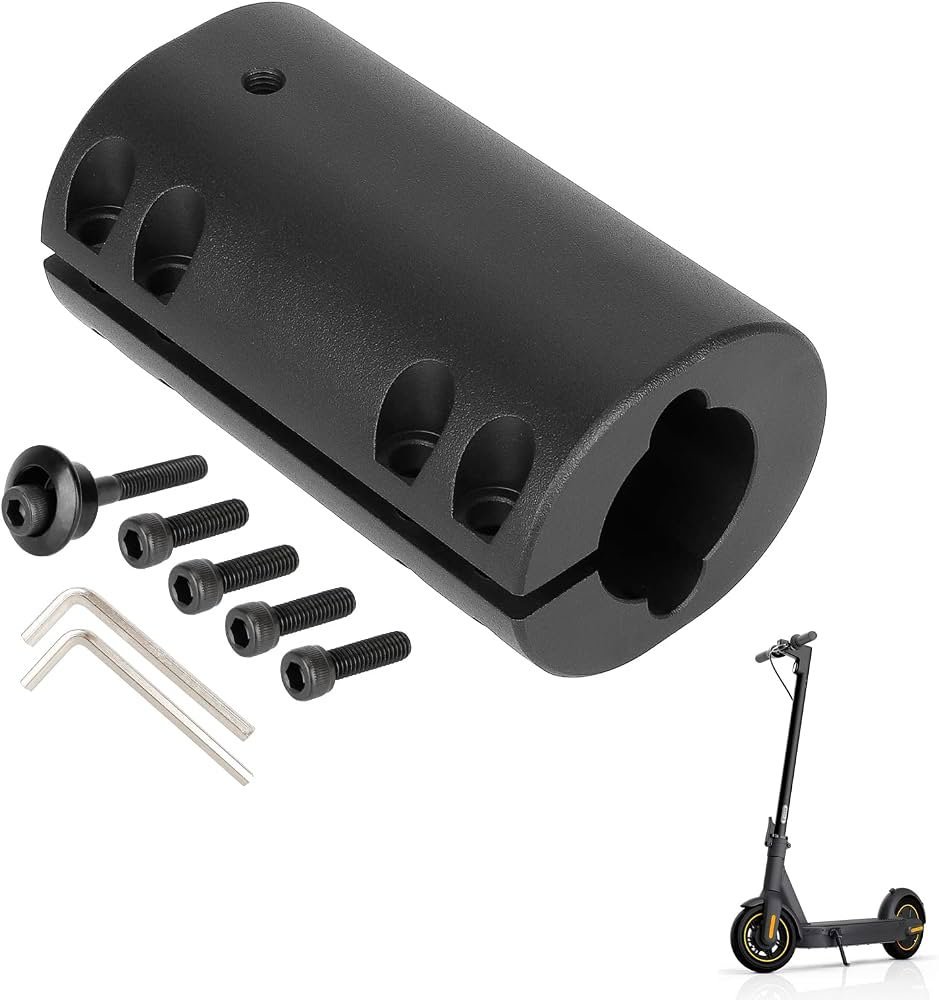
This is for older scooters where the latch pops open while riding, or where adjusting the tension bolt no longer removes stem play. If you aren’t comfortable disassembling steering parts, take the deck to a local bike or scooter repair shop.
- Remove the retaining clip from the main hinge pin with needle-nose pliers.
- Tap the central steel pin out using a punch and a light rubber mallet.
- Remove the worn latch hook and the small return spring underneath it.
- Install the new manufacturer-matched hook, grease the hinge pin with white lithium grease, and slide the pin back through the frame.
- Reinstall the retaining clip securely.
This job takes about 30 minutes. It’s worth the effort on high-mileage scooters, but it’s not for cheap toy scooters where replacement parts cost more than the machine itself.
What not to do
- Kicking the clamp shut: Forcing the folding lever closed with your foot bends the aluminum pin and snaps the plastic latch ears off.
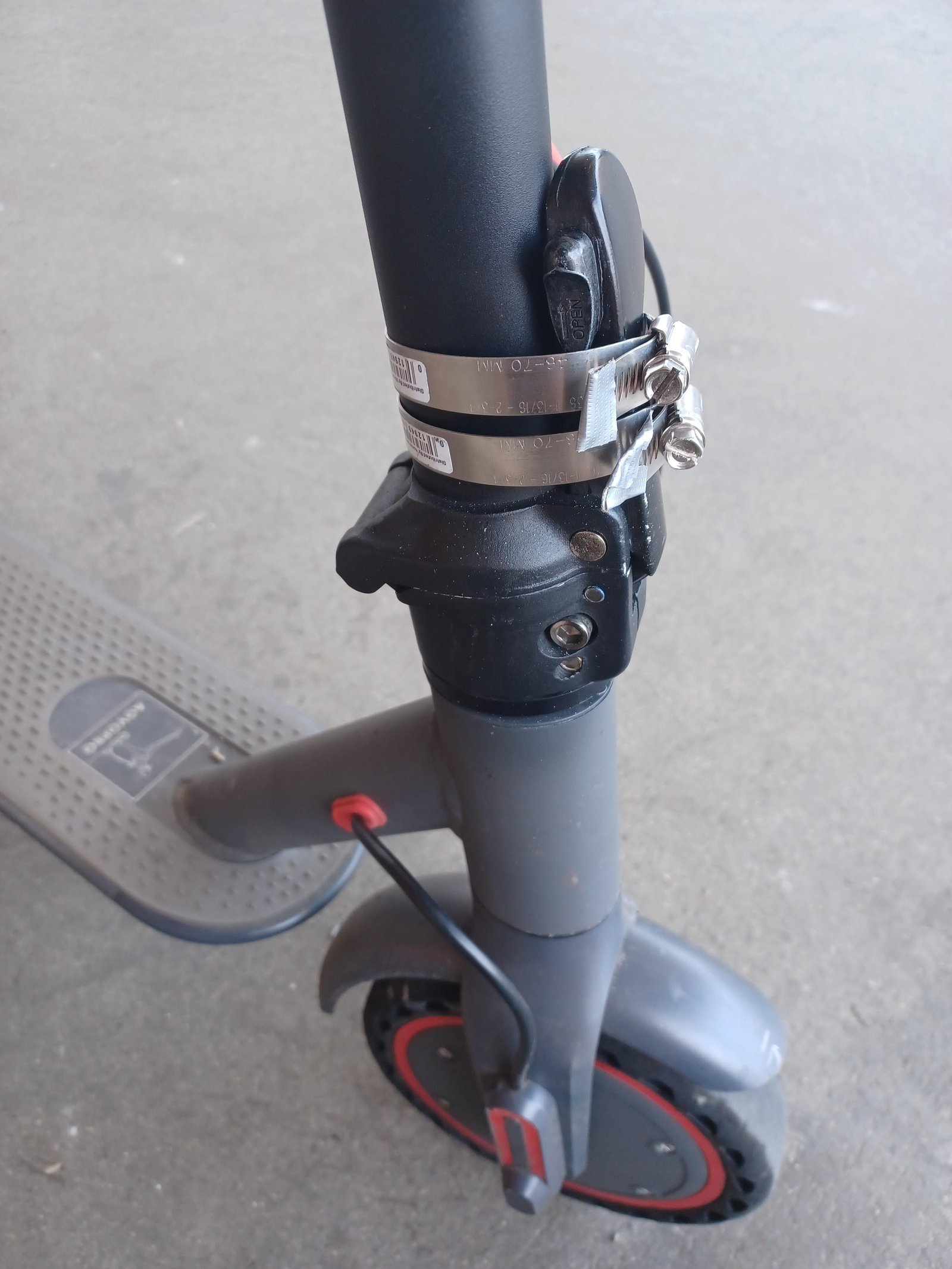
- Wrapping the hinge in duct tape: Tape stretches under cornering loads and gives a false sense of security while hiding crack lines in the metal.
- Using permanent threadlocker: Red threadlocker glues adjustment screws solid, stopping you from ever tuning stem tension again as the joint wears.
- Ignoring joint creaks: Riding with a noisy stem grinds metal shavings off the hinge, which permanently ruins the joint’s factory fit.
How to stop it happening again
Routine care prevents loose stems, joint wear, and mid-ride latch collapses.
| If you’re doing this | Do this instead | Why |
|---|---|---|
| Pulling back hard on bars to stop | Shift your body weight over the rear deck | Pulling bars levers the hinge joint apart |
| Storing the scooter unfolded in rain | Fold and store it in a dry closet | Moisture rusts the internal lock springs |
| Riding over street curbs | Dismount or roll slowly over dips | Hard drops bend the steel retaining latch |
| Leaving bolts dry during cleanings | Apply a light coat of grease | Prevents corrosion and seizing |
Frequently asked questions
Can you ride a scooter if the folding latch is broken?
No, riding with a broken latch will cause the stem to collapse while moving. The handlebar will fold flat, throwing you over the front wheel into traffic or onto the pavement. Fix the hinge before riding again.
Why does my scooter folding lever feel too stiff to close?
The internal tension bolt is turned in too far. Open the stem halfway, locate the tension screw inside the hinge pocket, and turn it counterclockwise by a quarter-turn to ease the clamping pressure.
How tight should a scooter folding mechanism be?
The latch should require firm palm pressure to close completely. Once locked, the handlebar stem must have zero front-to-back play when you shake it with both hands.
Is it safe to use a zip tie on a broken latch?
No, zip ties can’t handle the hundreds of pounds of leverage your arms place on the handlebar during braking. The plastic tie will snap instantly under load.
What happens if the safety ring doesn’t turn?
Dirt or grit is trapped inside the collar track, or the main clamp isn’t closed fully. Push the lever harder against the stem and brush out the ring’s sliding groove.
Final Thoughts
Check your scooter’s hinge every few weeks to ensure everything stays tight and secure. Vibrations from daily riding can loosen screws over time, so it’s a good habit to keep an Allen key in your bag. You’ll have a much smoother, safer ride when you keep your gear in top shape.
Related guides