
Are your kitchen drawers a constant mess, making it hard to find what you need when you need it? You’re not alone.
Cluttered drawers can slow you down and add unnecessary stress to your cooking routine. But imagine opening your drawers to find everything neatly arranged and easy to grab. This guide will show you simple, practical steps to organize your kitchen drawers so you save time, reduce frustration, and enjoy a tidier kitchen.
Ready to transform your space? Let’s dive in and get your drawers working for you.
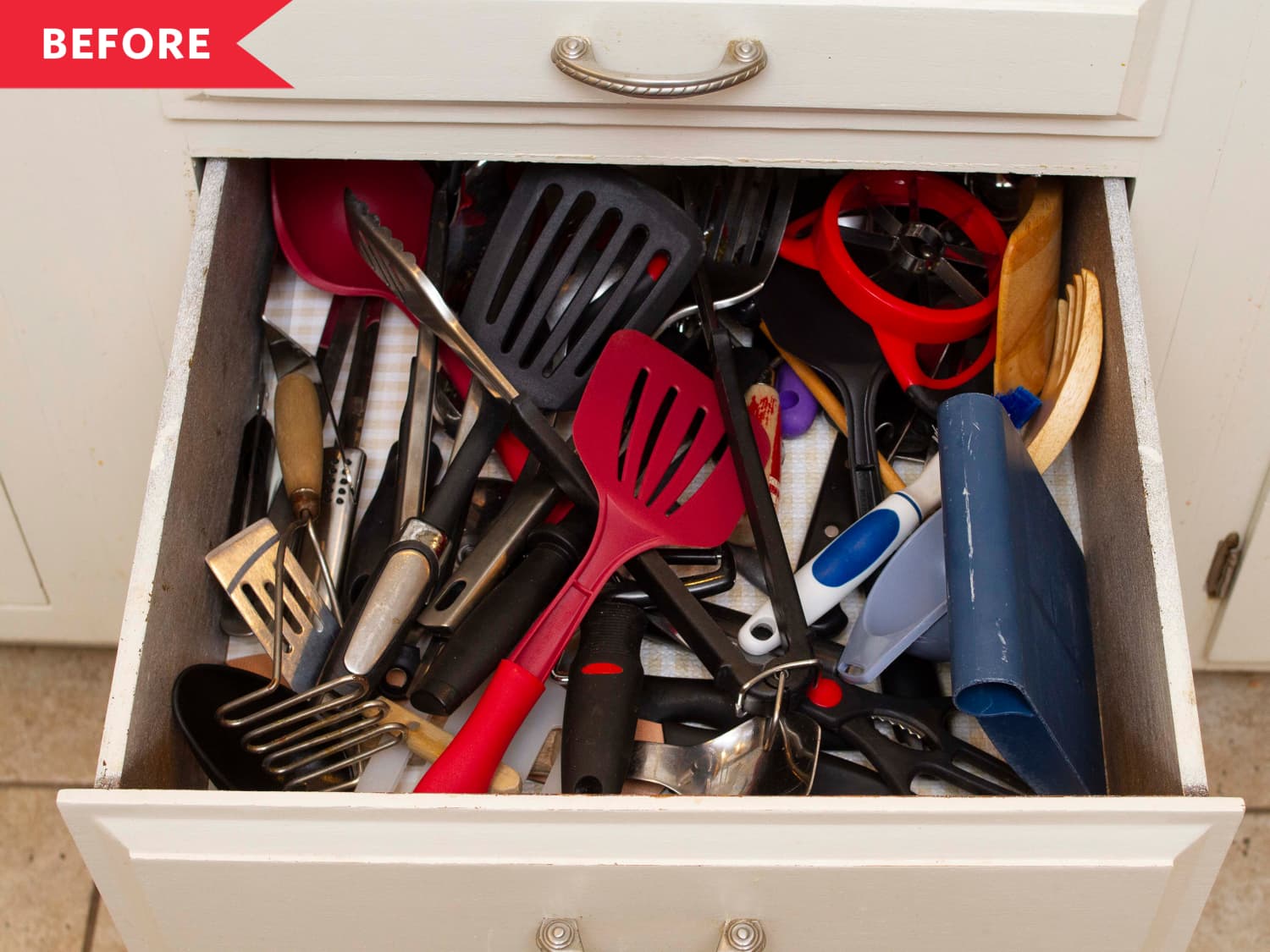
Credit: www.thekitchn.com
Assessing Your Kitchen Drawers
Assessing your kitchen drawers is the first step to better organization. Knowing what you have and how you use it helps create a system that works. This step avoids clutter and saves time when cooking or cleaning.
Start by looking inside each drawer. Notice what items belong together and which ones you use often. This assessment sets the foundation for a neat and practical kitchen space.
Sort Items By Frequency Of Use
Group items based on how often you use them. Keep daily tools like utensils and knives close at hand. Store rarely used gadgets in less accessible drawers. This method keeps your kitchen efficient and easy to navigate.
Identify Drawer Sizes And Layouts
Measure each drawer to understand its capacity. Note the depth, width, and height for better planning. Larger drawers can hold pots and pans, while smaller ones are ideal for cutlery and small tools. Knowing drawer sizes helps you place items where they fit best.

Credit: www.katheats.com
Choosing The Right Organizers
Choosing the right organizers can make a big difference in kitchen drawer organization. The right tools keep items neat and easy to find. They also save space and reduce clutter. Focus on organizers that fit your drawer size and your needs. Quality materials last longer and look better. Here are some popular types of organizers to consider.
Drawer Dividers And Inserts
Drawer dividers and inserts separate items into neat sections. They keep utensils, tools, and gadgets from mixing. Adjustable dividers fit different drawer sizes and shapes. Inserts with compartments offer specific spots for knives or spoons. These organizers make cleaning easier and keep everything visible.
Bins And Containers
Bins and containers group similar items together. Clear containers show contents without opening them. They work well for small packets, spices, or baking accessories. Choose stackable bins to save space in deep drawers. Bins with labels add an extra layer of order.
Customizable Solutions
Customizable organizers adapt to your unique kitchen setup. They come with movable parts or modular sections. You can change layouts as your storage needs change. These solutions fit odd-shaped drawers or specific tools. Customizable organizers offer flexibility and maximize space use.
Decluttering And Sorting
Decluttering and sorting kitchen drawers is the first step to better organization. Clear drawers make it easy to find items fast. It also creates space for things you really use. Start by taking everything out. This helps to see what you have and what you don’t need.
Remove Unnecessary Items
Throw away broken or damaged utensils. Donate tools you rarely use. Old, expired kitchen gadgets belong in the trash. Keep only items you use often. This frees up space and reduces clutter. Avoid keeping duplicates unless needed.
Group Similar Items Together
Sort items by type or function. Put all cooking utensils in one place. Store baking tools in another drawer. Group knives, forks, and spoons together. This helps you grab what you need quickly. Use small containers to keep groups neat and separated.
Maximizing Drawer Space
Maximizing kitchen drawer space helps keep your kitchen neat and easy to use. Smart use of space means you can fit more items and find them quickly. Organizing well reduces clutter and saves time during cooking and cleaning. Here are two simple ways to get the most from your drawers.
Use Vertical Storage
Vertical storage means placing items upright to save room. Use tall containers or dividers to hold utensils, lids, or cutting boards. This method uses drawer height better than stacking flat. It keeps things visible and easy to grab. Vertical storage works well for long tools like spatulas or whisks.
Layering Techniques
Layering means arranging items in levels inside the drawer. Use shallow trays or small baskets to separate each layer. Put less-used items on the bottom layer and daily tools on top. This stops items from piling up and becoming hard to find. Layering helps keep everything orderly and accessible.
Maintaining Drawer Organization
Keeping kitchen drawers organized takes effort after the initial setup. Small habits help maintain neatness daily. A clear system prevents clutter from building up. Consistency makes it easier to find items fast.
Regular care protects your investment in drawer organizers. It keeps your kitchen functional and pleasant. Here are simple ways to keep drawers tidy and ordered.
Daily Habits For Clean Drawers
Put items back in their place after use. Avoid tossing things into the drawer randomly. Wipe the drawer surface weekly to remove crumbs and dust. Check for spills and clean them promptly. Use drawer dividers to keep things separated. This helps keep small items from mixing up. Make it a habit to review drawer contents before closing. This reduces clutter buildup and confusion.
Regular Decluttering Schedule
Set a monthly or bi-monthly time to declutter drawers. Remove items that are broken, expired, or unused. Sort items by category and decide what to keep. Donate or recycle things you no longer need. Rearrange items to improve accessibility and order. Use this time to clean the drawer thoroughly. A regular schedule stops clutter from becoming overwhelming. It keeps your kitchen drawers efficient and tidy.
:max_bytes(150000):strip_icc()/241147086_395188231961064_3633299760962399755_n-b0aae06fba6347b0baac9c8c0c41a880.jpg)
Credit: www.thespruce.com
Specialized Drawers Tips
Organizing kitchen drawers helps keep your cooking space neat and efficient. Specialized drawers need special attention to hold items correctly. Each type of drawer has unique needs and uses.
Utensil Drawers
Utensil drawers need dividers to separate forks, spoons, and knives. Use trays with sections to keep items tidy. Arrange utensils by frequency of use. Place daily tools near the front for easy reach.
Spice And Condiment Drawers
Spice drawers work best with small jars in rows or angled racks. Label jars clearly for fast identification. Keep spices and condiments grouped by type or flavor. Store bottles upright to avoid spills and mess.
Pot And Pan Storage
Pot and pan drawers require sturdy organizers to hold heavy items. Use dividers or racks to stack pans without scratching. Store lids vertically for easy access. Keep large pots at the bottom and smaller ones on top.
Frequently Asked Questions
How Do I Start Organizing Kitchen Drawers Efficiently?
Begin by emptying all drawers and sorting items by category. Discard unused or expired items. Measure drawer sizes to choose appropriate organizers for a neat arrangement.
What Are The Best Tools For Organizing Kitchen Drawers?
Use adjustable dividers, trays, and containers to separate utensils and gadgets. Drawer liners prevent slipping. Labeling helps identify contents quickly and maintain order.
How Often Should Kitchen Drawers Be Reorganized?
Reorganize drawers every 3 to 6 months to maintain cleanliness. Regular checks prevent clutter buildup and ensure easy access to frequently used items.
Can Organizing Drawers Improve Kitchen Workflow?
Yes, organized drawers reduce search time and streamline meal prep. Grouping similar items together enhances efficiency and minimizes kitchen stress during cooking.
Conclusion
Organizing kitchen drawers makes cooking easier and faster. Clear spaces help you find tools quickly. Use dividers to keep items neat and separated. Regularly check and remove things you don’t need. A tidy drawer saves time and reduces stress. Start small, and you will see big improvements.
Keep your kitchen simple and practical every day. Enjoy cooking in a clean, well-organized space.