
Is your kitchen sink draining slower than usual? A slow drain can be frustrating and messy, turning simple tasks like washing dishes into a hassle.
But don’t worry—you don’t have to call a plumber right away. With a few easy steps, you can fix your slow kitchen sink drain yourself and get things flowing smoothly again. Keep reading, and you’ll learn simple tricks that save you time, money, and stress.
Your kitchen deserves to work as hard as you do!

Credit: www.youtube.com
Common Causes Of Slow Kitchen Sink Drains
Slow kitchen sink drains are a common problem in many homes. Understanding the causes helps fix the issue fast. Several factors can block water flow and cause slow drainage. Identifying these common causes can save time and prevent further damage.
Food Debris Buildup
Food particles often get stuck in the drain. Leftover bits from washing dishes collect over time. This buildup narrows the pipe and slows water flow. Small pieces of vegetable peel, coffee grounds, and crumbs cause blockages. Regular cleaning helps prevent this problem.
Grease And Oil Accumulation
Grease and oil poured down the drain stick to pipe walls. They cool and harden, forming thick layers inside the pipes. This sticky residue traps more debris, making the blockage worse. Avoid dumping cooking oil in the sink to reduce buildup.
Clogged P-trap
The P-trap is a curved pipe under the sink. It traps debris before water enters the main drain. Over time, this pipe fills with hair, food, and soap scum. A clogged P-trap slows drainage and causes unpleasant odors. Cleaning it regularly keeps water flowing smoothly.
Vent Pipe Blockages
Vent pipes allow air into the plumbing system. They prevent pressure buildup and help drains work properly. Leaves, nests, or debris can block these vents. Blocked vents cause slow drainage and gurgling sounds. Clearing vent pipes restores proper airflow and drainage.
:max_bytes(150000):strip_icc()/how-to-unclog-a-kitchen-sink-2718799_sketch_FINAL-6d86f43bcb464f8ca5b61f240c2d8bf9.png)
Credit: www.thespruce.com
Basic Tools Needed For Drain Cleaning
Fixing a slow kitchen sink drain often starts with having the right tools. The tools help clear blockages and keep the drain flowing smoothly. They are easy to use and found in most homes or local stores. Having these tools ready saves time and effort during drain cleaning.
Plunger
A plunger is a simple tool that creates suction to clear clogs. Use it by placing the rubber cup over the drain and pushing down firmly. This action can loosen small blockages quickly. Plungers work best for minor slow drains caused by food or grease buildup.
Drain Snake
A drain snake is a long, flexible tool that reaches deep clogs. Insert the snake into the drain and twist it to break up or pull out the blockage. It works well for tougher clogs that a plunger cannot remove. Drain snakes come in manual and powered versions.
Bucket And Gloves
A bucket catches water and debris during cleaning. Place it under the sink to avoid messes when removing drain parts. Gloves protect your hands from dirt and harsh cleaners. Use sturdy gloves to keep your skin safe and clean throughout the process.
Baking Soda And Vinegar
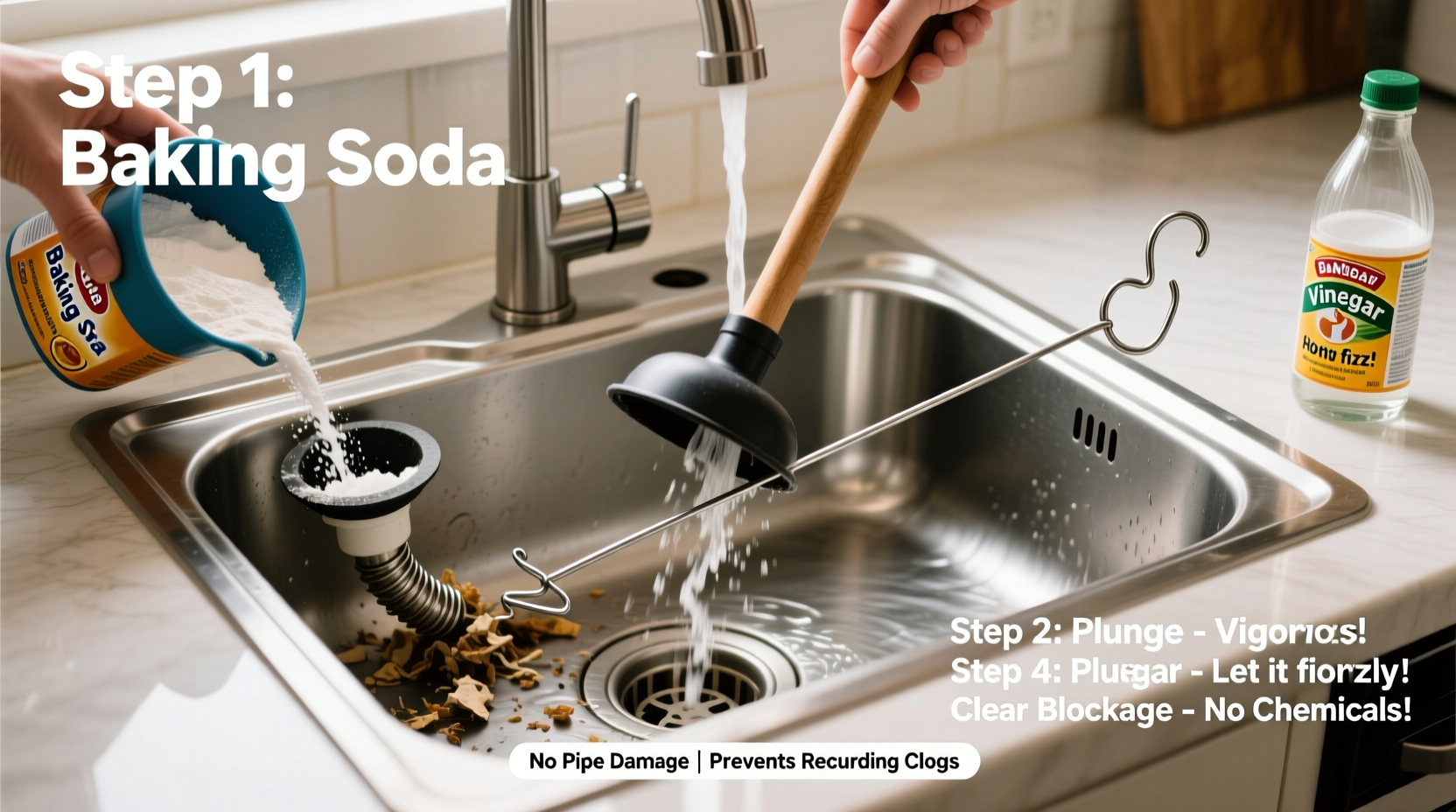
Baking soda and vinegar create a natural cleaning reaction. Pour baking soda into the drain followed by vinegar. The fizz helps break down grime and deodorizes the drain. This method is safe and effective for regular drain maintenance.
Simple Diy Methods To Clear Slow Drains
Slow kitchen sink drains cause frustration and mess. Simple DIY methods can clear blockages fast. These easy steps use common household items. No need for expensive tools or chemicals. Try these solutions before calling a plumber.
Boiling Water Flush
Boil a large pot of water. Carefully pour the boiling water down the drain. The hot water melts grease and loosens minor clogs. Repeat the process two or three times. This method is safe for most pipes and eco-friendly.
Using Baking Soda And Vinegar
Pour half a cup of baking soda into the drain. Follow with half a cup of vinegar. The mixture fizzes and breaks down gunk inside pipes. Let it sit for 15 minutes. Flush the drain with hot water to clear debris.
Plunging The Drain
Use a sink plunger with a good seal over the drain. Push down and pull up rapidly to create suction. This action helps dislodge blockages stuck in the pipes. Repeat several times until water flows freely. Avoid splashing by covering the overflow hole.
Manual Removal Of Debris
Remove the drain cover or stopper carefully. Use a flashlight to check for visible clogs. Wear gloves and pull out hair, food particles, or other debris. Clean the stopper and drain area thoroughly. Replace everything securely before testing the drain.
Using A Drain Snake For Tough Clogs
Using a drain snake is an effective way to clear tough clogs in your kitchen sink. This tool can reach deep blockages that a plunger cannot fix. It is a long, flexible coil that breaks up or pulls out debris from the drain.
Drain snakes come in different sizes and types. Choosing the right one helps clear the clog faster and avoids damage to your pipes. Knowing how to use the snake safely is important to prevent injury or pipe problems. Sometimes, the clog is too hard to remove alone and needs professional help.
Choosing The Right Snake
Pick a drain snake that fits your sink drain size. A smaller snake works well for kitchen sinks, usually 1/4 inch to 3/8 inch wide. Manual hand-crank snakes are good for small clogs. For tougher clogs, use a powered or longer snake.
Choose a snake with a flexible coil. This helps it move through pipe curves easily. Look for a tool with a comfortable handle for better control. Avoid using a snake too large for your drain to prevent pipe damage.
How To Use A Drain Snake Safely
Wear gloves to protect your hands from dirt and sharp objects. Insert the snake slowly into the drain opening. Turn the handle clockwise while pushing gently forward. This action helps the snake grab or break the clog.
Pull the snake out carefully once you feel resistance lessen. Clean the snake coil after each use to remove debris. Avoid forcing the snake if it gets stuck. Stop and try a different angle or tool to avoid pipe damage.
When To Call A Professional
Call a plumber if the clog does not clear after several attempts. Professional tools can reach deeper blockages and fix complex issues. If you notice leaks or damaged pipes, stop and get help immediately.
Frequent clogs may signal bigger plumbing problems. Professionals can inspect your pipes and provide lasting solutions. Avoid risking damage or injury by handling tough clogs alone.
Preventing Future Drain Slowdowns
Preventing future drain slowdowns helps keep your kitchen sink working well. Small efforts every week stop big problems later. Clean drains mean less stress and fewer repairs. A few simple habits protect your pipes and save time. Here are easy ways to keep your drain clear and fast.
Regular Drain Maintenance
Clear your drain regularly to avoid blockages. Use a plunger or a drain snake once a month. This removes buildup before it causes slow drainage. Pour hot water down the drain weekly to flush grease and soap. Regular care keeps water flowing freely and prevents clogs.
Avoiding Grease Disposal In Sink
Never pour grease or oil down the kitchen sink. Grease hardens and sticks inside pipes. This leads to slow drainage and bad smells. Instead, collect grease in a container and throw it in the trash. This simple change protects your pipes and keeps drains clear.
Installing A Sink Strainer
Use a sink strainer to catch food scraps and debris. This stops solids from going down the drain. Clean the strainer after each use to keep it effective. Strainers are cheap and easy to install. They reduce the risk of clogs and make cleaning easier.
Routine Use Of Natural Cleaners
Use natural cleaners like baking soda and vinegar to clean drains. Pour half a cup of baking soda followed by half a cup of vinegar. Wait 10 minutes, then flush with hot water. This method breaks down buildup without harsh chemicals. Regular use keeps drains fresh and clear.
Credit: lifetips.alibaba.com
Frequently Asked Questions
Why Is My Kitchen Sink Drain Draining Slowly?
A slow kitchen sink drain often indicates a clog. Food particles, grease, and soap buildup can block pipes. Regular cleaning and avoiding pouring grease down the drain help prevent slow drainage.
How Can I Unclog A Slow Kitchen Sink Drain?
Use a plunger or a drain snake to clear clogs. Baking soda and vinegar followed by hot water can also dissolve buildup. Avoid harsh chemicals that may damage pipes.
What Household Items Fix A Slow Kitchen Sink Drain?
Baking soda, vinegar, and boiling water are effective. These natural items break down grease and residue safely. They’re eco-friendly and prevent plumbing damage compared to chemical cleaners.
When Should I Call A Plumber For Slow Drain Issues?
Call a plumber if the slow drain persists after DIY attempts. Persistent clogs or leaks may signal deeper pipe problems needing professional tools and expertise.
Conclusion
Fixing a slow kitchen sink drain takes some simple steps. Regular cleaning helps keep water flowing fast. Avoid pouring grease or food scraps down the drain. Using a plunger or drain snake can clear blockages quickly. Small fixes prevent bigger plumbing problems later.
Keep tools handy for quick action when needed. A smooth draining sink makes kitchen work easier. Stay patient and follow the steps carefully. You can maintain a clean and efficient sink every day.