
Have you ever been confused about the difference between watts and watt hours? You’re not alone.
These terms sound similar but mean very different things when it comes to electricity. Understanding them can save you money, help you choose the right appliances, and even make your home more energy-efficient. Keep reading, and by the end, you’ll know exactly what watts and watt hours are—and why they matter to you.
Watts Explained
Watts are a basic unit used in electricity and power. They help us understand how much power an electrical device uses or produces. Knowing what watts mean can make it easier to choose appliances and manage energy use.
Watts show how fast energy is used or made. This helps with everything from charging phones to running big machines. Understanding watts is important for saving energy and money.
Definition Of Watts
A watt is a unit that measures power. It tells how much energy is used per second. One watt equals one joule of energy per second. It is named after James Watt, who improved the steam engine.
How Watts Measure Power
Watts measure the rate of energy use. For example, a 60-watt light bulb uses 60 joules of energy every second. The higher the watts, the more power the device needs. This helps compare energy use between devices.
Common Uses Of Watts
Watts are used to rate light bulbs, appliances, and machines. They help decide which device fits your needs. A microwave might use 1000 watts, while a phone charger uses 5 watts. Watts guide energy costs and efficiency.
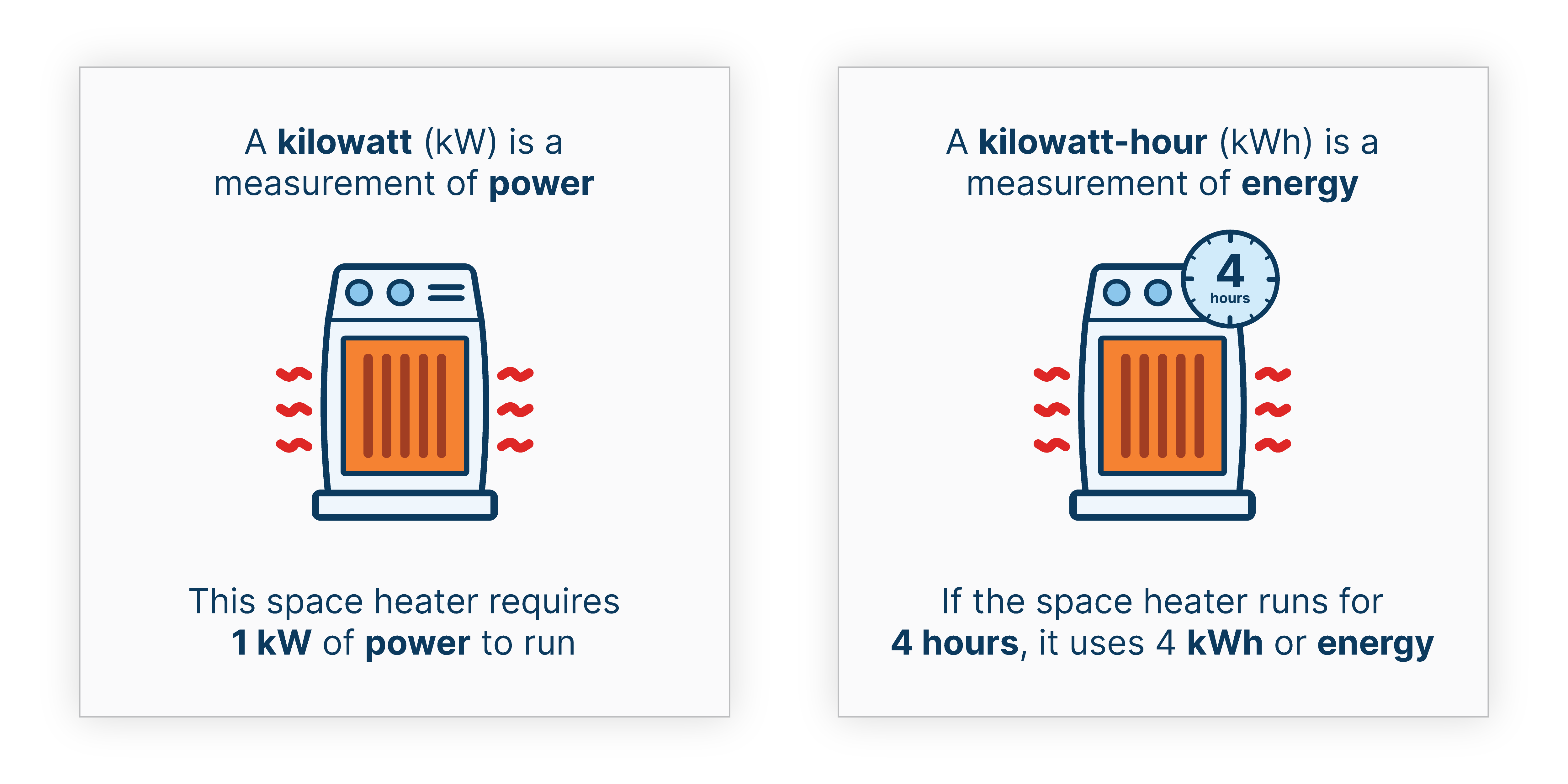
Credit: www.solarreviews.com
Watt Hours Explained
Watts measure the power used at a moment, while watt hours show the total energy used over time. Understanding this difference helps with energy tracking. Watts tell you how strong a device is; watt hours tell how long it can run.
Definition Of Watt Hours
A watt hour (Wh) is a unit of energy. It measures how much power is used over time. One watt hour means one watt of power is used for one hour. This helps us understand energy consumption better than just watts alone.
How Watt Hours Measure Energy
Watt hours show the total energy used by an appliance. Watts measure power at a moment. Watt hours track power use over a period. This tells you how much electricity an item consumes. It helps with estimating energy bills and battery life.
Everyday Examples Of Watt Hours
A 100-watt light bulb running for 5 hours uses 500 watt hours. A smartphone battery might hold 10,000 watt hours. Electric cars store energy in thousands of watt hours. Knowing watt hours helps choose the right battery or appliance size.
Watts Vs Watt Hours
Understanding the difference between watts and watt hours is important for managing electricity use. Both terms relate to power and energy but measure different things. This section breaks down the basics. It helps you know when to use each term and how they affect your energy consumption.
Key Differences Between Watts And Watt Hours
Watts measure power. Power is the rate of using energy at a specific moment. Watt hours measure energy used over time. They show how much energy a device consumes in an hour. Watts tell you how strong a device is. Watt hours tell you how much energy it uses.
When To Use Watts Or Watt Hours
Use watts to describe how much power a device needs. For example, a 100-watt bulb uses 100 watts of power. Use watt hours to measure total energy used. For example, if the 100-watt bulb runs for 3 hours, it uses 300 watt hours of energy. Watts fit for power ratings. Watt hours fit for energy consumption.
Impact On Energy Consumption
Watt hours show actual energy cost. The more watt hours used, the higher the electricity bill. Watts alone do not show cost. A high-watt device used for a short time may use less energy than a low-watt device used longer. Understanding both helps save energy and money.
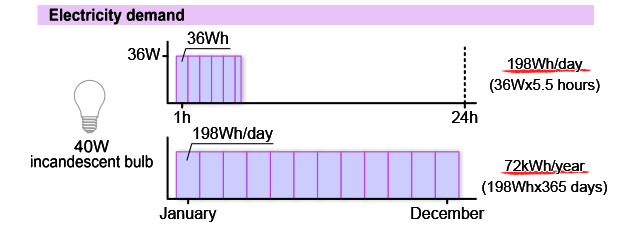
Credit: www.rite.or.jp
Calculating Watts And Watt Hours
Calculating watts and watt hours helps understand energy use better. Watts show how much power something uses at one moment. Watt hours tell how much energy it uses over time. Knowing both makes comparing devices easier. It also helps save energy and money.
Formulas For Watts
Watts measure power. The formula is simple:
Watts (W) = Volts (V) × Amps (A)
This means power equals voltage times current. For example, a device with 120 volts and 2 amps uses 240 watts.
Formulas For Watt Hours
Watt hours measure energy over time. The formula is:
Watt Hours (Wh) = Watts (W) × Hours (h)
This means energy equals power times time. A 100-watt bulb running for 3 hours uses 300 watt hours.
Practical Calculation Examples
Example 1: A laptop uses 60 watts and runs for 5 hours.
Energy used = 60 W × 5 h = 300 Wh.
Example 2: A fridge uses 150 watts and runs 8 hours a day.
Energy used = 150 W × 8 h = 1200 Wh or 1.2 kWh.
These calculations help check energy use and plan bills.
Applications In Real Life
Understanding the difference between watts and watt-hours is useful in many daily situations. These units help us measure power and energy in clear ways. Knowing how they apply helps us use electricity smartly and save money.
Electrical Appliances And Their Ratings
Watts show how much power an appliance uses at one time. For example, a 100-watt light bulb uses 100 watts when it is on. This rating helps you choose devices that fit your needs and limits. It also tells you how much electricity the appliance will use while running.
Battery Capacity And Usage
Batteries store energy measured in watt-hours. This number tells you how long a battery can power a device. A 500 watt-hour battery can run a 100-watt device for about five hours. This helps you pick the right battery for phones, laptops, or other gadgets.
Energy Billing And Metering
Electric meters measure energy in kilowatt-hours, which is 1,000 watt-hours. Your electricity bill is based on how many kilowatt-hours you use. Knowing the difference helps you understand your bill. It also encourages better habits to reduce energy use and save money.
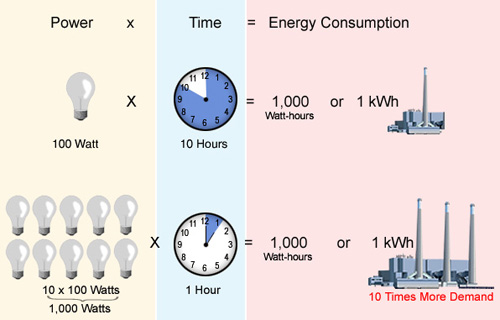
Credit: c03.apogee.net
Common Misconceptions
Many people mix up watts and watt-hours. These terms relate to electricity but mean different things. This confusion can cause mistakes in understanding energy use and bills. Clearing up these misconceptions helps save money and use energy wisely.
Confusing Power With Energy
Watts measure power, or how fast energy is used. Watt-hours measure total energy used over time. Think of watts as speed and watt-hours as distance traveled. Mixing these up leads to wrong assumptions about energy consumption.
Misreading Appliance Labels
Appliance labels often show watts, not watt-hours. People may think this number shows total energy use, but it shows power only. This mistake makes it hard to estimate actual energy costs or compare devices.
Avoiding Billing Surprises
Electric bills charge for energy, measured in kilowatt-hours (kWh). Confusing watts with watt-hours can cause surprise high bills. Knowing the difference helps track usage and avoid unexpected costs.
Frequently Asked Questions
What Is The Difference Between Watts And Watt Hours?
Watts measure power or how fast energy is used. Watt hours show how much energy is used over time. Watts tell rate; watt hours tell total energy.
How Do Watts Affect Electrical Devices?
Watts show how much power a device uses at once. Higher watts mean more energy use and stronger performance. It helps to choose the right device for your needs.
Why Are Watt Hours Important For Batteries?
Watt hours tell how long a battery can last. More watt hours mean longer battery life. This helps you understand battery capacity clearly.
Can Watts And Watt Hours Be Converted?
Watts and watt hours measure different things, so direct conversion isn’t possible. You need time to convert watts to watt hours. Multiply watts by hours to get watt hours.
How Do Watt Hours Impact Energy Bills?
Watt hours track total energy used, which affects your bill. More watt hours mean higher electricity costs. Monitoring watt hours helps control energy spending.
Are Watts Or Watt Hours Better For Comparing Devices?
Watts show power use at a moment; watt hours show total energy used. Use watts to compare power size and watt hours to compare energy use. Both matter for different reasons.
How Can Understanding Watts Vs Watt Hours Save Energy?
Knowing watts helps avoid devices that use too much power. Tracking watt hours helps reduce total energy use over time. This knowledge leads to smarter energy choices.
Conclusion
Watts measure power, or how fast energy flows. Watt hours show how much energy is used over time. Knowing the difference helps with choosing the right devices. It also aids in understanding electricity bills better. Use watts to check power needs quickly.
Use watt hours to track energy consumption. Both terms are key in energy discussions. Keep these ideas in mind for smarter energy use. Simple but important. Clear understanding saves money and energy.