
When it comes to welding, choosing the right method can make a huge difference in your work quality and ease. You might have heard about MIG and stick welding, but which one is really better for your project?
Understanding the key differences between these two popular techniques can save you time, money, and frustration. You’ll discover exactly how MIG and stick welding work, their pros and cons, and which one fits your needs best. Keep reading—you’re about to make your welding decisions a whole lot easier.
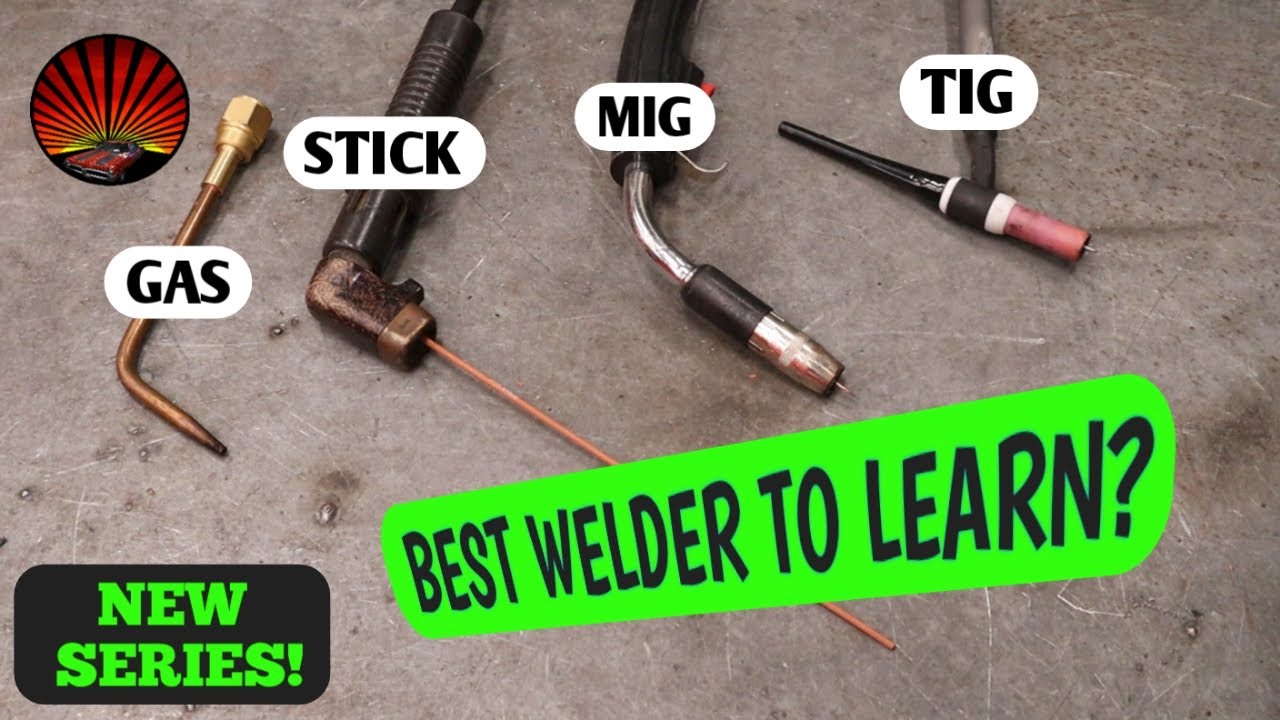
Credit: www.youtube.com
Mig Welding Basics
MIG welding is one of the most popular welding methods used today. It is known for its simplicity and speed. This technique uses a continuous wire electrode to join metals. Many beginners and professionals prefer MIG welding for its ease and clean results.
This section explains the basics of MIG welding. You will learn how it works, where it is used, and why it is a good choice for many projects.
How Mig Welding Works
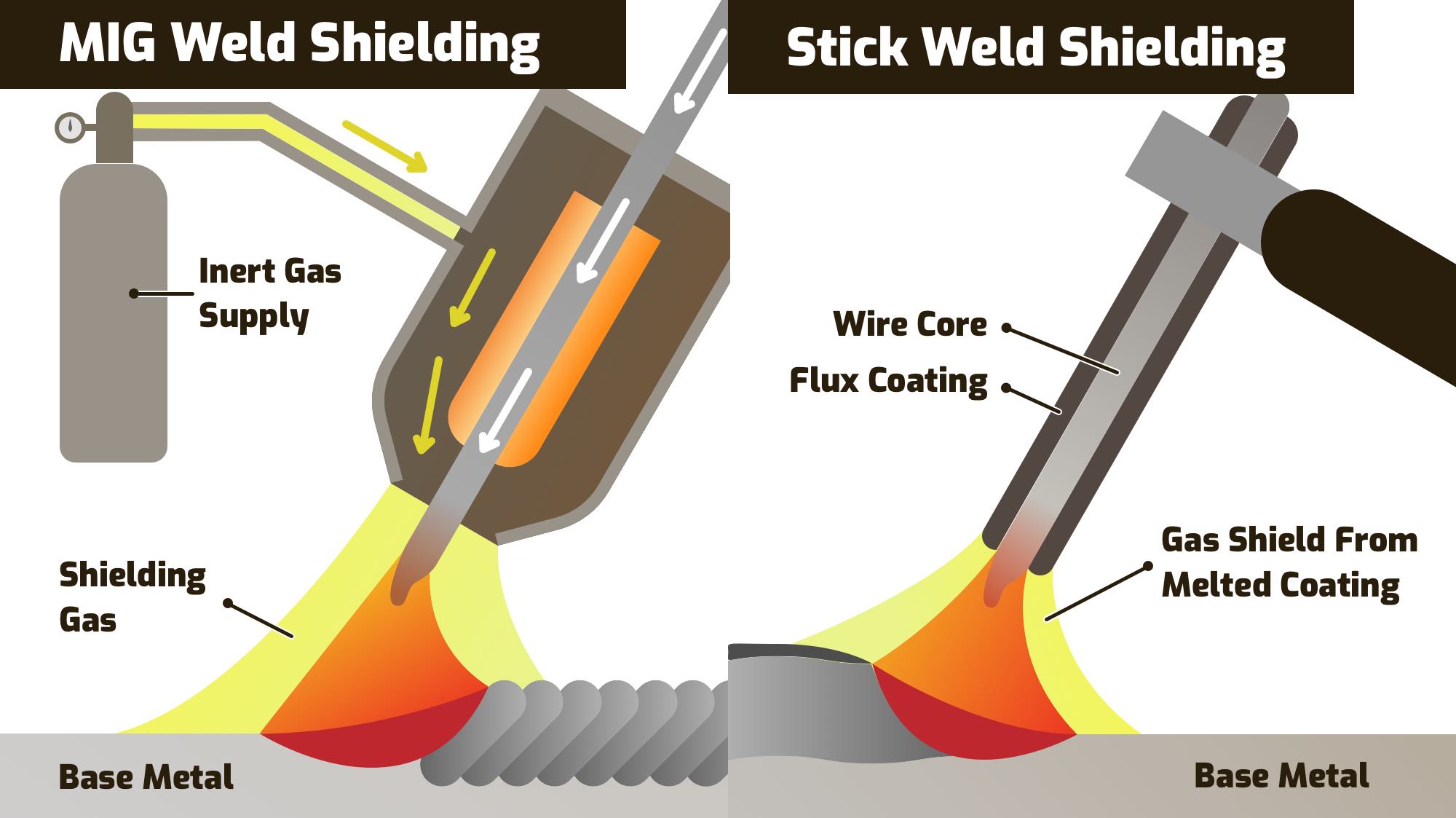
MIG stands for Metal Inert Gas welding. It uses a wire that feeds through a welding gun. The wire melts and fuses two pieces of metal together. A shielding gas flows around the wire to protect the weld. This gas stops air from contaminating the weld. The process is fast and produces smooth, strong joints.
Common Applications
MIG welding is used in many industries. It works well for automotive repair and manufacturing. It is common in construction and metal fabrication. Hobbyists use MIG for home projects and art. It can weld thin and thick metals alike. Steel, aluminum, and stainless steel are typical materials for MIG welding.
Advantages Of Mig Welding
MIG welding is easy to learn and use. It creates clean welds with less spatter. The process is fast, saving time on jobs. It allows for long welds without stopping. MIG welding needs less skill than other methods. It works well for many metal types and thicknesses.
Stick Welding Essentials
Stick welding is a popular method for joining metals. It uses a simple tool and works well in many situations. This section covers the basics of stick welding. You will learn how it works, where it is used, and its key benefits.
Understanding stick welding helps you choose the right welding method for your projects. It is a good skill for beginners and professionals alike.
How Stick Welding Works
Stick welding uses a metal rod coated with flux. The rod melts to create a weld pool. This pool joins two pieces of metal together. An electric current passes through the rod. It creates heat to melt the metal and rod. The flux coating protects the weld from air and dirt. This process forms a strong bond between metals.
Typical Uses
Stick welding is common in construction and repair work. It works well outdoors and in windy areas. It can weld thick and thin metals. This method is used for pipelines, bridges, and heavy machinery. It is also useful for fixing farm equipment and vehicles. Stick welding fits many metal types, including steel and iron.
Benefits Of Stick Welding
Stick welding is simple and low-cost. The equipment is easy to carry and use. It works on rusty or dirty metals. The welds are strong and durable. This method works in all weather conditions. It is perfect for outdoor and remote jobs. Stick welding also allows for deep weld penetration.
Equipment And Setup
Choosing between MIG and Stick welding often starts with understanding the equipment and setup. Each method requires different tools and preparation. Knowing these differences helps you pick the right welding type for your project.
Tools Needed For Mig Welding
MIG welding requires a welding machine that feeds wire automatically. A spool of welding wire is essential. You also need a shielding gas tank to protect the weld from contamination. A MIG gun, which guides the wire and gas, is part of the setup. Don’t forget safety gear like a welding helmet and gloves.
Tools Needed For Stick Welding
Stick welding uses a welding machine that provides electric current. Instead of wire, it uses electrodes, which act as both filler material and shield. You need a holder to grip the electrode. Ground clamps connect the workpiece to the machine. Safety equipment like helmets and gloves is also necessary.
Cost Comparison
MIG welding equipment costs more upfront. The machine, gas tank, and wire add to the price. Stick welding gear is cheaper and simpler. Electrodes are less expensive than wire and gas. For beginners, stick welding may be more budget-friendly. For frequent or professional use, MIG welding offers better efficiency.
Skill Level And Learning Curve
Understanding the skill level and learning curve of welding methods helps beginners choose the right path. Each technique requires different abilities and time to become confident. Knowing these differences saves effort and frustration.
Here, we explore how MIG and stick welding compare in learning ease, challenges, and available training resources.
Ease Of Learning Mig Welding
MIG welding is often easier for beginners. The process uses a wire that feeds automatically. This reduces the need to control the welding speed manually.
The steady arc and cleaner welds make it simpler to see results quickly. Beginners can practice and improve without many mistakes. This method suits hobbyists and those wanting fast progress.
Challenges In Stick Welding
Stick welding demands more skill and practice. The welder must hold the rod at the right angle and distance. Maintaining a steady hand is key to avoid weak welds or spatter.
This method produces more smoke and sparks, which can distract new welders. Controlling the arc length and speed takes time to learn well. Mistakes are common at first but improve with patience.
Training Resources
Many resources exist for both welding types. Online videos offer step-by-step guides and tips. Local workshops and classes provide hands-on experience with expert help.
Books and manuals explain techniques in simple terms. Practice kits for beginners include materials to start safely. Choosing quality resources boosts confidence and skill faster.
Material Compatibility
Material compatibility is key in choosing between MIG and stick welding. Different metals respond better to each method. Understanding this helps achieve strong, clean welds. The type of metal affects how well the weld holds and the ease of welding.
Materials Best For Mig Welding
MIG welding works well with mild steel and stainless steel. It also suits aluminum and copper. The process produces smooth, clean welds on these metals. MIG welding uses a shielding gas that protects the weld from contamination. This makes it ideal for thinner, cleaner metals.
Materials Best For Stick Welding
Stick welding excels on dirty or rusty metals. It fits well with cast iron and carbon steel. This method handles rough surfaces better than MIG. Stick welding does not need a shielding gas, so it works outdoors in windy conditions. It also suits thicker, heavy metals.
Thickness Considerations
MIG welding is best for thin to medium thickness metals. It provides better control and less warping. Stick welding fits thicker metals and heavy-duty jobs. It can penetrate deeply, making strong joints on thick steel. Choosing the right method depends on metal thickness and job type.

Credit: www.youtube.com
Welding Environment
The welding environment plays a big role in choosing between MIG and stick welding. Each method reacts differently to where you work. The conditions around you affect the quality and safety of your welds.
Understanding the environment helps you pick the right welding type. It also helps you prepare for challenges on the job. Let’s explore how indoor and outdoor use, weather, and safety come into play.
Indoor Vs Outdoor Use
MIG welding works best indoors. It needs clean, dry air to protect the weld. The shielding gas used can blow away outside. This causes weak, porous welds.
Stick welding suits outdoor jobs better. It does not rely on gas. The flux coating shields the weld from air. This makes stick welding strong in windy or dusty places.
Impact Of Weather Conditions
Rain, wind, and cold affect welding results. MIG welds struggle in wet or windy weather. The gas shield fails, causing poor welds. Moisture can also cause defects.
Stick welding handles bad weather well. The flux protects the weld from moisture and wind. Cold weather may slow the process but does not stop it.
Safety Precautions
Both types need safety gear. Use helmets, gloves, and protective clothing. Keep the work area clean and dry. Avoid welding in wet places to prevent shocks.
Ensure good ventilation indoors. Welding fumes can be harmful. Outdoors, shield yourself from wind and sparks. Always follow safety rules to protect yourself.
Weld Quality And Appearance
The quality and appearance of a weld play a big role in its performance and look. Different welding methods produce different results. Understanding these differences helps choose the right process for each job. Both MIG and stick welding offer strong joints, but they vary in finish and strength.
Strength Of Mig Welds
MIG welding creates clean and precise welds. The continuous wire feed allows for steady heat and consistent weld beads. This results in strong, uniform joints. MIG welds usually have less spatter, reducing the need for extra cleaning. The strength of MIG welds suits thin to medium metals well. It offers good penetration and fusion without much distortion.
Stick Weld Durability
Stick welding uses a coated electrode that melts to form the weld. These welds are very durable and tough. Stick welding works well on thicker materials and outdoor jobs. The welds can handle rough conditions and heavy loads. The coating helps protect the weld from contaminants. Stick welds might have slag that needs to be chipped away after cooling.
Visual Differences
MIG welds appear smooth and shiny. The beads are uniform and neat, often with a slight ripple pattern. This makes MIG welds look clean and professional. Stick welds have a rougher, more rugged look. They often show slag and uneven bead shapes. The surface may need extra finishing to improve appearance. These visual differences influence the choice based on project needs.
Credit: weldguru.com
Common Issues And Troubleshooting
Welding can face many problems that slow down work or cause weak joints. Knowing common issues helps fix them fast. Troubleshooting is key to better welds and less waste. Both MIG and stick welding have their own typical problems. Understanding these can save time and effort in your projects.
Mig Welding Problems
MIG welding often has issues with poor wire feeding. This causes uneven welds or sparks. Contaminated metal or bad shielding gas can create porosity, making holes in the weld. Overheating or wrong settings may cause burn-through or weak welds. Spatter, or small drops of molten metal, also appears frequently. These problems reduce weld quality and need quick attention.
Stick Welding Challenges
Stick welding has its own challenges. The electrode may stick to the metal, interrupting the weld. Slag, the coating on the weld, can be hard to remove if not done right. Inconsistent arc length causes uneven weld beads. Moist or rusty metal causes poor welds and weak joints. These problems need care and practice to manage well.
Tips To Avoid Defects
Keep the metal clean before welding to avoid contamination. Check wire feed and gas flow regularly in MIG welding. Use the right electrode and settings for stick welding. Maintain a steady hand and consistent arc length. Remove slag carefully after stick welding. Practice these tips to reduce defects and improve weld strength.
Choosing The Right Method
Choosing the right welding method is important for a successful project. Each method has strengths and fits different tasks. Understanding your needs helps pick the best option.
This section breaks down key points to consider. Think about the type of project, budget limits, and your own comfort with the tools.
Project Requirements
Consider the material you will weld. MIG works well on thin metals. Stick welding suits thicker or rusty metals. Also, think about the work environment. Outdoor jobs often favor stick welding. MIG needs cleaner, indoor spaces. Match the method to your project’s needs.
Budget Considerations
MIG welding machines cost more upfront. They need a constant supply of gas and consumables. Stick welders are cheaper and simpler. They use rods instead of gas. Factor in long-term costs too. Gas and wire add up over time.
Personal Preference
Your skill level matters. MIG welding is easier for beginners. It produces cleaner, smoother welds. Stick welding requires more practice but offers flexibility. Some welders prefer the feel of stick rods. Choose what feels right and comfortable for you.
Frequently Asked Questions
What Is The Main Difference Between Mig And Stick Welding?
MIG welding uses a wire that feeds automatically, while Stick welding uses a stick electrode. MIG is cleaner and easier, Stick is better for outdoor or rusty metal.
Which Welding Method Is Better For Beginners?
MIG welding is easier for beginners due to its steady wire feed and less smoke. Stick welding needs more skill but works well on rough surfaces.
Can Mig Welding Be Used Outdoors?
MIG welding is less ideal outdoors because wind can blow away the shielding gas. Stick welding works better outside since it doesn’t need gas protection.
What Metals Are Best For Mig Welding?
MIG welding works great on steel, stainless steel, and aluminum. It provides smooth and strong welds on these metals.
How Does Stick Welding Handle Rusty Or Dirty Metal?
Stick welding tolerates rust, dirt, and paint better than MIG welding. It can create solid welds without perfect surface cleaning.
Which Welding Type Is More Cost-effective?
Stick welding machines are usually cheaper and simpler. MIG welding equipment costs more but offers faster and cleaner welds.
Is Mig Welding Faster Than Stick Welding?
Yes, MIG welding is faster because the wire feeds continuously. Stick welding requires stopping to replace rods, slowing the process.
Conclusion
Choosing between MIG and stick welding depends on your project needs. MIG welding offers faster and cleaner welds. Stick welding works well outdoors and on rusty metals. Both methods have unique strengths and suit different tasks. Consider the materials, location, and skill level before deciding.
Practice helps improve your technique with either method. Welding safely always comes first. Keep learning and experimenting to find what works best for you.