
Are you trying to decide between a 12V and a 20V vacuum but feel overwhelmed by the technical details? Choosing the right vacuum can make a huge difference in how easily you clean your home or car.
You want something powerful enough to get the job done, yet easy to handle and reliable. You’ll discover the real differences between 12V and 20V vacuums, so you can pick the perfect one for your needs. Keep reading, and by the end, you’ll feel confident about your choice and ready to tackle any mess with ease.
Power Basics
Understanding power basics helps choose the right vacuum for your needs. Voltage plays a key role in vacuum cleaners. It affects how strong and long the vacuum can work. Knowing these details can help pick between 12V and 20V vacuums.
What Voltage Means
Voltage measures electrical force in a vacuum’s battery. It shows how much power the battery can push through the motor. Higher voltage means more power available to run the vacuum. A 12V battery delivers less power than a 20V battery. This number does not tell everything but gives a good start.
How Voltage Affects Performance
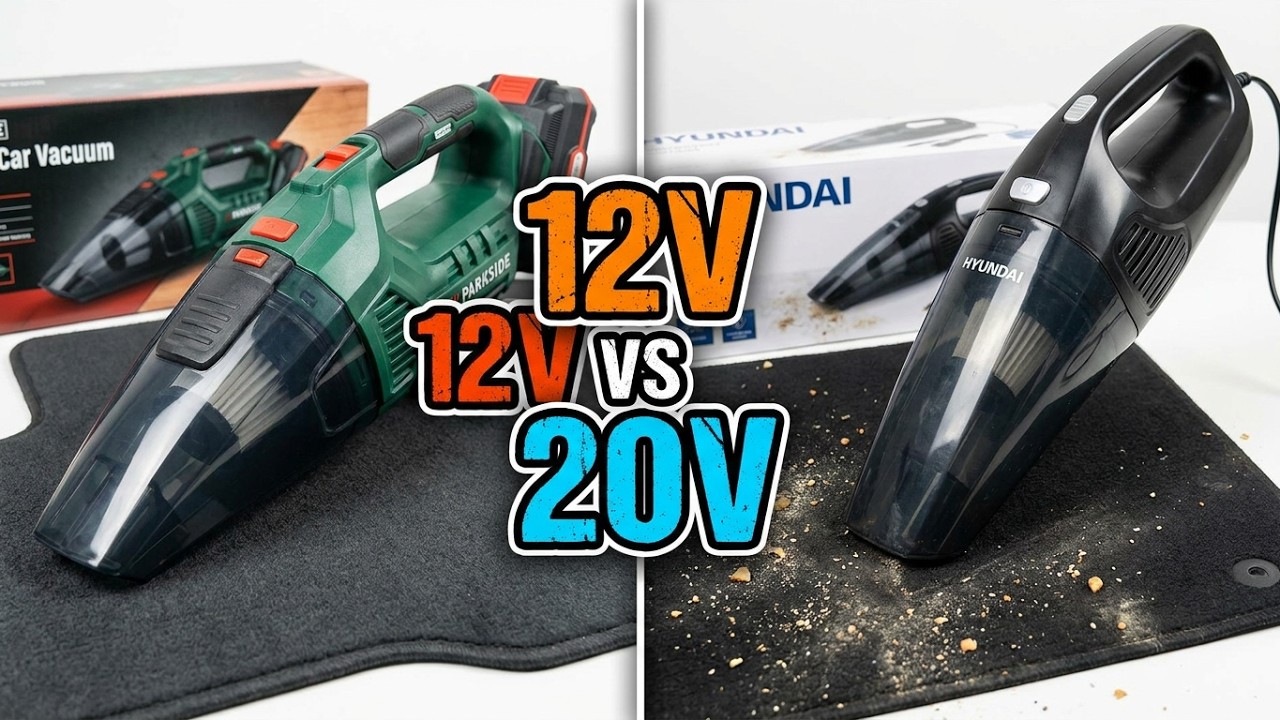
Higher voltage usually means better suction power. A 20V vacuum can clean tougher dirt than a 12V model. It also often runs longer before needing a recharge. Lower voltage vacuums are lighter and easier to carry. They work well for small tasks and quick cleanups. Each voltage level suits different cleaning needs.
Credit: www.youtube.com
Battery Life And Runtime
Battery life and runtime are key factors in choosing between 12V and 20V vacuums. These aspects affect how long you can clean without recharging. Understanding the differences helps you pick the right vacuum for your needs. Both voltage options offer unique benefits in power and durability.
Comparing Battery Capacity
Battery capacity shows how much energy a battery holds. Higher voltage vacuums usually have bigger batteries. A 20V vacuum often stores more power than a 12V one. This means it can run longer before needing a recharge. However, battery size also depends on the manufacturer and model. Some 12V vacuums come with efficient batteries that last well. Check the battery’s milliampere-hour (mAh) rating to compare capacity.
Impact On Cleaning Duration
Cleaning duration depends on battery capacity and vacuum power. A 20V vacuum generally cleans longer than a 12V vacuum. It can handle bigger messes or larger areas without stopping. But a 12V vacuum may be enough for small spaces or quick cleanups. Battery life also reduces as the vacuum works harder. Strong suction drains the battery faster. Choose a vacuum that fits your cleaning routine and space size.
Suction Strength And Efficiency
Suction strength and efficiency are key factors when choosing between 12V and 20V vacuums. These features affect how well the vacuum cleans different surfaces. A stronger suction means better dirt and debris removal. Efficiency refers to how well the vacuum uses power while cleaning.
Both 12V and 20V vacuums have their pros and cons. The voltage impacts suction power and battery life. Understanding these differences helps pick the right vacuum for your needs.
Measuring Suction Power
Suction power is often measured in air watts or pascals. Air watts show how much airflow and suction the vacuum produces. Pascals measure the suction force at the nozzle.
20V vacuums usually have higher air watts, meaning stronger suction. 12V vacuums offer less suction but use less battery power. Measuring suction power helps compare models accurately.
Practical Cleaning Results
Strong suction removes dust, hair, and crumbs more easily. 20V vacuums handle deep cleaning on carpets and rugs better. 12V models work well for light cleaning on hard floors.
Efficiency shows in how long the vacuum runs per charge. A 12V vacuum may last longer but clean less deeply. The 20V vacuum cleans faster but may need recharging sooner.
Weight And Portability
Weight and portability are key factors when choosing between a 12V and 20V vacuum. These features affect how easy it is to carry and use the vacuum in different areas. Lighter models make cleaning less tiring and more efficient. Portability also matters for storage and quick use around the house.
Design Differences
12V vacuums tend to be smaller and lighter. Their compact design fits well in tight spaces. They often weigh less than 3 pounds, making them easy to hold for long periods. The 20V vacuums are usually bigger and heavier. They weigh closer to 5 pounds or more. This extra weight comes from a bigger motor and battery. The design focuses on power but may reduce ease of carrying.
Ease Of Use Around The Home
12V vacuums are perfect for quick cleanups and small jobs. Their light weight lets users move freely and reach tricky spots. Carrying them upstairs or in the car is less of a hassle. 20V vacuums are better for deep cleaning and larger areas. The extra weight can be tiring after extended use. Still, they offer strong suction that handles heavy dirt well.
Cost Considerations
Cost matters a lot when choosing between 12V and 20V vacuums. Understanding the price differences helps you make a smart choice. Both types have different price points and long-term costs. This section breaks down what you can expect to pay initially and over time.
Initial Price Comparison
12V vacuums usually cost less upfront. They are smaller and use less power. This lowers the price for buyers on a budget. 20V vacuums tend to be pricier. Their larger batteries and stronger motors add to the cost. You pay more at the start but get more power.
Choosing depends on your budget and needs. A 12V vacuum fits well for light cleaning. A 20V vacuum suits tougher tasks but costs more.
Long-term Value
Think about how long the vacuum lasts and its running costs. 20V vacuums often run longer on a charge. This means fewer battery replacements and better use. They may save money over time despite the higher initial price.
12V vacuums may need new batteries sooner. Parts can wear out faster with less power. You might spend more on repairs and replacements. The long-term cost can add up.
Consider your cleaning habits and how much use the vacuum gets. A more expensive 20V model can be cheaper over the years.
Credit: www.skil.com
Suitability For Different Cleaning Tasks
Choosing between a 12V and 20V vacuum depends on the cleaning task at hand. Each voltage level suits different types of jobs. Understanding their strengths helps pick the right tool for your needs.
Some tasks need light cleaning, while others require more power. Surface type and dirt level also affect which vacuum works best.
Light Vs Heavy-duty Cleaning
12V vacuums handle light cleaning well. They are great for quick pickups and small messes. Their lower power means longer battery life and easier handling.
20V vacuums are better for heavy-duty cleaning. They offer stronger suction to remove tough dirt and debris. These vacuums work well on larger messes and longer cleaning sessions.
Surface Types And Challenges
12V vacuums work fine on smooth surfaces like hardwood and tiles. They can clean dust and small crumbs easily. Carpet and rugs may need more power for deep cleaning.
20V vacuums handle a wider range of surfaces. They can clean thick carpets, upholstery, and car interiors. Their stronger suction removes embedded dirt and pet hair more effectively.
Charging Time And Convenience
Charging time and convenience play a big role in choosing between a 12V and 20V vacuum. Fast charging means less waiting and more cleaning. How easy it is to replace or swap batteries also matters. These factors affect your daily use and overall satisfaction.
Recharge Speed
12V vacuums often have shorter recharge times. They usually take about 2 to 3 hours to fully charge. This speed makes them ready for quick cleanups. 20V vacuums can take longer to recharge, sometimes up to 4 hours. The bigger battery needs more time to fill up. Faster recharge means less downtime and more convenience.
Battery Replacement Options
Many 20V vacuums offer removable batteries. You can swap a dead battery with a charged one quickly. This feature is helpful for long cleaning sessions. Most 12V vacuums have built-in batteries. You must wait for the full charge before using them again. Replaceable batteries give 20V models an edge in convenience.
Noise Levels
Noise levels matter a lot when choosing between a 12V and 20V vacuum. Loud vacuums can disturb your peace. Understanding the noise helps you pick a model that fits your home life.
Typical Sound Output
12V vacuums usually run quieter. Their motors have less power, so they make less noise. Expect around 60 to 70 decibels for a 12V model. This is similar to a normal conversation.
20V vacuums are stronger and louder. Their motors can reach 70 to 80 decibels. That is close to city traffic noise. The extra power often means more sound.
Impact On Home Environment
Lower noise vacuums cause less stress at home. They allow cleaning without disturbing others. Good for families with babies or pets.
Higher noise levels from 20V models might interrupt daily activities. Conversations, phone calls, or TV can be harder to follow. Consider your space and noise tolerance before choosing.
Durability And Build Quality
Durability and build quality are key factors in choosing between 12V and 20V vacuums. These features affect how long the vacuum lasts and how well it handles daily use. A vacuum with strong materials and solid construction performs better over time. Let’s explore the material differences and long-term reliability of these two types.
Material Differences
12V vacuums often use lighter plastics to keep weight down. This makes them easy to carry but less tough. Some parts may wear out faster under heavy use. 20V vacuums tend to have stronger plastic and metal components. Their design focuses on durability to handle larger messes. The materials help protect the motor and battery from damage. This builds confidence in their overall strength.
Long-term Reliability
12V vacuums are great for quick cleanups and light jobs. They might not last as long with frequent heavy use. Batteries in 12V models may lose capacity faster. 20V vacuums provide more power and robust parts. They usually hold up better to daily, tough cleaning tasks. The stronger build reduces chances of breakdowns. This improves the vacuum’s lifespan and saves money on repairs.
Popular Brands And Models
Popular brands offer a wide range of 12V and 20V vacuum models. These models suit different cleaning needs and budgets. Choosing the right brand helps ensure good quality and reliable performance. Each brand has unique features and strengths worth exploring.
Top 12v Vacuums
Black+Decker is a well-known brand for 12V vacuums. Their models are lightweight and easy to use. The Black+Decker Dustbuster series is popular for quick cleanups. Another reliable option is the Dyson V7 Trigger. It provides strong suction in a compact design. Hoover also offers affordable 12V handheld vacuums. Their models deliver decent power for small messes. These brands focus on portability and convenience.
Top 20v Vacuums
DeWalt leads the 20V vacuum market with high power tools. Their cordless vacuums fit well with other 20V DeWalt tools. Makita offers durable 20V vacuums with long battery life. These models perform well on tougher dirt and debris. Milwaukee also provides strong 20V vacuums with fast charging. Their designs often include extra attachments for versatile cleaning. Brands in this range focus on power and longer run times.
Credit: www.amazon.com
Frequently Asked Questions
What Is The Main Difference Between 12v And 20v Vacuums?
12V vacuums usually have less power and shorter run time than 20V models. 20V vacuums offer stronger suction and longer battery life for bigger jobs.
Which Vacuum Voltage Is Better For Home Cleaning?
20V vacuums are better for deep cleaning and larger areas. 12V vacuums work well for quick, small cleanups.
Are 20v Vacuums Heavier Than 12v Ones?
Yes, 20V vacuums tend to be heavier due to bigger batteries and motors. 12V vacuums are lighter and easier to carry.
How Does Battery Life Compare Between 12v And 20v Vacuums?
20V vacuums usually have longer battery life and can run for up to 30 minutes. 12V vacuums often last around 15 minutes.
Can A 12v Vacuum Handle Pet Hair Effectively?
A 12V vacuum can pick up light pet hair but may struggle with thick fur. A 20V vacuum is better for heavy pet hair cleaning.
Is A 12v Vacuum More Affordable Than A 20v Vacuum?
Yes, 12V vacuums generally cost less and are budget-friendly. 20V vacuums usually have a higher price due to better power.
Are 12v Vacuums Suitable For Car Cleaning?
Yes, 12V vacuums are great for small, tight spaces like car interiors. Their lightweight design makes them easy to use in vehicles.
Conclusion
Choosing between a 12V and 20V vacuum depends on your needs. A 12V vacuum suits light cleaning and small spaces. A 20V vacuum offers stronger power for tougher jobs. Battery life and weight also affect your choice. Think about how often and where you will use it.
Both types have their strengths and limits. Pick the one that fits your cleaning tasks best. This way, you get the right balance of power and convenience. Simple and smart decisions make cleaning easier.