
Have you ever wondered how a 2 stage vacuum pump works and why it’s so important in many industries? Understanding this device can help you make smarter choices for your projects or business.
You’ll discover how each stage of the pump plays a vital role in creating stronger suction and better performance. By the end, you’ll know exactly what makes a 2 stage vacuum pump different and why it might be the perfect solution for your needs.
Keep reading to unlock the secrets behind this powerful tool!
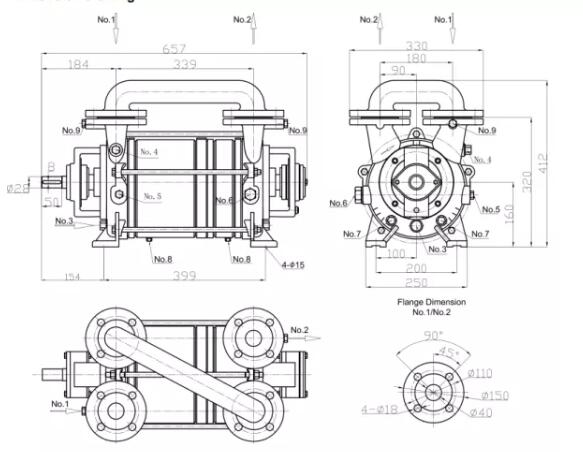
Credit: www.evpvacuum.com
Basics Of 2 Stage Vacuum Pumps
2 stage vacuum pumps are popular in many industries. They create a stronger vacuum than single stage pumps. This makes them ideal for tasks that need deeper vacuum levels.
These pumps work in two steps to remove air or gas from a sealed space. This two-step process improves efficiency and performance. Understanding how these pumps work helps in choosing the right type for your needs.
What Makes It Two Stage
A 2 stage vacuum pump has two chambers where air is pulled out. The first stage reduces the pressure a lot. Then, the second stage lowers it even more. This step-by-step vacuum creation is why it is called “two stage.”
Each stage has its own piston or rotor. These parts compress air in sequence. The result is a stronger vacuum than a single stage pump can make.
Key Components
Key parts include the inlet valve, pistons or rotors, and outlet valve. The inlet valve lets air in from the vacuum chamber. Pistons or rotors compress the air inside the pump. The outlet valve pushes the compressed air out.
Other important parts are the motor and oil system. The motor powers the pump. The oil helps cool and seal the moving parts.
How It Differs From Single Stage Pumps
Single stage pumps have only one chamber for air compression. They create less vacuum strength. 2 stage pumps create a deeper vacuum in two steps.
Two stage pumps also run cooler and last longer. The air is compressed in smaller amounts per stage. This reduces heat and wear on the pump parts.
These features make two stage pumps better for tougher vacuum tasks.
Working Mechanism
The working mechanism of a 2 stage vacuum pump involves two steps of compression. This design improves efficiency and creates a stronger vacuum. Each stage plays a key role in moving and compressing gases. The process helps the pump reach higher vacuum levels faster.
In a 2 stage pump, gas enters the first stage and is compressed. Then it moves to the second stage for further compression. Between these stages, the gas cools down, which helps the pump work better. This cooling happens with the help of intercoolers.
First Stage Compression
The first stage draws gas from the vacuum source. It compresses the gas to a medium pressure. This stage reduces the gas volume and raises its pressure. It handles most of the gas load in the pump. The gas then flows to the next stage for more compression.
Second Stage Compression
The second stage compresses the gas further. It pushes the gas to near atmospheric pressure. This stage works under higher pressure than the first stage. It ensures that the vacuum system maintains a strong pull. The compressed gas is then released safely outside the system.
Role Of Intercoolers
Intercoolers cool the gas between the two compression stages. Cooling lowers the gas temperature and pressure. This makes the second stage work more efficiently. It also protects the pump parts from overheating. Intercoolers improve the pump’s durability and energy use.
Efficiency Factors
Efficiency factors play a key role in the performance of a two stage vacuum pump. These factors affect how well the pump works and how much energy it uses. Understanding these elements helps in choosing the right pump and keeping it running smoothly.
Impact Of Two Stage Design
The two stage design boosts the pump’s ability to create a stronger vacuum. It uses two chambers to remove air in steps. This method improves the pump’s capacity to reach lower pressure levels. As a result, the pump runs more effectively in tougher conditions.
Each stage handles part of the air, reducing load on the motor. This leads to smoother operation and less wear. The design also helps in maintaining stable vacuum levels over time.
Energy Consumption
Two stage vacuum pumps consume energy based on their workload and design. Efficient models use less electricity by optimizing motor power. Running at the right speed and pressure lowers energy waste. Proper sizing of the pump also keeps power usage in check.
Energy costs drop when the pump operates without extra strain. Monitoring energy use helps find ways to improve efficiency further.
Maintenance Practices
Regular maintenance keeps the pump running efficiently. Cleaning filters and checking oil levels prevent damage. Worn parts can reduce vacuum strength and increase energy use. Timely replacement of seals and gaskets stops leaks.
Routine inspections help spot issues early. This avoids costly repairs and downtime. Good maintenance extends the pump’s lifespan and maintains its performance.
Credit: www.youtube.com
Applications Of 2 Stage Vacuum Pumps
2 Stage Vacuum Pumps have many uses across various fields. Their design allows for higher vacuum levels and better efficiency than single-stage pumps. This makes them ideal for tasks that need strong and reliable vacuum power. Below are some key areas where 2 Stage Vacuum Pumps play an important role.
Industrial Uses
Factories often use 2 Stage Vacuum Pumps to move gases and liquids. They help in packaging by removing air from packages. This keeps products fresh longer. These pumps also support drying processes by lowering pressure to speed up evaporation. In chemical plants, they help in distillation and filtration tasks.
Laboratory Settings
Scientists rely on 2 Stage Vacuum Pumps for experiments. They create controlled environments by removing air and gases. These pumps assist in processes like freeze-drying and vacuum filtration. They also help maintain clean and stable conditions for sensitive tests.
Specialized Fields
Medical equipment often uses 2 Stage Vacuum Pumps. They assist in suction devices and sterilization machines. In the automotive industry, these pumps help in brake systems and air conditioning. They are also used in electronics to remove air during manufacturing.
Troubleshooting And Optimization
Troubleshooting and optimization are key to keeping a 2 stage vacuum pump working well. Small problems can lower its power and shorten its life. Regular checks help find issues early. Fixing these quickly keeps the pump running strong and efficient.
Optimizing the pump means making small changes to get the best output. This saves energy and avoids breakdowns. Knowing common issues and how to fix them helps you maintain the pump easily.
Common Issues
One common issue is poor vacuum pressure. This often comes from worn seals or leaks in the system. Another problem is overheating, caused by too much load or blocked airflow. Noise and vibration can signal loose parts or damaged bearings. Oil contamination can also reduce pump efficiency and cause damage.
Performance Tips
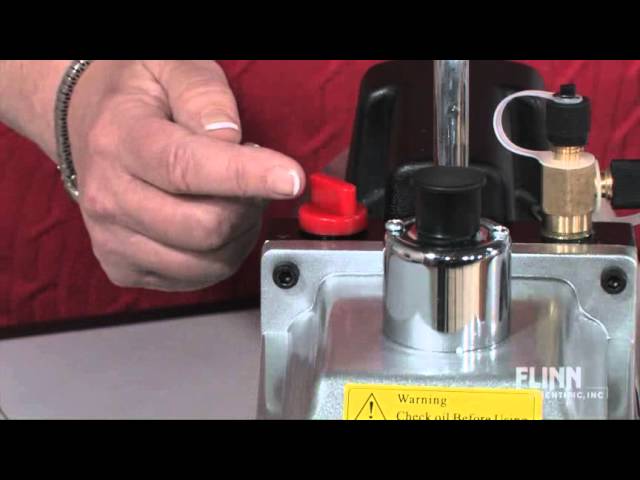
Keep the pump clean and dry. Check oil levels and change it as recommended. Tighten loose fittings and replace worn seals. Use the right oil type for your pump model. Avoid running the pump in dusty or humid places. Monitor the temperature to prevent overheating. Regularly inspect the pump for unusual sounds or vibrations.
Upgrading Components
Upgrading seals and gaskets can improve vacuum tightness. Higher quality oil filters protect the pump better. Installing a cooler helps control temperature in hot environments. Using vibration dampers reduces noise and wear. Consider upgrading to a motor with better efficiency. These changes extend pump life and boost performance.

Credit: digivac.com
Frequently Asked Questions
What Is A 2 Stage Vacuum Pump Used For?
A 2 stage vacuum pump removes air in two steps for better vacuum. It is used in HVAC, refrigeration, and scientific labs.
How Does A 2 Stage Vacuum Pump Work?
It pulls air in the first stage, then compresses and pulls again in the second. This creates a stronger vacuum than one stage.
Why Choose 2 Stage Over Single Stage Vacuum Pumps?
2 stage pumps reach lower pressure levels and run cooler. They are more efficient for tough vacuum jobs.
What Are The Main Parts Of A 2 Stage Vacuum Pump?
Key parts include the inlet, two chambers for pumping, valves, and an exhaust. These work together to move air out.
How To Maintain A 2 Stage Vacuum Pump?
Check oil levels often and change oil regularly. Clean filters and inspect for leaks to keep it working well.
Can A 2 Stage Vacuum Pump Handle Liquids?
Some models can handle small amounts of liquid, but too much can damage the pump. Use a trap to protect it.
What Vacuum Level Can A 2 Stage Vacuum Pump Reach?
It can reach vacuum pressures as low as 29. 9 inches of mercury (inHg). This is deeper than a single stage pump.
Conclusion
A 2 stage vacuum pump uses two chambers to remove air efficiently. It works by compressing air twice for better vacuum power. This design makes it suitable for many tasks needing strong suction. Understanding its simple steps helps in choosing the right pump.
Now you know how it works and why it matters. This knowledge can guide your decisions on vacuum pump use.