
If you work with piping systems, you’ve probably come across the terms “Air Release Valve” and “Air Vacuum Valve.” But do you really know the difference between the two? Choosing the right valve can make a big impact on how well your system performs and how long it lasts.
You’ll discover exactly what sets these valves apart, why each one matters, and how to decide which one fits your needs. Keep reading—understanding this simple difference could save you time, money, and headaches down the road.
Purpose Of Air Release Valves
Air release valves play a vital role in pipeline systems. They help remove trapped air that can cause problems. Air pockets reduce flow and increase pressure loss. These valves keep the system running smoothly and safely. They release small pockets of air without letting water escape.
Function In Pipelines
Air release valves let out air that builds up in pipelines. Air collects at high points and slows down water flow. The valve opens to release this trapped air automatically. It closes tightly to stop water from leaking out. This helps maintain steady pressure and flow rates. The valve works without any manual control.
Typical Applications
Air release valves are common in water supply and irrigation systems. They are used in sewage and wastewater pipelines too. These valves also protect long pipelines from air blockages. They help avoid water hammer and pipe bursts. Industries with fluid transport systems often rely on these valves for safety and efficiency.

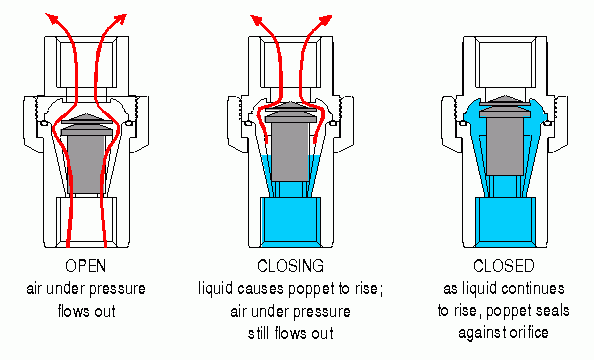
Credit: www.dezurik.com
Purpose Of Air Vacuum Valves
Air vacuum valves play a crucial role in pipeline systems. They help maintain smooth water flow by controlling air inside the pipes. These valves allow air to enter the pipeline during emptying or draining. This prevents vacuum conditions that can damage the pipes or slow down flow. They also release large amounts of air quickly during pipeline filling. This helps avoid air pockets that reduce efficiency.
Role During Pipeline Drainage
During pipeline drainage, air vacuum valves prevent a vacuum from forming. Vacuum pressure can cause pipe collapse or damage joints. The valve opens to let air enter as water leaves the pipe. This balances the pressure inside the pipeline. It ensures the pipe stays intact and water drains smoothly.
Common Use Cases
Air vacuum valves are common in water supply and irrigation systems. They are used in pipelines that fill or drain frequently. These valves protect long pipelines where air buildup happens often. They are also found in sewage and stormwater systems. Anywhere pressure changes happen, these valves help keep pipelines safe.
Design And Construction
The design and construction of air release valves and air vacuum valves differ to suit their unique functions. Both types manage air in pipelines but handle it in opposite ways. Understanding these differences helps in choosing the right valve for specific needs.
Structural Differences
Air release valves have a small vent to let trapped air escape slowly. They open only when air pressure builds up inside the pipeline. The valve body is compact and designed to release air without letting water leak out.
Air vacuum valves are larger and have a wide opening. They allow large volumes of air to enter quickly when the pipeline is emptying. This design prevents vacuum formation and pipe collapse. The valve closes tightly once air enters, stopping water from escaping.
Material Considerations
Both valves use durable materials to withstand pressure and corrosion. Common materials include cast iron, stainless steel, and brass. The choice depends on the fluid type, temperature, and pipeline conditions.
Air vacuum valves often require stronger materials due to larger sizes and higher stress. Air release valves, being smaller, can use lighter materials. Seals and internal parts usually use rubber or synthetic materials for better airtight performance.
Operating Principles
Understanding the operating principles of air release valves and air vacuum valves is key to knowing how they protect pipelines. Both valves handle air in pipelines but serve different functions. Their designs and actions allow pipelines to run smoothly without damage from trapped or rushing air. This section explains how each valve works.
How Air Release Valves Work
Air release valves let small pockets of air escape from pipelines. Air collects at high points in the pipe during filling or operation. The valve senses this trapped air and opens automatically. Air exits, preventing pressure buildup. Once the air is gone, the valve closes tightly. This keeps water from leaking out. The valve uses a float or a similar mechanism inside to detect air. It is simple but effective for releasing trapped air continuously.
Mechanism Of Air Vacuum Valves
Air vacuum valves prevent vacuum conditions inside pipelines. When a pipe empties quickly, it creates a vacuum that can damage the pipe. The valve opens to let air enter and balance the pressure. It seals again once the vacuum stops. This valve uses a mechanism that responds to pressure changes. It usually has a large orifice to allow air in fast. This stops the pipe from collapsing or deforming due to negative pressure.
Performance In Pipeline Systems
Performance in pipeline systems depends greatly on the type of air valve used. Air release valves and air vacuum valves both serve to control air in pipelines. They help maintain smooth operation and protect the system. Understanding their performance differences is key to choosing the right valve for your needs.
Impact On Efficiency
Air release valves remove small pockets of air during normal operation. This keeps water flow steady and reduces energy loss. Air vacuum valves allow large volumes of air to enter or exit quickly. This prevents vacuum conditions that can slow or damage the flow. Both valves improve efficiency but work best in different scenarios.
Pressure Management
Air release valves help maintain stable pressure by releasing trapped air. This avoids pressure build-up that can harm pipes. Air vacuum valves protect the system by allowing air in during negative pressure events. They prevent pipe collapse and reduce the risk of leaks. Effective pressure management depends on using the correct valve type for the pipeline.

Credit: www.flomatic.com
Installation And Maintenance
Installing and maintaining air release valves and air vacuum valves requires careful attention. Both valves serve different roles in a piping system. Proper installation improves valve performance and system safety. Regular maintenance keeps the valves working well and prevents costly repairs.
Placement Guidelines
Place air release valves at high points in pipelines. This allows trapped air to escape easily. Install air vacuum valves at points where air can enter during pipeline drainage. Ensure valves are accessible for inspection and repair. Follow manufacturer instructions for exact placement. Avoid locations exposed to harsh weather or debris.
Routine Maintenance Needs
Check valves regularly for leaks and damage. Clean valve seats to prevent blockages. Replace worn or damaged parts immediately. Test valve operation to ensure proper air release or intake. Lubricate moving parts as recommended. Keep maintenance records to track valve performance over time.
Cost And Lifespan Comparison
Comparing the cost and lifespan of air release valves and air vacuum valves helps in making smart choices. Both types serve different functions but share common factors affecting price and durability. Knowing these differences can save money and avoid frequent replacements.
Initial Investment
Air release valves usually cost less upfront than air vacuum valves. The design of air release valves is simpler, which lowers production costs. Air vacuum valves are more complex and often use stronger materials. This raises their initial price but suits more demanding systems. Budget plays a big role in picking the right valve.
Durability Factors
Material quality strongly affects valve lifespan. Valves made from stainless steel last longer than those made from plastic. Operating conditions also matter. High pressure or corrosive environments wear out valves faster. Maintenance frequency impacts how long valves work well. Air vacuum valves often need more care due to their complexity. Air release valves tend to have fewer parts that can fail.
Credit: plastomatic.com
Choosing The Right Valve
Choosing the right valve is key for system efficiency and safety. Both air release valves and air vacuum valves serve important roles but differ in function. Selecting the correct valve depends on the specific needs of your system. Understanding these differences helps prevent damage and improves performance.
Factors To Consider
Identify the type of air problem in your system. Air release valves remove small pockets of air during normal operation. Air vacuum valves allow air to enter during pipe drainage or vacuum conditions. Consider pressure levels and flow rates. Check valve size compatibility with your pipes. Material durability matters for harsh environments. Cost and maintenance requirements also influence the choice.
Application Scenarios
Use air release valves in pressurized pipelines to expel trapped air. They help maintain smooth water flow and reduce noise. Air vacuum valves fit systems prone to sudden emptying or negative pressure. These valves prevent pipe collapse by allowing air inside. Some systems need both valves for full air management. Choose valves based on specific tasks and system design.
Frequently Asked Questions
What Is The Main Function Of An Air Release Valve?
An air release valve removes trapped air from pipelines. This helps keep the system running smoothly and avoids air pockets.
How Does An Air Vacuum Valve Work In Pipelines?
An air vacuum valve lets air enter when a vacuum forms. It stops pipes from collapsing during sudden pressure drops.
Can Air Release Valves And Air Vacuum Valves Be Used Together?
Yes, they often work together in pipeline systems. One removes air, the other prevents vacuum damage.
What Are The Key Differences Between Air Release And Vacuum Valves?
Air release valves expel trapped air; vacuum valves allow air in to prevent negative pressure. Their roles protect pipelines differently.
Why Is Preventing Air Buildup Important In Water Systems?
Air buildup blocks water flow and reduces pressure. Removing air keeps water moving efficiently.
When Should An Air Vacuum Valve Be Installed?
Install it where rapid pipe drainage or pressure drops occur. It stops pipe collapse from vacuum pressure.
Are Air Release Valves Suitable For Gas Pipelines?
They are mainly for liquid pipelines to release trapped air. Gas pipelines may need different valve types.
Conclusion
Choosing between an air release valve and an air vacuum valve depends on your system’s needs. Air release valves let small air pockets escape during normal operation. Air vacuum valves protect pipes by letting air in during drainage or vacuum conditions.
Both help keep pipelines safe and efficient. Knowing their roles helps avoid damage and costly repairs. Use the right valve to ensure smooth water flow and prevent air-related problems. Simple but important for any piping system.