
If you’re managing a pool, you’ve probably wondered, “Does chlorine shock raise pH?” Keeping your pool water clean and balanced can feel tricky, especially when you’re trying to fix problems fast. Understanding how chlorine shock affects your water’s pH can save you time, money, and frustration.
You’ll discover exactly what happens to your pool’s pH after shocking it—and what you can do to keep your water safe and sparkling. Read on to take control of your pool chemistry like a pro.
What Is Chlorine Shock
Chlorine shock is a common pool treatment. It helps keep pool water clean and safe. This process uses a strong dose of chlorine to kill germs and algae. Chlorine shock clears cloudy water and removes unwanted chemicals. Understanding chlorine shock is key for proper pool care.
Purpose Of Chlorine Shock
The main goal of chlorine shock is to sanitize pool water quickly. It kills bacteria, viruses, and algae that regular chlorine might miss. Shocking also removes chloramines, which cause strong chlorine smell and eye irritation. This treatment restores water clarity and freshness. It helps maintain a healthy swimming environment.
Types Of Chlorine Shock
There are two main types of chlorine shock: calcium hypochlorite and sodium dichlor. Calcium hypochlorite is a strong, fast-acting shock. It raises the pool’s pH level slightly. Sodium dichlor is gentler and does not change pH as much. Both types dissolve quickly and work well for pool sanitation. Choose the type based on your pool’s needs and water chemistry.

Credit: www.amazon.com
How Chlorine Shock Affects Ph Levels
Chlorine shock is a common method to clean swimming pools. It kills bacteria and clears cloudy water. This process can change the water’s pH level. Understanding how chlorine shock affects pH helps keep pool water balanced and safe.
Pool water pH measures how acidic or basic the water is. pH levels affect chlorine’s effectiveness. When you add chlorine shock, chemical reactions can cause shifts in pH. These changes can be small or noticeable, depending on the product used and pool conditions.
Chemical Reactions Involved
Chlorine shock usually contains compounds like calcium hypochlorite or sodium dichlor. When added to water, these chemicals release chlorine. Chlorine reacts with water, forming hypochlorous acid and hypochlorite ions. These substances fight germs and algae.
Some chlorine shock types also release acids or bases. For example, sodium dichlor is slightly acidic. It can lower pH slightly. Calcium hypochlorite is more alkaline. It tends to raise pH. The exact effect depends on the chlorine product’s chemistry.
Immediate Ph Changes
Right after adding chlorine shock, pH can change quickly. Calcium hypochlorite often causes a pH increase. This happens because it adds alkaline compounds to the water. Sodium dichlor usually causes a slight pH drop at first.
Pool owners should test pH soon after shocking. This helps detect any quick shifts. Adjusting pH after shocking keeps water comfortable and chlorine effective. Regular pH checks prevent problems like skin irritation or cloudy water.
Factors Influencing Ph Changes
Several factors affect how chlorine shock impacts pool water pH. These factors determine whether the pH rises, stays steady, or even drops. Understanding these influences helps maintain balanced and safe pool water.
Water Chemistry
The natural chemistry of pool water shapes pH changes after adding chlorine shock. Alkalinity plays a key role in stabilizing pH levels. High alkalinity buffers the water, reducing pH swings. Low alkalinity allows pH to rise quickly. Temperature also matters. Warmer water speeds up chemical reactions, which can raise pH faster.
Type Of Chlorine Product
Different chlorine shock products affect pH in various ways. Calcium hypochlorite tends to increase pH significantly. It contains alkaline substances that raise pH. Sodium dichlor is closer to neutral and usually causes less pH change. Lithium hypochlorite also raises pH but less than calcium hypochlorite. Choosing the right product helps manage pH levels better.
Dosage And Application Method
The amount of chlorine shock added affects pH rise. Large doses cause bigger pH increases. Small, regular doses minimize pH swings. How the shock is applied matters too. Dissolving it in water before adding helps distribute chemicals evenly. Pouring directly can cause localized pH spikes. Proper dosing and mixing keep pH stable.
Managing Ph After Chlorine Shock
Managing pH after chlorine shock is key for pool health. Chlorine shock helps clear cloudy water and kill bacteria. But it often raises the pH level. High pH can cause cloudy water and reduce chlorine’s power. Balancing pH after shocking keeps your pool safe and clean.
Testing Ph Levels
Check pH levels after adding chlorine shock. Use a reliable pool test kit or strips. Test water in several spots for accuracy. Ideal pH should be between 7.2 and 7.6. High pH means you need to lower it soon. Low pH can cause corrosion and irritation. Regular testing helps keep pH in the right range.
Adjusting Ph Safely
Lower high pH by adding pH decreaser or muriatic acid. Add chemicals slowly and in small amounts. Stir water gently to mix well. Wait a few hours before retesting. Avoid large pH swings to protect pool surfaces and swimmers. Follow product instructions carefully for safety. Keep pH balanced to maintain clear, healthy water.
Common Misconceptions About Chlorine Shock And Ph
Many pool owners worry that chlorine shock always raises the pool’s pH. This idea comes from confusing different pool chemicals and their effects. Knowing the truth helps keep pool water balanced and safe. Clear facts about chlorine shock and pH can save time and money.
Some think chlorine shock is the same as regular chlorination, but they are different. Each affects the pool water differently. Understanding these differences helps manage pool care better.
Does Chlorine Shock Always Raise Ph?
Chlorine shock does not always raise pH. Some types of shock can increase pH, but others can lower or not change it at all. For example, calcium hypochlorite shock often raises pH because it contains alkaline materials. On the other hand, sodium dichlor shock usually lowers or keeps pH stable. The effect depends on the chemical used in the shock product.
Testing pH after shocking the pool is important. This step ensures water stays balanced. Adjust pH only if test results show a need.
Difference Between Chlorine Shock And Regular Chlorination
Chlorine shock is a strong dose of chlorine added to the pool quickly. It kills bacteria, algae, and clears cloudy water fast. Regular chlorination adds smaller amounts daily to keep chlorine levels steady.
Shock treats pool problems quickly. Regular chlorination keeps water clean over time. Both are important but used for different purposes.
Chlorine shock may change pH more than daily chlorination. Regular chlorination usually has little effect on pH. Knowing these differences helps maintain the right pool balance.

Credit: www.amazon.com
Best Practices For Using Chlorine Shock
Using chlorine shock correctly keeps your pool clean and safe. It helps remove bacteria and algae quickly. Follow best practices to get the best results without harming your pool or yourself.
Proper use also helps control the pool’s pH levels. This keeps the water clear and comfortable for swimmers. Careful timing and safety are key parts of using chlorine shock well.
Timing And Frequency
Shock your pool in the evening or late at night. Sunlight breaks down chlorine quickly. This reduces its effectiveness.
Shock the pool once a week during heavy use. More often if the water looks cloudy or green. Avoid shocking too often to protect pool surfaces.
Safety Precautions
Always wear gloves and goggles when handling chlorine shock. It can irritate skin and eyes. Work in a well-ventilated area to avoid breathing fumes.
Never mix chlorine shock with other chemicals. This can cause dangerous reactions. Store chemicals in a cool, dry place away from children and pets.
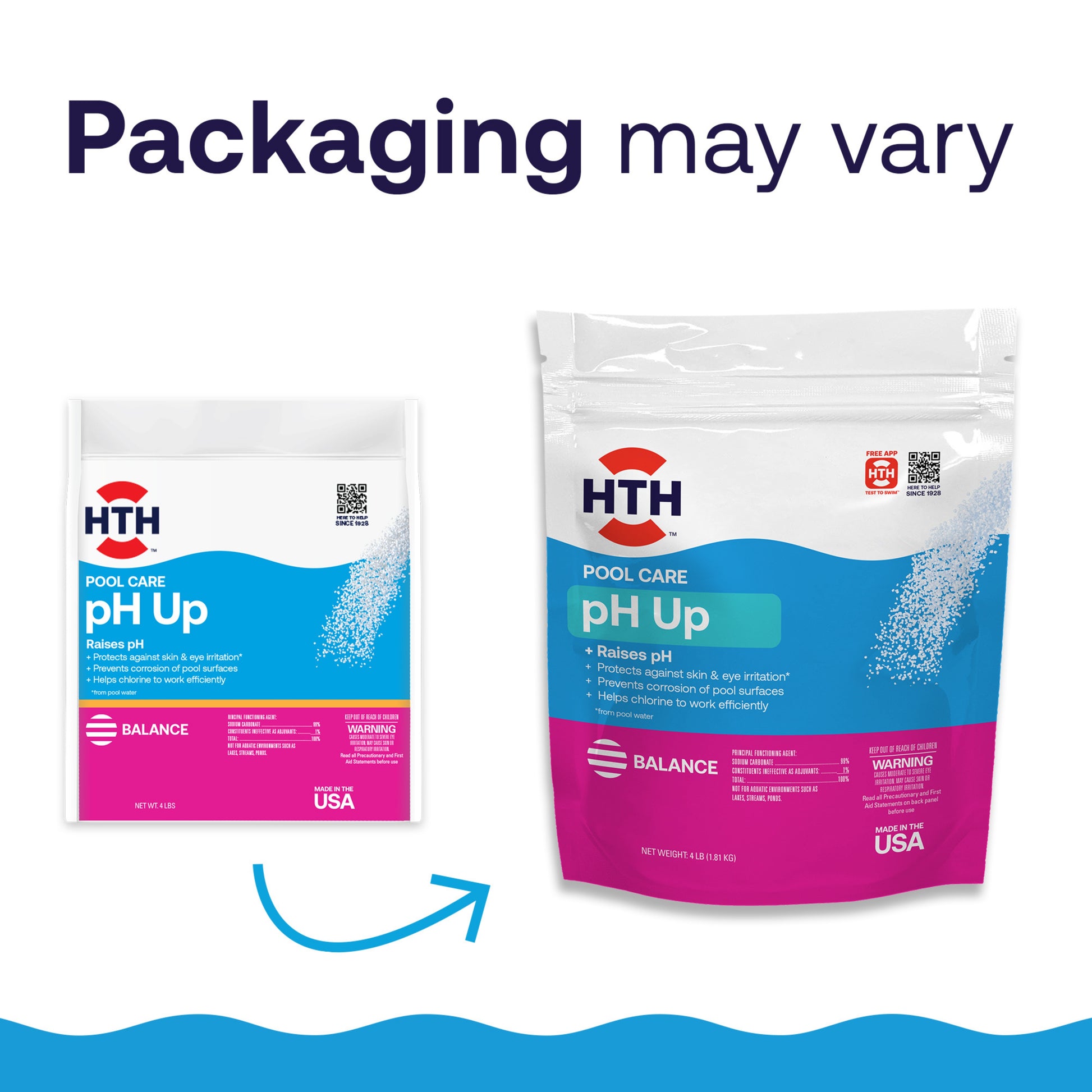
Credit: hthpools.com
Frequently Asked Questions
Does Chlorine Shock Increase Pool Ph Levels?
Chlorine shock can raise pool pH because many shock products are alkaline. This causes the water’s pH to rise temporarily. Testing and adjusting pH after shocking is important.
How Does Chlorine Shock Affect Pool Water Chemistry?
Chlorine shock raises free chlorine and often increases pH and alkalinity. This helps kill bacteria but may require pH balancing afterward. Monitoring water chemistry prevents problems.
Can High Ph From Chlorine Shock Harm My Pool?
High pH can cause cloudy water and reduce chlorine effectiveness. It may also irritate skin and eyes. Keeping pH between 7. 2 and 7. 8 is ideal.
What Is The Best Way To Lower Ph After Shocking?
Add a pH reducer, like muriatic acid or sodium bisulfate, to lower pH. Test water frequently to avoid overcorrection. Follow product instructions carefully.
How Soon Should I Test Ph After Chlorine Shock?
Test pH about 4 to 6 hours after shocking the pool. This allows chlorine and chemicals to mix well. Adjust pH if it’s outside the ideal range.
Does Chlorine Shock Affect Total Alkalinity In Pool Water?
Yes, chlorine shock can raise total alkalinity due to alkaline shock chemicals. High alkalinity makes pH harder to adjust. Balance alkalinity before correcting pH.
Is It Safe To Swim Right After Chlorine Shock Raises Ph?
No, wait until chlorine levels drop to safe limits and pH is balanced. This usually takes 8 to 24 hours. Swimming too soon can irritate skin and eyes.
Conclusion
Chlorine shock can cause a small rise in pool pH levels. Keeping pH balanced is important for clear, safe water. Test your pool water often after shocking. Adjust pH with proper chemicals if needed. This helps protect your pool equipment and swimmers.
Remember, careful maintenance keeps your pool healthy and enjoyable. Simple steps make a big difference in water quality. Stay aware and act quickly to avoid problems. Clean water means happy swimming all season long.