
Have you ever noticed a strange gas smell coming from the air vents in your house? It’s unsettling and can make you worry about your safety.
You might wonder where the smell is coming from and what it means for your home. Ignoring this warning could put you and your family at risk. You’ll learn what causes that gas odor, how to check if it’s dangerous, and what steps you should take right away.
Keep reading to protect your home and peace of mind.

Credit: diy.stackexchange.com
Common Causes Of Gas Smell Indoors
Gas smells inside your home are alarming and must not be ignored. Several factors can cause these odors to appear from your air vents. Identifying the source quickly helps keep your family safe and your home secure.
Understanding the common causes of gas smells indoors helps you act fast. Some causes are simple to fix while others need professional help. Below are typical reasons why gas smells come from air vents.
Gas Leak From Appliances
Gas appliances like stoves, ovens, and water heaters can leak gas. Worn-out seals or loose connections often cause these leaks. Even a small leak can fill your home with a gas smell. Check appliances regularly to avoid danger.
Faulty Furnace Or Heater
Your furnace or heater may develop cracks or broken parts. These faults let gas escape into the air ducts. Poor maintenance increases the risk of gas leaks. Service your heating system yearly to keep it safe and efficient.
Blocked Or Damaged Vents
Blocked vents stop fresh air from flowing and trap gas inside. Damage to vents may cause gas to leak into your rooms. Leaves, dust, or debris can block vent openings. Clean vents often and inspect them for damage.
Natural Gas Pipeline Issues
Gas pipelines running into your home might have leaks or damages. Corrosion, shifting soil, or poor installation cause pipeline issues. Leaking pipelines release gas into your house. Report any strong gas smell immediately for safety.
Dead Animals In Ducts
Sometimes, dead rodents or birds get stuck inside air ducts. Their decay produces bad odors that may smell like gas. This smell can confuse homeowners and hide real gas leaks. Inspect ducts if you notice strange smells but no gas leaks.

Credit: www.reddit.com
Health Risks Linked To Gas Smells
Gas smells from air vents can be more than just a nuisance. They can signal serious health risks. Gas leaks in your home expose you to harmful substances. These dangers require quick attention to keep your family safe.
Understanding the health risks linked to gas smells helps you act fast. Recognizing symptoms and knowing the dangers supports better safety decisions.
Symptoms Of Gas Exposure
Exposure to gas can cause headaches, dizziness, and nausea. Some people may feel weak or confused. Breathing problems and eye irritation are also common signs. These symptoms often worsen in poorly ventilated spaces.
Carbon Monoxide Dangers
Carbon monoxide is a deadly gas without smell or color. It comes from incomplete gas burning. This gas can build up silently in your home. High levels cause unconsciousness or even death quickly.
Long-term Effects
Long-term exposure to gas can harm your lungs and brain. It may cause memory loss and heart problems. Children and elderly people are more at risk. Preventing exposure helps protect your health for years.
How To Detect Gas Leaks
Detecting a gas leak in your home is crucial for safety. Gas leaks can be dangerous and need quick action. Knowing how to spot signs early can protect your family and property.
This section explains simple ways to detect gas leaks. Use your senses, tools, and expert help to stay safe.
Using Your Senses
Smell is the first sign of a gas leak. Natural gas has a strong, rotten egg odor added for easy detection. Listen for hissing sounds near vents or appliances. Feel for unusual drafts or damp spots. Watch for dead plants or discolored walls. These may signal a hidden leak.
Gas Leak Detectors
Gas detectors alert you to dangerous levels of gas. They are affordable and easy to install. Place detectors near kitchens, heaters, or gas meters. Many models beep loudly when gas is present. Some connect to your phone for instant alerts. Regularly check batteries and sensor function.
Professional Inspection Methods
Experts use special tools to find gas leaks precisely. They apply soapy water to pipes and watch for bubbles. Infrared cameras detect gas invisible to the eye. Professionals use gas analyzers to measure leak size. Schedule inspections yearly or after strong gas smells. Early detection by experts can prevent accidents.
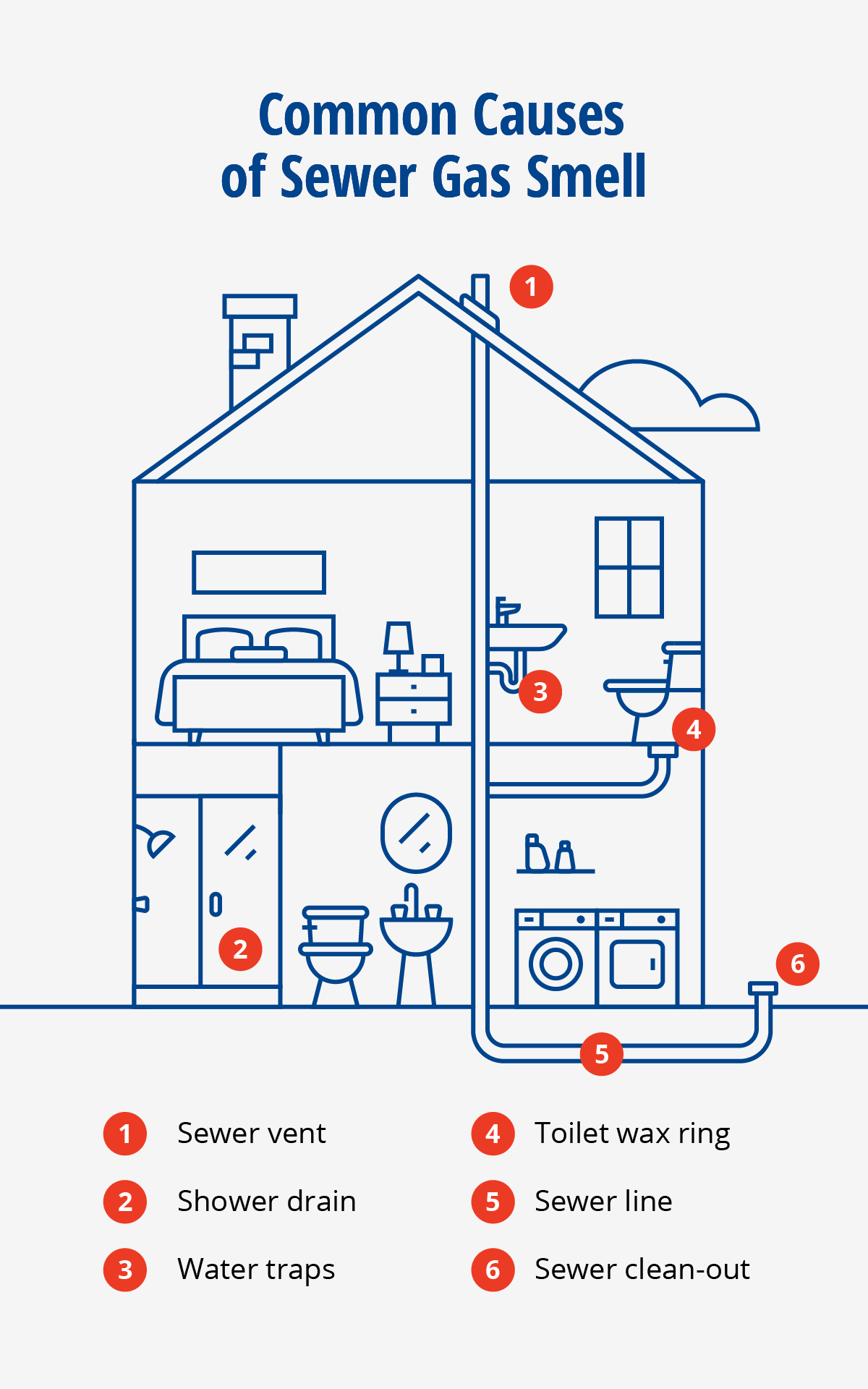
Credit: rainbowrestores.com
Immediate Actions To Take
Smelling gas from air vents is a serious warning sign. Acting fast can protect you and your family. Follow these steps immediately to stay safe and reduce danger.
Ventilate Your Home
Open all windows and doors wide. Let fresh air flow through every room. This helps clear the gas and lowers the risk of explosion. Avoid using fans or anything that might spark.
Shut Off Gas Supply
Locate your main gas valve. Turn it off to stop more gas from leaking. Usually, this valve is near your gas meter. Use a wrench if needed, but only if it’s safe to do so.
Evacuate Safely
Leave the house immediately. Take everyone with you, including pets. Do not use any electrical switches or phones inside. Move to a safe distance away from the building.
Contact Emergency Services
Call 911 or your local emergency number from outside. Tell them about the gas smell and your location. Follow their instructions without delay. Wait for professionals to check your home.
Preventing Gas Smells In The Future
Preventing gas smells in the future protects your home and family. It starts with simple habits and regular checks. Safe air quality depends on clean vents and well-maintained appliances. Taking early steps reduces risks and keeps your home fresh.
Regular Appliance Maintenance
Check gas appliances often. Look for leaks, cracks, or corrosion. Replace worn parts quickly. Clean burners and pilot lights regularly. Proper maintenance stops gas from escaping. It also helps appliances run better and last longer.
Inspecting And Cleaning Vents
Vents carry air and gas fumes outside. Blocked or dirty vents trap gases inside. Inspect vents every few months. Remove dust, dirt, and debris. Clear any obstructions to keep airflow smooth. Clean vents keep your home safe and fresh.
Installing Carbon Monoxide Alarms
Carbon monoxide is a silent, dangerous gas. Install alarms near sleeping areas. These alarms detect gas leaks fast. They warn you before gas builds up. Test alarms monthly and change batteries yearly. Alarms add an important safety layer.
Professional Hvac Servicing
Hire experts to service your heating and cooling system. Professionals find hidden leaks and fix them. They clean vents and check gas lines. Annual servicing keeps your system safe and efficient. Trust trained technicians for peace of mind.
When To Call A Professional
Noticing a gas smell from your air vents can be alarming. It signals a potential danger that needs quick attention. Knowing when to call a professional can protect your home and family. Taking action early can prevent accidents and costly repairs.
Signs You Need Expert Help
A strong gas odor near vents is a clear warning. Other signs include dizziness, headaches, or nausea inside your home. Hissing sounds near gas lines or vents also need immediate checking. If the smell returns after airing out your house, call a pro. Never ignore these signals as gas leaks can cause fires or explosions.
Choosing The Right Technician
Select a licensed and insured gas technician. Check their experience with HVAC and gas systems. Read reviews or ask neighbors for trusted recommendations. Confirm they follow safety standards and local regulations. A skilled technician will find the source quickly and fix it safely.
What To Expect During Repairs
The technician will first inspect your vents and gas lines. They use special tools to detect leaks or damage. Repairs might include sealing leaks or replacing faulty parts. They will test the system after repair to ensure safety. Expect the process to take a few hours depending on the problem.
Frequently Asked Questions
What Causes A Gas Smell From Air Vents In Houses?
A gas smell usually means a gas leak in your heating or cooking system. It can come from broken pipes or faulty appliances. This smell is a serious warning to check immediately.
Is A Gas Smell From Vents Dangerous For My Family?
Yes, it is very dangerous. Gas leaks can cause fires, explosions, or breathing problems. Leave the house and call emergency services right away if you smell gas.
How Can I Stop Gas Smell Coming From Air Vents?
Turn off the gas supply and ventilate your home by opening windows. Avoid using electrical devices or flames. Contact a licensed professional to find and fix the leak.
Can A Furnace Cause A Gas Smell In Air Vents?
Yes, a furnace with a gas leak or poor ventilation can cause the smell. Regular maintenance helps prevent leaks and keeps the furnace safe. Always schedule professional inspections yearly.
Why Does The Gas Smell Get Stronger When Heating Is On?
Heating systems push air through vents, spreading the gas smell faster. This indicates a leak in the heating system or gas lines. Turn off the system and get it checked immediately.
What Should I Do If I Smell Gas From My Air Vents?
Leave your home quickly without using switches or phones inside. Call the gas company or emergency services from a safe place. Do not try to fix the leak yourself.
How Can I Prevent Gas Smells From Air Vents In The Future?
Regularly inspect and maintain gas appliances and heating systems. Install carbon monoxide and gas detectors near vents and living areas. Promptly repair any signs of leaks or damage.
Conclusion
A gas smell from air vents signals a serious issue. Act fast to protect your home and family. Always check your gas appliances and vents regularly. Call a professional if you notice any unusual odors. Never ignore the smell, as it can be dangerous.
Safety should always come first in your house. Stay alert and keep your home safe from gas leaks.