
If you’ve ever wondered how to save money and resources by sharing one well between two houses, you’re in the right place. Running two houses off one well might sound complicated, but with the right steps, it can be simpler than you think.
Imagine cutting your water costs in half while still enjoying fresh, reliable water at both homes. You’ll discover practical tips and smart solutions to make this work smoothly. Keep reading to learn how you can set up a shared well system that meets your needs without headaches or high bills.
Credit: www.youtube.com
Benefits Of Sharing One Well
Sharing one well between two houses saves money on installation and maintenance. It also reduces water waste and helps conserve resources. This setup can be efficient for neighbors or family members living close to each other.
Using one well for two houses offers many advantages. It reduces costs and makes water use simpler. Sharing a well helps save water and protect the environment. Managing one water source is easier than handling two separate wells. These benefits make sharing a well a smart choice for neighbors or family members.
Cost Savings On Installation And Maintenance
Installing one well is cheaper than building two. The cost of drilling and equipment is shared. Maintenance fees are lower because there is only one system to service. Repairs and inspections take less time and money. Sharing a well helps keep water bills and expenses down.
Environmental Impact And Water Conservation
Using one well reduces the impact on groundwater. It helps protect the water table from overuse. Sharing water encourages careful use and less waste. Fewer wells mean less land disruption and damage to nature. This choice supports a healthier environment for everyone.
Simplified Property Management
One well means easier water management for both homes. It reduces the number of permits and paperwork needed. Monitoring water quality is simpler with one source. Coordinating repairs or upgrades is less complicated. This setup helps neighbors work together smoothly.
Assessing Well Capacity And Water Quality
Assessing well capacity and water quality is the first step to run two houses off one well. Knowing how much water the well can provide helps prevent shortages. Checking water quality ensures safety for all users.
Both factors are important to keep water flowing smoothly and safely. Poor planning can cause low water pressure or health risks. Careful assessment sets the foundation for a shared water system that works well.
Measuring Well Yield And Recharge Rate
Well yield is the amount of water the well can produce. It shows how much water flows out per minute or hour. This helps decide if the well can supply two homes.
Recharge rate is how fast the well refills with water. A fast recharge rate means the well recovers quickly. A slow recharge means water may run out if used too fast.
Measure both yield and recharge by hiring a well professional. They use special tools to test water flow and refill speed.
Testing Water Quality For Multiple Users
Water quality testing is vital for two households. Contaminants can harm health or damage plumbing. Testing ensures water is clean and safe.
Tests check for bacteria, chemicals, and minerals. Each home might have different needs or sensitivities. Testing for both users prevents problems later.
Test water at the well and at each home’s tap. This shows if water stays safe throughout the pipes.
Seasonal Variations And Their Effects
Water levels and quality can change with seasons. Droughts may lower water levels and reduce supply. Heavy rain can increase contaminants or cause cloudy water.
Know how seasons affect your well. Plan for lower water availability in dry months. Monitor water quality regularly to catch changes early.
Seasonal checks help maintain steady water flow and safety for both houses.
Legal And Regulatory Considerations
Running two houses off one well requires careful attention to legal rules. These rules protect water sources and ensure fair use. Understanding these laws helps avoid fines and conflicts. It also secures water access for both homes.
Each area has its own laws about sharing wells. Knowing these local rules is the first step. This section covers key legal points for well sharing.
Local Well Sharing Regulations
Local governments often regulate well sharing. They set limits on water use and sharing methods. Some places allow shared wells only with specific approval. Others have rules on distance between wells and homes. Check local laws before planning to share a well.
Water Rights And Usage Agreements
Water rights define who can use the well water. These rights may belong to one owner or shared owners. A usage agreement helps clarify each party’s water share. It prevents disputes over water use. Draft this agreement with clear terms on usage and costs.
Permits And Inspection Requirements
Permits are often needed to share a well legally. They ensure the well meets safety and health standards. Inspections may check water quality and system setup. Follow all permit rules and schedule inspections on time. This keeps your water safe and legal.
Credit: ihousehub.decorexpro.com
Designing A Shared Water System
Designing a shared water system is key to running two houses off one well. It requires careful planning to ensure both homes get enough water. A good system saves water and avoids damage. It also keeps water clean and safe to use.
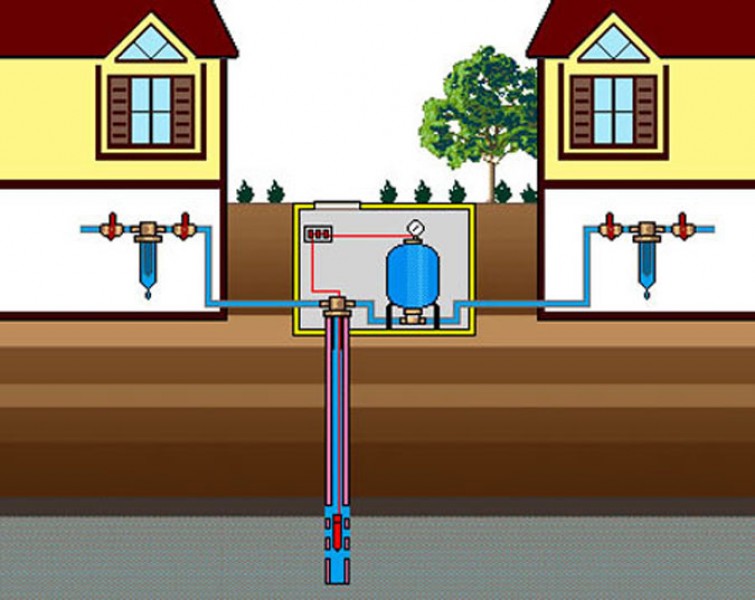
Think about how water will move from the well to each house. Plan the pipes, pressure, and storage. Each part must work well with the others. This design helps both homes use water without problems.
Types Of Distribution Systems
There are two main types of water distribution systems for shared wells. The first is a parallel system. Each house has its own pipe from the well. This keeps the water pressure steady for both homes.
The second is a series system. Water flows from one house to the next. This is cheaper but may lower water pressure in the second house. Choose the system based on water needs and budget.
Piping And Plumbing Layouts
Use durable pipes like PVC or copper. Lay pipes underground to avoid damage. Keep the pipe runs short to reduce pressure loss. Install shut-off valves for each house. This lets you fix one house without stopping water to the other.
Plan the plumbing so both houses get water at the same time. Avoid cross-connections to stop water contamination. Label pipes clearly for easy maintenance.
Pressure Management And Water Storage
Water pressure must stay steady for both homes. Use pressure tanks to balance pressure changes. Install pressure regulators if needed. This protects pipes and appliances from damage.
Add a storage tank to hold extra water. It helps when many people use water at once. Store enough water for daily needs and emergencies. Keep tanks clean to avoid bacteria growth.
Installing Backflow Prevention And Filtration
Installing backflow prevention and filtration is essential for using one well for two houses. It keeps the water safe and clean for both homes. These systems stop dirty water from flowing back into the well. They also remove harmful particles and bacteria. Proper installation helps protect health and maintain water quality.
Preventing Cross-contamination
Backflow prevention devices stop water from flowing backward. This avoids mixing clean water with dirty water. Without this device, water from one house can contaminate the other’s supply. Installing a check valve or backflow preventer on each line is important. This creates a safe barrier between the two water lines.
Water Filtration Options For Safety
Filters remove dirt, chlorine, and bacteria from the water. Common filters include sediment filters, carbon filters, and UV purifiers. Sediment filters catch particles like sand and rust. Carbon filters remove odors and chemicals. UV purifiers kill harmful germs without adding chemicals. Choosing the right filter depends on water quality tests.
Maintaining System Hygiene
Regular cleaning keeps the backflow and filtration systems working well. Replace filters according to the manufacturer’s schedule. Check valves and pipes for leaks or damage often. Flush the system yearly to remove buildup. Proper maintenance ensures safe and clean water for both houses.
Water Conservation Techniques
Running two houses on one well means using water wisely. Water conservation helps stretch the water supply. It also keeps the well from running dry. Using smart water-saving methods can make a big difference. These techniques reduce waste and lower water bills.
Low-flow Fixtures And Appliances
Low-flow fixtures use less water without losing pressure. Install low-flow showerheads, faucets, and toilets. These save gallons of water every day. Modern appliances like dishwashers and washing machines use less water too. Choose Energy Star-rated models for the best savings. Small changes add up fast.
Rainwater Harvesting Integration
Collect rainwater to reduce well water use. Set up rain barrels or storage tanks outside. Use this water for irrigation and outdoor cleaning. Rainwater is free and plentiful during storms. This method lessens the demand on your well. It also helps plants grow healthy and green.
Regular Maintenance To Prevent Leaks
Leaks waste a lot of water. Check pipes, faucets, and toilets often. Fix drips and leaks immediately. Even small leaks can waste hundreds of gallons monthly. Keep the well system in good shape. Regular care means less water loss and fewer repairs.
Monitoring And Maintaining The System
Keeping a single well running smoothly for two houses needs regular care and attention. Monitoring and maintaining the system helps prevent problems and keeps water flowing. Small efforts can save big costs later.
Routine Inspections And Testing
Check the well system every month. Look for leaks, strange sounds, or pressure drops. Test water quality twice a year to catch contamination early. Keep records of inspections and test results. This helps track changes over time.
Troubleshooting Common Issues
Low water pressure may mean a clogged pipe or pump issue. Air in the pipes can cause sputtering taps. Strange noises often signal worn parts. Address small problems quickly to avoid system failure. Follow simple guides for fixes or call a professional if unsure.
Scheduling Professional Servicing
Hire a well expert once a year for full system checks. They inspect pumps, tanks, and electrical parts. Professionals clean and repair hard-to-reach components. Regular servicing extends well life and improves safety. Set reminders to book appointments on time.

Credit: www.doityourself.com
Cost Breakdown And Budgeting Tips
Running two houses off one well requires careful budgeting. Knowing the costs helps you plan better. This section breaks down expenses and offers saving tips. It covers setup, maintenance, and ways to save over time.
Initial Setup Costs
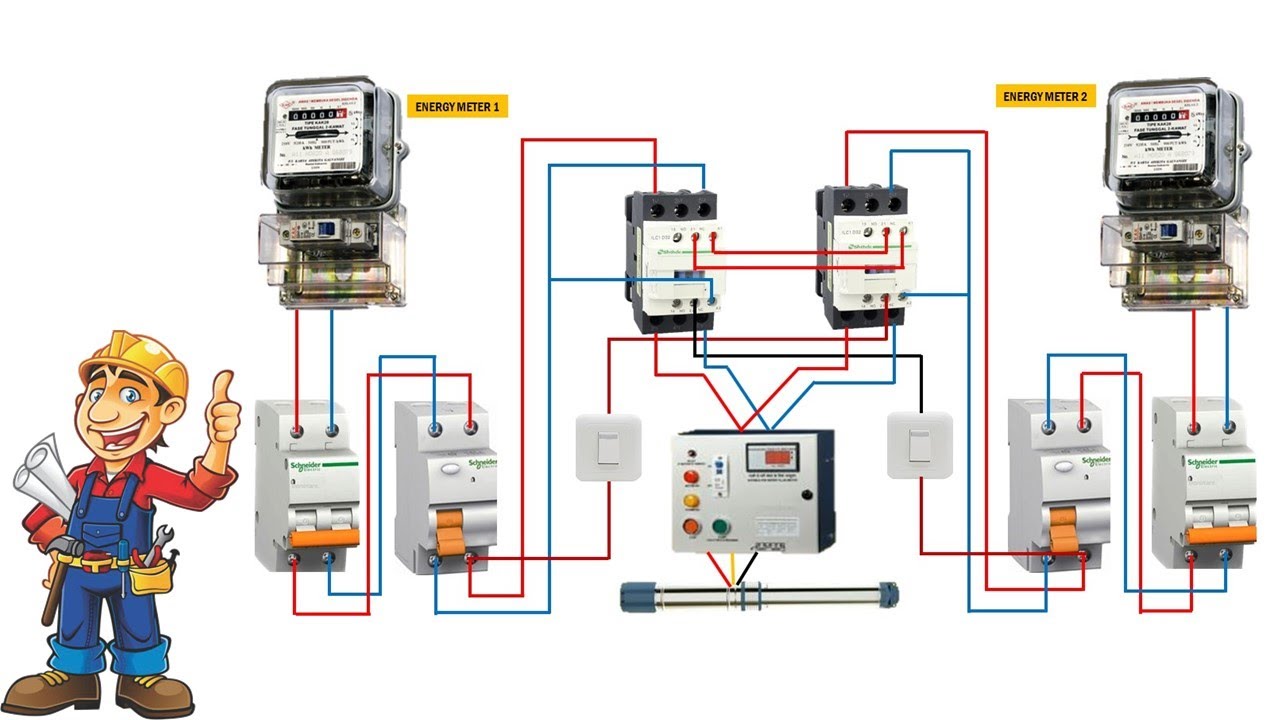
Setting up a well for two homes needs a bigger pump and pipes. Drilling the well can cost $3,000 to $15,000 depending on depth. Pipes and fittings add $1,000 to $3,000 more. You may need a pressure tank for each house. Electrical wiring and control panels also add to the cost. Expect total setup costs around $5,000 to $20,000.
Ongoing Maintenance Expenses
Wells need yearly inspections to check water quality and pump function. Pump repairs or replacement might cost $500 to $2,000. Water filters and softeners need regular upkeep. Electricity to run the pump can add $20 to $50 monthly. Budget $300 to $600 annually for maintenance and utilities. Regular care extends well life and prevents costly fixes.
Saving Strategies For Long-term Use
Use water-efficient fixtures in both houses. Fix leaks quickly to avoid waste. Install timers or sensors on irrigation systems. Sharing maintenance costs with neighbors lowers expenses. Check well water quality twice a year. Plan a maintenance schedule to avoid surprises. These tips keep costs low and your well running smoothly.
Frequently Asked Questions
How Can Two Houses Share Water From One Well?
Two houses can share water by installing a split system from one well. A pressure tank and pump help maintain steady water flow. Proper plumbing ensures equal water access for both homes.
What Equipment Is Needed To Run Two Houses Off One Well?
Key equipment includes a submersible pump, pressure tanks, and a dual water meter. A pressure switch controls water flow automatically. Quality pipes and valves are essential for safe water delivery.
Is It Cost-effective To Use One Well For Two Homes?
Using one well for two homes saves drilling and maintenance costs. Shared expenses reduce overall water system costs. It is often cheaper than drilling separate wells.
How Do You Maintain Water Quality For Two Homes On One Well?
Regular testing and cleaning keep water safe for both homes. Installing water filters helps remove impurities. Maintenance prevents contamination and ensures fresh water supply.
Can Water Pressure Be A Problem When Sharing One Well?
Water pressure can drop if both homes use water at once. A larger pump and bigger pressure tanks help maintain pressure. Proper system design avoids low water pressure issues.
Are Permits Needed To Share One Well Between Two Houses?
Local laws often require permits for shared well systems. Check with local water authorities before installation. Permits ensure the system meets health and safety rules.
How To Avoid Water Shortages With Two Houses On One Well?
Install a larger pump and pressure tanks to increase capacity. Use water-saving fixtures to reduce demand. Communication between households helps manage water usage efficiently.
Conclusion
Sharing one well between two houses can save water and money. Plan carefully to avoid low pressure or water shortage. Use good pipes and valves to control water flow. Regularly check the system to catch leaks early. Keep both homes’ water needs in mind.
With proper setup and care, this approach works well. Simple steps can make your water system reliable and efficient. A little effort today prevents big problems tomorrow.