
When it comes to choosing the right material for your drain pipes, you might find yourself stuck between ABS and PVC. Both are popular options, but which one really fits your needs?
The decision you make now can affect your plumbing’s durability, cost, and even how easy it is to install. If you want to avoid costly mistakes and get the best performance from your plumbing system, it’s crucial to understand the key differences between ABS and PVC pipes.
Keep reading, and by the end, you’ll know exactly which option is best for your project.
Material Composition
Material composition plays a key role in choosing the right drain pipe. It affects durability, flexibility, and resistance to chemicals. Understanding the chemical makeup helps to know the strengths and weaknesses of each material.
ABS and PVC are both popular for drain pipes. Each is made from different chemicals. These differences affect their performance in plumbing systems.
Chemical Makeup Of Abs
ABS stands for Acrylonitrile Butadiene Styrene. It is a thermoplastic polymer. ABS combines three main chemicals: acrylonitrile, butadiene, and styrene. Acrylonitrile gives resistance to heat and chemicals. Butadiene adds toughness and impact resistance. Styrene contributes to rigidity and strength. This mix creates a strong and durable pipe material. ABS pipes are black and rigid. They handle cold and hot water well. Their chemical makeup makes them resistant to physical damage.
Chemical Makeup Of Pvc
PVC means Polyvinyl Chloride. It is also a thermoplastic material. PVC is made mostly from vinyl chloride monomers. These monomers create a rigid plastic that is lightweight. PVC pipes are white or light gray. They resist corrosion and chemical damage. PVC is less flexible than ABS. It performs well in both cold and warm water systems. Its chemical structure makes it less prone to cracking under pressure.

Credit: www.extruder.dekuma.com
Durability And Strength
Durability and strength are key factors when choosing drain pipes. These qualities affect how long the pipes last and how well they handle pressure. Both ABS and PVC pipes have unique features in these areas. Understanding their differences helps in selecting the best pipe for your needs.
Impact Resistance
ABS pipes have excellent impact resistance. They can handle rough treatment without cracking. This makes them ideal for underground use or places with heavy foot traffic. PVC pipes are sturdy but more brittle than ABS. They may crack under strong impact or sudden force. ABS is generally better for situations where pipes might get hit.
Temperature Tolerance
ABS pipes tolerate higher temperatures than PVC pipes. They work well in warm environments and can handle hot water drainage. PVC pipes soften and may deform at temperatures above 140°F. ABS pipes resist heat better and maintain their shape. This makes ABS a safer choice for hot water systems or areas with temperature changes.
Installation Process
The installation process of drain pipes plays a vital role in plumbing projects. Choosing between ABS and PVC pipes depends on the ease and method of installation. Both materials have unique features that affect how they are joined and handled on site.
Joining Methods
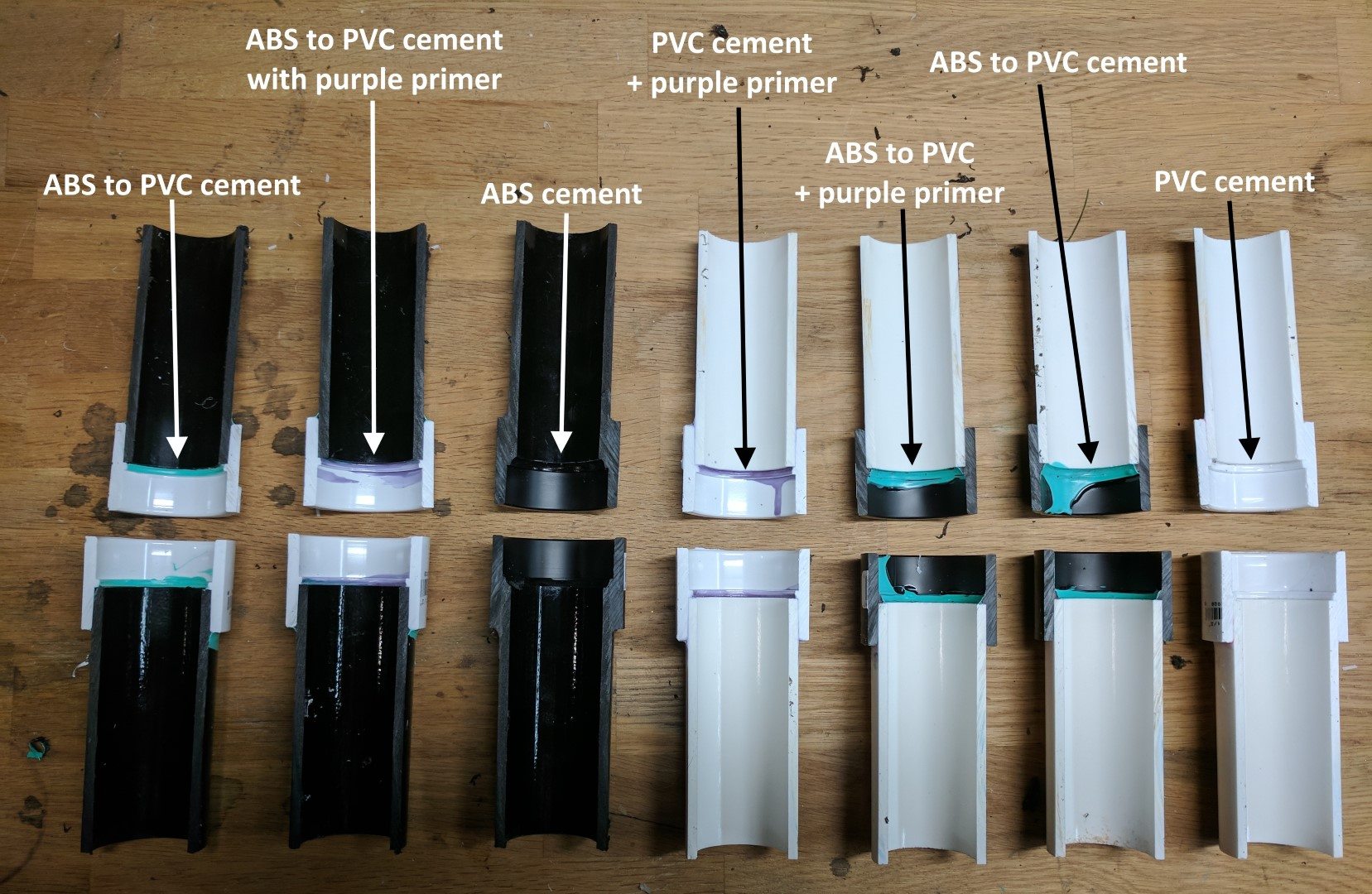
ABS pipes are usually joined with special cement that melts the pipe surface. This creates a strong, permanent bond once it hardens. The process requires clean surfaces and proper drying time.
PVC pipes use solvent cement as well, but some also rely on threaded or gasketed fittings. These options allow for easier disassembly if needed. Both materials need careful alignment to avoid leaks.
Ease Of Handling
ABS pipes are lighter and more flexible, making them easier to carry and fit in tight spaces. Their dark color also helps spot any damage before installation.
PVC pipes are stiffer but still lightweight. They resist dents and scratches better, which reduces damage during transport. The white color helps detect dirt and debris during installation.
Credit: www.familyhandyman.com
Cost Comparison
Comparing the costs of ABS and PVC pipes is essential before choosing the right drain pipe. The price affects both the initial purchase and long-term expenses. Understanding these costs helps you make a smart decision for your plumbing needs.
Initial Material Cost
ABS pipes generally cost more than PVC pipes. PVC is made from cheaper raw materials. This makes PVC more budget-friendly for large projects. ABS has a tough structure but comes with a higher price tag. The cost difference varies by region and supplier. PVC remains the popular choice for cost-conscious buyers.
Long-term Maintenance
ABS pipes tend to resist impacts better, lowering repair costs. PVC pipes are durable but may crack in cold temperatures. Repairing cracked PVC can increase maintenance expenses. Both materials require periodic checks to avoid clogs or leaks. Overall, ABS might save money over time due to fewer repairs. Yet, PVC’s wide availability keeps its maintenance cost reasonable.
Environmental Impact
Choosing between ABS and PVC drain pipes involves thinking about their environmental impact. This factor matters because these materials affect the planet during production, use, and disposal. Understanding how each pipe type impacts the environment helps make smarter choices for homes and businesses.
Recyclability
ABS pipes are harder to recycle than PVC pipes. ABS is less common in recycling programs. It often ends up in landfills. PVC pipes, on the other hand, have better recycling options. Many recycling centers accept PVC. Recycling PVC reduces waste and saves resources. Still, both materials are mostly plastic, which can harm nature if not managed well.
Chemical Emissions
ABS pipes release fewer chemicals during production. They do not contain chlorine. PVC pipes contain chlorine, which can create harmful chemicals when produced or burned. Burning PVC releases toxic gases that pollute air. Both pipes are safe for water use, but their production impacts air quality differently. Choosing materials with lower emissions helps reduce pollution.
Code Compliance And Standards
Choosing the right drain pipe means understanding code compliance and standards. These rules ensure safety and proper function. Both ABS and PVC pipes must meet certain codes. These codes vary by location but share common goals: durability, safety, and environmental protection.
Regional Building Codes
Building codes differ by state and city. Some areas prefer ABS pipes for their strength and heat resistance. Others favor PVC for its cost and ease of installation. Local codes specify which pipe types are allowed. Inspectors check these standards during installation. Following these rules avoids fines and costly rework. Always check with local authorities before buying pipes.
Industry Certifications
Industry certifications prove pipe quality and safety. Look for pipes tested by organizations like ASTM or NSF. These certifications confirm the pipe’s material and performance. ABS and PVC pipes often carry these marks. Certified pipes reduce risk of leaks and damage. Using certified pipes helps pass inspections smoothly. Choose pipes with clear certification labels for peace of mind.
Common Applications
ABS and PVC pipes both serve important roles in drainage systems. Each type fits specific needs and settings. Understanding where each pipe is best used helps in choosing the right one for your project.
Drain pipes carry wastewater away from sinks, toilets, and appliances. The material you select affects durability, cost, and installation ease. Below are common uses for ABS and PVC pipes in different environments.
Residential Uses
ABS pipes are popular in homes for drain, waste, and vent lines. Their flexibility helps in tight spaces. ABS also resists impact better, reducing cracks during installation.
PVC pipes are common for residential water drainage. They handle cold water well and resist chemicals. PVC is lighter, making it easier to cut and join for DIY projects.
Both types work well under sinks, in bathrooms, and for outdoor drainage. Local building codes sometimes prefer one over the other. Checking these rules ensures your system is safe and approved.
Commercial Uses
In commercial buildings, durability and code compliance matter most. ABS pipes suit heavy-duty applications where impact resistance is crucial. They perform well in industrial settings with rough handling.
PVC pipes dominate commercial plumbing for their chemical resistance and strength. They handle higher water pressure and temperature changes. PVC’s smooth interior reduces clogs and improves flow.
Both materials support large-scale drainage systems in offices, stores, and factories. Choosing the right pipe depends on specific site conditions and regulations. Proper selection extends the system’s lifespan and reduces maintenance.

Credit: gmco.ca
Troubleshooting And Repairs
Troubleshooting and repairing drain pipes is important for a smooth plumbing system. Both ABS and PVC pipes can face common problems. Fixing these issues quickly saves water damage and costly repairs. Understanding typical problems and repair methods helps maintain your drainage system effectively.
Common Issues
Cracks and leaks often occur in ABS and PVC pipes. These can cause water to seep out slowly or gush suddenly. Clogs block water flow. Hair, grease, and debris usually cause clogs. Pipes can also loosen at joints. This leads to leaks and poor drainage. Harsh weather can damage pipes, causing brittleness or warping. Identifying the problem early prevents bigger damage.
Repair Techniques
Small cracks can be sealed with waterproof tape or epoxy putty. For leaks at joints, replacing the seal or tightening fittings works well. Clearing clogs needs a plunger or a drain snake. Chemical cleaners work but use them sparingly to avoid pipe damage. Large cracks or breaks require pipe replacement. Cut out the damaged section and fit a new pipe piece. Use primer and cement for PVC, and special solvent for ABS. Always turn off water before repairs. Testing the repair ensures no leaks remain.
Frequently Asked Questions
What Is The Main Difference Between Abs And Pvc Pipes?
ABS pipes are black and more rigid, while PVC pipes are white and slightly flexible. ABS is better for colder climates, and PVC works well in warmer areas.
Which Pipe Is Better For Drain Pipe Installation?
PVC is often preferred for drain pipes due to its durability and chemical resistance. ABS is strong but can become brittle in sunlight over time.
Are Abs And Pvc Pipes Compatible For Drainage Systems?
ABS and PVC pipes generally cannot be joined directly without special adapters. Each material requires its own fittings for proper sealing.
How Does Temperature Affect Abs Vs Pvc Drain Pipes?
ABS pipes handle cold temperatures better without cracking. PVC pipes perform well in heat but may get brittle in extreme cold.
Is Pvc Or Abs More Cost-effective For Drainage?
PVC pipes usually cost less and are widely available. ABS pipes can be pricier but offer better impact resistance.
Can I Use Abs Or Pvc Pipes For Underground Drainage?
Both ABS and PVC pipes are suitable for underground use if installed correctly. PVC is more common due to its resistance to soil chemicals.
Which Pipe Material Is Easier To Install, Abs Or Pvc?
PVC pipes are lighter and easier to cut, making installation simpler. ABS pipes require special solvent cement and careful handling.
Conclusion
Both ABS and PVC pipes have strengths for drain systems. ABS is strong and handles cold well. PVC is lighter and resists chemicals better. Choose based on your budget and local codes. Think about where the pipe will go and the climate.
Either option can work if installed right. Simple care helps pipes last longer. Consider what fits your project needs best. The right pipe keeps your drain flowing smoothly.