
Are you tired of your old Roman tub taking up space and making your bathroom feel cramped? Converting your Roman tub to a shower could be the perfect way to add convenience and modern style to your space.
Imagine stepping into a sleek, easy-to-use shower that fits your daily routine better and saves you time. You’ll discover simple steps and smart tips to transform your bathroom without hassle. Keep reading to find out how you can turn your Roman tub into a shower that suits your lifestyle perfectly.
Preparing Your Bathroom
Preparing your bathroom is the first step in converting a Roman tub to a shower. Careful preparation ensures a smooth and safe renovation. It helps avoid costly mistakes and delays. Focus on three main areas: space, tools, and plumbing. Each one plays a key role in the project’s success.
Assessing Space And Layout
Measure your bathroom carefully. Note the size of the existing Roman tub. Check the available wall space for the shower enclosure. Consider door openings and clearance for movement. Think about the showerhead height and placement. Plan for storage like shelves or niches. Confirm that the layout suits your daily needs.
Gathering Necessary Tools And Materials
Collect all tools before starting the work. You will need a wrench, screwdriver, saw, and drill. Buy materials such as a shower pan, tiles, grout, and waterproof membranes. Don’t forget shower doors or curtains. Prepare plumbing fittings and a new showerhead. Having everything ready saves time and stress.
Checking Plumbing And Drainage
Inspect the current plumbing system closely. The Roman tub drain may not fit a shower drain. Verify water supply lines for hot and cold water. Ensure the pipes can handle a shower valve. Look for leaks or corrosion in plumbing. Fix any issues before installing the new shower. Proper drainage prevents water damage and mold.
Removing The Roman Tub
Removing the Roman tub is the first big step in converting it to a shower. The process needs care and attention. Each part must be handled safely to avoid damage or leaks. Follow clear steps to make this task smooth and safe.
Turning Off Water Supply
Start by shutting off the water supply. Find the main water valve or local shutoff valve for the bathroom. Turn it off completely. This stops water flow and prevents flooding. Double-check by opening the tub faucet to see no water comes out.
Disconnecting Fixtures
Next, remove the tub fixtures. This includes the faucet, handles, and spout. Use a wrench to loosen connections carefully. Keep a bucket handy to catch any leftover water. Label or store fixtures if you plan to reuse them later.
Safely Removing The Tub
Now, remove the tub itself. Clear the area around the tub. Check for screws or nails holding it in place. Use a pry bar to loosen edges gently. Lift the tub out with help to avoid injury. Dispose of the old tub properly after removal.
Installing The Shower Base
Installing the shower base is a key step when converting a Roman tub to a shower. The base supports the entire shower and stops water from leaking. Proper installation means a strong, safe shower floor that lasts for years.
This process needs careful attention to detail. Each step matters for a smooth, level, and waterproof base. The right base makes cleaning easier and improves shower comfort.
Choosing The Right Shower Pan
Pick a shower pan that fits your space perfectly. Measure the old tub area before buying. Materials like acrylic or fiberglass are common and easy to clean. Check the pan’s height and shape to avoid plumbing issues. A shallow pan can make getting in and out easier. Choose a pan with a non-slip surface for safety.
Leveling And Securing The Base
Start by cleaning the floor where the base will go. Use a level to check if the floor is flat. Add a thin layer of mortar if the floor is uneven. This helps keep the shower pan steady. Place the pan and press it into the mortar. Secure the pan with screws or clips as per instructions. Double-check with the level to ensure it sits perfectly flat.
Sealing And Waterproofing
Seal all edges between the shower pan and walls with waterproof caulk. This stops water from seeping into gaps. Cover the floor around the pan with a waterproof membrane. Use waterproof tape on all seams for extra protection. Let the sealant dry fully before using the shower. Proper sealing avoids mold and water damage in the future.
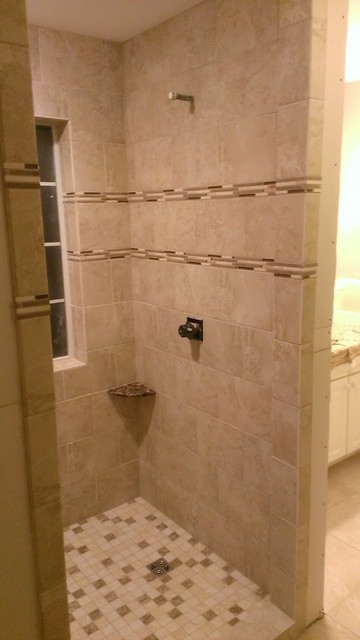
Credit: www.houzz.com
Setting Up Shower Walls
Setting up shower walls is a key step in converting a Roman tub to a shower. Good walls stop water from damaging your home. They also create a nice, clean look. Follow each step carefully for strong, lasting walls.
Selecting Wall Materials
Choose materials that resist water and mold. Popular options include ceramic tiles, acrylic panels, and waterproof drywall. Each has pros and cons for cost and upkeep. Pick the one that fits your style and budget.
Installing Backer Board
Backer board goes behind the wall surface. It supports tiles or panels and keeps water out. Cut the board to fit your shower space. Attach it firmly to the wall studs with screws made for wet areas.
Applying Waterproof Membrane
Spread a waterproof membrane over the backer board. This layer stops water from seeping into the walls. Use a brush or roller to cover every corner and joint. Let it dry fully before moving on.
Tiling Or Panel Installation
Place tiles or panels on the prepared walls. Use thin-set mortar or adhesive for tiles. Press each tile firmly and check for even spacing. For panels, follow the manufacturer’s instructions. Seal the edges with waterproof caulk to finish.
Plumbing And Fixtures
Converting a Roman tub to a shower requires careful attention to plumbing and fixtures. This step ensures the shower works well and looks good. Proper installation avoids leaks and water problems. The right fixtures add comfort and style to your new shower space.
Installing Shower Valve And Controls
Start with the shower valve. It controls water flow and temperature. Choose a valve that fits your plumbing system. Turn off the water supply before installation. Connect the valve to the existing pipes securely. Make sure the controls are easy to reach. Test the valve for leaks before closing the wall.
Fitting Showerhead And Accessories
Select a showerhead that suits your needs. Attach it firmly to the water outlet pipe. Use plumber’s tape to prevent leaks. Add accessories like soap holders or grab bars. Place these items within easy reach. Check that all fittings are tight and stable.
Testing Water Flow And Temperature
Turn the water supply back on. Test the water flow from the showerhead. Adjust the valve to check temperature control. Ensure water temperature changes smoothly. Look for any drips or leaks around fittings. Fix any issues before finishing the wall surface.
Finishing Touches
Adding the final details transforms your Roman tub conversion into a fully functional shower space. These finishing touches make the shower both practical and attractive. They protect your bathroom from water damage and add style. Follow these steps to complete your shower upgrade with care.
Adding Shower Doors Or Curtains
Choose between glass doors and shower curtains. Glass doors offer a sleek, modern look. They keep water inside and make the space feel larger. Shower curtains are easier to install and change. Pick a curtain with water-resistant fabric to keep your bathroom dry. Measure carefully to ensure a proper fit for doors or curtains.
Sealing Edges And Joints
Seal all edges and joints with waterproof caulk. This prevents water from leaking and causing damage. Use a caulk designed for bathrooms. Apply it evenly along seams, corners, and around fixtures. Smooth the caulk with a wet finger or tool. Let it dry fully before using the shower. Good sealing extends your shower’s life and keeps it clean.
Cleaning And Maintenance Tips
Clean your new shower regularly to avoid mold and grime. Use mild, non-abrasive cleaners to protect surfaces. Wipe down glass doors or curtains after each use. Check caulk lines for cracks or gaps over time. Replace or repair damaged seals quickly. Regular care keeps your shower fresh and working well for years.
Common Challenges And Solutions
Converting a Roman tub to a shower involves several challenges. Each challenge needs careful attention to avoid costly mistakes. Understanding these common issues helps you plan better and get good results.
Dealing With Limited Space
Roman tubs are often large but oddly shaped. This can make fitting a shower tricky. You may need to remove walls or rearrange fixtures. Choosing a compact shower design helps save space. Sliding doors or curtains work well in tight areas.
Addressing Plumbing Complications
Roman tubs have complex plumbing setups. Pipes might not fit standard shower fixtures easily. Moving or extending water lines is often necessary. Hiring a plumber ensures pipes are installed safely. Proper drainage must also be checked to avoid leaks.
Ensuring Proper Waterproofing
Waterproofing is critical for showers to prevent damage. Old tub areas may lack good waterproof barriers. Installing a water-resistant membrane behind tiles stops leaks. Sealing all joints and corners keeps water inside the shower. Proper waterproofing protects your walls and floors long-term.
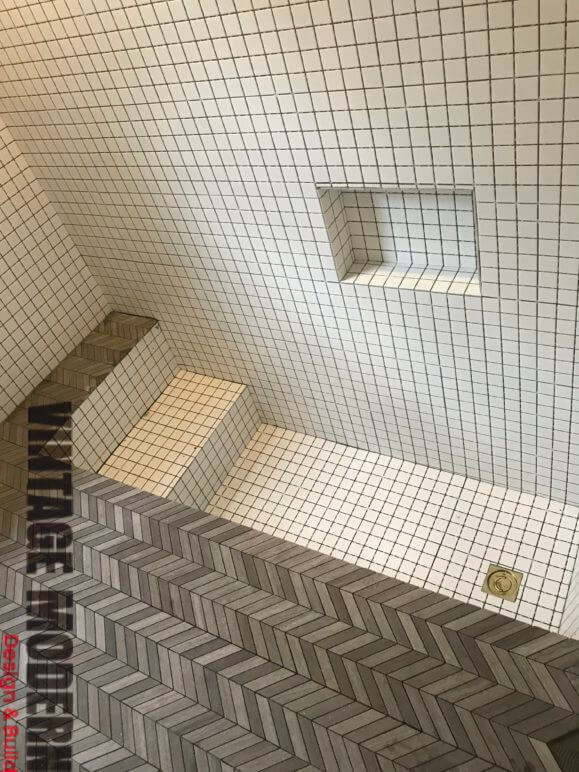
Credit: vintagemoderndesignbuild.com

Credit: www.youtube.com
Frequently Asked Questions
How Much Does It Cost To Convert A Roman Tub To A Shower?
The cost varies but usually ranges from $1,000 to $5,000. Factors include materials, labor, and plumbing changes.
How Long Does It Take To Convert A Roman Tub To A Shower?
Most conversions take 2 to 5 days depending on the complexity and contractor availability.
Can I Keep The Existing Plumbing When Converting To A Shower?
Often, some plumbing changes are needed to fit shower fixtures properly. A plumber can assess your setup.
What Are The Benefits Of Converting A Roman Tub To A Shower?
Showers save water, offer easier access, and require less cleaning than tubs. Great for small spaces too.
Do I Need A Permit To Convert My Roman Tub To A Shower?
Many areas require a permit for plumbing changes. Check local rules before starting your project.
What Type Of Shower Door Works Best For A Converted Roman Tub?
Sliding or hinged glass doors work well. They provide easy access and help keep water inside.
Can I Install A Walk-in Shower In Place Of A Roman Tub?
Yes, walk-in showers fit well in Roman tub spaces. They add style and improve bathroom safety.
Conclusion
Converting a Roman tub to a shower can improve your bathroom’s use. It saves space and offers easier access. You can choose many styles to match your home. The process may take some time but is worth it. A shower adds convenience and modern appeal.
Think about your needs before starting the change. Small updates can make a big difference. Take your time and enjoy the new look.