
Can’t figure out how to turn on your shower? You’re not alone.
It’s frustrating when something as simple as getting a warm shower feels like a puzzle. You might be twisting the wrong knob, pressing the wrong button, or just missing a step. But don’t worry—by the end of this article, you’ll know exactly what to do.
Imagine stepping into your shower without hesitation, enjoying the perfect water flow every time. Keep reading, and let’s solve this together. Your relaxing shower moment is closer than you think.
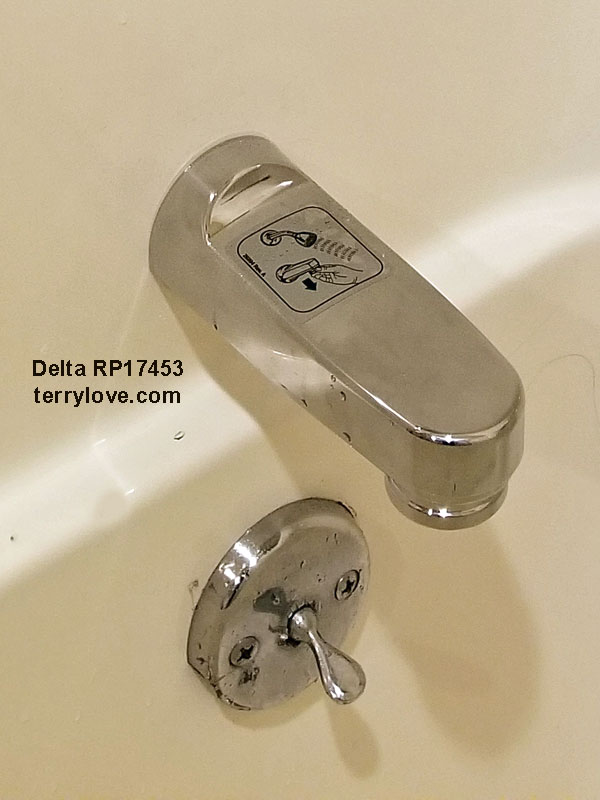
Credit: terrylove.com
Check The Water Supply
Before trying to turn on the shower, check the water supply. Without water, the shower won’t work at all. This step helps find common problems quickly. It saves time and avoids frustration.
Locate The Main Valve
Find the main water valve in your home. It is usually near the water meter or where the pipe enters the house. Make sure the valve is fully open. A closed or partly closed valve stops water flow to the shower.
Inspect For Water Shutoffs
Look for any shutoff valves near the shower or bathroom. Sometimes these valves are under the sink or behind access panels. Check if they are turned off. Turn them on gently to allow water to flow.
Verify Water Pressure
Turn on other faucets in the house to check water pressure. Weak water flow means low pressure or a blockage. If pressure is low everywhere, the problem may be with the main supply. This affects the shower’s ability to turn on properly.

Credit: www.reddit.com
Examine The Shower Handle
Having trouble turning on the shower? The shower handle is the first part to check. This simple piece controls water flow and temperature. Problems here often stop water from coming out. Examining the handle can help find the issue fast. Let’s break down how to check it properly.
Identify Handle Type
Different showers have different handle types. Some use a single lever that moves up and down or side to side. Others have two knobs, one for hot water and one for cold. Knowing your handle type helps you understand how it should work. Look closely at your handle shape and style. This step makes the next checks easier.
Look For Stuck Or Broken Parts
Check if the handle feels stuck or hard to turn. Sometimes dirt or rust blocks smooth movement. Look for cracks, chips, or loose pieces. Broken parts can stop the handle from working right. If you see damage, this could be why the shower won’t turn on. Cleaning or repairing these parts might solve the problem.
Test Handle Movement
Try moving the handle gently. It should turn or pull smoothly without much force. Notice if it moves all the way or stops suddenly. The handle should control water flow from off to full easily. If it feels loose or too tight, the internal parts may be worn out. Testing movement gives clues about what needs fixing.
Inspect The Shower Valve
Inspecting the shower valve is a key step to fix a shower that won’t turn on. The valve controls water flow. Dirt or damage inside can stop water from coming out.
Checking the valve helps find the problem. This can save time and money before calling a plumber.
Remove The Handle
First, turn off the water supply to the shower. Use a screwdriver to remove the handle screws. Gently pull the handle away from the wall. This exposes the valve behind it.
Be careful not to break the handle or strip the screws. Keep the parts safe for reassembly.
Check For Valve Blockages
Look inside the valve for dirt or mineral buildup. These blockages stop water flow. Use a flashlight to see clearly.
Use a small brush or cloth to remove any debris. Avoid pushing dirt deeper inside. This cleaning can restore water flow.
Clean Or Replace Valve Components
Inspect the valve parts for damage or wear. Worn parts may cause leaks or block water. Clean metal parts with vinegar to remove minerals.
If parts are damaged, buy replacements from a hardware store. Replace carefully following the product instructions. Proper care ensures the shower works well again.

Credit: www.reddit.com
Address Temperature Issues
Temperature issues can make showering uncomfortable or impossible. Fixing these problems helps you enjoy a steady, pleasant water temperature. Knowing how to address these issues saves time and frustration.
Adjust The Mixing Valve
The mixing valve controls how hot and cold water blend. Adjusting it can fix water that is too hot or too cold. Locate the valve behind the shower handle or access panel. Turn it slightly toward hot or cold to find the right mix. Test the water after each adjustment.
Check For Thermostat Problems
The thermostat controls water heater temperature. A broken thermostat may cause inconsistent water heat. Test the water heater settings and adjust if needed. If the water stays cold or too hot, the thermostat might need replacement. Call a professional if unsure about checking this part.
Balance Hot And Cold Water
Uneven water pressure can cause temperature swings. Check if hot and cold water flow evenly from the taps. Clean clogged pipes or aerators that block water flow. Use pressure-balancing valves to keep water steady. Proper balance prevents sudden hot or cold bursts during showers.
Consider Faucet Cartridge Problems
Sometimes, the shower won’t turn on because of faucet cartridge problems. The cartridge controls water flow and temperature. A damaged or stuck cartridge stops water from coming out.
Check the cartridge before calling a plumber. Fixing or replacing it can solve the issue quickly. Learning how to handle the cartridge saves time and money.
Identify Cartridge Type
First, find out what kind of cartridge your shower uses. Common types include ball, ceramic disc, and compression cartridges. Look for the brand name and model on the faucet handle or trim. You can also take a picture and compare it online. Knowing the type helps with finding the right replacement part.
Remove And Inspect Cartridge
Turn off the water supply before removing the cartridge. Use a screwdriver or wrench to take off the handle and trim. Carefully pull out the cartridge from the valve body. Check for cracks, mineral buildup, or worn seals. A damaged cartridge needs replacement. Clean small deposits with vinegar or a soft brush to improve function.
Replace Faulty Cartridges
Buy a new cartridge matching your faucet type and model. Insert the new cartridge into the valve body the same way you removed the old one. Reattach the handle and trim. Turn the water supply back on and test the shower. The water should flow and the temperature should adjust smoothly. Replacing a faulty cartridge often restores proper shower operation.
Look For Pipe Blockages
Sometimes the shower won’t turn on because water cannot flow through the pipes. Pipe blockages stop water from reaching the showerhead. These blockages often form due to mineral deposits or dirt inside the pipes. Checking for blockages can help you fix the problem quickly.
Check For Mineral Build-up
Minerals in water can build up inside the pipes over time. This build-up narrows the pipe’s opening and blocks water flow. Look for white or crusty deposits near the shower valve or pipe ends. These deposits show where minerals have settled inside.
Flush The Pipes
Flushing pipes can remove loose dirt and small blockages. Turn off the main water supply first. Open all faucets, including the shower, to drain the pipes. Then, turn the water back on to push out debris. This simple step can clear minor clogs.
Use Pipe Cleaners Or Chemical Solutions
Pipe cleaners and chemical solutions dissolve tough blockages. Choose a cleaner safe for your pipe type. Apply the cleaner as instructed on the label. Wait the recommended time for it to work. Flush the pipes afterward to remove loosened deposits.
Test The Shower Head
Testing the shower head helps find why the water may not flow. It is a simple step to check for problems. The shower head can get blocked or dirty. This can stop water from coming out properly. Follow these steps to test and fix the shower head.
Remove And Clean Shower Head
Turn off the water supply first. Unscrew the shower head carefully by hand or with a wrench. Soak the shower head in white vinegar for an hour. This removes mineral buildup and dirt inside. After soaking, scrub the holes gently with an old toothbrush. Rinse well with water before reattaching it.
Check For Clogs
Look inside the shower head for blockages. Tiny particles can block water flow. Use a toothpick or pin to clear each hole. Run water through the shower head before fixing it back. Check if water sprays evenly and strongly from all holes.
Replace If Necessary
If cleaning does not improve water flow, consider replacing the shower head. Old or damaged heads can cause problems. Choose a new shower head that fits your pipe size. Install it by screwing it onto the pipe. Test the water flow again to confirm it works well.
When To Call A Professional
Knowing when to call a professional can save time and avoid frustration. Some shower problems need expert help. It is important to recognize signs that you cannot fix alone. Calling a plumber early can prevent bigger issues and costly repairs.
Complex Plumbing Issues
Complex plumbing problems require special tools and skills. If pipes are old or damaged inside walls, a professional should handle them. Trying to fix hidden plumbing can cause more harm than good. Professionals can diagnose and repair without damaging your home.
Persistent Water Pressure Problems
Low or uneven water pressure can point to serious issues. It might involve clogged pipes or faulty valves. Simple fixes may not solve the problem. A plumber can test the system and find the root cause quickly. Persistent pressure issues affect your shower experience and water use.
Leaks And Water Damage Concerns
Leaks may start small but cause big damage over time. Signs like water stains, mold, or damp floors need urgent attention. Water damage can weaken walls and floors, risking safety. Professionals detect leaks hidden behind tiles or under floors. Timely repair prevents costly structural damage later.
Frequently Asked Questions
Why Won’t My Shower Turn On At All?
Check if the water supply to your shower is turned on. Sometimes, the main valve or shower valve is closed or stuck.
How Do I Turn On A Shower With A Single Handle?
Lift or turn the handle to start water flow. Adjust the handle to find the right temperature.
What To Do If The Shower Knob Feels Stuck?
The knob may be stuck due to rust or dirt. Try gently wiggling or using a lubricant spray to loosen it.
Can A Shower Fail To Start If Water Is Too Cold?
Yes, some showers need warm water pressure to activate. Make sure your water heater is working properly.
How To Turn On A Shower With Separate Hot And Cold Taps?
Turn both taps slowly to adjust the water temperature. Mix hot and cold water until it feels comfortable.
What If The Shower Handle Turns But No Water Comes Out?
There might be a blockage in the pipe or shower head. Clean the shower head or call a plumber for help.
Why Does The Water Stop When I Turn The Shower On?
Water pressure might be low or pipes could be clogged. Check other taps to see if water flow is weak everywhere.
Conclusion
Trouble turning on the shower is common and fixable. Start by checking the faucet handles and water supply. Sometimes, the problem is as simple as a stuck valve or air in the pipes. Taking small steps helps avoid frustration. If issues persist, calling a plumber may save time.
Stay calm and patient while figuring it out. Soon, you will enjoy a warm, relaxing shower again. Simple fixes often solve big annoyances. Don’t give up—help is available.